The Midlife Mindset Shift:
How to Embrace Body Changes in Your 40s, 50s and 60s Without Losing Confidence
By Lilla Fonyo — Healthy Lifestyle & Longevity Writer
October 2026
Quick Summary
Growing older is not just a physical journey. It is a psychological one too. Many people expect wrinkles, grey hair, aching joints or lower energy levels, but they are often less prepared for the emotional impact of these changes.
The truth is that ageing well is not about looking younger. It is about learning to adapt, accepting change, finding purpose and developing a healthier relationship with yourself. With the right mindset, your 40s, 50s and 60s can become some of the most confident, fulfilling and emotionally balanced years of your life.
Healthy Boundaries Over 40: How Saying No Can Improve Your Mental Health and Bring More Balance to Your Life - Discover how healthy boundaries over 40 can improve mental health, reduce stress and help you confidently say no without guilt.
The Truth About Midlife Crisis: How to Age Well, Find Purpose and Thrive After 40 - Discover how to navigate midlife crisis, improve wellbeing and embrace healthy ageing with science-backed insights.
Why Job Satisfaction Matters for You - Learn why job satisfaction is essential for mental health, wellbeing and confidence, and how fulfilling work can improve daily life.
How Happiness Impacts Health - Discover how happiness improves health, strengthens relationships and boosts wellbeing, plus simple habits to feel happier every day.
The Simple Formula That Keeps Couples Happy - Psychologists reveal how positive moments during conflict can strengthen relationships using the proven 5:1 communication rule.
Embracing Discomfort for Happiness - Learn how embracing discomfort builds resilience, retrains your brain, and helps you feel happier in a world built for comfort.
The Surprising Secret to Happiness in the Second Half of Life - Harvard happiness expert Dr Arthur Brooks shares how to find lasting joy in midlife by wanting less and focusing on what truly matters.
Emotional Intelligence and Wellbeing - Learn what emotional intelligence is, why it matters more than IQ, and how improving EQ can boost wellbeing, relationships, and success.
Happier? More Satisfied? More fulfilled? - Dynamic of Conditionality - Stop waiting for “someday.” Learn how emotional intelligence helps you feel happier, more satisfied, and fulfilled by taking action today.
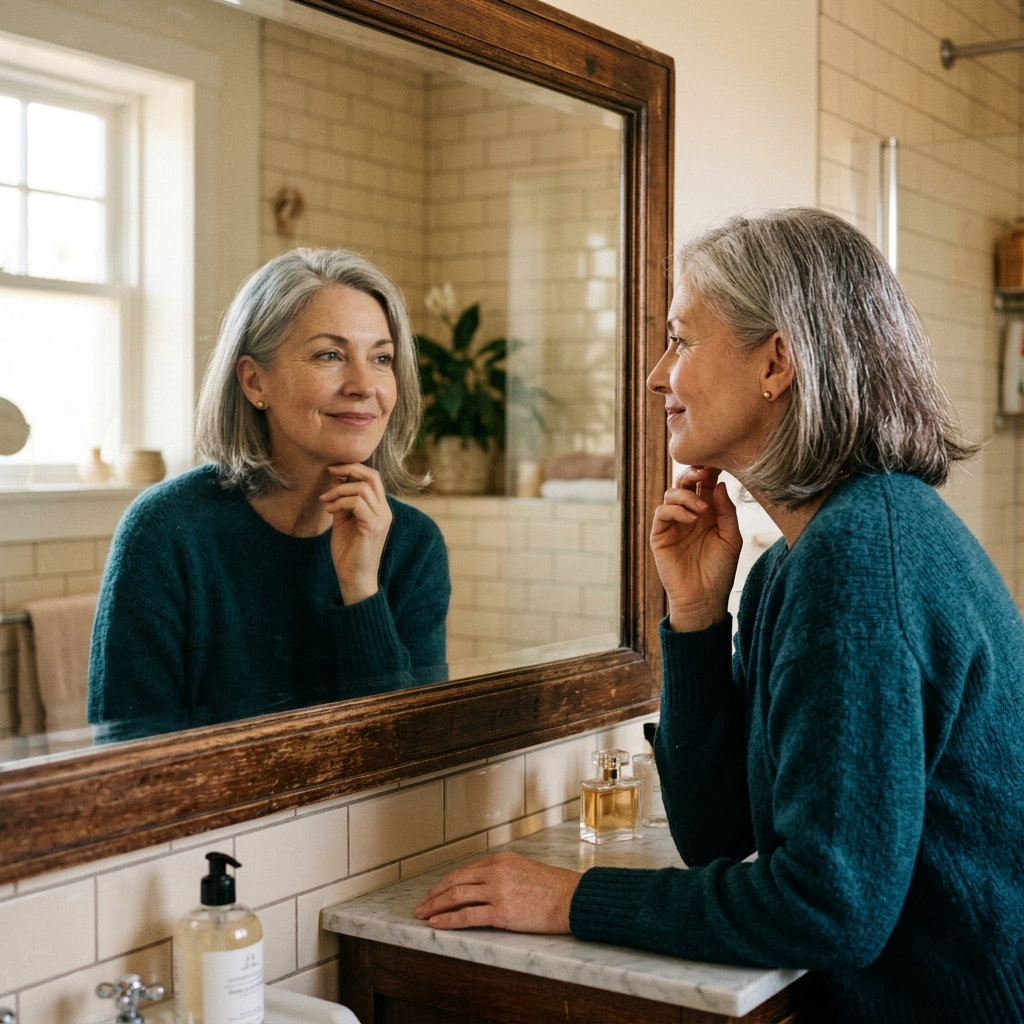
Why Body Changes Can Feel So Emotionally Challenging
Most of us spend decades becoming familiar with our bodies.
Then one day, things start changing.
Perhaps your metabolism slows down. You notice more wrinkles in the mirror. Your recovery after exercise takes longer. You may gain weight despite eating the same foods you always have. Women experience perimenopause and menopause, while men may notice declines in strength, stamina or muscle mass.
The physical changes themselves are not usually the biggest challenge.
The real struggle often comes from what those changes mean psychologically.
Many people quietly wonder:
- "Am I becoming old?"
- "Will people see me differently?"
- "Am I still attractive?"
- "Can I still do the things I enjoy?"
- "Is the best part of my life behind me?"
These thoughts are completely normal and experienced by millions of people during midlife. notes that the transition through midlife often involves re-evaluating identity, purpose and the realities of ageing. [psychologytoday.com]
The Biggest Mistake People Make About Ageing
Many people believe that successful ageing means fighting every sign of getting older.
But this approach often creates stress, anxiety and disappointment.
Instead of asking:
"How can I look 25 again?"
A healthier question is:
"How can I become the healthiest and happiest version of myself at this age?"
Research discussed by suggests that body acceptance and self-compassion help people develop a more positive relationship with ageing and body image. [psychologytoday.com]
Acceptance is not giving up.
Acceptance means recognising reality while continuing to care for yourself.
Understanding the Psychology of Loss
One reason ageing can feel difficult is that it involves small losses.
You may lose:
- Physical strength
- Speed and stamina
- Certain career ambitions
- Former versions of yourself
- The feeling of unlimited time
It is important to acknowledge these feelings rather than dismiss them.
Many people feel guilty for struggling because they think:
"I should be grateful just to be healthy."
You can be grateful and still feel sadness about change.
Both feelings can exist together.
Shift Your Focus From Appearance to Function
When we are younger, we often focus on how our body looks.
As we get older, a healthier approach is to focus on what the body allows us to do.
Instead of:
- "My legs don't look the same."
Try:
- "My legs still carry me on walks."
Instead of:
- "I have wrinkles."
Try:
- "My face shows a lifetime of experiences."
This mindset shift improves self-esteem and helps develop greater appreciation for the body. Positive body image and self-acceptance have been linked with greater wellbeing and life satisfaction. [frontiersin.org], [psychologytoday.com]
Stop Comparing Yourself to Younger Versions of You
Many people become trapped comparing themselves to who they were at 25 or 35.
This comparison is unfair.
You are comparing today's reality with a past version that had different responsibilities, hormones, recovery ability and life circumstances.
Instead, compare yourself with who you were last year.
Ask:
- Have I learned something?
- Am I healthier?
- Have I become wiser?
- Am I more resilient?
Growth does not stop with age.
It simply changes shape.
The Importance of Purpose in Midlife and Beyond
One of the most powerful psychological tools against ageing anxiety is purpose.
People who remain curious, engaged and connected often report greater wellbeing regardless of age.
Purpose can come from:
- Family
- Volunteering
- Work
- Hobbies
- Travel
- Learning
- Creative projects
- Helping others
Many people discover entirely new passions in their 50s and 60s.
Some start businesses.
Others become content creators, writers, gardeners, artists or community volunteers.
There is no age limit on growth.
Build Emotional Fitness, Not Just Physical Fitness
Most people understand the value of exercise.
Fewer people work on emotional resilience.
Emotional fitness includes:
Self-compassion
Speak to yourself as kindly as you would speak to a friend.
Adaptability
Accept that life changes and learn new ways to thrive.
Gratitude
Focus on what remains rather than only what has changed.
Resilience
Trust your ability to handle challenges.
These skills often become stronger with age and experience.
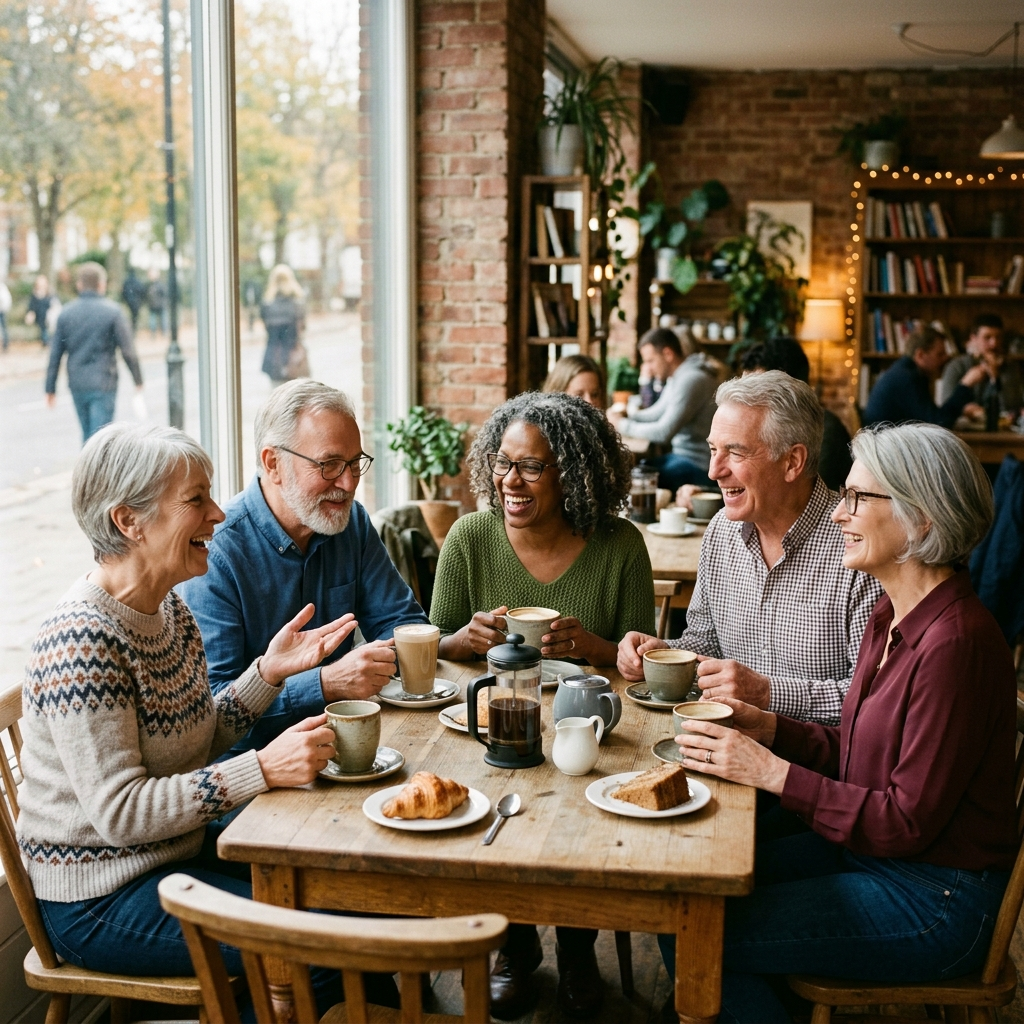
Stay Social, Even When You Don't Feel Like It
As people get older, social circles often become smaller.
Children grow up.
Friends move away.
Retirement may reduce daily social interactions.
Maintaining connection is critical for mental wellbeing.
The guidance on older people's mental wellbeing highlights the importance of social, community and group activities in maintaining independence and mental health. [nice.org.uk]
Simple ways to stay connected include:
- Joining clubs
- Taking classes
- Meeting friends regularly
- Volunteering
- Participating in community events
Human connection remains one of our greatest psychological needs throughout life.
Prepare Mentally for Your 60s Before You Reach Them
The best time to prepare for older age is before you arrive there.
Think about:
- Your physical health
- Relationships
- Finances
- Hobbies
- Purpose
- Community
According to , healthy ageing involves maintaining both physical and mental wellbeing and taking active steps to remain independent and engaged as we get older. [england.nhs.uk], [england.nhs.uk]
Ageing is easier when life contains things you look forward to.
What the Experts Say
Psychology Today
Articles published by highlight several important themes regarding ageing and body image:
- Accept ageing as a natural part of life.
- Challenge unrealistic beauty standards.
- Focus on strength, wisdom and capability rather than appearance.
- Practice self-compassion.
- Maintain self-care habits.
- Surround yourself with positive role models. [psychologytoday.com], [psychologytoday.com]
NHS Guidance
The Healthy Ageing guidance encourages people to:
- Stay physically active.
- Look after their mental health.
- Keep socially connected.
- Continue learning and engaging with life.
- Take proactive steps to maintain independence and wellbeing. [england.nhs.uk], [england.nhs.uk]
The NHS emphasises that while we cannot stop ageing, there is always something we can do to improve health and quality of life. [england.nhs.uk], [england.nhs.uk]

Takeaway
Ageing is not a problem to solve.
It is a transition to navigate.
Your body will change.
Your appearance will change.
Some things may become more difficult.
But you will also gain knowledge, resilience, perspective and life experience.
The goal is not to become the person you were at 25.
The goal is to become the strongest, wisest and most fulfilled version of yourself at 45, 55, 65 and beyond.
Growing older is inevitable.
Growing wiser is a choice.
❓ FAQ: How to Embrace Body Changes in Your 40s, 50s and 60s
Is it normal to feel anxious about ageing?
Yes. Many people experience fears about appearance changes, health, independence and mortality. These concerns are a normal part of midlife and later-life transitions. [psychologytoday.com]
Why do I feel less confident in my 40s and 50s?
Hormonal changes, life pressures, career challenges, changing family roles and physical changes can all affect confidence during midlife. [psychologytoday.com], [psychology.town]
How can I stop worrying about wrinkles and body changes?
Shift your focus from appearance to function, practice self-compassion and reduce comparison with younger versions of yourself. [psychologytoday.com]
Can mental wellbeing improve as I get older?
Absolutely. Research highlighted by suggests that many adults over 50 report lower stress levels and greater emotional stability than younger adults. [psychologytoday.com]
Does exercise help mental health as we age?
Yes. Regular physical activity supports mood, self-confidence, brain health and emotional wellbeing. [england.nhs.uk], [gov.uk]
What is the most important mindset for healthy ageing?
Acceptance combined with action. Accept what you cannot change and actively improve what you can.
This content is for educational purposes and does not replace medical advice…
About the author
Lilla Fonyo is a healthy lifestyle and longevity writer with a background in endurance running, nutrition, and mindful living. She focuses on sustainable habits that support long-term physical and mental wellbeing.
Expert Review
Reviewed by Andrea Ozorai, Clinical Psychotherapist, providing evidence-based psychological support and counselling.
Beaches Psychotherapy offers a free 15-minute consultation to answer your questions and to discuss the support you need.
Sources:
NHS England - Healthy Ageing
NHS - Practical Guide to Healthy Ageing
Psychology Today: Embrace Aging
Psychology Today: Midlife
NICE: Older People, Independence and Mental Wellbeing
UK Government: Healthy Ageing Guidance