Asparagus: A Nutrient-Packed Spring Vegetable for Everyday Health
By Lilla Fonyo — Healthy Lifestyle & Longevity Writer
Last Update April 2026
Quick Summary
Asparagus is a low-calorie, nutrient-dense vegetable packed with fibre, vitamins and antioxidants. It may support digestion, heart health, blood pressure, and immunity. Easy to cook and highly versatile, it’s a simple way to boost your diet—especially during the UK’s spring season (April–June).
Related Articles:
Benefits of Eating Cabbage - Discover the top 15 health benefits of cabbage — from heart and gut health to weight control — plus easy ways to enjoy it every day.
Asparagus - Health Benefits - Learn how asparagus supports digestion, immunity, heart health and more, plus easy ways to enjoy this versatile spring vegetable.
The 13 Healthiest Root Vegetables - From beets to turmeric, discover 13 root vegetables packed with nutrients, antioxidants, and flavour to boost your meals and health.
Quinoa: The Small Seed That Does It All - Discover easy quinoa recipes, health benefits and cooking tips in this friendly guide to quick, nutritious meals any time of day.
Best Spring Vegetables to Eat Now for Health and Fresh Flavour - Discover the best spring vegetables, their health benefits and how to cook seasonal produce for fresher, tastier meals.
Why Iron Is Important: Benefits, Foods & Deficiency Signs - Learn why iron is essential, signs of deficiency, best foods, and expert UK advice.
The Truth About Superfoods: Myth vs Reality Explained - Discover the truth about superfoods, myths vs facts, and what really makes a healthy diet work long-term.
What is a plant-based diet - Learn what a plant-based diet is, its health benefits, NHS guidance and simple tips to start eating more plant foods today.
The 30-Plants-a-Week Habit - Discover the easy way to try the “30 plants a week” approach and support your gut health with simple, enjoyable changes.
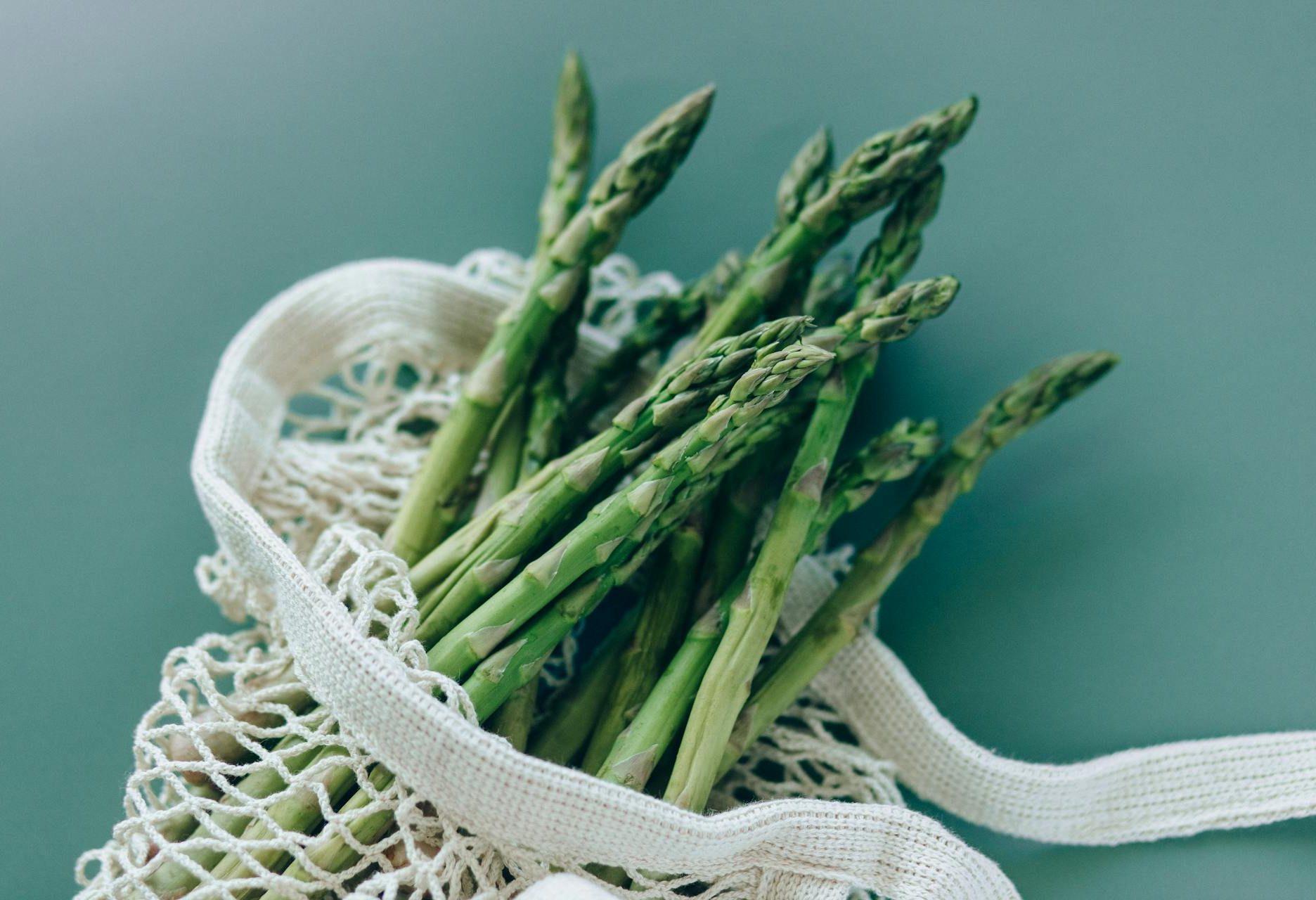
What is asparagus?
Asparagus (Asparagus officinalis) is a perennial vegetable known for its tender, spear-shaped stalks. In the UK, it’s at its best from April to June, traditionally ending at the summer solstice.
You’ll most often see green asparagus, but white (grown without sunlight) and purple varieties are also available. Each has a slightly different flavour and antioxidant profile, but all are rich in nutrients.
Nutritional highlights: low calories, high value
Asparagus stands out for its excellent nutrient-to-calorie ratio. A typical 80–90g serving contains only around 20 calories but provides:
- Vitamins A, C, E and K
- Folate (vitamin B9)
- Potassium
- Fibre and plant compounds
This means even a small portion contributes towards your five-a-day while supporting multiple body functions, from energy production to healthy vision.
Key health benefits of asparagus
1. Rich in antioxidants
Asparagus contains antioxidants such as vitamin C, vitamin E, glutathione and flavonoids. These compounds help protect your cells from oxidative stress, which is linked to ageing and chronic disease.
Purple asparagus is particularly high in anthocyanins—powerful pigments associated with heart health.
2. Supports digestive health
Thanks to its fibre content, asparagus helps keep digestion regular. It also contains inulin, a prebiotic fibre that feeds beneficial gut bacteria.
A healthy gut microbiome plays an important role in:
- digestion
- immune function
- nutrient absorption
3. May help manage blood sugar and cholesterol
Early research suggests asparagus may support blood sugar control and improve insulin function, although more human studies are needed.
Its fibre may also help lower cholesterol by supporting the removal of bile acids during digestion—beneficial for heart health.
4. A natural source of folate
Asparagus is an excellent source of folate (vitamin B9), essential for:
- cell growth
- red blood cell formation
- healthy pregnancy
Folate is particularly important during pregnancy to support foetal development and reduce the risk of neural tube defects.
5. Supports healthy blood pressure
Asparagus provides potassium, which helps regulate fluid balance and counteract excess salt. This can contribute to maintaining healthy blood pressure.
Some early research also suggests it may contain compounds that support blood vessel relaxation, although this needs further study in humans.
6. Anti-inflammatory and immune support
The combination of vitamins, antioxidants and polyphenols gives asparagus natural anti-inflammatory properties.
There’s also emerging evidence that it may have mild antimicrobial effects, potentially helping the body defend against certain bacteria.
7. Additional potential benefits
Some early or limited research suggests asparagus may also:
- support mood (due to folate and tryptophan)
- help ease hangover symptoms
- support liver function
- contribute to hormonal balance
These findings are promising but not yet fully confirmed in humans.

How to eat asparagus
Asparagus is highly versatile and can be enjoyed:
- Raw – shaved into salads or served as crudités
- Steamed or boiled – simple and nutritious
- Roasted or grilled – enhances flavour
- Stir-fried or sautéed – quick and convenient
Light cooking often improves the availability of certain nutrients while keeping the flavour fresh.
Is asparagus suitable for everyone?
Asparagus is safe for most people, but consider the following:
- High in purines – may not suit those with gout or certain kidney conditions
- Digestive effects – may cause bloating if you’re not used to fibre-rich foods
- Strong-smelling urine – harmless, caused by sulphur compounds
- Allergies – rare but possible
What does research say? (PubMed insights)
Studies indexed on PubMed highlight asparagus as a food rich in bioactive compounds such as:
- inulin (prebiotic fibre)
- flavonoids
- saponins
Research suggests asparagus may:
- promote the growth of beneficial gut bacteria
- provide antioxidant and anti-inflammatory effects
- offer potential metabolic and cardiovascular benefits
However, many findings are based on laboratory or animal studies. More human clinical research is needed to confirm these effects and understand how they work in real-world diets.

Takeaway
Asparagus is a simple yet powerful addition to a healthy diet. It’s low in calories, rich in essential nutrients, and may support digestion, heart health, and immunity. Whether roasted, steamed or eaten raw, adding asparagus to your meals is an easy way to eat well—especially during its short but delicious UK season.
❓ FAQ: The Benefits of Asparagus
Is asparagus healthier than broccoli?
Both are highly nutritious. Asparagus is higher in folate and fibre, while broccoli contains more vitamin C. The best choice is to include both in your diet.
Is it better to eat asparagus raw or cooked?
Both are healthy. Cooking may increase antioxidant availability, while raw asparagus retains certain vitamins.
Why does asparagus make urine smell?
It contains sulphur compounds that break down during digestion. The smell is harmless and varies from person to person.
Can asparagus help with weight loss?
Yes. It’s low in calories and high in fibre, which can help you feel full and support weight management.
Is asparagus good during pregnancy?
Yes. It’s naturally high in folate, which supports foetal development. However, supplements are still recommended during pregnancy.
This content is for educational purposes and does not replace medical advice…
About the author
Lilla Fonyo is a healthy lifestyle and longevity writer with a background in endurance running, nutrition, and mindful living. She focuses on sustainable habits that support long-term physical and mental wellbeing.
Sources:
www.healthline.com - 7 Reasons You Should Eat More Asparagus
www.bbcgoodfood.com - Top 8 health benefits of asparagus
www.webmd.com - Asparagus: Health Benefits, Nutrition Facts, and How to Prepare It
www.pubmed.ncbi.nlm.nih.gov - Nutritional composition of green asparagus (Asparagus officinalis L.), edible part and by-products, and assessment of their effect on the growth of human gut-associated bacteria
www.pmc.ncbi.nlm.nih.gov - A Review of the Pro-Health Activity of Asparagus officinalis L. and Its Components
Link: https://pmc.ncbi.nlm.nih.gov/articles/PMC10814860/
www.fielddoctor.co.uk - Asparagus: Nutritional Content & Health Benefits
www.health.com - 9 Health Benefits of Asparagus