16 Superfoods Worth Adding to Your Diet:
What the Science Really Says
By Lilla Fonyo — Healthy Lifestyle & Longevity Writer
Updated June 2026
Quick Summary
The term "superfood" is often used in marketing, but many foods commonly given this label are genuinely rich in nutrients that support overall health. While no single food can prevent disease or guarantee good health, regularly eating a variety of nutrient-dense foods can help support heart health, digestion, immunity, brain function and healthy ageing.
In this guide, we explore 16 foods often described as superfoods, what makes them nutritious, and why focusing on your overall diet matters far more than relying on any one ingredient.
The Truth About Superfoods: Myth vs Reality Explained - Discover the truth about superfoods, myths vs facts, and what really makes a healthy diet work long-term.
Asparagus - A Delicious Vegetable with Impressive Health Benefits - Learn how asparagus supports digestion, immunity, heart health and more, plus easy ways to enjoy this versatile spring vegetable.
The Health Benefits of Parsley - Discover parsley’s hidden power! Packed with vitamins, antioxidants & flavour, this herb supports heart, bones & eyes.
Benefits Of Black Radish for Skin, Hair, And Health - Learn the benefits of black radish for skin glow, strong hair, better digestion, and natural detox.
What is a plant-based diet - Learn what a plant-based diet is, its health benefits, NHS guidance and simple tips to start eating more plant foods today.
15 Amazing Health Benefits of Eating Cabbage Daily - Discover the top 15 health benefits of cabbage — from heart and gut health to weight control — plus easy ways to enjoy it every day.
The 30-Plants-a-Week Habit - Discover the easy way to try the “30 plants a week” approach and support your gut health with simple, enjoyable changes.
What Are Superfoods?
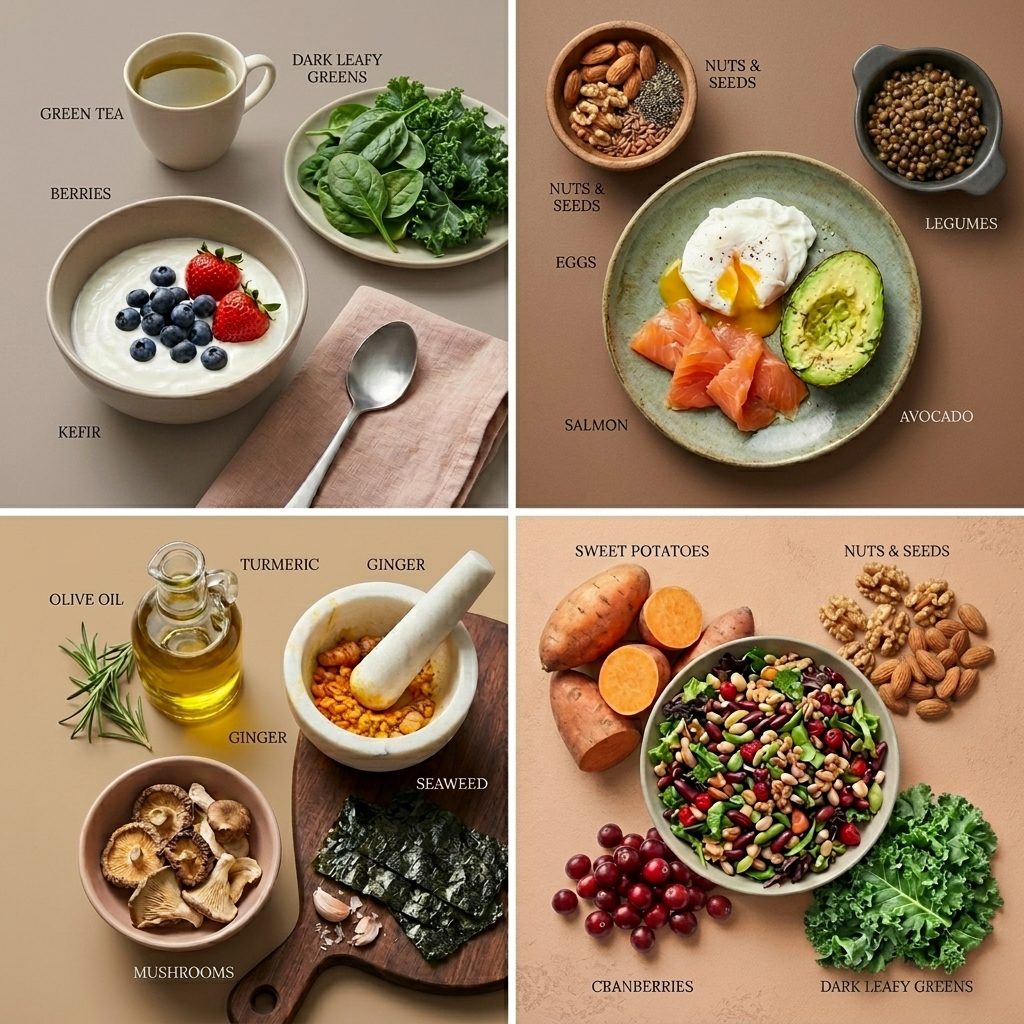
Despite the popularity of the term, there is actually no official scientific or legal definition of a superfood.
The word emerged as a marketing term used to highlight foods believed to have exceptional nutritional value. While many so-called superfoods are packed with vitamins, minerals, fibre and beneficial plant compounds, experts agree that no single food can provide everything your body needs.
Good health comes from consistently eating a balanced, varied diet rather than chasing the latest food trend.
That said, many foods commonly labelled as superfoods do offer impressive nutritional benefits and can play a valuable role in a healthy eating pattern.
1. Dark Leafy Greens
Spinach, kale, Swiss chard, collard greens and turnip greens are among the most nutrient-dense vegetables available.
They provide:
- Vitamin C
- Vitamin K
- Folate
- Iron
- Calcium
- Magnesium
- Fibre
Dark leafy greens also contain carotenoids, plant compounds associated with reduced inflammation and a lower risk of certain chronic diseases.
Easy ways to eat more
- Add spinach to smoothies
- Stir kale into soups
- Include mixed greens in salads and sandwiches
- Add leafy greens to curries and stir-fries
2. Berries
Blueberries, strawberries, raspberries, blackberries and cranberries are packed with antioxidants and fibre.
Research suggests that berries may help support:
- Heart health
- Healthy ageing
- Cognitive function
- Digestive health
- Immune function
Their natural sweetness also makes them an excellent alternative to sugary snacks.
Easy ways to eat more
- Add to porridge or yoghurt
- Blend into smoothies
- Enjoy as a snack
- Mix into overnight oats
3. Green Tea
Green tea has been enjoyed for centuries and contains powerful antioxidants known as catechins.
One of the most studied compounds is EGCG (epigallocatechin gallate), which has been linked to a range of potential health benefits.
Potential benefits include:
- Supporting heart health
- Reducing inflammation
- Supporting metabolic health
- Providing antioxidant protection
Easy ways to enjoy it
Swap one daily sugary drink for a cup of green tea.
4. Eggs
Eggs are among the most nutritious and affordable foods available.
They provide:
- High-quality protein
- Choline
- Vitamin A
- B vitamins
- Selenium
- Lutein and zeaxanthin for eye health
Current evidence suggests that moderate egg consumption can be part of a healthy diet for most people.
Easy ways to eat more
- Boiled eggs
- Omelettes
- Frittatas
- Poached eggs on wholegrain toast
5. Legumes
Legumes include:
- Lentils
- Chickpeas
- Beans
- Peas
- Peanuts
They are rich in fibre, plant protein and essential minerals.
Regular consumption has been associated with:
- Better blood sugar management
- Lower cholesterol levels
- Improved feelings of fullness
- Better heart health
Easy ways to eat more
- Add lentils to soups
- Include beans in salads
- Make chickpea curries
- Use hummus as a snack
6. Nuts and Seeds
Nuts and seeds provide healthy fats, fibre, protein and antioxidants.
Excellent choices include:
- Walnuts
- Almonds
- Pistachios
- Chia seeds
- Flaxseeds
- Pumpkin seeds
Research suggests they may support heart health and help maintain a healthy weight when eaten in appropriate portions.
Easy ways to eat more
Sprinkle seeds onto porridge, yoghurt or salads.
7. Kefir and Yoghurt
Fermented foods contain beneficial bacteria known as probiotics.
Kefir and live yoghurt may support:
- Digestive health
- Gut microbiome diversity
- Immune function
- Heart health
Kefir often contains a wider range of probiotic strains than standard yoghurt.
Easy ways to eat more
Choose plain varieties and add fresh fruit for natural sweetness.
8. Garlic
Garlic has been used both as food and medicine for thousands of years.
It contains sulphur compounds that may contribute to:
- Heart health
- Immune support
- Healthy blood pressure
- Cholesterol management
Easy ways to eat more
Add fresh garlic to sauces, soups, marinades and roasted vegetables.
9. Extra Virgin Olive Oil
A cornerstone of the Mediterranean diet, extra virgin olive oil is rich in heart-friendly monounsaturated fats and antioxidants.
Research has linked olive oil consumption with:
- Lower inflammation
- Better cardiovascular health
- Improved metabolic health
Easy ways to eat more
Use it in dressings, drizzled over vegetables or as a cooking oil for moderate-heat cooking.
10. Ginger
Ginger contains bioactive compounds such as gingerol that have been widely studied for their health effects.
Potential benefits include:
- Relief from nausea
- Anti-inflammatory properties
- Digestive support
Easy ways to eat more
Add fresh ginger to tea, stir-fries, curries and smoothies.
11. Turmeric
Turmeric is best known for its active compound, curcumin.
Curcumin has shown anti-inflammatory and antioxidant properties in research settings.
To improve absorption:
- Combine turmeric with black pepper
- Consume it alongside healthy fats
Easy ways to eat more
Use in curries, soups, roasted vegetables and warm drinks.
12. Salmon
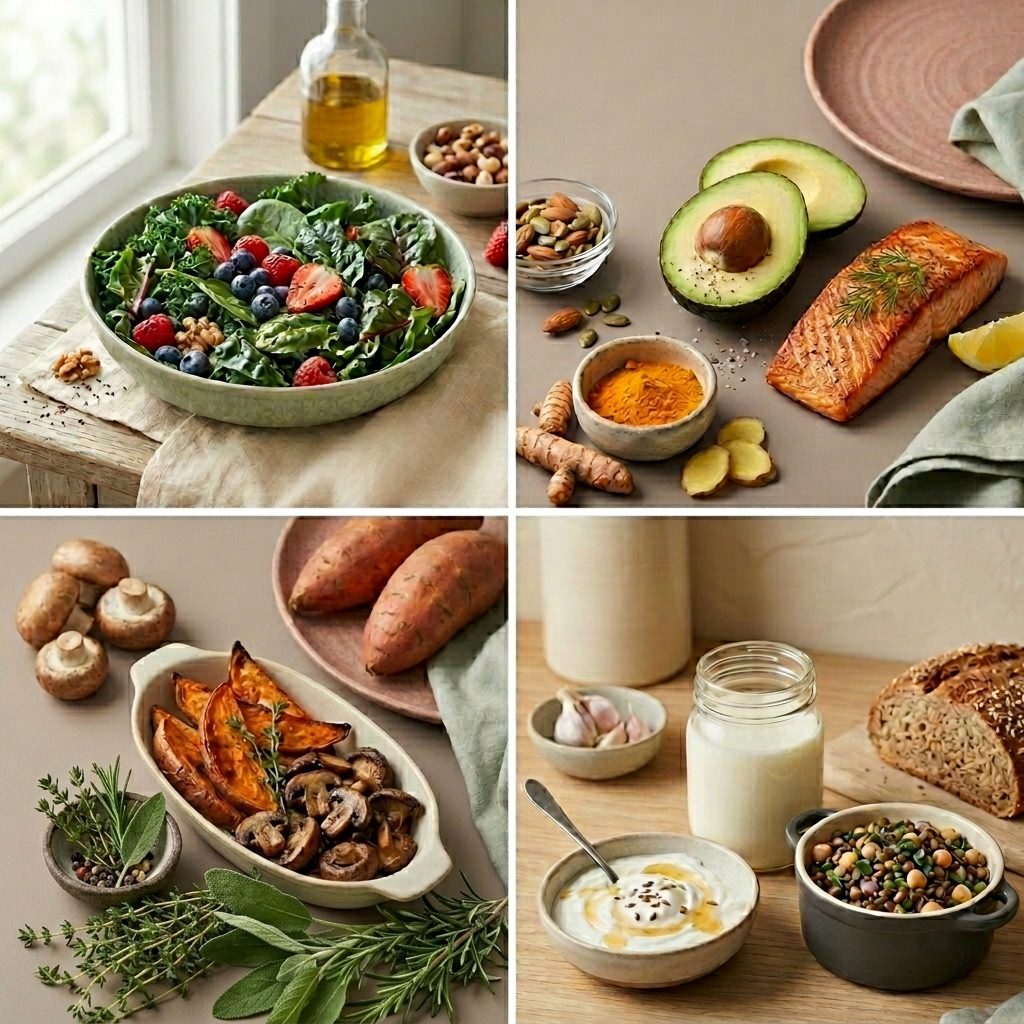
Salmon is one of the richest dietary sources of omega-3 fatty acids.
It also provides:
- High-quality protein
- Selenium
- Vitamin B12
- Potassium
Regular fish consumption is associated with improved heart health and reduced inflammation.
Easy ways to eat more
Aim for one to two portions of oily fish each week.
13. Avocado
Avocados are rich in:
- Fibre
- Potassium
- Folate
- Monounsaturated fats
These nutrients support heart health and may help with satiety and blood sugar management.
Easy ways to eat more
Add to salads, sandwiches, wraps and smoothies.
14. Sweet Potatoes
Sweet potatoes offer an impressive nutritional profile.
They contain:
- Fibre
- Vitamin A
- Vitamin C
- Potassium
- Antioxidant carotenoids
Easy ways to eat more
Roast them, mash them or use them in soups and stews.
15. Mushrooms
Mushrooms provide a unique mix of nutrients and antioxidants.
Different varieties contain varying amounts of:
- Fibre
- Potassium
- B vitamins
- Antioxidants
They may also help increase vegetable consumption overall.
Easy ways to eat more
Add mushrooms to pasta dishes, stir-fries, omelettes and risottos.
16. Seaweed
Seaweed is widely used in Asian cuisine and is becoming increasingly popular worldwide.
It contains:
- Iodine
- Fibre
- Folate
- Vitamin K
- Antioxidant compounds
Easy ways to eat more
Try seaweed snacks, sushi or seaweed flakes as a seasoning.
What Do the Experts Say About Superfoods?
PubMed: The Scientific Perspective
Scientific reviews published in PubMed note that many foods marketed as superfoods do contain beneficial nutrients and bioactive compounds.
However, researchers emphasise that evidence is often stronger for isolated compounds studied in laboratories than for the foods themselves in real-world settings.
Scientists also highlight that factors such as growing conditions, processing methods, storage and cooking can all affect nutrient content.
The overall conclusion is clear: superfoods can contribute to health, but they are not miracle foods.
British Heart Foundation (BHF)
The British Heart Foundation points out that "superfood" is primarily a marketing term.
The charity stresses that no single food can compensate for an otherwise unhealthy diet.
Instead, the BHF recommends focusing on:
- Fruits and vegetables
- Whole grains
- Beans and pulses
- Nuts and seeds
- Healthy fats
- Oily fish
They also encourage consumers to be cautious about expensive products marketed solely on their "superfood" status.
ZOE: Focus on Your Overall Diet
Nutrition scientists at ZOE argue that there is no such thing as a true superfood.
Instead, they recommend focusing on:
- Dietary variety
- Whole foods
- Plant diversity
- Fibre-rich foods
- Minimally processed ingredients
ZOE's research also highlights that people respond differently to foods, meaning that what works best for one person may not be ideal for another.
Their key message is simple: build a healthy dietary pattern rather than relying on individual foods.
The Real Secret: Variety Beats Any Single Superfood
One of the most consistent findings in nutrition science is that diversity matters.
Rather than searching for a magic ingredient, aim to regularly include:
- Fruits
- Vegetables
- Whole grains
- Legumes
- Nuts and seeds
- Healthy fats
- Fermented foods
- Lean protein sources
A colourful, varied plate will almost always outperform any single "superfood".
Takeaway
Many foods commonly described as superfoods genuinely offer impressive nutritional benefits. However, no food is powerful enough to transform your health on its own.
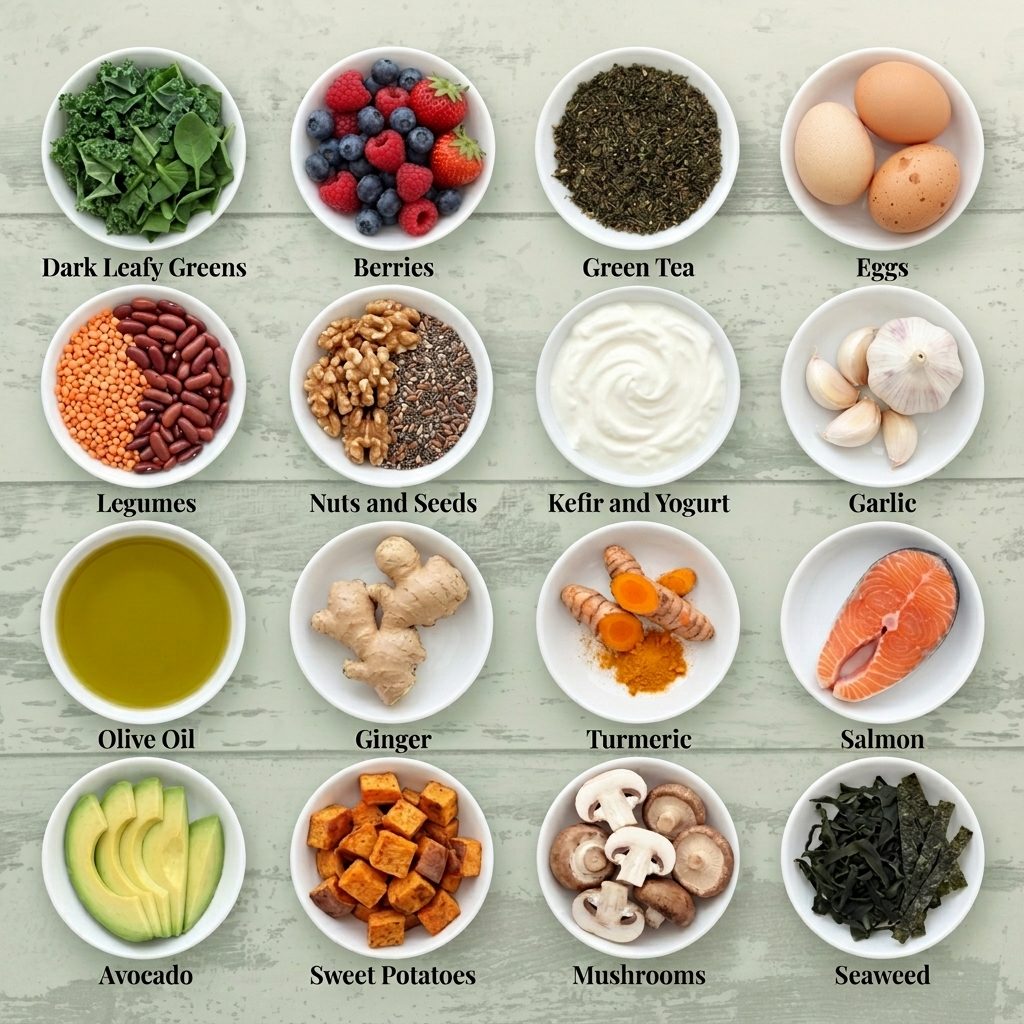
The strongest evidence supports eating a balanced, varied diet rich in whole and minimally processed foods. Dark leafy greens, berries, legumes, nuts, oily fish and fermented foods can all contribute to better health when enjoyed regularly as part of an overall healthy eating pattern.
Think less about finding the next superfood and more about building consistently healthy habits that you can maintain for life.
❓ FAQ — 16 Superfoods
Are superfoods scientifically proven?
Not as a category. There is no scientific definition of a superfood. However, many foods commonly labelled as superfoods have been extensively studied and contain nutrients associated with health benefits.
Can superfoods prevent disease?
No single food can prevent disease. A balanced diet, regular exercise, adequate sleep and other lifestyle factors all contribute to long-term health.
What is the healthiest superfood?
There is no single healthiest food. Different foods provide different nutrients, so variety is more important than focusing on one food.
Are expensive superfood products worth buying?
Not always. Many everyday foods such as oats, beans, spinach, apples and carrots provide excellent nutrition at a lower cost.
How often should I eat superfoods?
Rather than aiming for specific superfoods, focus on eating a variety of nutrient-rich foods daily.
Are frozen fruits and vegetables as healthy as fresh?
In many cases, yes. Frozen produce is often frozen shortly after harvest and can retain much of its nutritional value.
Is the Mediterranean diet better than focusing on superfoods?
Research consistently suggests that overall dietary patterns, including the Mediterranean diet, have stronger evidence for long-term health benefits than individual foods.
About the author
Lilla Fonyo is a healthy lifestyle and longevity writer with a background in endurance running, nutrition, and mindful living. She focuses on sustainable habits that support long-term physical and mental wellbeing.
Sources:
www.healthline.com - 16 Superfoods That Are Worthy of the Title
www.pmc.ncbi.nlm.nih.gov - ‘Superfoods’: Reliability of the Information for Consumers Available on the Web
www.bhf.org.uk - Do superfoods exist?
www.hriuk.org - Top 7 superfoods to try
www.zoe.com - Are there any true superfoods?