Over 40? The Best Natural Foods to Boost Collagen Production
for Healthier Skin, Joints and Stronger Ageing
By Lilla Fonyo — Healthy Lifestyle & Longevity Writer
June 2026
Quick Summary
Collagen is one of the most important proteins in the body, helping to support skin firmness, joint flexibility, bones, muscles and connective tissues. However, after the age of 40, natural collagen production gradually declines, making it more important than ever to support your body with the right nutrients.
While collagen supplements have become popular, nature already provides many foods that help your body create and protect its own collagen. From vitamin C-rich fruits and colourful vegetables to protein-rich foods, fish, eggs and traditional collagen-containing foods such as bone broth, a balanced diet can provide the building blocks your body needs.
This guide explores the best natural ways to support collagen production after 40 and how simple changes to your everyday meals may help maintain healthy skin, joints and overall vitality.
Quinoa: The Small Seed That Does It All - Discover easy quinoa recipes, health benefits and cooking tips in this friendly guide to quick, nutritious meals any time of day.
Gluten-Free Eating: Is It Really Healthier or Just a Trend? - Learn the real science behind gluten-free diets, who needs them, and whether avoiding gluten improves health for most people.
The 30-Plants-a-Week Habit - Discover the easy way to try the “30 plants a week” approach and support your gut health with simple, enjoyable changes.
18 High-Protein Foods to Boost Health and Energy - From chicken and fish to lentils and quinoa, explore 18 high-protein foods that boost strength, energy, and overall health.
Omega-7 Fatty Acids: Benefits, Sources & Heart Health - Learn about omega-7 fatty acids, their health benefits, top food sources like sea buckthorn and how they support heart health.
Top 10 High-Fibre Foods You Should Eat Daily - Discover the top 10 high-fibre foods to boost your health and meet the daily 30g recommendation in the UK!
Fibre Quiz: Test Your Knowledge of High-Fibre Foods - Think you know fibre? Try our quick quiz on high-fibre foods and see how much you know about healthy eating, digestion and gut health.
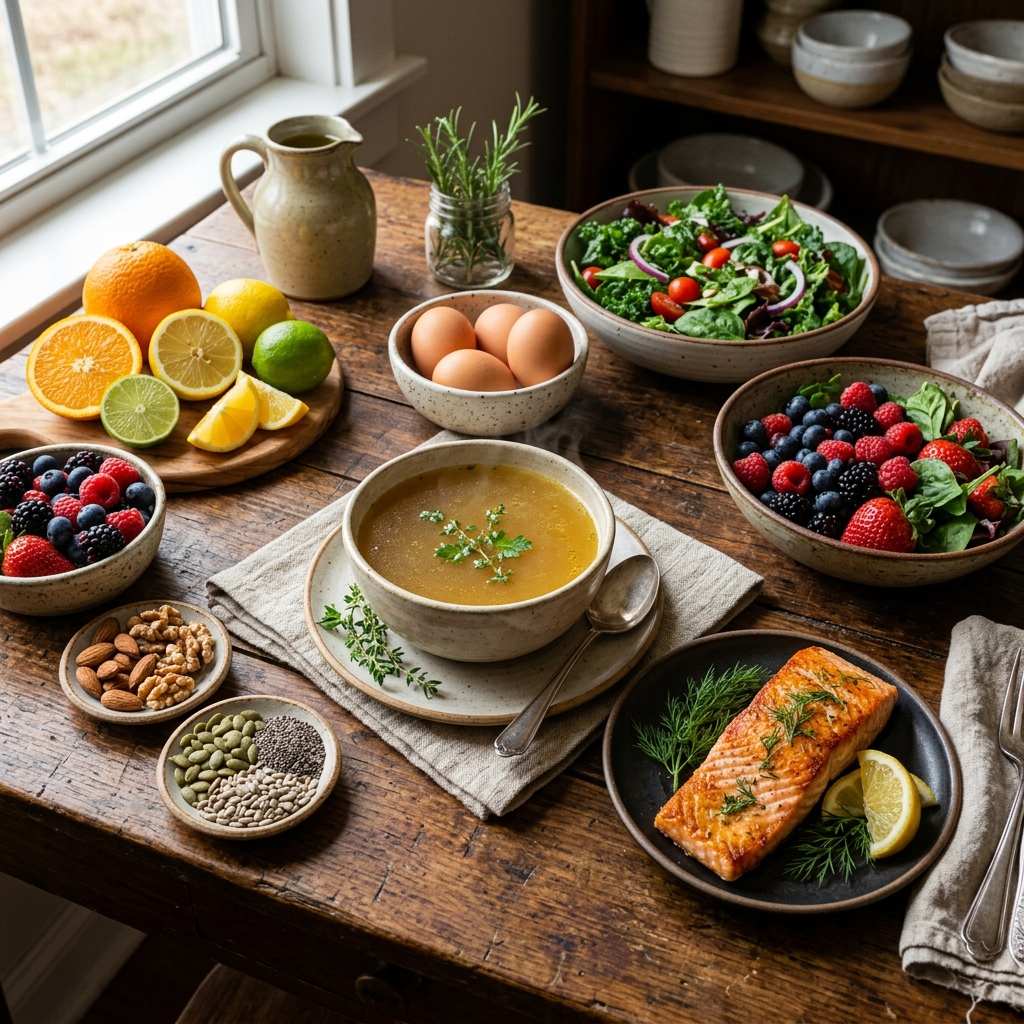
Why Collagen Becomes More Important After 40
Collagen is the most abundant protein in the human body. It acts like a natural framework, providing structure, strength and elasticity to the skin, cartilage, bones, tendons and ligaments.
Think of collagen as the body’s internal support system. It helps skin stay plump, joints move smoothly and connective tissues remain resilient.
Unfortunately, collagen production does not remain constant throughout life. From our mid-20s onwards, the body gradually begins producing less collagen, and this decline becomes more noticeable as we get older.
After 40, many people begin noticing visible and physical changes linked with lower collagen levels, including:
- Less skin elasticity and increased dryness
- Fine lines and wrinkles becoming more visible
- Longer recovery after exercise
- Stiffer joints or reduced flexibility
- Changes in muscle and connective tissue strength
Ageing is a natural process, but nutrition and lifestyle choices can influence how well our bodies maintain collagen.
Can You Naturally Boost Collagen Production After 40?
The body does not simply absorb collagen from food and place it directly into the skin or joints. Instead, it breaks down dietary proteins into amino acids, which it then uses wherever they are needed.
To make collagen, your body needs specific building blocks, including:
- Glycine
- Proline
- Hydroxyproline
- Lysine
It also requires key nutrients that support collagen formation, especially:
- Vitamin C
- Zinc
- Copper
- Protein-rich foods
- Antioxidants
This means the best approach after 40 is not focusing on one “miracle” food, but creating a diet that consistently gives your body the materials needed for collagen production.
The Best Natural Foods to Support Collagen After 40
1. Bone Broth: A Traditional Collagen-Rich Food
Bone broth has been used in traditional cooking for generations. It is made by slowly simmering animal bones, cartilage and connective tissue, which releases gelatin, collagen fragments and amino acids.
A good homemade bone broth may provide:
- Collagen peptides
- Glycine
- Proline
- Minerals such as magnesium and phosphorus
However, it is important to keep expectations realistic. Bone broth is nourishing, but it is not a magical anti-ageing treatment.
The collagen content can vary significantly depending on:
- The type of bones used
- Cooking time
- Preparation method
- Animal quality
A homemade broth made from high-quality bones and cooked slowly is generally a more nutrient-rich option than many ready-made versions.
2. Fish and Seafood: Supporting Skin and Joint Health
Fish is one of the best natural sources of collagen-supporting nutrients.
The collagen in fish is especially concentrated in parts that are often discarded, such as:
- Skin
- Bones
- Connective tissue
Marine collagen comes mainly from fish skin and scales, which are rich in type I collagen — the main collagen found in human skin.
Including fish such as:
- Salmon
- Sardines
- Mackerel
- Trout
can provide not only collagen-related nutrients but also omega-3 fatty acids, which support a healthy inflammatory balance.
A simple habit like eating oily fish regularly can benefit overall ageing well.
3. Chicken and Collagen-Rich Cuts of Meat
Many collagen supplements are made from chicken because connective tissue in poultry contains naturally occurring collagen.
For a more collagen-supportive diet, consider choosing:
- Chicken thighs instead of only breast meat
- Skin-on chicken where appropriate
- Slow-cooked cuts containing connective tissue
Traditional dishes such as chicken soup made with bones and joints naturally contain more collagen-related compounds than highly processed, boneless meat products.
Modern diets often focus almost exclusively on muscle meat while removing the collagen-rich parts our ancestors regularly consumed.
4. Eggs: Providing Collagen-Building Nutrients
Eggs do not contain collagen because collagen comes from connective tissues. However, eggs provide important nutrients that help your body create collagen.
Egg whites are particularly rich in:
- Proline
- High-quality protein
Protein intake becomes increasingly important after 40 because maintaining muscle mass, strength and connective tissue requires sufficient amino acids.
5. Vitamin C-Rich Fruits: Essential for Collagen Formation
Vitamin C is one of the most important nutrients involved in collagen production.
Without enough vitamin C, the body cannot efficiently produce stable collagen fibres.
Excellent natural sources include:
Citrus fruits
- Oranges
- Lemons
- Grapefruit
- Limes
Berries
- Strawberries
- Blackberries
- Raspberries
- Blueberries
Other vitamin C-rich foods
- Kiwi
- Guava
- Bell peppers
- Tomatoes
Adding colourful fruit and vegetables to your meals is one of the simplest ways to support natural collagen formation.
6. Leafy Greens and Colourful Vegetables
Vegetables do not contain collagen, but they provide nutrients that help protect collagen from damage.
Leafy greens such as:
- Spinach
- Kale
- Rocket
- Swiss chard
contain antioxidants that help protect cells from oxidative stress.
Other collagen-friendly vegetables include:
Broccoli
Provides vitamin C and compounds that support overall skin health.
Bell peppers
One of the richest vegetable sources of vitamin C.
Tomatoes
Contain vitamin C and lycopene, an antioxidant associated with skin protection.
A colourful plate is often a collagen-supporting plate.
7. Nuts, Seeds and Minerals for Collagen Support
Collagen production requires minerals such as zinc and copper.
Good sources include:
- Cashews
- Hazelnuts
- Pumpkin seeds
- Sesame seeds
- Almonds
Copper helps maintain normal connective tissue, while zinc contributes to normal protein synthesis.
Adding a small handful of nuts or seeds to meals can be a simple daily habit after 40.

Foods That May Reduce Collagen Protection
Supporting collagen is not only about what you add to your diet — it is also about what you limit.
High intake of:
- Added sugars
- Highly processed foods
- Excess refined carbohydrates
may contribute to processes that damage collagen structures.
Sugar can attach to proteins in a process called glycation, which may affect collagen flexibility and contribute to changes associated with skin ageing.
A balanced diet with plenty of whole foods is one of the best ways to protect your body’s natural collagen.
Lifestyle Habits That Help Preserve Collagen After 40
Nutrition is only part of the picture. Several lifestyle factors influence collagen health.
Protect your skin from excessive sun exposure
UV radiation is one of the biggest external factors linked with collagen breakdown.
Prioritise quality sleep
During sleep, the body carries out important repair processes.
Exercise regularly
Strength training and movement support muscles, bones and connective tissues.
Avoid smoking
Smoking is strongly linked with accelerated collagen breakdown and reduced skin quality.
Manage stress
Long-term stress can affect many systems in the body, including processes involved in healthy ageing.
What Does PubMed Research Say About Collagen and Ageing?
Research published in scientific databases such as PubMed has explored collagen’s role in skin ageing, connective tissue health and collagen production.
Scientific reviews highlight that collagen is essential for maintaining skin structure, elasticity and firmness. As we age, collagen synthesis decreases while collagen breakdown increases, contributing to wrinkles, reduced elasticity and changes in connective tissues.
Research suggests that supporting collagen production involves:
- Adequate protein intake
- Vitamin C availability
- Protection against oxidative stress
- Healthy lifestyle choices
Studies investigating oral collagen products have shown some potential benefits for skin hydration and elasticity, but researchers also note that more independent research is needed.
The most consistent message from scientific literature is that collagen health depends on overall nutrition and lifestyle rather than a single food or ingredient.
The Best Natural Collagen-Boosting Plate After 40
A simple collagen-supporting day could look like this:
Breakfast
- Eggs with spinach
- Berries or kiwi
Lunch
- Salmon salad with colourful vegetables
Snack
- Nuts and fruit
Dinner
- Slow-cooked chicken or fish with vegetables
Optional
- Homemade bone broth as part of a balanced meal
The goal is not perfection — it is consistency.
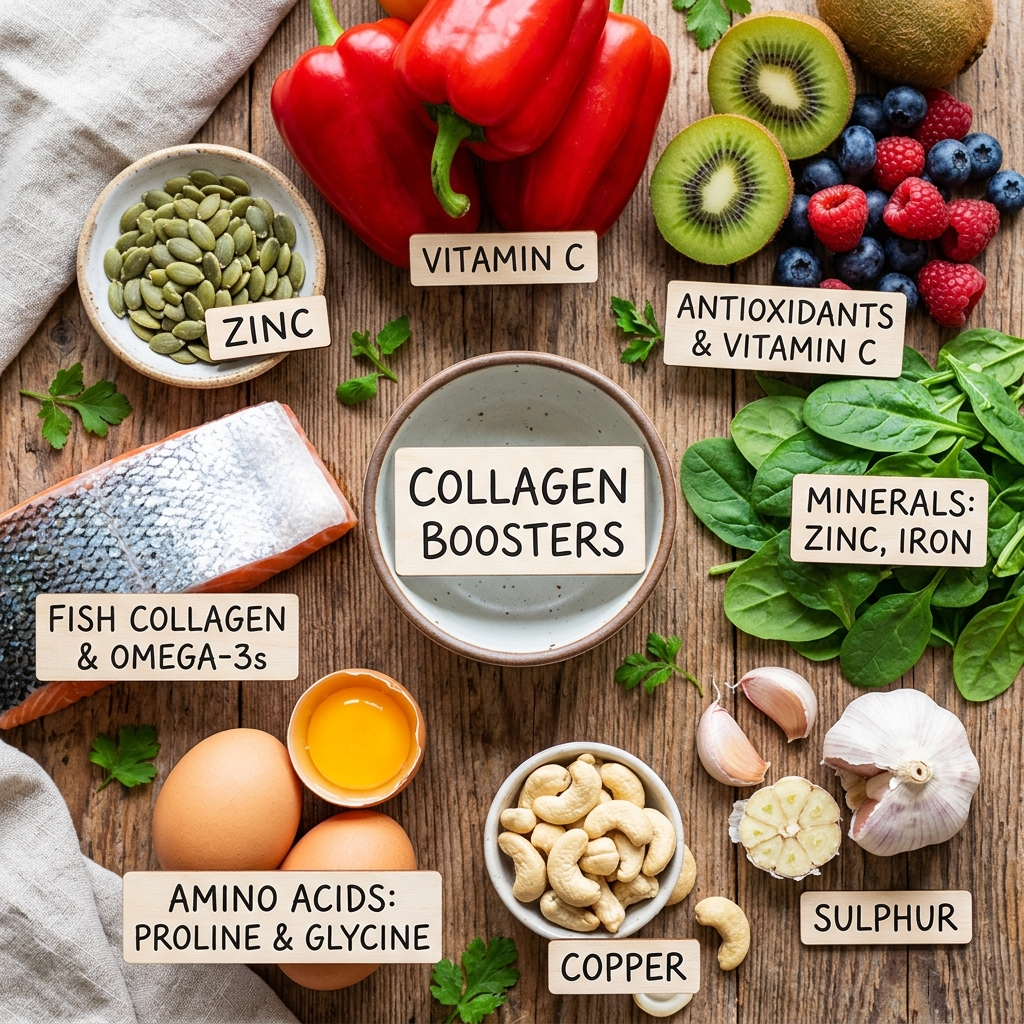
Takeaway
Collagen naturally declines with age, but your diet can help provide the nutrients your body needs to continue making and protecting it.
The best natural collagen-supporting foods include:
✓ Fish and seafood
✓ Chicken and connective tissue-rich meats
✓ Bone broth
✓ Eggs
✓ Citrus fruits and berries
✓ Leafy greens
✓ Nuts and seeds
✓ Protein-rich whole foods
After 40, maintaining collagen is not about chasing quick fixes. It is about nourishing your body with a variety of nutrient-rich foods, protecting your skin, staying active and supporting healthy ageing from the inside out.
❓ FAQ – The Best Natural Foods to Boost Collagen
Does eating collagen-rich foods increase collagen in my skin?
Your body breaks down collagen-containing foods into amino acids before using them. These nutrients can then contribute to collagen production wherever your body needs them most.
What is the best natural source of collagen?
Foods containing connective tissue, such as bone broth, fish skin, chicken skin and slow-cooked meats, are among the richest natural sources.
Can vegetarians get collagen from food?
Plants do not contain collagen. However, plant foods rich in vitamin C, antioxidants, zinc and protein can provide nutrients that support your body’s own collagen production.
Is bone broth enough to prevent ageing skin?
Bone broth can be a nutritious addition to your diet, but it cannot prevent ageing. Skin health depends on many factors, including genetics, sun exposure, diet and lifestyle.
Which vitamins help collagen production?
Vitamin C is particularly important because it helps the body create stable collagen. Zinc and copper also support normal connective tissue formation.
Does collagen production really decrease after 40?
Yes. Collagen production gradually declines with age, beginning earlier in adulthood and becoming more noticeable over time.
This content is for educational purposes and does not replace medical advice…
About the author
Lilla Fonyo is a healthy lifestyle and longevity writer with a background in endurance running, nutrition, and mindful living. She focuses on sustainable habits that support long-term physical and mental wellbeing.
Sources:
www.organised.co - Can You Get Enough Collagen from Food Alone?
www.nutritionsource.hsph.harvard.edu – Collagen
www.hollandandbarrett.com - 10 collagen-friendly foods to add to your menu
www.healthline.com - 13 Foods That Help Your Body Produce Collagen
www.bbc.co.uk - Can eating collagen really improve our skin and joints?
www.pmc.ncbi.nlm.nih.gov - Promoting collagen synthesis: a viable strategy to combat skin ageing