How to Treat and Recover from Burnout
A practical, science-backed guide to restoring your energy, balance and wellbeing
By Lilla Fonyo — Healthy Lifestyle & Longevity Writer
Last Update April 2026
Quick Summary
Burnout is a state of emotional, physical and mental exhaustion caused by prolonged stress—often linked to work, but not limited to it. It can leave you feeling drained, detached and unable to function as you normally would. The good news is that recovery is possible. By recognising the signs early, prioritising rest, nourishing your body, caring for your mind and seeking support when needed, you can gradually rebuild your energy and resilience. Small, consistent changes—rather than drastic overhauls—are key to sustainable recovery.
The Quiet Freedom of Letting Go of Envy: How to Reclaim Your Peace and Joy - Learn how to overcome envy and jealousy with simple psychology-backed strategies for a calmer, happier life.
When Is Enough Truly Enough - Discover how to recognize “enough”, escape the success trap, and build a more meaningful, content life.
The Truth About Midlife Crisis: How to Age Well, Find Purpose and Thrive After 40 - Discover how to navigate midlife crisis, improve wellbeing and embrace healthy ageing with science-backed insights.
How Happiness Impacts Health - Discover how happiness improves health, strengthens relationships and boosts wellbeing, plus simple habits to feel happier every day.
The Simple Formula That Keeps Couples Happy - Psychologists reveal how positive moments during conflict can strengthen relationships using the proven 5:1 communication rule.
Embracing Discomfort for Happiness - Learn how embracing discomfort builds resilience, retrains your brain, and helps you feel happier in a world built for comfort.
The Surprising Secret to Happiness in the Second Half of Life - Harvard happiness expert Dr Arthur Brooks shares how to find lasting joy in midlife by wanting less and focusing on what truly matters.
Emotional Intelligence and Wellbeing - Learn what emotional intelligence is, why it matters more than IQ, and how improving EQ can boost wellbeing, relationships, and success.
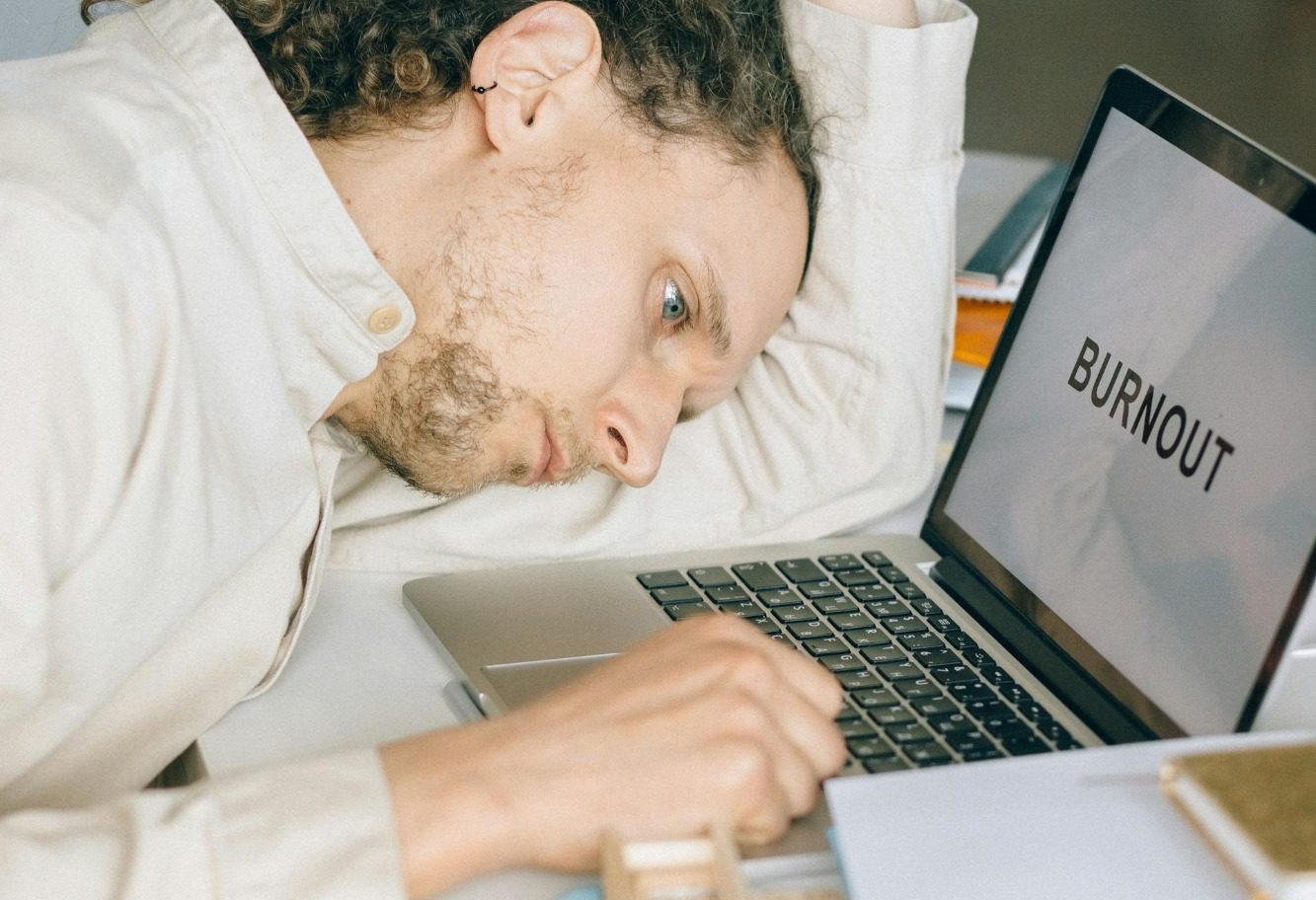
What Is Burnout—and Why Does It Happen?
Burnout is more than everyday tiredness. It’s a deeper, longer-lasting state of depletion that builds up when demands consistently outweigh your resources. The World Health Organization describes it as an occupational phenomenon linked to chronic workplace stress, but it can affect anyone juggling prolonged pressure.
Common experiences include:
- Feeling constantly exhausted, even after rest
- Becoming detached or cynical about work or life
- Struggling with productivity, focus or motivation
Burnout often develops gradually. High expectations, perfectionism, heavy workloads and a lack of recovery time all play a role. Over time, this imbalance can affect your mental health, physical wellbeing and relationships.
Recognising the Signs of Burnout
Burnout doesn’t look the same for everyone, but there are clear warning signs to watch for.
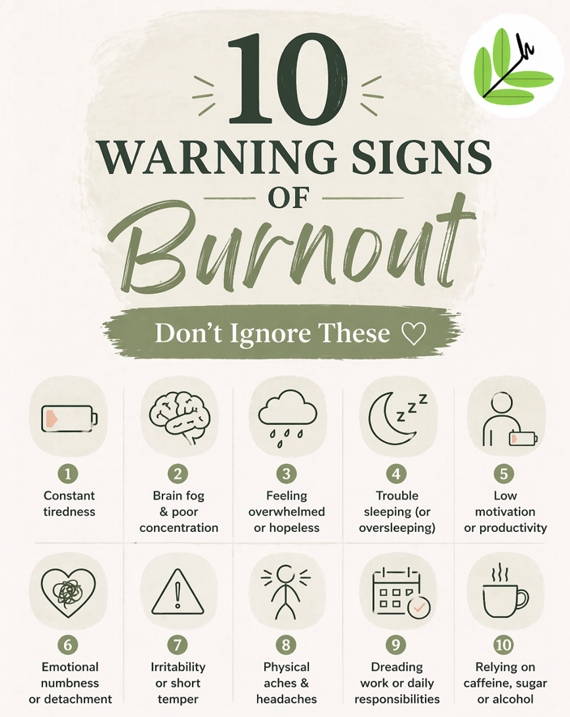
Emotional and mental signs
- Irritability, anxiety or low mood
- Feeling overwhelmed or emotionally numb
- Loss of motivation or enjoyment
- Difficulty concentrating (“brain fog”)
Physical symptoms
- Persistent fatigue
- Sleep problems
- Headaches or muscle pain
- Increased susceptibility to illness
Behavioural changes
- Withdrawing from social activities
- Avoiding responsibilities
- Reduced performance at work
Recognising these signs early is crucial. Burnout rarely resolves on its own and can worsen if ignored.
Nourish Your Body to Support Recovery
When you’re burnt out, your body needs steady, reliable fuel. Skipping meals or relying on sugary snacks can worsen fatigue and stress.
Focus on:
- Complex carbohydrates (oats, whole grains, root vegetables) for sustained energy
- Healthy fats (nuts, seeds, oily fish) for brain health
- Protein (eggs, lentils, lean meats) to stabilise blood sugar
- Vitamins and minerals (iron, zinc, vitamin C) to support immunity
Eating regularly helps regulate cortisol (your stress hormone) and prevents energy crashes. Warm, balanced meals can also provide comfort and stability during recovery.
Move Gently—Not Intensely
Exercise can help, but burnout isn’t the time for punishing workouts. Instead, aim for gentle, restorative movement.
Try:
- Short walks outdoors
- Light stretching or yoga
- Low-impact home workouts
Even 10–15 minutes a day can reduce stress hormones, improve mood and clear your mind. Think of movement as a way to support yourself—not another task to complete.
Care for Your Mind
Your mind needs recovery just as much as your body.
Mindfulness and meditation
Practising mindfulness helps calm your nervous system and bring your attention back to the present moment. This can reduce anxiety and improve emotional regulation over time.
Gratitude practice
Writing down a few small things you’re grateful for each day can gently shift your mindset and build resilience.
Self-compassion
Burnout often comes with harsh self-criticism. Replacing this with kindness towards yourself is a powerful step in recovery.
Rest Properly (and Without Guilt)
Rest is essential—but many people struggle to truly switch off.
Meaningful rest includes:
- Taking breaks without screens or distractions
- Allowing your mind to slow down
- Prioritising quality sleep (around 7 hours per night for most adults)
Simple changes can improve sleep:
- Keep your bedroom cool and dark
- Avoid screens before bed
- Limit caffeine in the evening
Rest is not laziness—it’s a biological necessity.
Reconnect with What Matters
Burnout is often linked to a disconnect between what you’re doing and what truly matters to you.
Take time to reflect:
- What gives your life meaning?
- What feels energising rather than draining?
- What can you let go of?
Shifting your focus from constant achievement to finding meaning in everyday activities can help prevent future burnout.
Seek Support When You Need It
You don’t have to handle burnout alone.
Support options include:
- Speaking to a GP
- Working with a therapist or counsellor
- Talking openly with trusted friends or family
Professional support can help identify underlying causes such as anxiety, depression or lifestyle factors—and guide you towards recovery.
What Research Says (PubMed Insights)
Research highlights that burnout is a complex condition involving emotional exhaustion, detachment and reduced sense of achievement. It is often linked to chronic stress and demanding environments.
Key findings include:
- Burnout differs from stress by leading to disengagement and emotional blunting
- Chronic stress can impair memory, focus and emotional regulation
- Risk factors include high workload, lack of control, perfectionism and poor support systems
- Burnout can impact physical health, increasing vulnerability to illness
- Prevention requires both individual strategies (rest, nutrition, support) and organisational changes (workplace culture, workload management)
Studies also emphasise the importance of early intervention, as prolonged burnout can contribute to depression and long-term health issues.

Takeaway
Burnout is a signal, not a failure. It’s your mind and body telling you that something needs to change. Recovery doesn’t happen overnight, but small, consistent steps—resting more, nourishing yourself, moving gently and setting boundaries—can help you rebuild your energy and wellbeing. You don’t need to do everything at once. Start by doing less, and doing it more kindly.
❓ FAQ: How to Treat and Recover from Burnout
What is burnout exactly?
Burnout is a state of emotional, mental and physical exhaustion caused by prolonged stress, often related to work or ongoing pressure.
How long does it take to recover from burnout?
Recovery varies from person to person. It can take weeks to months depending on the severity and the changes made.
Can burnout go away on its own?
It’s unlikely. Without changes to your lifestyle or stress levels, burnout may worsen over time.
Is burnout a mental illness?
Burnout is not classified as a mental illness, but it is closely linked to mental health conditions such as anxiety and depression.
What’s the fastest way to recover from burnout?
There’s no instant fix. However, prioritising rest, improving sleep, reducing stress and seeking support can speed up recovery.
Can exercise help burnout?
Yes—but gentle movement is best. Overexertion can make symptoms worse.
Should I take time off work?
If possible, time off can help reset your stress levels and support recovery.
This content is for educational purposes and does not replace medical advice…
About the author
Lilla Fonyo is a healthy lifestyle and longevity writer with a background in endurance running, nutrition, and mindful living. She focuses on sustainable habits that support long-term physical and mental wellbeing.
Expert Review
Reviewed by Andrea Ozorai, Clinical Psychotherapist, providing evidence-based psychological support and counselling.
Beaches Psychotherapy offers a free 15-minute consultation to answer your questions and to discuss the support you need.
Sources:
www.independent.co.uk - How to spot the symptoms of burnout and treat them, according to wellbeing experts
www.independent.co.uk - How burnout can affect the brain – and five ways to overcome it
www.psychologytoday.com - Burnout Recovery: How to Recharge Without Guilt
www.psychologytoday.com - The Cure for Burnout
www.pmc.ncbi.nlm.nih.gov - Burnout: its meaning and how to deal with it?
www.mentalhealth.org.uk - Burnout: signs, causes and ways to recover