Stay Steady, Stay Strong:
The Essential Guide to Balance Exercises After 40
By Lilla Fonyo — Healthy Lifestyle & Longevity Writer
April 2026
Quick Summary
Balance isn’t just about standing on one leg—it’s a vital part of staying active, independent, and injury-free as you age. From your 40s onwards, natural changes in muscle strength, coordination, and sensory awareness can affect your stability. The good news? Balance can be improved quickly with simple, regular exercises. Even a few minutes a day can reduce your risk of falls, boost confidence, and support long-term health.
Related Articles:
Asian Pilates Beginner Flow: A Gentle, Flexible Way to Move, Breathe and Feel Better - Try a gentle Asian Pilates routine for beginners. Improve strength, mobility and relaxation with this simple 10-minute flow.
The Benefits of Squats: Why You Should Add Them to Your Routine - Learn why squats matter, which muscles they work, how to squat safely, and the top benefits for strength, mobility and injury prevention.
Strength Training for Over 40s - Strength training for over 40s made simple. Build muscle, protect bones, boost heart health and stay strong with expert-backed advice.
First Day at the Gym (2026 Guide) - Nervous about your first gym visit? Learn what to bring, what to do, and how to start gently and build a lasting fitness habit.
Step Aerobics Benefits: Why Step Workouts Are Great for Weight Loss, Strength, and Heart Health - Discover step aerobics benefits for weight loss, heart health and fitness — now with expert advice, backed by NHS guidance and research.
Low-Impact Exercise - Gentle Movement That Still Gets Results - Discover the benefits of low-impact exercise and how gentle workouts can improve strength, mobility, mood and long-term health.
Asian Pilates: The Gentle Fitness Trend - Discover Asian Pilates — a mindful blend of classical Pilates, Tai Chi, and yoga that builds strength, balance, and inner calm.
Why Balance Exercise Matters More After 40
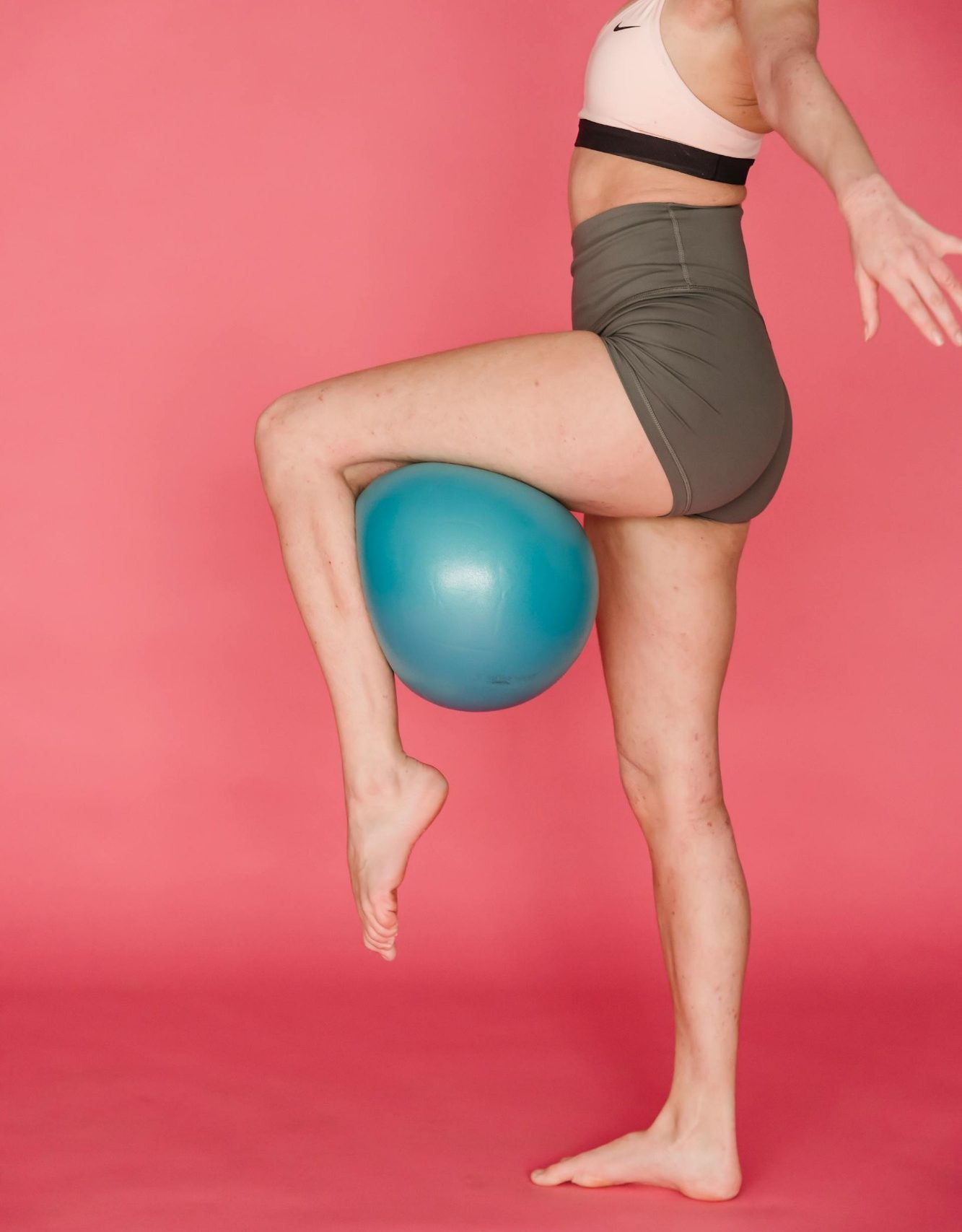
It’s easy to overlook balance—until it starts to slip. From your 40s, subtle physical changes begin to affect how steady you feel. Muscle strength gradually declines, joints stiffen, and your body’s internal “position sense” (proprioception) becomes less responsive.
According to research, balance is one of the strongest indicators of long-term health. In fact, difficulty balancing on one leg for just 10 seconds in midlife has been linked to a significantly higher risk of poor health outcomes later on.
But this isn’t about alarm—it’s about opportunity.
Balance is highly trainable, and improvements can happen within weeks.
The Real-Life Benefits of Better Balance
1. Fewer Falls and Injuries
Falls are one of the leading causes of injury as we age. Improving your balance helps you react faster, stabilise yourself, and avoid dangerous slips.
2. Stronger Stabilising Muscles
Balance exercises target muscles in your:
- Feet and ankles
- Hips and core
These are essential for everyday movements like walking, climbing stairs, or carrying shopping.
3. Better Coordination and Reflexes
Balance training strengthens the connection between your brain and body, improving reaction times and overall coordination.
4. Improved Posture
Regular balance work helps align your body properly, reducing strain on joints and preventing aches and pains.
5. Increased Confidence
Feeling steady on your feet makes you more likely to stay active, try new activities, and move without fear.
Why Balance Declines (and What You Can Do About It)
Balance can begin to decline as early as your 40s due to:
- Reduced muscle strength
- Less daily movement variety
- Changes in vision and inner ear function
- Slower nerve responses
The modern lifestyle doesn’t help either—long hours sitting and less physical challenge mean your balance system isn’t being “trained” daily.
The solution? Intentional movement.
Simple Balance Exercises to Start Today
You don’t need a gym or fancy equipment. Try these beginner-friendly exercises at home:
Static (Still) Balance
- One-leg stand: Hold for 5–10 seconds each side
- Standing with eyes closed: Improves body awareness
Dynamic (Moving) Balance
- Heel-to-toe walk: Walk in a straight line
- Side steps or grapevine walk: Improves lateral stability
- Step-ups: Mimics everyday movement
Strength + Balance Combo
- Calf raises
- Knee lifts (marching)
- Single-leg movements with arm reach
Tip: Aim to practise at least twice a week, building gradually.
Expert Advice: NHS & British Heart Foundation
NHS Guidance
The NHS recommends incorporating balance exercises into your weekly routine—especially as you age. Their advice includes:
- Start slowly and build up gradually
- Use a wall or chair for support
- Combine balance with strength and flexibility exercises
- Practise at least twice a week
They emphasise that even simple movements can significantly improve stability and mobility.
British Heart Foundation Insights
The British Heart Foundation highlights that improving balance:
- Reduces the risk of falls and injuries
- Enhances coordination and confidence
- Supports overall heart and circulatory health through increased activity
They also note that 1 in 3 adults over 65 experience a fall each year, making early prevention crucial.
Activities like tai chi, dancing, and gentle balance routines are especially effective.
How Often Should You Train Balance?
- Minimum: 2 times per week
- Ideal: A few minutes daily
- Progression: Start simple, then increase difficulty
Consistency matters more than intensity.
Takeaway
Balance training isn’t just for older adults—it’s one of the smartest things you can start in your 40s.
With just a few minutes of practice each week, you can:
- Reduce your risk of falls
- Move with greater confidence
- Stay active and independent for longer
Think of it as an investment in your future mobility, strength, and quality of life.
❓ FAQ: Balance Exercises After 40
1. At what age should I start balance exercises?
Ideally in your 40s—or earlier. Balance starts declining gradually, so early action helps prevent bigger issues later.
2. How quickly can balance improve?
With regular practice, many people notice improvements within a few weeks.
3. Do I need equipment?
No. Most balance exercises use just your body weight and can be done at home.
4. Is walking enough to improve balance?
Walking helps, but targeted balance exercises are far more effective.
5. What if I feel unsteady?
Always use a chair or wall for support and progress gradually.
6. Can balance training help prevent falls?
Yes—it's one of the most effective ways to reduce fall risk.
7. Should I speak to a doctor first?
If you have a medical condition (e.g. heart issues, diabetes, high blood pressure), consult your GP before starting.
This content is for educational purposes and does not replace medical advice...
About the author
Lilla Fonyo is a healthy lifestyle and longevity writer with a background in endurance running, nutrition, and mindful living. She focuses on sustainable habits that support long-term physical and mental wellbeing.
Sources:
www.bhf.org.uk - Improve your balance in 7 minutes
www.nhs.uk - Balance exercises
www.fitandwell.com - A physio shares five of the best daily moves to build balance in midlife
www.fit4lifevb.com - How Balance Training Protects Women in Midlife (and Prevents Falls After 40)
www.mayoclinic.org - Balance exercises
www.hss.edu - The Best Balance Exercises to Do As You Age
www.voi.id - 9 Balance Exercises for Ages 40 and Over, the Key to Keeping the Body Agile and Not Easily Falling
www.realsimple.com - Balance Declines as We Age—Here Are 13 Exercises to Improve Balance and Stability