Iron in Your Diet: Why It Matters and How to Get Enough
By Lilla Fonyo — Healthy Lifestyle & Longevity Writer
March 2026
Quick Summary
Iron is an essential mineral that helps your body carry oxygen in the blood, maintain energy levels, and support growth and immunity. Without enough iron, you may feel tired, weak, or short of breath, and in more serious cases develop iron-deficiency anaemia. While most people can get enough iron through a balanced diet, some groups—such as women, children, and vegetarians—may need to pay closer attention to their intake.
The Truth About Superfoods: Myth vs Reality Explained - Discover the truth about superfoods, myths vs facts, and what really makes a healthy diet work long-term.
Asparagus - A Delicious Vegetable with Impressive Health Benefits - Learn how asparagus supports digestion, immunity, heart health and more, plus easy ways to enjoy this versatile spring vegetable.
The Health Benefits of Parsley - Discover parsley’s hidden power! Packed with vitamins, antioxidants & flavour, this herb supports heart, bones & eyes.
Benefits Of Black Radish for Skin, Hair, And Health - Learn the benefits of black radish for skin glow, strong hair, better digestion, and natural detox.
What is a plant-based diet - Learn what a plant-based diet is, its health benefits, NHS guidance and simple tips to start eating more plant foods today.
15 Amazing Health Benefits of Eating Cabbage Daily - Discover the top 15 health benefits of cabbage — from heart and gut health to weight control — plus easy ways to enjoy it every day.
The 30-Plants-a-Week Habit - Discover the easy way to try the “30 plants a week” approach and support your gut health with simple, enjoyable changes.
Why Is Iron Important?
Iron plays a vital role in keeping your body functioning properly. Its most important job is helping to produce haemoglobin, a protein in red blood cells that carries oxygen from your lungs to the rest of your body. Without enough iron, your body struggles to deliver oxygen efficiently, which can leave you feeling exhausted.
Iron also:
- Supports muscle function through a protein called myoglobin
- Helps children grow and develop properly
- Contributes to a healthy immune system
- Aids normal hormone and cell function
What Happens If You Don’t Get Enough Iron?
Low iron levels can lead to iron-deficiency anaemia, the most common nutritional deficiency worldwide.
At first, symptoms may be mild or unnoticed. Over time, you might experience:
- Tiredness and low energy
- Weakness or dizziness
- Shortness of breath
- Pale skin
- Difficulty concentrating
- Cold sensitivity
- Brittle nails or hair loss
In some cases, people may develop pica—cravings for non-food items like ice or clay.
How Much Iron Do You Need?
Iron requirements vary depending on age, sex, and life stage:
- Men (19–50 years): 8 mg per day
- Women (19–50 years): 18 mg per day
- Pregnant women: 27 mg per day
- Breastfeeding women: 9 mg per day
- Adults over 50: 8 mg per day
Women need more iron during their reproductive years due to blood loss during periods.
Types of Iron in Food
There are two types of dietary iron:
- Haem iron (from animal foods): more easily absorbed
- Non-haem iron (from plant foods): less easily absorbed
Improve absorption:
- Eat iron-rich foods with vitamin C (e.g. citrus fruits, tomatoes)
- Combine plant-based iron with small amounts of animal protein
Reduce absorption:
- Tea and coffee with meals
- High amounts of calcium
- Bran and certain plant compounds
Foods High in Iron
Good Sources of Haem Iron
- Red meat (beef, lamb)
- Poultry (chicken, turkey)
- Fish (sardines, mackerel, tuna)
- Shellfish (mussels, clams)
- Liver and organ meats (avoid in pregnancy)
Good Sources of Non-Haem Iron
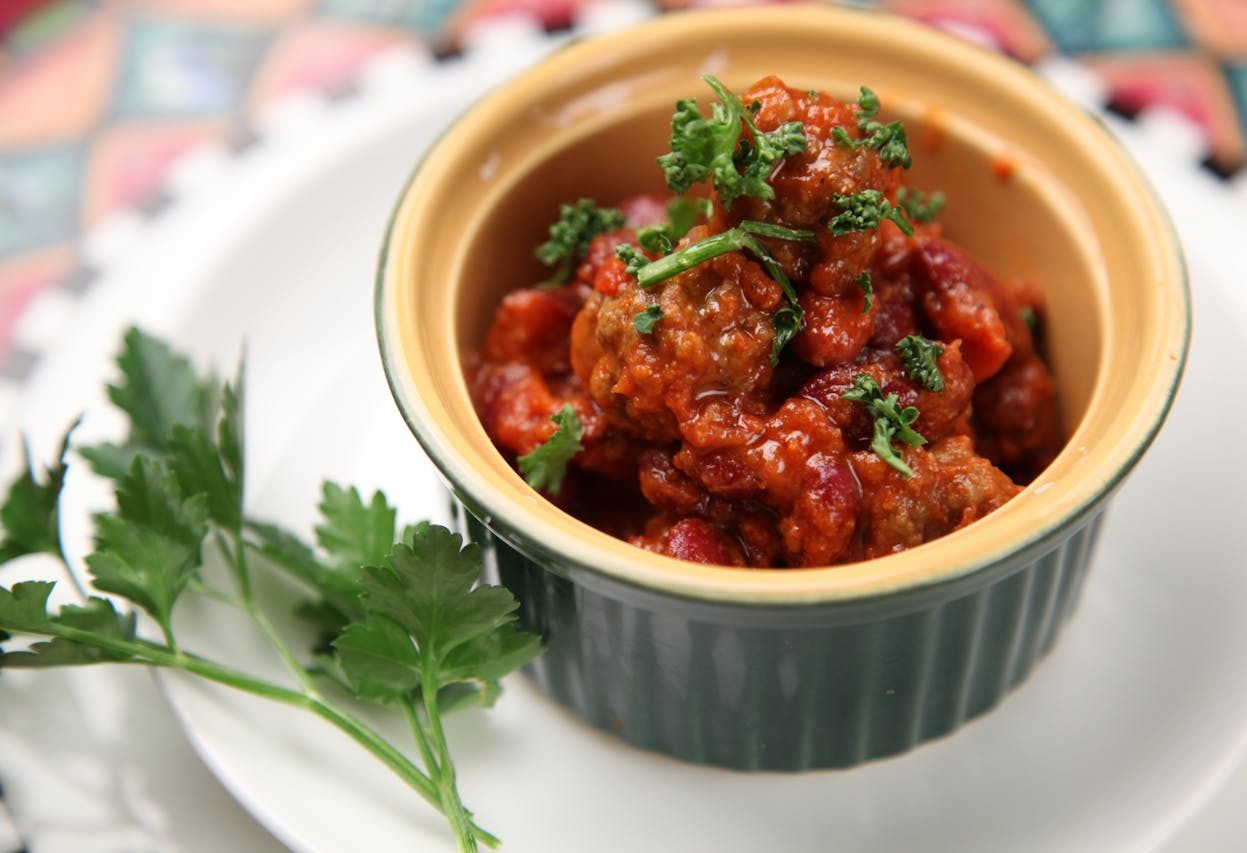
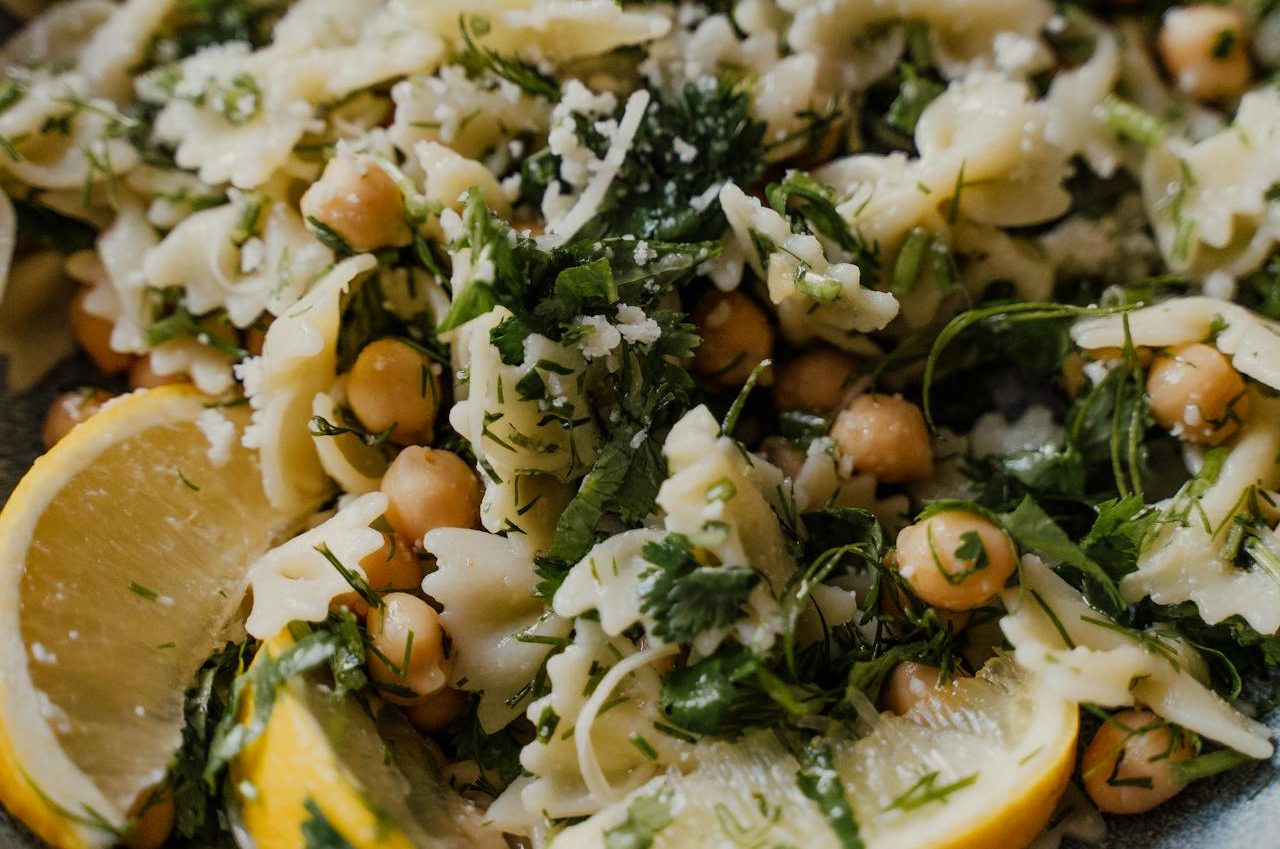
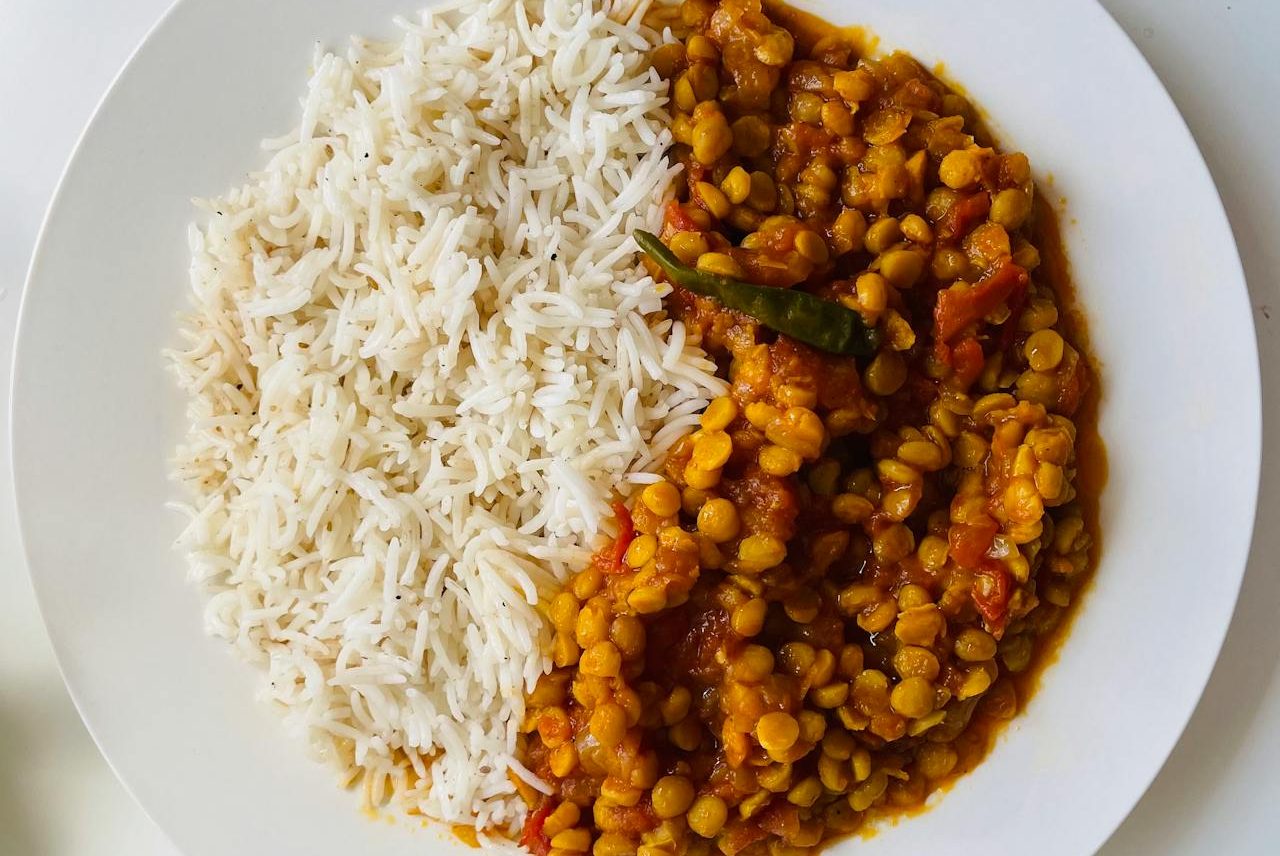
- Lentils, beans, and chickpeas
- Tofu
- Nuts and seeds
- Whole grains and fortified cereals
- Dark green vegetables (spinach, kale, broccoli)
- Dried fruit (apricots, raisins)
A balanced diet with a mix of these foods usually provides enough iron.
Who Is Most at Risk of Iron Deficiency?
Some groups need more iron or are more likely to become deficient:
- Pregnant women
- Women with heavy periods
- Infants and young children
- Vegetarians and vegans
- Older adults
- Endurance athletes
- People with certain medical conditions (e.g. kidney disease)
Should You Take Iron Supplements?
Most people can meet their iron needs through diet alone. However, supplements may be recommended if you have low iron levels or anaemia.
Important points:
- Only take iron tablets if advised by a doctor
- High doses can cause side effects like constipation and nausea
- Always check whether the label refers to elemental iron (the usable amount)
Can You Have Too Much Iron?
Iron toxicity is uncommon but can occur, especially from supplements or certain genetic conditions like haemochromatosis.
Symptoms may include:
- Stomach pain
- Constipation
- Nausea
Long-term excess iron can damage organs, so supplementation should always be guided by a healthcare professional.
Guidance from UK Experts
NHS Advice
The NHS recommends getting iron from a balanced diet whenever possible. They highlight that:
- Haemoglobin production depends on adequate iron intake
- Vitamin C helps absorption
- Tea can reduce iron absorption if consumed with meals
- Supplements should only be taken when advised by a doctor
British Dietetic Association (BDA)
The British Dietetic Association (BDA) emphasises that:
- Iron is essential for energy, immunity, and growth
- Red meat is a rich but limited source (moderation is advised)
- Plant-based diets can meet iron needs with careful planning
- Many UK foods, including bread and cereals, are fortified with iron
Takeaway
Iron is essential for energy, oxygen transport, and overall health. Most people can get enough from a varied diet, but some groups need to be more mindful of their intake. Pairing iron-rich foods with vitamin C and limiting inhibitors like tea at mealtimes can make a real difference. If you’re feeling persistently tired or suspect low iron, it’s worth speaking to your GP.
❓ FAQ — Iron in Your Diet
1. What are the early signs of low iron?
Tiredness, weakness, and difficulty concentrating are often the first signs.
2. Can vegetarians get enough iron?
Yes, by eating a variety of plant-based foods and pairing them with vitamin C.
3. Is spinach a good source of iron?
Yes, but it contains non-haem iron, which is less easily absorbed.
4. Should I avoid tea if I have low iron?
It’s best to avoid tea with meals, as it can reduce iron absorption.
5. How long does it take to fix iron deficiency?
With treatment, it can take several weeks to months to restore levels.
6. Are iron supplements safe?
They are safe when taken as prescribed but can cause side effects if overused.
7. Do men need to worry about iron intake?
Less commonly than women, but poor diet or health conditions can still lead to deficiency.
8. Can you get too much iron from food?
It’s rare—excess iron usually comes from supplements or medical conditions.
This content is for educational purposes and does not replace medical advice…
About the author
Lilla Fonyo is a healthy lifestyle and longevity writer with a background in endurance running, nutrition, and mindful living. She focuses on sustainable habits that support long-term physical and mental wellbeing.
Sources:
www.nutritionsource.hsph.harvard.edu – Iron
www.esht.nhs.uk - Iron in your diet
www.bda.uk.com - Iron
www.redcrossblood.org - Iron Rich Foods
www.healthdirect.gov.au - Foods high in iron