12 Science-Backed Health Benefits of Courgette
Why this versatile summer squash deserves a place on your plate
By Lilla Fonyo — Healthy Lifestyle & Longevity Writer
Last Update July 2026
Quick Summary
Courgette (Zucchini) is one of the easiest vegetables—technically a fruit—to add to a healthy diet. It's naturally low in calories, packed with water, fibre, vitamins and antioxidants, and can be enjoyed in everything from salads to soups and pasta dishes. Research suggests that eating courgette regularly may support digestive health, heart health, healthy blood sugar levels and eye health, while also helping with weight management. Although more research is needed in some areas, it's a nutritious ingredient that fits well into a balanced lifestyle.
Related Articles:
Benefits of Eating Cabbage - Discover the top 15 health benefits of cabbage — from heart and gut health to weight control — plus easy ways to enjoy it every day.
Asparagus - Health Benefits - Learn how asparagus supports digestion, immunity, heart health and more, plus easy ways to enjoy this versatile spring vegetable.
The 13 Healthiest Root Vegetables - From beets to turmeric, discover 13 root vegetables packed with nutrients, antioxidants, and flavour to boost your meals and health.
Quinoa: The Small Seed That Does It All - Discover easy quinoa recipes, health benefits and cooking tips in this friendly guide to quick, nutritious meals any time of day.
Best Spring Vegetables to Eat Now for Health and Fresh Flavour - Discover the best spring vegetables, their health benefits and how to cook seasonal produce for fresher, tastier meals.
Why Iron Is Important: Benefits, Foods & Deficiency Signs - Learn why iron is essential, signs of deficiency, best foods, and expert UK advice.
The Truth About Superfoods: Myth vs Reality Explained - Discover the truth about superfoods, myths vs facts, and what really makes a healthy diet work long-term.
What is a plant-based diet - Learn what a plant-based diet is, its health benefits, NHS guidance and simple tips to start eating more plant foods today.
The 30-Plants-a-Week Habit - Discover the easy way to try the “30 plants a week” approach and support your gut health with simple, enjoyable changes.
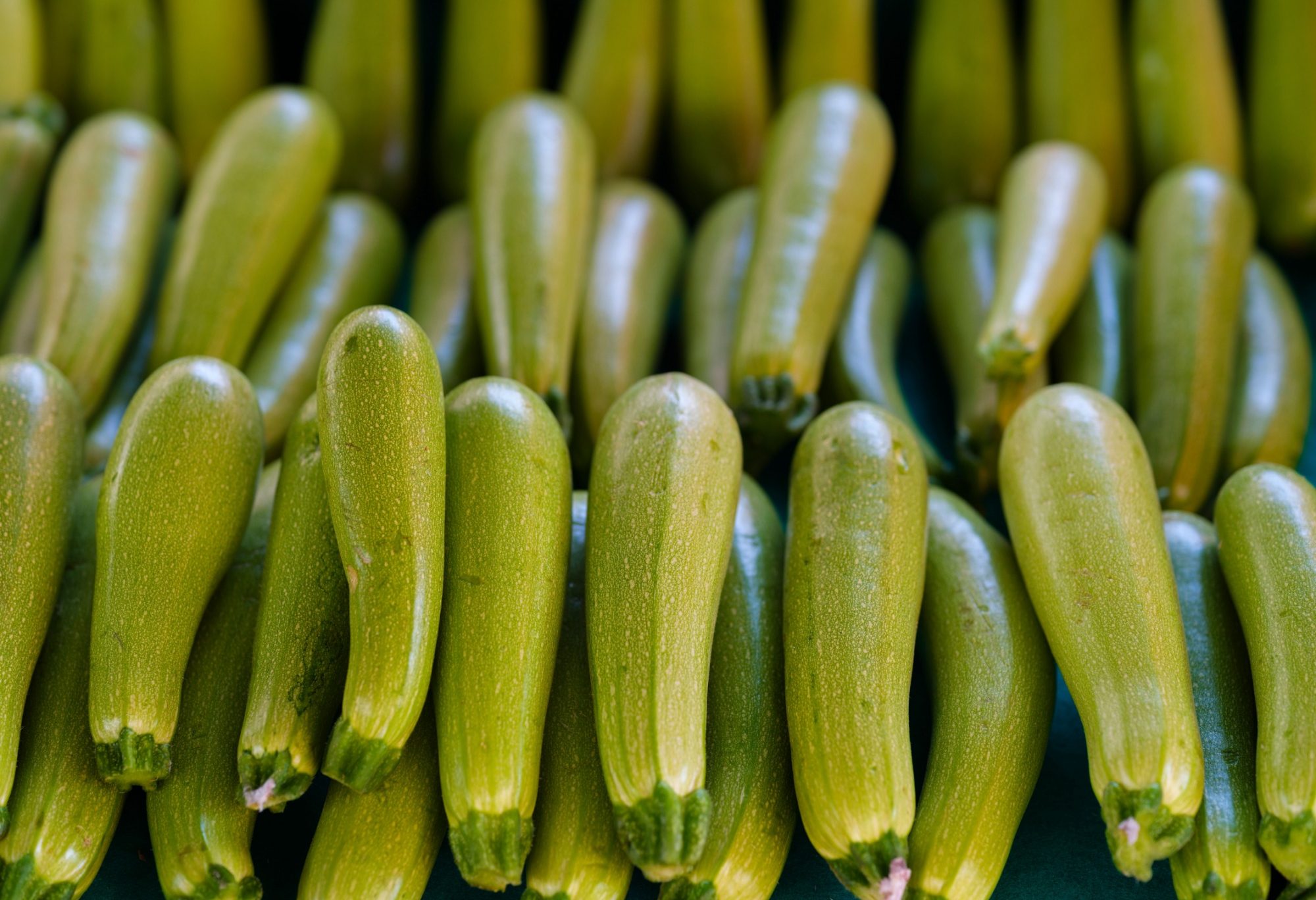
What is a courgette?
Courgette, known as zucchini in North America, is a type of summer squash belonging to the Cucurbitaceae family, alongside cucumbers, pumpkins and melons. Although it's commonly used as a vegetable in cooking, it's actually classified as a fruit because it develops from the flower and contains seeds.
Originally descended from squash varieties grown in Central and South America thousands of years ago, the modern courgette was first cultivated in Italy during the 19th century. Today, it has become a staple ingredient in kitchens around the world thanks to its mild flavour, versatility and impressive nutritional profile.
Courgettes are typically harvested while they're still young and tender, usually measuring less than 20 centimetres long. They come in several varieties, including dark green, light green and bright yellow, all offering similar nutritional benefits.
One of the best things about courgettes is how easy they are to cook with. They can be eaten raw, grilled, roasted, steamed, stir-fried or spiralised into "courgetti" as a lighter alternative to pasta.
1. Rich in essential nutrients
Courgettes may be low in calories, but they're surprisingly rich in nutrients that support overall health. A serving provides valuable amounts of vitamin C, vitamin A, folate, potassium and manganese, along with smaller amounts of magnesium, vitamin K and several B vitamins.
These nutrients play important roles throughout the body. Vitamin C supports the immune system and helps your body produce collagen for healthy skin and connective tissue. Vitamin A contributes to healthy eyesight, while potassium helps regulate normal muscle function and blood pressure.
Another advantage is that courgettes contain very little fat and only a small amount of carbohydrate, making them a nutritious option for almost any eating pattern.
For the greatest nutritional value, try to keep the skin on whenever possible, as many beneficial nutrients and antioxidants are concentrated there.
2. Packed with protective antioxidants
Courgettes contain a variety of naturally occurring antioxidants that help protect the body's cells from damage caused by unstable molecules known as free radicals. Over time, excess free radical damage may contribute to ageing and increase the risk of certain chronic diseases.
Some of the most important antioxidants found in courgettes include:
- Lutein
- Zeaxanthin
- Beta-carotene
- Vitamin C
These compounds are particularly well known for supporting eye health, but they may also benefit the skin, heart and immune system.
Interestingly, yellow varieties of courgette often contain slightly higher levels of certain carotenoids than green varieties. Regardless of colour, leaving the skin intact helps maximise antioxidant intake.
A diet rich in colourful vegetables, including courgettes, is widely recommended as part of a healthy eating pattern because it provides a broad range of plant compounds that work together to support long-term wellbeing.
3. Supports healthy digestion
If you're looking for foods that are gentle on the digestive system, courgette is an excellent choice.
Around 95% of a courgette is water, helping to keep stools soft and making them easier to pass. This high water content also contributes to daily hydration.
Courgettes provide both soluble and insoluble fibre, each with different benefits.
Insoluble fibre adds bulk to stools and encourages regular bowel movements, helping to reduce the risk of constipation. Soluble fibre, on the other hand, feeds the beneficial bacteria living in your gut. These friendly bacteria produce compounds known as short-chain fatty acids, which help nourish the cells lining the digestive tract.
A healthy gut microbiome has been linked with improved digestion, stronger immunity and reduced inflammation, making fibre-rich vegetables like courgette an important part of a balanced diet.
4. May help support healthy blood sugar levels
Courgettes are naturally low in carbohydrates, making them a popular ingredient among people aiming to manage their blood sugar levels or reduce their overall carbohydrate intake.
Many people use spiralised courgette, often called courgetti, instead of traditional pasta, or layer sliced courgette in place of lasagne sheets. These simple swaps can reduce the carbohydrate content of a meal while increasing vegetable intake.
The fibre found in courgettes also slows the digestion and absorption of carbohydrates, helping blood sugar levels rise more gradually after eating.
Some early laboratory and animal studies have suggested that compounds found in courgette skin may improve insulin sensitivity and help regulate blood sugar. However, more high-quality studies involving people are needed before firm conclusions can be drawn.
For most people, courgettes work best as part of an overall healthy eating pattern that includes plenty of vegetables, whole grains, lean protein and healthy fats.
5. May promote a healthy heart
Looking after your heart involves more than simply reducing saturated fat. Eating plenty of vegetables rich in fibre, potassium and antioxidants also plays an important role.
Courgettes tick all of these boxes.
Their soluble fibre, particularly a type called pectin, has been linked with helping maintain healthy cholesterol levels. Meanwhile, potassium helps balance the effects of sodium in the diet and supports healthy blood pressure.
The carotenoid antioxidants found in courgettes may also help reduce oxidative stress, which is thought to contribute to the development of cardiovascular disease over time.
Although no single food can prevent heart disease, regularly including vegetables like courgettes as part of a Mediterranean-style eating pattern may help support long-term cardiovascular health.
6. Helps support healthy vision
Your eyes rely on a steady supply of nutrients to stay healthy, and courgettes provide several that are particularly beneficial for vision.
They contain lutein and zeaxanthin, two carotenoid antioxidants that naturally accumulate in the retina. These compounds help filter harmful blue light and protect the eyes from oxidative damage caused by everyday exposure to sunlight and ageing.
Courgettes also provide vitamin C and beta-carotene, both of which contribute to maintaining healthy eye tissues.
Research suggests that diets rich in lutein and zeaxanthin may reduce the risk of age-related eye conditions such as macular degeneration and cataracts. While no single food can guarantee healthy eyesight, regularly eating colourful vegetables like courgette can help support eye health throughout life.
7. May help with healthy weight management
If you're trying to maintain or lose weight, courgette is an excellent ingredient to include in your meals.
It's naturally low in calories while containing plenty of water and fibre. This combination helps you feel fuller for longer, making it easier to manage hunger between meals.
Because of its mild flavour, courgette can also replace higher-calorie ingredients in many recipes. Spiralised courgette, often called courgetti, makes a lighter alternative to pasta, while grated courgette adds moisture and nutrients to muffins, soups and casseroles without significantly increasing calories.
Studies consistently show that eating more vegetables is associated with maintaining a healthy body weight. Swapping some refined carbohydrates for vegetables such as courgette is a simple way to improve the nutritional quality of your meals.
8. Contributes to healthy bones
Strong bones require more than just calcium. A variety of vitamins, minerals and plant compounds work together to support bone health, and courgette provides several of them.
It contains vitamin K, magnesium and manganese, all of which contribute to maintaining healthy bones. In addition, the antioxidants lutein and zeaxanthin may help reduce oxidative stress, which is thought to play a role in age-related bone loss.
Although courgette shouldn't be viewed as a replacement for calcium-rich foods, it can certainly contribute to a balanced diet that supports healthy bones alongside regular weight-bearing exercise and adequate vitamin D intake.

9. May contain compounds with cancer-protective potential
Scientists continue to study the natural compounds found in vegetables and how they may influence long-term health. Courgettes contain antioxidants and plant chemicals that have attracted interest for their potential protective effects.
Laboratory and animal studies have found that certain courgette extracts may help slow the growth of some cancer cells or encourage damaged cells to undergo natural cell death. However, these findings do not mean that eating courgettes can prevent or treat cancer.
More research involving people is needed before clear conclusions can be reached.
What we do know is that eating a diet rich in vegetables is consistently linked with a lower risk of several chronic diseases, including some cancers. Courgette is one nutritious option that can contribute to this overall healthy eating pattern.
10. May support prostate health
Early research has suggested that compounds found in courgette seeds could help support prostate health, particularly in older men experiencing symptoms of benign prostatic hyperplasia (BPH), also known as an enlarged prostate.
Most of the available evidence comes from laboratory and animal studies, so more human research is needed before health professionals can make firm recommendations.
Even so, including nutrient-rich vegetables such as courgette as part of a balanced diet supports overall health and may complement other healthy lifestyle habits associated with ageing well.
11. May help support normal thyroid function
The thyroid gland helps regulate metabolism, energy production and many other essential processes throughout the body.
Some animal studies have explored whether compounds found in courgette peel could help maintain healthy thyroid hormone activity. While the early findings are interesting, they haven't yet been confirmed in human studies.
At present, there's not enough evidence to recommend eating courgette specifically for thyroid health. However, its wide range of vitamins, minerals and antioxidants makes it a valuable addition to a varied, nutritious diet.
12. Easy to add to your diet
One of the greatest advantages of courgette is its versatility. Its mild taste means it works well in countless sweet and savoury dishes.
Here are a few simple ideas:
- Slice it into fresh summer salads.
- Roast it with olive oil, garlic and herbs.
- Add it to soups, stews and casseroles.
- Grill it alongside fish, chicken or vegetables.
- Stir-fry it with peppers, mushrooms and onions.
- Use spiralised courgette as a lighter pasta alternative.
- Layer slices into homemade lasagne.
- Stuff larger courgettes with vegetables, rice or lean mince before baking.
- Grate it into muffins, breads or pancakes for extra moisture.
- Add diced courgette to omelettes, frittatas or pasta sauces.
Don't forget that the flowers are edible too and are considered a delicacy in many Mediterranean cuisines.
What does the research say? (PubMed overview)
Scientific research published in PubMed has investigated several of the natural compounds found in Cucurbita pepo (courgette). Laboratory and animal studies suggest that courgette contains antioxidants and phytochemicals with anti-inflammatory, anti-genotoxic and potential anti-cancer properties.
Researchers have found that extracts from both the flesh and skin may help protect cells from oxidative damage and encourage the natural removal of damaged cells under laboratory conditions. Yellow varieties appeared particularly rich in certain protective compounds.
It's important to remember that these findings come mainly from laboratory and animal research. More high-quality clinical studies involving people are needed before these effects can be confirmed. Nevertheless, the research supports the idea that regularly eating antioxidant-rich vegetables such as courgette can form part of a healthy, balanced diet.
Takeaway
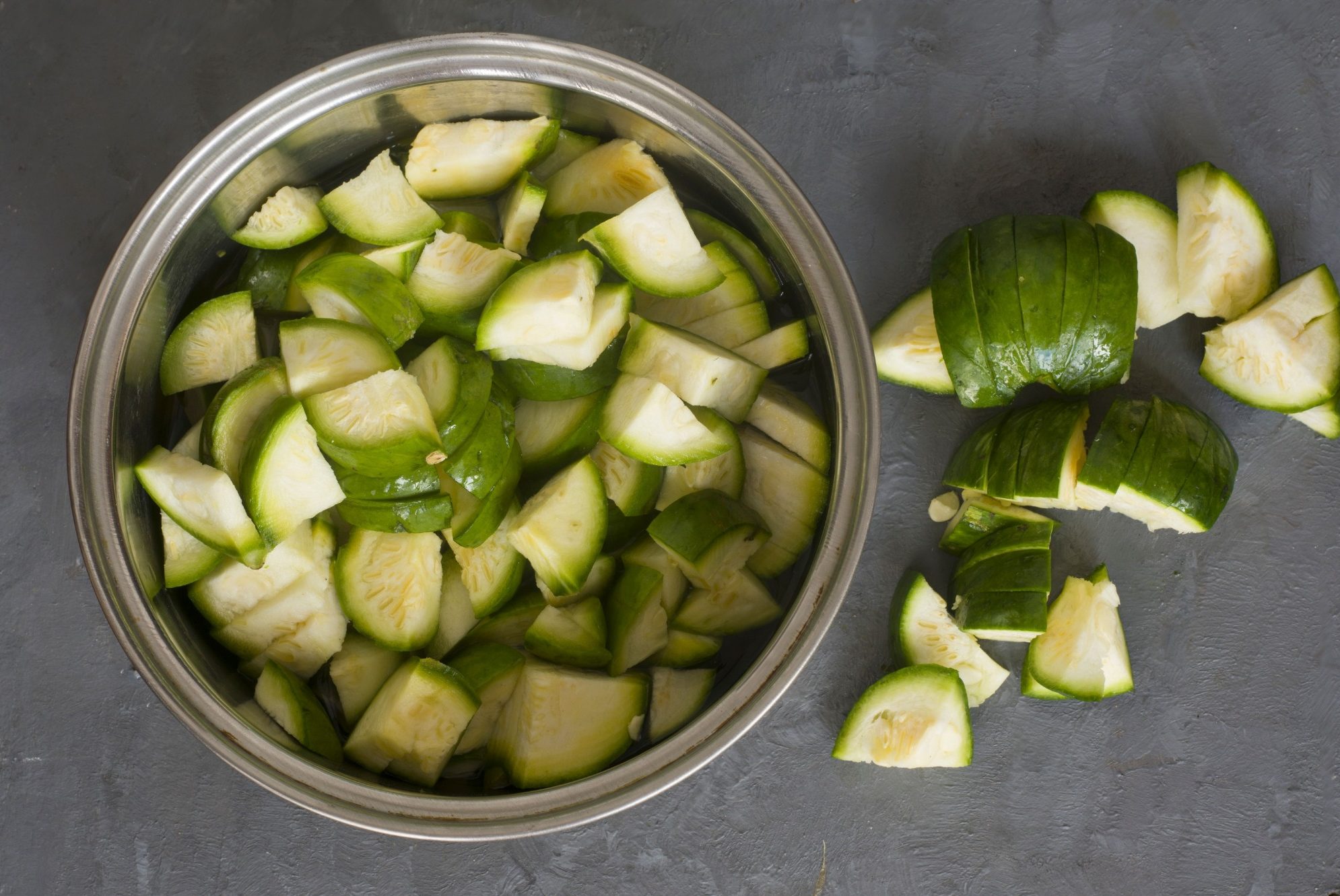
Courgette is a simple, affordable and highly nutritious food that deserves a regular place on your shopping list. Rich in vitamins, minerals, fibre and antioxidants, it offers a wide range of potential health benefits, from supporting digestion and heart health to helping maintain healthy vision and body weight.
While some of the more exciting research into cancer prevention, prostate health and thyroid function is still in its early stages, there's already strong evidence that eating more vegetables like courgette contributes to better overall health.
Whether you roast it, grill it, spiralise it or enjoy it raw, courgette is an easy way to add more goodness to your everyday meals.
❓ FAQ: Health Benefits of Courgette
Is courgette the same as zucchini?
Yes. "Courgette" is the name commonly used in the UK and many other countries, while "zucchini" is the American term. They are exactly the same fruit.
Can you eat courgette raw?
Yes. Young, fresh courgettes can be eaten raw in salads, ribbons or as part of vegetable platters. Always wash them thoroughly before eating.
Is courgette good for weight loss?
It can certainly help. Courgette is naturally low in calories, high in water and contains fibre, making it a filling ingredient that fits well into a calorie-controlled diet.
Should you eat the skin?
Yes. The skin contains many of the vegetable's antioxidants, vitamin C and other beneficial nutrients, so there's no need to peel it unless a recipe specifically requires it.
Is courgette suitable for people with diabetes?
Courgette is low in carbohydrates and contains fibre that may help support healthy blood sugar levels. It can be a useful addition to a balanced diet for people with diabetes, although individual dietary advice should always come from a healthcare professional.
Are yellow and green courgettes equally healthy?
Both varieties are highly nutritious. Yellow courgettes may contain slightly higher levels of certain carotenoids, but both offer excellent nutritional value.
Can you eat courgette every day?
For most people, yes. Eating a variety of vegetables each day is recommended, and courgette is a healthy option that can be enjoyed regularly as part of a balanced diet.
Are there any risks to eating courgette?
Courgette is generally very safe to eat. However, if a courgette tastes unusually bitter, it's best not to eat it, as bitterness may indicate naturally occurring compounds called cucurbitacins, which can occasionally cause digestive upset.
This content is for educational purposes and does not replace medical advice…
About the author
Lilla Fonyo is a healthy lifestyle and longevity writer with a background in endurance running, nutrition, and mindful living. She focuses on sustainable habits that support long-term physical and mental wellbeing.
Sources:
www.healthline.com - 12 Health and Nutrition Benefits of Zucchini
www.webmd.com - Health Benefits of Zucchini
www.pmc.ncbi.nlm.nih.gov - Role of Zucchini and Its Distinctive Components in the Modulation of Degenerative Processes: Genotoxicity, Anti-Genotoxicity, Cytotoxicity and Apoptotic Effects
www.hollandandbarrett.com - Courgette guide: Calories, nutrition & benefits
www.health.clevelandclinic.org - Is Zucchini Good for You?
Link: https://health.clevelandclinic.org/zucchini-health-benefits