7 Natural Ways to Boost Lymphatic Flow and Feel Less Bloated, More Energised
By Lilla Fonyo — Healthy Lifestyle & Longevity Writer
October 2026
Quick Summary
The lymphatic system plays a vital role in removing excess fluid, supporting immunity, and helping the body clear waste products. Unlike the circulatory system, it does not have its own pump and relies on movement, breathing, and muscle activity to keep lymph fluid flowing. Regular exercise, deep breathing, staying hydrated, maintaining a healthy weight, and eating an anti-inflammatory diet are some of the most effective natural ways to support healthy lymphatic function. According to NHS and cancer-care specialists, physical activity is one of the most important factors in encouraging lymph drainage and preventing fluid stagnation. [patientinf...den.nhs.uk], [dchft.nhs.uk], [nhs.uk]
Related Articles:
Can Food Increase Oestrogen - Learn which foods may naturally support healthy oestrogen levels, what phytoestrogens really do and the science behind menopause nutrition.
Food Noise Explained - Food noise is not a personal failure—it’s your brain doing its job, sometimes a little too loudly.
The 30-Plants-a-Week Habit - Discover the easy way to try the “30 plants a week” approach and support your gut health with simple, enjoyable changes..
Best Exercises for Longevity - Discover the best exercises for longevity, strength, mobility, heart health, and healthy ageing backed by expert research.
Strength Training for Over 40s: Build Muscle & Protect Health - Strength training for over 40s made simple. Build muscle, protect bones, boost heart health and stay strong with expert-backed advice.
Low-Impact Exercise - Gentle Movement That Still Gets Results - Discover the benefits of low-impact exercise and how gentle workouts can improve strength, mobility, mood and long-term health.
Asian Pilates: The Gentle Fitness Trend - Discover Asian Pilates — a mindful blend of classical Pilates, Tai Chi, and yoga that builds strength, balance, and inner calm.
The Hidden System That Keeps Your Body Healthy: How to Improve Lymph Flow Naturally
When people think about circulation, they usually think about the heart pumping blood around the body. However, there is another important network working behind the scenes: the lymphatic system.
This complex network of vessels, lymph nodes, and organs helps clear excess fluid from tissues, transports immune cells, and contributes to the body's natural defence against infection. When lymph flow becomes sluggish, some people may experience bloating, puffiness, swelling, heaviness, or fatigue. The good news is that there are several natural ways to support lymphatic circulation and overall wellbeing. [nhs.uk], [mayoclinic.org]
What Is the Lymphatic System?
The lymphatic system is a network of vessels and glands that runs throughout the body. Its main roles include:
- Removing excess fluid from tissues
- Supporting the immune system
- Transporting infection-fighting cells
- Helping remove waste products from the body
Unlike the cardiovascular system, the lymphatic system does not have a central pump. Instead, lymph moves through the body primarily through muscle contractions, breathing movements, and normal daily physical activity. [nhs.uk], [mayoclinic.org]
1. Walk More Every Day
Walking is one of the simplest and most effective ways to encourage healthy lymph flow.
Every step activates muscles in the legs and core, which act like natural pumps that help move fluid through the lymphatic vessels. NHS lymphoedema specialists note that muscular activity is essential for promoting lymph drainage and reducing fluid build-up. [patientinf...den.nhs.uk], [dchft.nhs.uk], [cancerresearchuk.org]
Try this:
- Aim for 20 to 30 minutes of brisk walking daily.
- Break it into shorter walks if needed.
- Add a few hills or stairs for extra muscle activation.
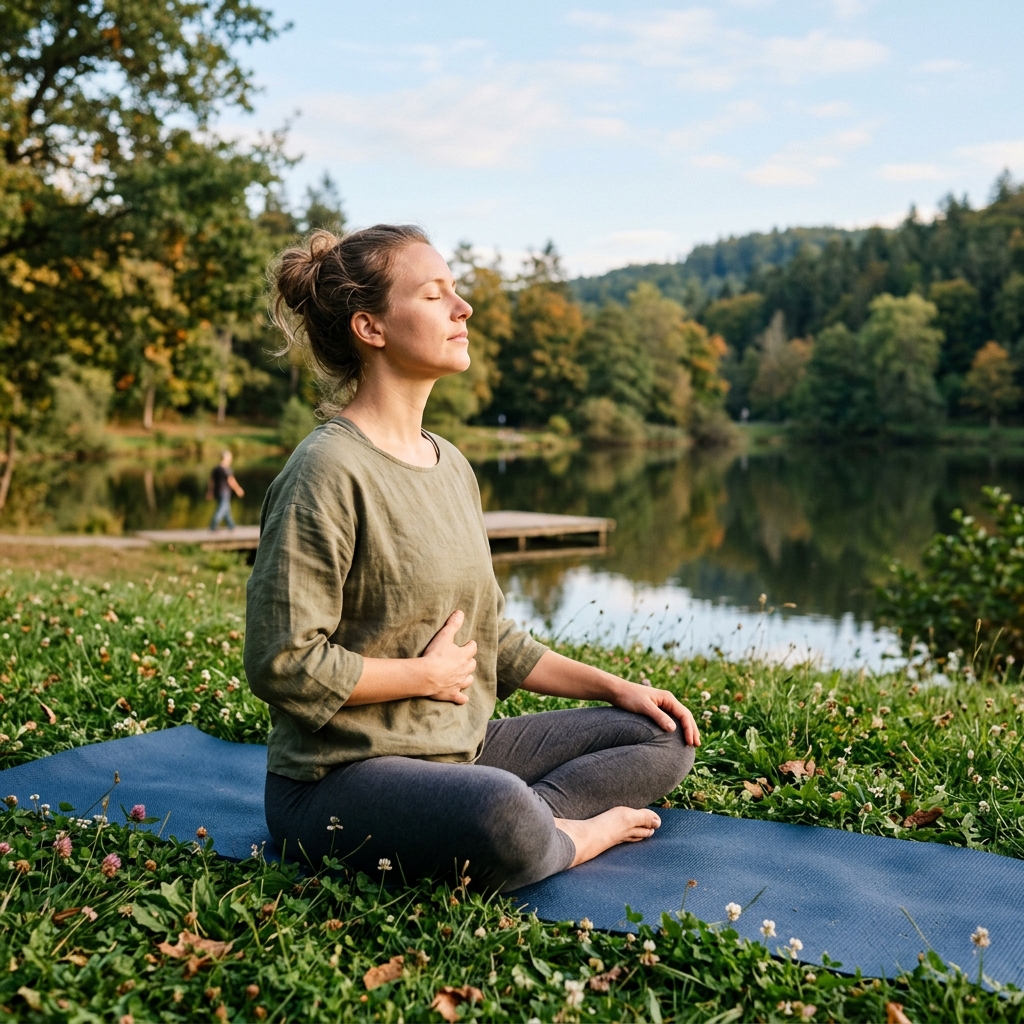
2. Practise Deep Belly Breathing
Breathing deeply may be one of the most overlooked tools for lymphatic health.
Deep diaphragmatic breathing changes pressure within the chest cavity and encourages movement of lymph fluid through deeper lymphatic vessels. Many lymphoedema specialists recommend breathing exercises as part of daily lymphatic support. [patientinf...den.nhs.uk], [dchft.nhs.uk]
Simple breathing exercise:
- Sit comfortably.
- Breathe in through your nose for four seconds.
- Allow your belly to expand.
- Exhale slowly for six seconds.
- Repeat for five to ten breaths.
3. Keep Your Body Hydrated
Proper hydration supports normal fluid balance throughout the body.
While drinking more water does not directly "flush" the lymphatic system, dehydration can impair fluid movement and circulation. Consistent hydration helps maintain optimal bodily functions and supports healthy tissue fluid balance.
Helpful tip:
Rather than drinking large amounts at once, sip water regularly throughout the day.
4. Choose Lymph-Friendly Exercise
Almost any form of movement can support lymph circulation.
Research and clinical guidance suggest that activities such as swimming, cycling, yoga, Pilates, Tai Chi, and gentle strength training can all help improve lymph drainage by activating muscles and encouraging circulation. [dchft.nhs.uk], [cancerresearchuk.org], [patientinf...den.nhs.uk]
Some experts consider swimming especially beneficial because the natural pressure of water may assist fluid movement while providing a full-body workout. [dchft.nhs.uk], [cancerresearchuk.org]
5. Maintain a Healthy Weight
Carrying excess weight can place additional strain on the lymphatic system.
Healthcare professionals recognise obesity as a significant risk factor for lymphatic dysfunction and lymphoedema. Maintaining a healthy weight through balanced nutrition and regular activity can help reduce pressure on the lymphatic network. [patientinf...den.nhs.uk], [dchft.nhs.uk]
6. Eat an Anti-Inflammatory Diet
Although no specific food can "cleanse" the lymphatic system, a nutrient-rich diet may help reduce inflammation and support overall health.
Focus on:
- Colourful vegetables
- Berries and fruits
- Oily fish such as salmon or sardines
- Nuts and seeds
- Extra virgin olive oil
- Whole grains
- Beans and lentils
Try to limit:
- Highly processed foods
- Excess added sugar
- Excessive alcohol
- Frequent fried foods
A generally healthy diet may help support normal immune and circulatory function.
7. Avoid Sitting for Too Long
Modern lifestyles often involve prolonged sitting, which can reduce movement and contribute to fluid pooling, particularly in the legs.
Experts recommend regular movement breaks throughout the day. Even standing up, stretching, or taking a brief walk every hour may help maintain healthy circulation and lymphatic activity.
Easy office routine:
- Stand every 60 minutes.
- Walk for two to five minutes.
- Stretch your shoulders and calves.
- Take several deep breaths.
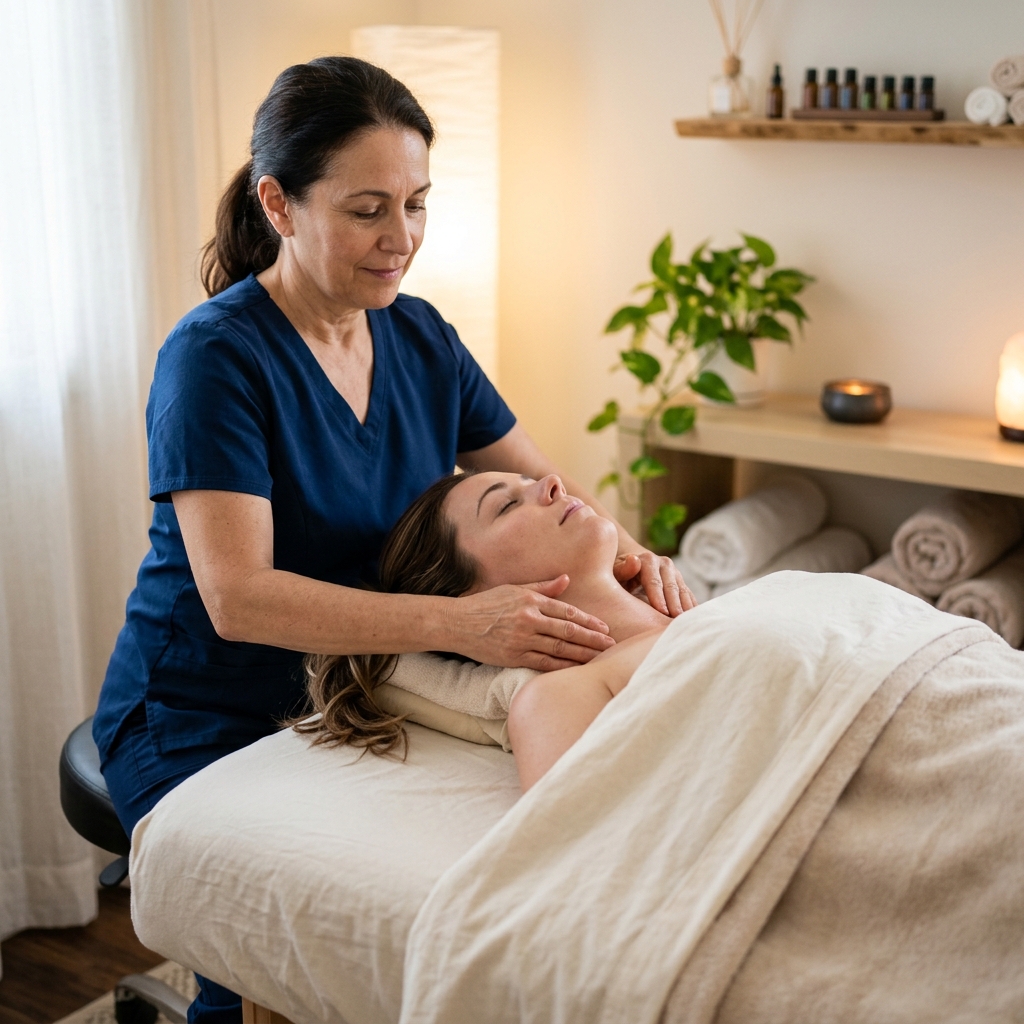
What About Lymphatic Massage?
Manual Lymphatic Drainage (MLD) is a specialised technique performed by trained therapists. It uses gentle movements to help direct fluid towards healthy lymph vessels and lymph nodes. It is commonly used as part of lymphoedema management. [mayoclinic.org]
However, lymphatic massage is not suitable for everyone. Individuals with active infections, blood clots, or certain medical conditions should seek professional advice before treatment. [mayoclinic.org]
What the Experts Say
NHS
The NHS explains that the lymphatic system helps remove excess fluid and supports immunity. Reduced movement can contribute to lymphatic problems, while physical activity helps promote lymph circulation and reduce swelling. [nhs.uk], [dchft.nhs.uk]
Cancer Research UK
Cancer Research UK highlights that movement and exercise help muscles contract and push lymph through the lymphatic vessels. Research suggests that exercise does not worsen lymphoedema and may improve quality of life. [cancerresearchuk.org]
Mayo Clinic
The Mayo Clinic recommends gentle exercise, compression therapies where appropriate, and specialised lymphatic drainage techniques as important components of managing impaired lymphatic function. [mayoclinic.org]
Published Research (PubMed)
Studies published in PubMed-indexed journals suggest that regular exercise, weight management, and healthy lifestyle habits contribute positively to lymphatic function and lymphoedema prevention and management. Many researchers also recognise the growing importance of physical activity in improving lymph transport and overall wellbeing.

Takeaway
Supporting your lymphatic system does not require expensive detoxes or complicated cleanses.
The most effective strategies are often the simplest:
✅ Walk daily
✅ Move regularly throughout the day
✅ Practise deep breathing
✅ Stay hydrated
✅ Maintain a healthy weight
✅ Eat a nutrient-rich diet
✅ Consider professional lymphatic massage if appropriate
Small daily habits can make a meaningful difference to circulation, energy levels, and overall health.
❓FAQ: 7 Natural Ways to Boost Lymphatic Flow
Can you detox your lymphatic system?
There is no scientific evidence that special detox products or cleanses remove toxins from the lymphatic system. The body naturally removes waste through the lymphatic system, kidneys, liver, and digestive tract. Supporting these systems through healthy lifestyle choices is the best approach.
What are signs of poor lymphatic flow?
Possible symptoms may include swelling, puffiness, a feeling of heaviness in the limbs, reduced mobility, or recurrent infections. Persistent swelling should always be assessed by a healthcare professional. [nhs.uk], [mayoclinic.org]
Is walking good for lymphatic drainage?
Yes. Walking activates muscles throughout the body, particularly in the legs, helping lymph fluid move more efficiently through the lymphatic vessels. [dchft.nhs.uk], [cancerresearchuk.org]
Does drinking more water improve lymph flow?
Staying hydrated supports normal fluid balance and healthy body function, although simply drinking excessive amounts of water will not "flush" the lymphatic system.
Is rebounding good for the lymphatic system?
Many people enjoy rebounding on a mini trampoline as a way to increase movement and circulation. Although scientific evidence remains limited, it can be a fun way to stay active.
When should I see a doctor?
Seek medical advice if you experience persistent swelling, increasing limb size, redness, pain, skin changes, or recurrent infections. [nhs.uk], [mayoclinic.org]
This content is for educational purposes and does not replace medical advice...
About the author
Lilla Fonyo is a healthy lifestyle and longevity writer with a background in endurance running, nutrition, and mindful living. She focuses on sustainable habits that support long-term physical and mental wellbeing.
Sources:
NHS: Lymphoedema Overview
Royal Marsden NHS Foundation Trust: Exercise for Lymphoedema
Dorset County Hospital: Lymphoedema and Exercise
Cancer Research UK: Exercise, Positioning and Lymphoedema
Mayo Clinic: Lymphedema Diagnosis and Treatment
Mayo Clinic: Lymphedema Symptoms and Causes