The Midlife Movement Secret:
How Post-Meal Walks, Yoga and Tai Chi Can Transform Blood Sugar, Blood Pressure and Mobility After 40
By Lilla Fonyo — Healthy Lifestyle & Longevity Writer
November 2026
Quick Summary
Many women over 40 focus on what they eat, but often overlook when and how they move. Research suggests that simple habits such as taking a short walk after meals, practising gentle yoga, and incorporating tai chi can help improve blood sugar control, support healthy blood pressure, enhance balance, reduce fall risk, and maintain joint mobility as we age. The best part? These activities are accessible, low-impact, and can fit into even the busiest lifestyle. [pmc.ncbi.nlm.nih.gov], [pmc.ncbi.nlm.nih.gov], [pubmed.ncb...lm.nih.gov]
Related Articles:
Asian Pilates Stress Relief Flow: Calm Mind & Body - Relax with this Asian Pilates stress relief flow. Gentle moves to calm your mind, reduce tension and restore balance.
Asian Pilates Beginner Flow: A Gentle, Flexible Way to Move, Breathe and Feel Better - Try a gentle Asian Pilates routine for beginners. Improve strength, mobility and relaxation with this simple 10-minute flow.
Asian Pilates: The Gentle Fitness Trend for Strength and Calm - Discover Asian Pilates — a mindful blend of classical Pilates, Tai Chi, and yoga that builds strength, balance, and inner calm.
Pilates Mental Health Benefits: Reduce Stress, Sleep Better - Discover how Pilates boosts mood, reduces stress, improves sleep and supports mental wellbeing through gentle, mindful movement.
Low-Impact Exercise - Gentle Movement That Still Gets Results - Discover the benefits of low-impact exercise and how gentle workouts can improve strength, mobility, mood and long-term health.
Tai Chi: A Gentle Low-Impact Exercise for Body and Mind - Discover the benefits of Tai Chi, a low-impact exercise that improves balance, reduces stress and supports physical and mental health.
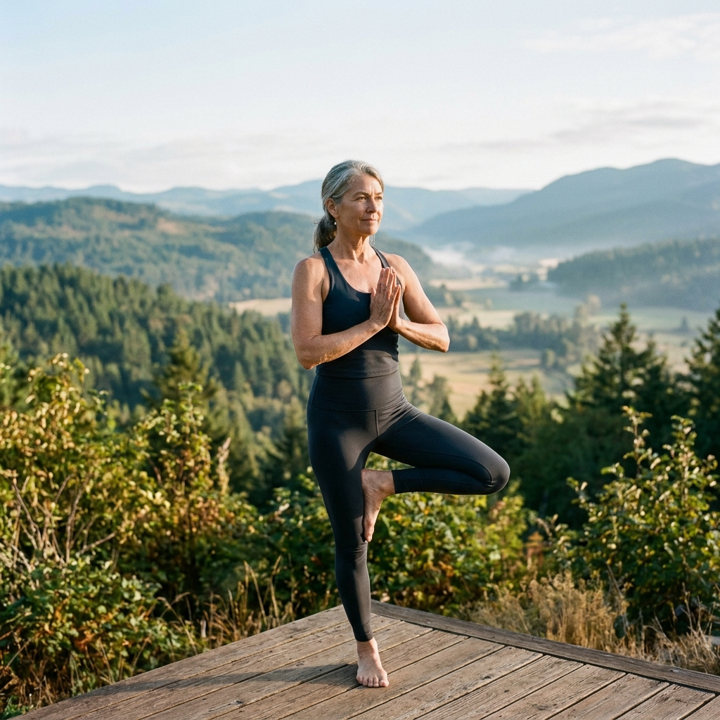
Why Movement Matters More After 40
As women enter their 40s, 50s and beyond, hormonal changes can affect metabolism, muscle mass, insulin sensitivity and cardiovascular health. During perimenopause and menopause, many women notice:
- Increased belly fat
- Higher blood sugar levels
- Rising blood pressure
- Stiff joints
- Reduced balance and stability
- Lower energy levels
While regular exercise remains important, emerging evidence shows that strategic movement throughout the day may be especially beneficial. Three of the most effective approaches are:
- Walking after meals
- Yoga
- Tai chi
Together, they create a powerful foundation for healthy ageing.
The Power of a Post-Meal Walk
One of the easiest ways to support blood sugar control is to take a gentle walk after eating.
When we eat, blood glucose naturally rises. A short walk encourages muscles to use some of that glucose immediately, helping reduce blood sugar spikes. Research reviews have found that physical activity performed shortly after meals can significantly improve post-meal glucose control. [pmc.ncbi.nlm.nih.gov], [pubmed.ncb...lm.nih.gov]
How Much Walking Do You Need?
Good news: you do not need to walk for an hour.
Most studies show benefits from:
- 10-30 minutes of walking
- Moderate pace
- Starting within 15-60 minutes after eating
Even a brisk stroll around the neighbourhood can help. Studies have demonstrated reduced glucose peaks following 30-minute post-meal walks. [pmc.ncbi.nlm.nih.gov], [pubmed.ncb...lm.nih.gov]
Why This Matters for Women Over 40
Better blood sugar management may help:
- Reduce energy crashes
- Improve insulin sensitivity
- Support healthy weight management
- Lower risk of type 2 diabetes
- Reduce cravings later in the day
For women navigating hormonal changes, these benefits can be particularly valuable.
Yoga: More Than Stretching
Many people think yoga is simply about flexibility, but it offers much broader health benefits.
Yoga combines:
- Controlled movement
- Strength building
- Breathing exercises
- Stress management
- Balance training
This combination supports both physical and mental wellbeing.
Yoga and Blood Pressure
A comprehensive meta-analysis of 30 randomised controlled trials found that yoga may help lower both systolic and diastolic blood pressure in people with elevated blood pressure. [pubmed.ncb...lm.nih.gov], [pubmed.ncb...lm.nih.gov]
Researchers believe these benefits are linked to:
- Reduced stress hormones
- Improved nervous system regulation
- Better blood vessel function
- Enhanced relaxation response
Yoga and Blood Sugar
Research also suggests yoga may support glycaemic control and metabolic health, particularly in people at increased risk of diabetes. [europepmc.org], [pubmed.ncb...lm.nih.gov]
Yoga and Mobility
For women over 40, yoga can help:
- Maintain joint range of motion
- Improve hip mobility
- Increase core strength
- Reduce stiffness
- Improve posture
This becomes increasingly important as we age and naturally lose flexibility.
Tai Chi: The Ultimate Balance Booster
Often described as "meditation in motion", tai chi involves slow, flowing movements combined with controlled breathing and concentration.
It is particularly suitable for women who:
- Prefer gentle exercise
- Have joint discomfort
- Are returning to exercise
- Want to improve balance and confidence
Tai Chi and Blood Pressure
Meta-analyses have shown tai chi can significantly reduce blood pressure compared with inactivity. Typical reductions of around 6 mmHg systolic and 3-4 mmHg diastolic have been reported. [pmc.ncbi.nlm.nih.gov], [pmc.ncbi.nlm.nih.gov]
While it may not outperform other aerobic activities, it offers a highly accessible option for many adults. [pmc.ncbi.nlm.nih.gov]
Tai Chi and Fall Prevention
Balance naturally declines with age.
Regular tai chi practice can help improve:
- Coordination
- Postural control
- Body awareness
- Confidence in movement
These improvements may contribute to lower fall risk and better independence later in life.
Tai Chi for Midlife Women
Recent evidence specifically examining middle-aged and older women found that tai chi may improve several cardiometabolic risk factors, particularly blood pressure and cholesterol markers. [pubmed.ncb...lm.nih.gov], [pubmed.ncb...lm.nih.gov]

Why Combining All Three Works So Well
The real magic happens when these habits are combined.
After Meals
Take a 10-20 minute walk.
Two to Three Times Weekly
Complete a gentle yoga session.
Two to Three Times Weekly
Practise tai chi for balance and mobility.
Together, these activities support:
✅ Blood sugar control
✅ Healthy blood pressure
✅ Improved mobility
✅ Better balance
✅ Joint health
✅ Stress reduction
✅ Healthy ageing
Most importantly, they are sustainable habits rather than extreme fitness programmes.
A Simple Weekly Plan for Women Over 40
Daily
- 10-20 minute walk after lunch or dinner
Monday
- 20 minutes yoga
Wednesday
- 20 minutes tai chi
Friday
- 30 minutes yoga
Sunday
- 20-30 minutes tai chi
Consistency matters far more than perfection.
What PubMed Research Says
PubMed is one of the world's leading databases of medical and scientific research.
Key findings from recent studies include:
Post-Meal Walking
Research consistently shows that physical activity performed after meals can reduce post-meal glucose excursions and improve glycaemic control. [pmc.ncbi.nlm.nih.gov], [pubmed.ncb...lm.nih.gov]
Yoga
Systematic reviews suggest yoga may help reduce blood pressure while also supporting metabolic health and stress management. [pubmed.ncb...lm.nih.gov], [europepmc.org]
Tai Chi
Meta-analyses indicate tai chi can lower blood pressure, improve physical function and support cardiovascular health in middle-aged and older adults. [pmc.ncbi.nlm.nih.gov], [pmc.ncbi.nlm.nih.gov], [pubmed.ncb...lm.nih.gov]
The Big Picture
Researchers increasingly recognise that regular, moderate movement spread throughout the day may deliver substantial health benefits without requiring intense exercise programmes. [pmc.ncbi.nlm.nih.gov], [pubmed.ncb...lm.nih.gov]
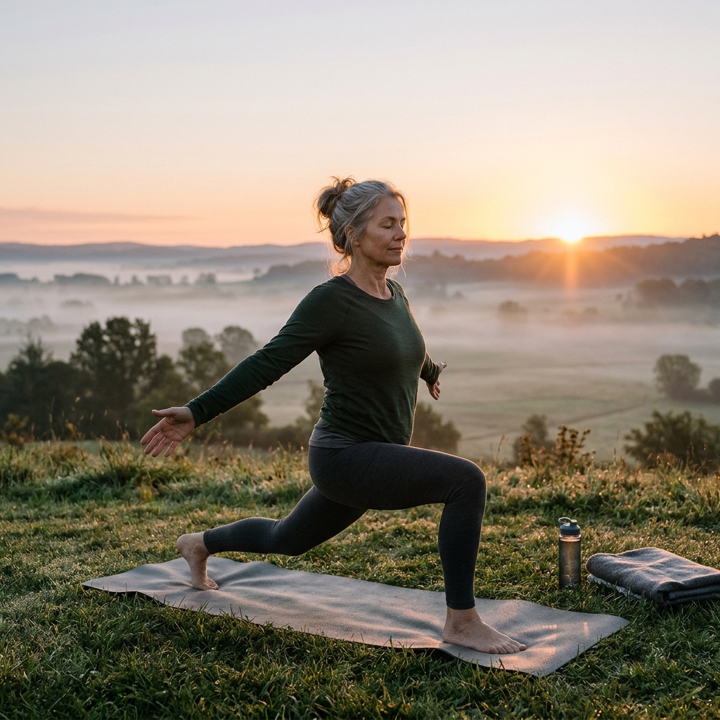
Takeaway
You do not need punishing workouts to protect your health after 40.
A simple post-meal walk can help control blood sugar. Yoga can improve flexibility, strength and stress resilience. Tai chi can enhance balance, mobility and cardiovascular health.
Together, these three gentle practices create a powerful strategy for healthy ageing, helping women stay active, confident and independent for years to come.
Small movements, repeated consistently, often produce the biggest long-term results.
⚠️ Safety Note
Always move within your own comfort range and avoid any movement that causes pain.
If you have a medical condition, injury, dizziness, balance concerns, or are unsure whether a particular exercise is suitable for you, consult a qualified healthcare professional before beginning a new exercise programme.
❓ FAQ: How Post-Meal Walks, Yoga and Tai Chi Can Transform Blood Sugar, Blood Pressure and Mobility After 40
Is walking after meals better than walking at other times?
For blood sugar control, research suggests walking shortly after a meal may be particularly effective because it helps muscles use circulating glucose. [pmc.ncbi.nlm.nih.gov], [pubmed.ncb...lm.nih.gov]
How long should I walk after eating?
Aim for 10-30 minutes. Even shorter walks may provide benefits if performed consistently. [pmc.ncbi.nlm.nih.gov], [pubmed.ncb...lm.nih.gov]
Can yoga lower blood pressure?
Research suggests yoga may contribute to lower blood pressure, especially when practised regularly alongside healthy lifestyle habits. [pubmed.ncb...lm.nih.gov], [pubmed.ncb...lm.nih.gov]
Is tai chi suitable for complete beginners?
Yes. Tai chi is one of the most beginner-friendly forms of exercise and is often recommended for older adults and those with mobility limitations.
What if I have arthritis?
Both yoga and tai chi can often be adapted for people with arthritis. It is sensible to seek guidance from a qualified instructor and consult your healthcare professional if symptoms are severe.
Which is better: yoga or tai chi?
Neither is inherently better. Yoga tends to focus more on flexibility and strength, whereas tai chi emphasises balance, coordination and controlled movement.
Will these activities help with menopause symptoms?
Many women report improvements in stress levels, sleep quality, mobility and overall wellbeing when practising yoga, tai chi and regular walking consistently.
About the author
Lilla Fonyo is a healthy lifestyle and longevity writer with a background in endurance running, nutrition, and mindful living. She focuses on sustainable habits that support long-term physical and mental wellbeing.
Sources:
After Dinner Rest a While, After Supper Walk a Mile? - [pmc.ncbi.nlm.nih.gov]
The Effects of Postprandial Walking on the Glucose Response after Meals - [pubmed.ncb...lm.nih.gov]
Postprandial Exercise and Glycaemic Control Meta-Analysis - [pubmed.ncb...lm.nih.gov]
Yoga for Arterial Hypertension Systematic Review - [pubmed.ncb...lm.nih.gov]
Tai Chi and Essential Hypertension Meta-Analysis - [pmc.ncbi.nlm.nih.gov]
Meta-Analysis of Tai Chi on Blood Pressure - [pmc.ncbi.nlm.nih.gov]