How to Reduce Liver Fat Naturally:
Simple Diet and Lifestyle Changes That Work
By Lilla Fonyo — Healthy Lifestyle & Longevity Writer
August 2026
Quick Summary
Non-alcoholic fatty liver disease (NAFLD), now also known as metabolic dysfunction-associated steatotic liver disease (MASLD), is one of the most common liver conditions in the UK. The good news is that in many cases, liver fat can be reduced or even reversed through healthy lifestyle changes. A balanced diet rich in vegetables, beans, whole grains, oily fish, nuts and olive oil, combined with regular exercise and gradual weight loss, can significantly improve liver health. Reducing added sugar, refined carbohydrates, alcohol and highly processed foods is equally important. Even modest weight loss can make a meaningful difference.
Eat Slower, Live Longer? The Simple Habit That Can Transform Your Health - Discover how slow eating supports digestion, weight control and longevity with simple, science-backed tips.
Best Foods for Healthy Skin and Anti-Ageing - Discover the best foods for healthy skin and anti-ageing, with science-backed insights from nutrition research.
How to Learn Good Habits - Learn how to start small, stay motivated and build habits that last with easy, practical tips for everyday life.
Best Longevity Habits After 40 - Discover the best habits after 40 for longevity, better health, and healthy ageing.
How to Reduce Liver Fat Naturally
Your liver works around the clock to process nutrients, regulate blood sugar, remove toxins and support digestion. However, when excess fat builds up inside liver cells, it can interfere with these vital functions.
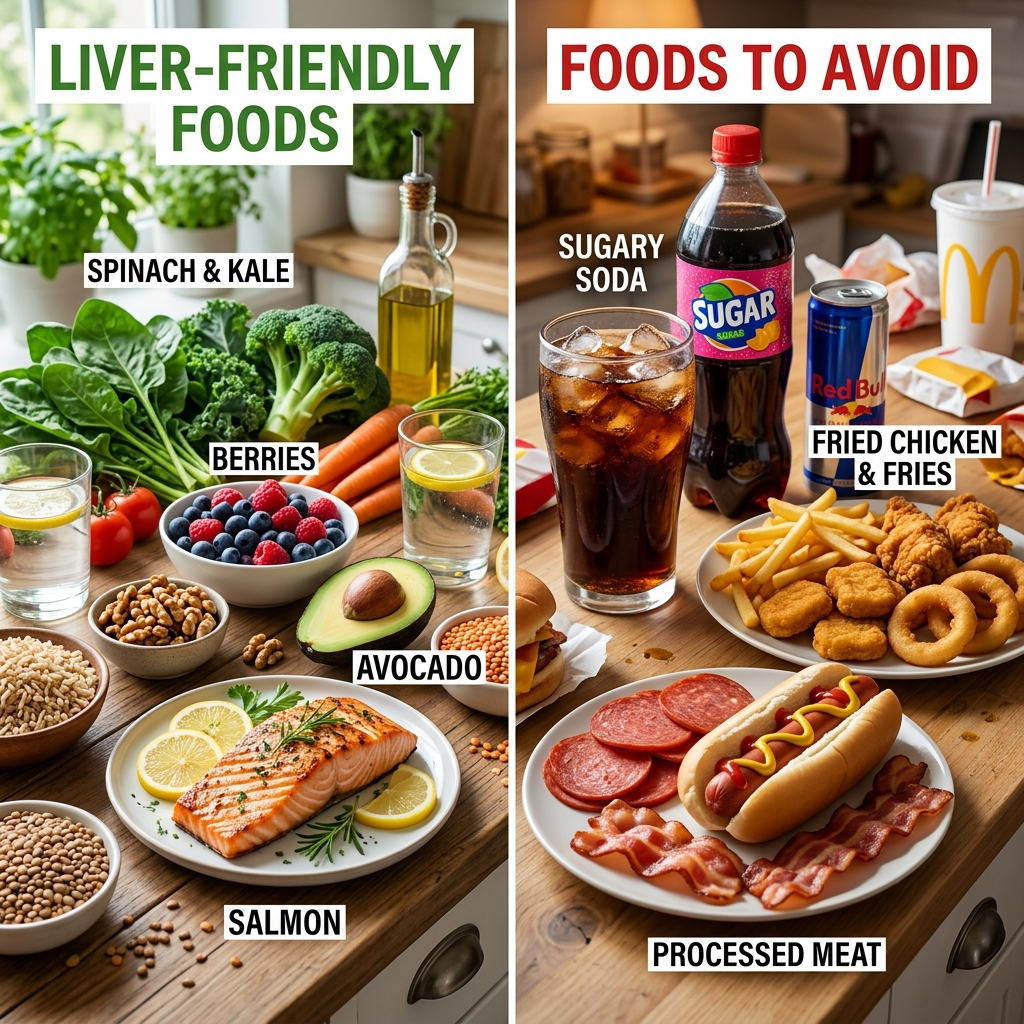
This condition, known as fatty liver disease, often develops silently with few or no symptoms. Many people only discover they have it after routine blood tests or scans. If left untreated, fatty liver disease can progress to inflammation, scarring (fibrosis), and in severe cases, cirrhosis.
Fortunately, the liver has a remarkable ability to heal itself. By making positive changes to your diet and lifestyle, you can help reduce liver fat naturally and improve your long-term health.
What Causes Fatty Liver Disease?
According to the NHS, the main risk factors for fatty liver disease include:
- Being overweight or carrying excess weight around the waist
- Type 2 diabetes or insulin resistance
- High cholesterol and triglycerides
- Poor dietary habits
- Physical inactivity
- High blood pressure
- Excess alcohol consumption
While genetics can influence your risk, lifestyle factors play a major role in whether fat accumulates in the liver.
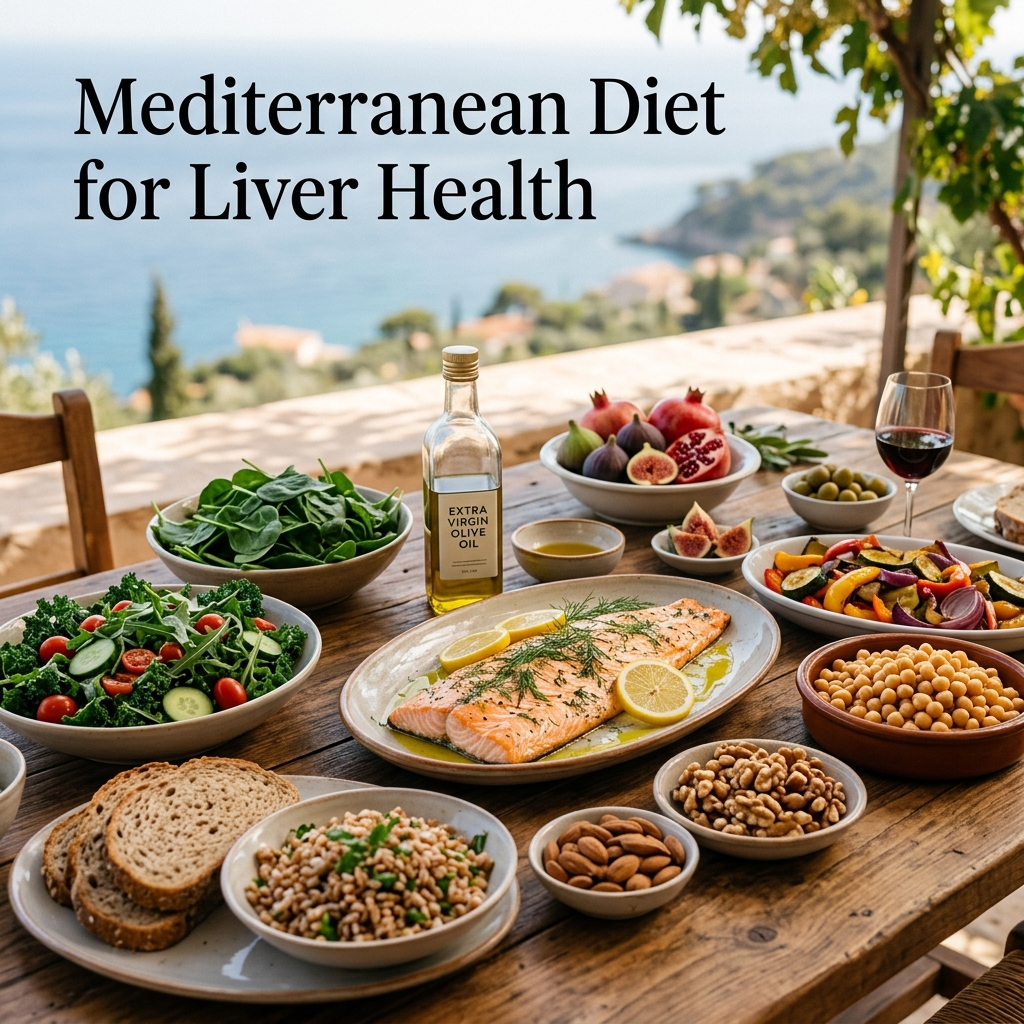
The Mediterranean Diet: One of the Best Eating Patterns for Liver Health
Research consistently shows that a Mediterranean-style diet is one of the most effective dietary approaches for reducing liver fat.
This eating pattern focuses on:
- Plenty of vegetables and fruit
- Whole grains
- Beans, lentils and chickpeas
- Nuts and seeds
- Extra virgin olive oil
- Fish and seafood
- Moderate amounts of dairy
- Limited red and processed meat
- Minimal ultra-processed foods
Beyond supporting liver health, the Mediterranean diet also benefits heart health, blood sugar control and weight management.
Best Foods to Reduce Liver Fat Naturally
1. Oily Fish
Salmon, mackerel, sardines, trout and herring are rich in omega-3 fatty acids.
These healthy fats may:
- Reduce liver fat levels
- Lower inflammation
- Improve triglyceride levels
- Support healthy cholesterol levels
Aim for at least two portions of oily fish per week.
Easy ideas:
- Grilled salmon with vegetables
- Sardines on wholegrain toast
- Mackerel salad with leafy greens
2. Beans, Lentils and Chickpeas
Legumes are packed with fibre, plant protein and resistant starch.
They support healthy gut bacteria, which produce beneficial compounds that may improve insulin sensitivity and help reduce fat storage in the liver.
Good options include:
- Lentils
- Chickpeas
- Kidney beans
- Black beans
- Peas
- Soybeans and edamame
Adding legumes to meals may also help control blood sugar and keep you feeling full for longer.
3. Leafy Green Vegetables
Spinach, kale, rocket, watercress and broccoli provide antioxidants, nitrates and plant compounds that may help protect liver cells from damage.
Research suggests that regular consumption of leafy greens is associated with a lower risk of fatty liver disease.
Try to include greens daily in:
- Salads
- Smoothies
- Sandwiches
- Soups
- Stir-fries
4. Extra Virgin Olive Oil
Not all fats have the same effect on liver health.
Replacing saturated fats such as butter, sausages and processed meats with olive oil may help:
- Improve insulin sensitivity
- Lower liver fat accumulation
- Reduce inflammation
Use extra virgin olive oil in cooking, salads and homemade dressings.
5. Coffee
Good news for coffee lovers.
Several studies have found that regular coffee consumption is associated with:
- Lower levels of abnormal liver enzymes
- Reduced liver inflammation
- A lower risk of liver fibrosis
For most adults, 2 to 3 cups of unsweetened coffee daily can be part of a healthy diet.
6. Whole Grains
High-fibre foods help support healthy digestion and blood sugar control.
Examples include:
- Oats
- Wholegrain bread
- Brown rice
- Wholewheat pasta
- Barley
- Quinoa
Starting the day with porridge may be a particularly helpful choice for people looking to improve liver health.
7. Nuts and Seeds
Nuts contain healthy fats, fibre and antioxidants.
Good options include:
- Walnuts
- Almonds
- Pistachios
- Hazelnuts
Seeds such as sunflower seeds are also rich in vitamin E, a nutrient linked with improved liver health.
Remember to keep portions moderate, as nuts are high in calories.
8. Garlic and Turmeric
Both have been studied for their potential liver-protective properties.
- Garlic may help reduce liver fat and improve liver enzyme levels.
- Turmeric contains curcumin, which has anti-inflammatory and antioxidant effects.
These ingredients can be easily added to soups, curries, roasted vegetables and sauces.
Foods That May Increase Liver Fat
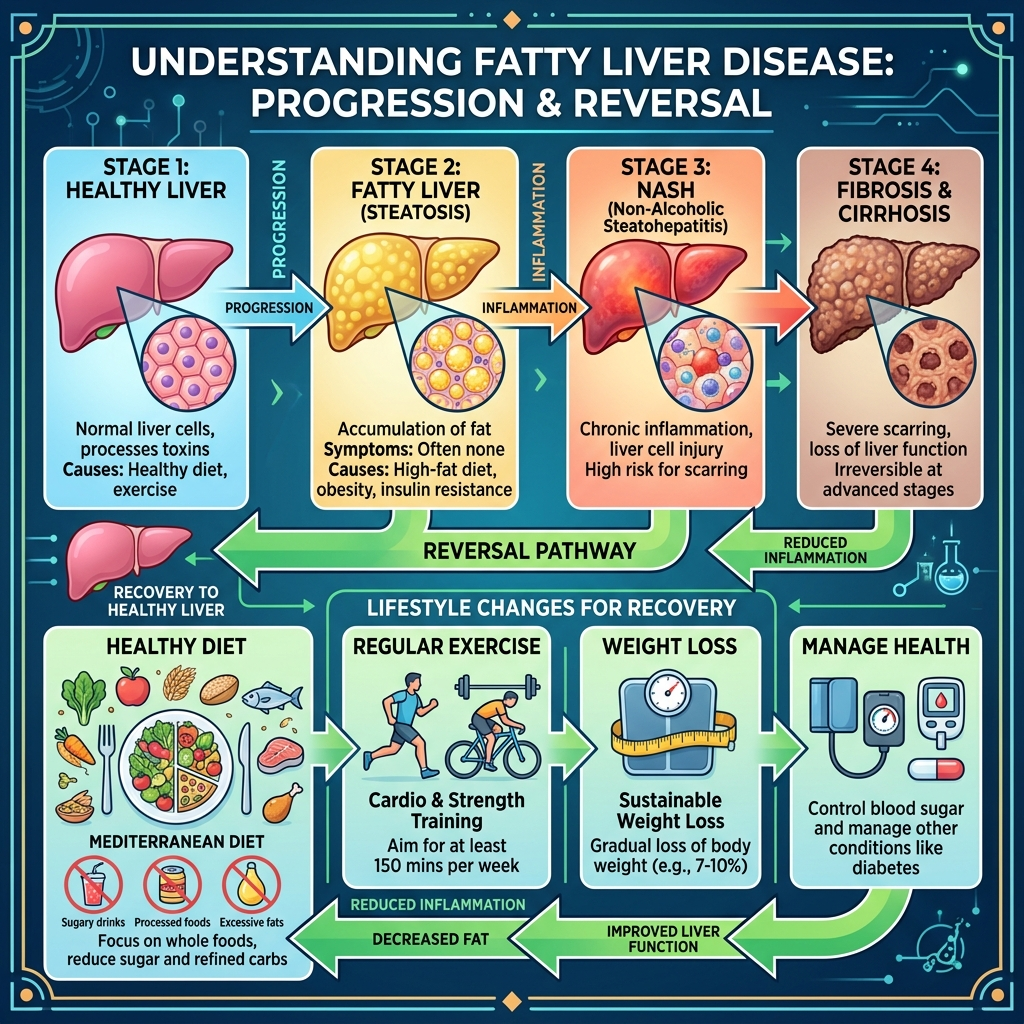
If you're trying to improve liver health, reducing certain foods can be just as important as adding healthier ones.
Limit:
Sugary Foods and Drinks
- Fizzy drinks
- Energy drinks
- Fruit juice
- Sweets
- Cakes and biscuits
Excess sugar, particularly fructose, can be converted into fat by the liver.
Refined Carbohydrates
- White bread
- White rice
- Pastries
- Many breakfast cereals
These foods can cause blood sugar spikes and contribute to fat storage.
Fried Foods
- Chips
- Fried chicken
- Takeaways
- Deep-fried snacks
These tend to be high in calories and unhealthy fats.
Processed and Red Meat
- Sausages
- Bacon
- Salami
- Burgers
These foods are often high in saturated fat and salt.
Alcohol
Even moderate alcohol intake can place additional stress on the liver. If you have fatty liver disease, discuss alcohol intake with your GP.
Lifestyle Habits That Help Reduce Liver Fat
Diet is only one part of the picture.
Lose Weight Gradually
Research shows that losing around 7 to 10% of body weight can significantly improve fatty liver disease in people who are overweight.
Avoid crash diets, as rapid weight loss can sometimes worsen liver problems.
Be More Active
The NHS recommends at least 150 minutes of moderate-intensity physical activity each week.
Good choices include:
- Brisk walking
- Cycling
- Swimming
- Dancing
- Strength training
Exercise can reduce liver fat even without major weight loss.
Stop Smoking
Smoking is linked to worsening liver disease and other serious health conditions.
Prioritise Sleep
Poor sleep may contribute to insulin resistance and weight gain. Aim for 7 to 9 hours of quality sleep each night.
When Should You See a Doctor?
Speak to your GP if:
- You have risk factors such as obesity or type 2 diabetes
- Blood tests show abnormal liver enzymes
- You experience persistent tiredness
- You have discomfort on the right side of your abdomen
- You are concerned about your liver health
Early diagnosis can help prevent complications.
What the NHS Says About Fatty Liver Disease
The NHS states that healthy lifestyle changes are the primary treatment for non-alcoholic fatty liver disease.
Key recommendations include:
- Eating a healthy, balanced diet
- Exercising regularly
- Losing weight if overweight
- Staying within alcohol guidelines
- Managing diabetes, cholesterol and blood pressure
The NHS also highlights that many people can prevent progression of the disease through these lifestyle measures alone.
For support, visit:
- NHS Better Health
- NHS Fatty Liver Disease Guidance
- Your GP or practice nurse
What PubMed Research Shows
Research published in PubMed highlights several key findings:
- Weight loss remains the most effective treatment for fatty liver disease.
- Mediterranean-style eating patterns consistently reduce liver fat.
- Physical activity independently improves liver health.
- Reducing sugar, refined carbohydrates and saturated fat is beneficial.
- Even modest improvements in weight and activity levels can lead to measurable health benefits.
- Long-term sustainable lifestyle changes are more effective than short-term restrictive diets.
Experts emphasise that combining healthy eating with regular exercise offers the greatest benefits for liver health and overall wellbeing.
Takeaway
Reducing liver fat naturally does not require extreme diets or complicated programmes. Small, sustainable changes can make a significant difference. Focus on eating more vegetables, beans, whole grains, nuts, olive oil and oily fish while reducing sugary drinks, refined carbohydrates and highly processed foods. Combine these dietary improvements with regular exercise, gradual weight loss and healthy lifestyle habits. Over time, these simple actions can help your liver recover, improve metabolic health and lower your risk of conditions such as type 2 diabetes and cardiovascular disease.
❓ FAQ - How to Reduce Liver Fat Naturally
Can fatty liver disease be reversed naturally?
In many cases, yes. Early-stage fatty liver disease can often be reversed through weight loss, healthy eating, regular exercise and reducing alcohol intake.
What is the best diet for reducing liver fat?
The Mediterranean diet is widely considered one of the best dietary patterns for improving liver health and reducing liver fat.
How long does it take to reduce liver fat?
Results vary, but some studies have shown improvements within a few months of consistent dietary and lifestyle changes.
Is coffee good for fatty liver disease?
Yes. Research suggests that regular coffee consumption may help lower liver enzyme levels and reduce the risk of liver fibrosis.
Are eggs bad for fatty liver?
For most people, eggs can be part of a healthy balanced diet. They provide high-quality protein and important nutrients.
Can exercise reduce liver fat without weight loss?
Yes. Physical activity can reduce liver fat and improve liver function even when body weight changes only slightly.
What is the worst food for fatty liver disease?
Sugar-sweetened drinks are among the biggest contributors because excess fructose is processed by the liver and can be converted into fat.
Should people with fatty liver disease avoid alcohol completely?
Many healthcare professionals recommend avoiding or significantly limiting alcohol if you have fatty liver disease. Discuss your individual situation with your GP.
This content is for educational purposes and does not replace medical advice…
About the author
Lilla Fonyo is a healthy lifestyle and longevity writer with a background in endurance running, nutrition, and mindful living. She focuses on sustainable habits that support long-term physical and mental wellbeing.
Sources:
www.healthline.com - Foods to Eat and Avoid with Nonalcoholic Fatty Liver Disease
www.nhs.uk - Non-alcoholic fatty liver disease (NAFLD)
www.bbc.co.uk - You can reverse fatty liver disease through your diet – here’s how
www.hep.org.au - A healthy diet for fatty liver repair
www.pmc.ncbi.nlm.nih.gov - Practical Lifestyle Management of Nonalcoholic Fatty Liver Disease for Busy Clinicians