🌿 Over 40? How to Naturally Fade Age Spots & Restore Radiant, Even-Toned Skin
By Lilla Fonyo — Healthy Lifestyle & Longevity Writer
May 2026
Quick Summary
Age spots are a common part of life after 40, often appearing due to years of sun exposure and slower skin renewal. While harmless, they can make skin look uneven or older than you feel. The good news is that gentle, natural methods—like aloe vera, lemon juice, antioxidant-rich foods, and consistent sun protection—can help soften their appearance over time. The key is patience, simplicity, and a routine that supports mature skin rather than overwhelms it.
Related Articles:
How Water Impacts the Body - Learn why staying hydrated is essential for your body, brain, skin and digestion, plus simple tips to drink enough water daily.
Best Longevity Habits After 40 - Discover the best habits after 40 for longevity, better health, and healthy ageing.
Best Foods for Healthy Skin and Anti-Ageing - Discover the best foods for healthy skin and anti-ageing, with science-backed insights from nutrition research.
The 30-Plants-a-Week Habit - Discover the easy way to try the “30 plants a week” approach and support your gut health with simple, enjoyable changes.
Healthy High-Fat Foods - Not all fats are bad. Discover 9 high-fat foods like avocado, nuts, and fish that support heart health, weight, and overall wellness.
What is a plant-based diet - Learn what a plant-based diet is, its health benefits, NHS guidance and simple tips to start eating more plant foods today.
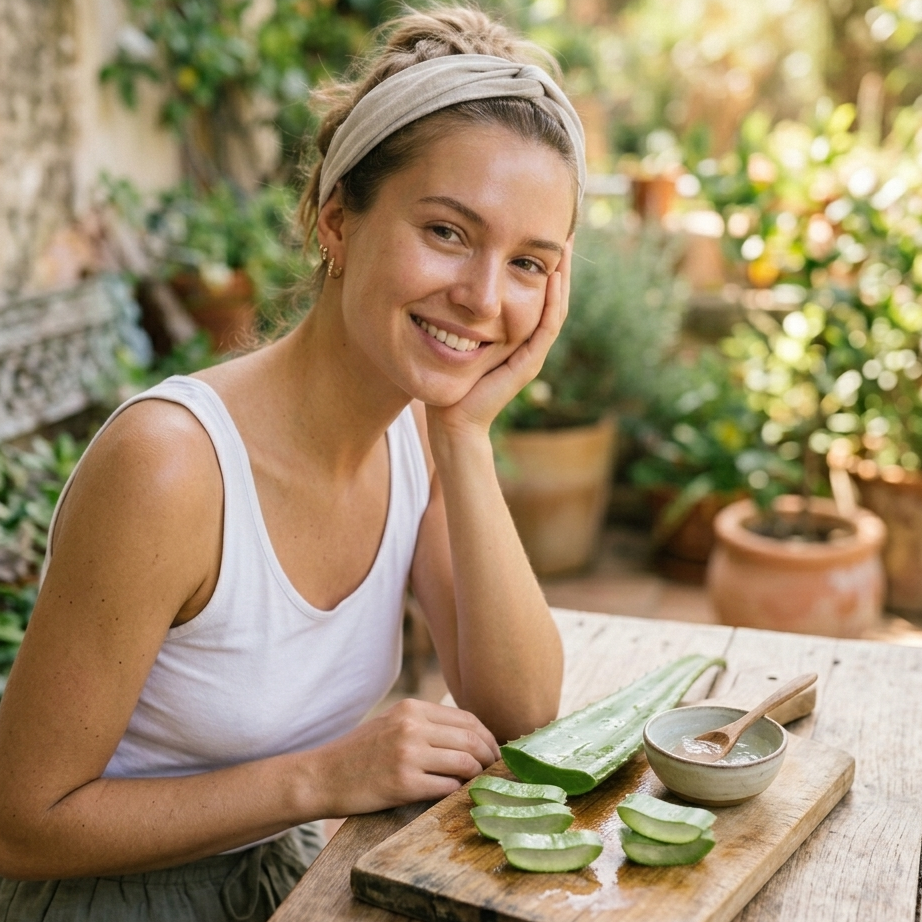
Why Age Spots Become More Noticeable After 40
As we move beyond 40, our skin naturally changes. Cell turnover slows, collagen production decreases, and past sun exposure begins to show more clearly.
Age spots (also known as sun spots or solar lentigines) develop when melanin—the pigment that gives skin its colour—clusters together after repeated UV exposure. While these spots can appear earlier, they tend to become more visible in midlife because the skin’s ability to renew and repair itself is less efficient.
Other contributing factors include:
- Years of sun exposure (even in the UK)
- Hormonal changes
- Genetics
- Lifestyle habits
The result? Skin may look less even, with darker patches on the face, hands, chest, and arms.
A Gentle Approach: Why Natural Works Best After 40
Mature skin often becomes drier and more sensitive. Harsh treatments can backfire—causing irritation, dryness, or even more pigmentation.
That’s why a natural, gentle approach is ideal:
- Supports the skin barrier
- Reduces irritation risk
- Encourages gradual, healthy improvement
- Works in harmony with your skin rather than against it
Natural Ways to Fade Age Spots (Kind to Mature Skin)
🌿 Aloe Vera: Calm, Repair, Brighten
Aloe vera is one of the most reliable natural remedies for mature skin. It helps soothe, hydrate, and may reduce pigmentation over time.
How to use:
Apply fresh aloe vera gel daily and leave it on for 20–30 minutes before rinsing.
🍋 Lemon Juice: Use With Care
Lemon juice contains vitamin C and natural acids that can lighten dark spots.
How to use:
Dab diluted lemon juice onto spots a few times a week.
Important: Mature skin is more delicate—always dilute and avoid sun exposure after use.
🍯 Honey: Gentle Skin Renewal
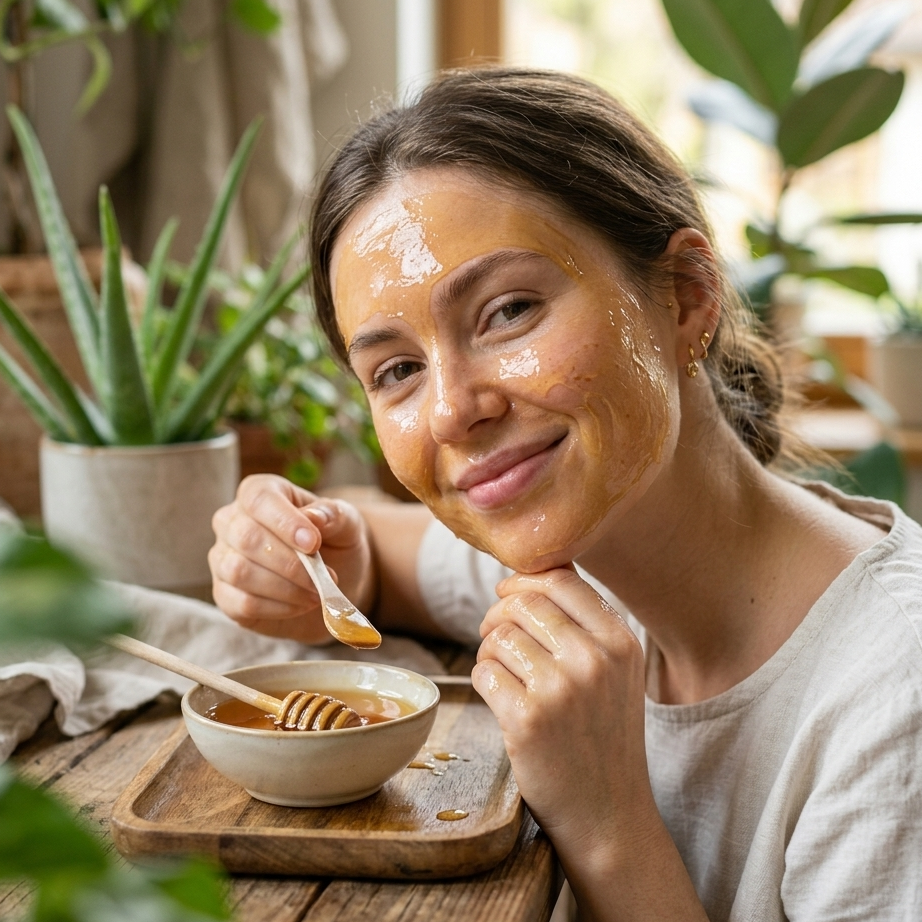
Honey is rich in antioxidants and supports skin regeneration without irritation.
How to use:
Apply as a mask for 15–20 minutes, then rinse.
🍎 Apple Cider Vinegar: Mild Exfoliation
Its natural acids may help fade pigmentation gradually.
How to use:
Mix with water, apply briefly, then rinse. Use sparingly.
🥒 Cucumber: Hydrate and Soothe
Cucumber is refreshing and supports skin hydration—key for ageing skin.
How to use:
Apply slices or a blended mask for 20–30 minutes.
🥣 Oatmeal: Soft Exfoliation
Perfect for over-40 skin, oatmeal gently removes dull surface cells.
How to use:
Mix with milk and honey into a paste, use once or twice weekly.
🥔 Potato: Everyday Brightening
A mild, natural option that’s easy to use regularly.
How to use:
Apply slices for 10 minutes daily.
🍵 Green Tea: Antioxidant Support
Green tea helps protect skin and may reduce pigmentation.
How to use:
Apply cooled tea with a cotton pad.
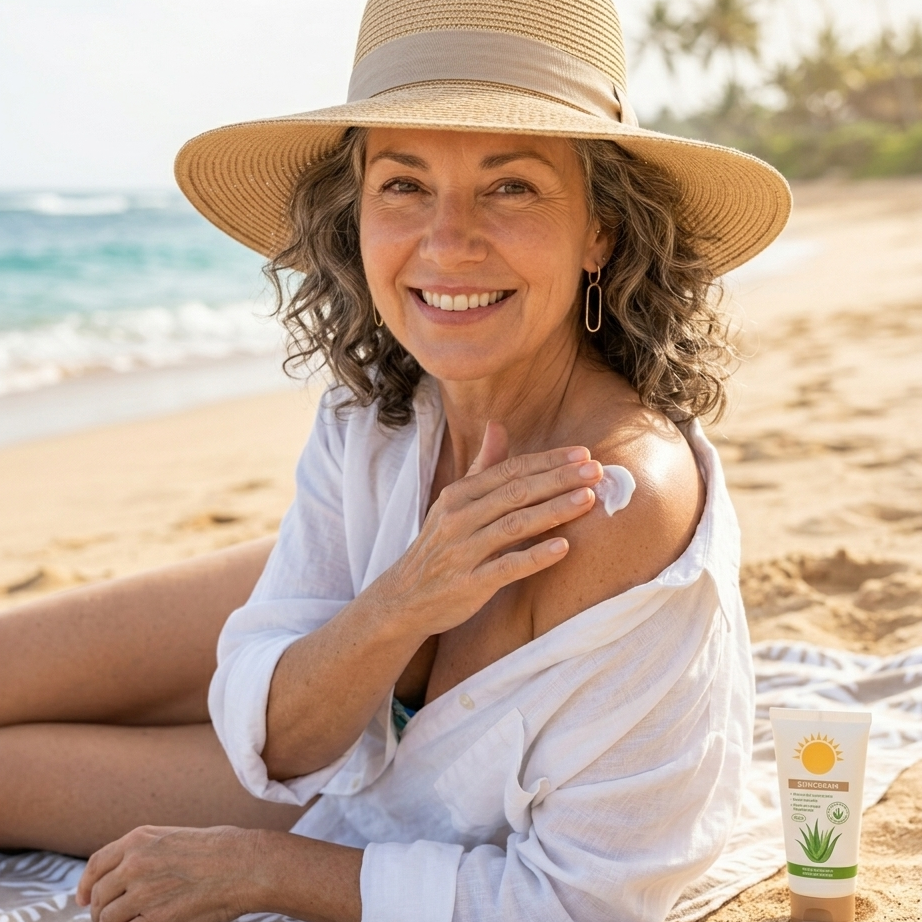
The Role of Gentle Exfoliation After 40
Exfoliation becomes more important—but also more delicate.
- Stick to once or twice a week
- Avoid harsh scrubs
- Watch for dryness or sensitivity
- Always follow with moisturising and sun protection
Done correctly, exfoliation helps remove dull skin and allows natural remedies to work more effectively.
Lifestyle Habits That Make a Visible Difference
After 40, skincare isn’t just what you apply—it’s how you live.
🥗 Eat for Your Skin
A diet rich in antioxidants (berries, leafy greens, nuts) supports skin repair and brightness.
💧 Stay Hydrated
Hydrated skin looks plumper and more radiant.
😴 Prioritise Sleep
Your skin regenerates overnight—poor sleep can worsen uneven tone.
☀️ Be Sun Smart Every Day
Even in cloudy weather, UV rays contribute to pigmentation.
Prevention: Your Best Anti-Ageing Strategy
If there’s one habit that makes the biggest difference—it’s sun protection.
Daily Essentials:
- Use SPF 30+ every morning
- Reapply if outdoors
- Wear hats and protective clothing
- Avoid peak sun hours
Don’t Forget:
The backs of your hands and your neck are often the first areas to show age spots.
What Science Tells Us (PubMed Perspective)
Research shows that age spots are linked to the process of melanogenesis—how your skin produces pigment.
Key insights:
- Targeting melanin production is essential for reducing dark spots
- Natural plant-based compounds are being studied as gentler alternatives
- Multiple biological pathways influence pigmentation
- More research is needed to confirm long-term effectiveness of natural treatments
In simple terms: natural methods can help, but they require time and consistency.
Takeaway
After 40, your skin deserves a kinder, more thoughtful approach.
To naturally fade age spots:
- Protect your skin from the sun daily
- Use gentle, natural remedies consistently
- Avoid harsh or aggressive treatments
- Support your skin with healthy lifestyle habits
Small, steady steps can lead to brighter, more even-looking skin—without overwhelming your routine.
❓ FAQ: Fade Age Spots Naturally
Are age spots normal after 40?
Yes, they are extremely common and usually harmless.
Can I really fade them naturally?
You can soften their appearance, though results take time and consistency.
Is lemon juice safe for mature skin?
Only when diluted and used carefully. Always patch test first.
What’s the most important step?
Daily sun protection—nothing else works well without it.
When should I see a doctor?
If a spot changes shape, colour, or behaviour, seek medical advice promptly.
This content is for educational purposes and does not replace medical advice…
About the author
Lilla Fonyo is a healthy lifestyle and longevity writer with a background in endurance running, nutrition, and mindful living. She focuses on sustainable habits that support long-term physical and mental wellbeing.
Sources:
www.conscious-skincare.com - How to Remove Age Spots Naturally: A Gentle Guide
www.healthline.com - How to Remove Sunspots on Your Face
www.perfectskinstudio.co.uk - How To Fade Age Spots?
www.valleyskininstitute.com - 5 Food That May Help With Age Spots Naturally
www.dc-dermdocs.com - 7 Simple Ways to Get Rid of Dark Spots
www.krmicskin.com - How to Remove Age Spots Naturally
www.verywellhealth.com - 12 Ways to Fade and Remove Age Spots Naturally
www.pmc.ncbi.nlm.nih.gov - Natural skin-whitening compounds for the treatment of melanogenesis (Review)