Pilates for Mental Health: Reduce Stress, Sleep Better & Feel More Balanced
By Lilla Fonyo — Healthy Lifestyle & Longevity Writer
Last Updated March 2026
Quick Summary
Pilates is far more than a gentle workout. By combining controlled movement with mindful breathing, it supports both physical fitness and mental wellbeing. Regular practice can help reduce stress, improve sleep quality, boost mood, and build emotional resilience—making it a simple yet powerful way to feel calmer and healthier.
Related Articles:
Asian Pilates Stress Relief Flow: A Calm, Flowing Workout to Reset Your Body and Mind Naturally - Relax with this Asian Pilates stress relief flow. Gentle moves to calm your mind, reduce tension and restore balance.
Tai Chi: A Gentle, Low-Impact Exercise for Body and Mind - Discover the benefits of Tai Chi, a low-impact exercise that improves balance, reduces stress and supports physical and mental health.
Low-Impact Exercise - Gentle Movement That Still Gets Results - Discover the benefits of low-impact exercise and how gentle workouts can improve strength, mobility, mood and long-term health.
Asian Pilates: The Gentle Fitness Trend - Discover Asian Pilates — a mindful blend of classical Pilates, Tai Chi, and yoga that builds strength, balance, and inner calm.
Useful Videos from NHS:
NHS - Pilates for beginners exercise video
NHS - Back pain pilates exercise video
NHS - Knee problems pilates exercise video
What Is Pilates?
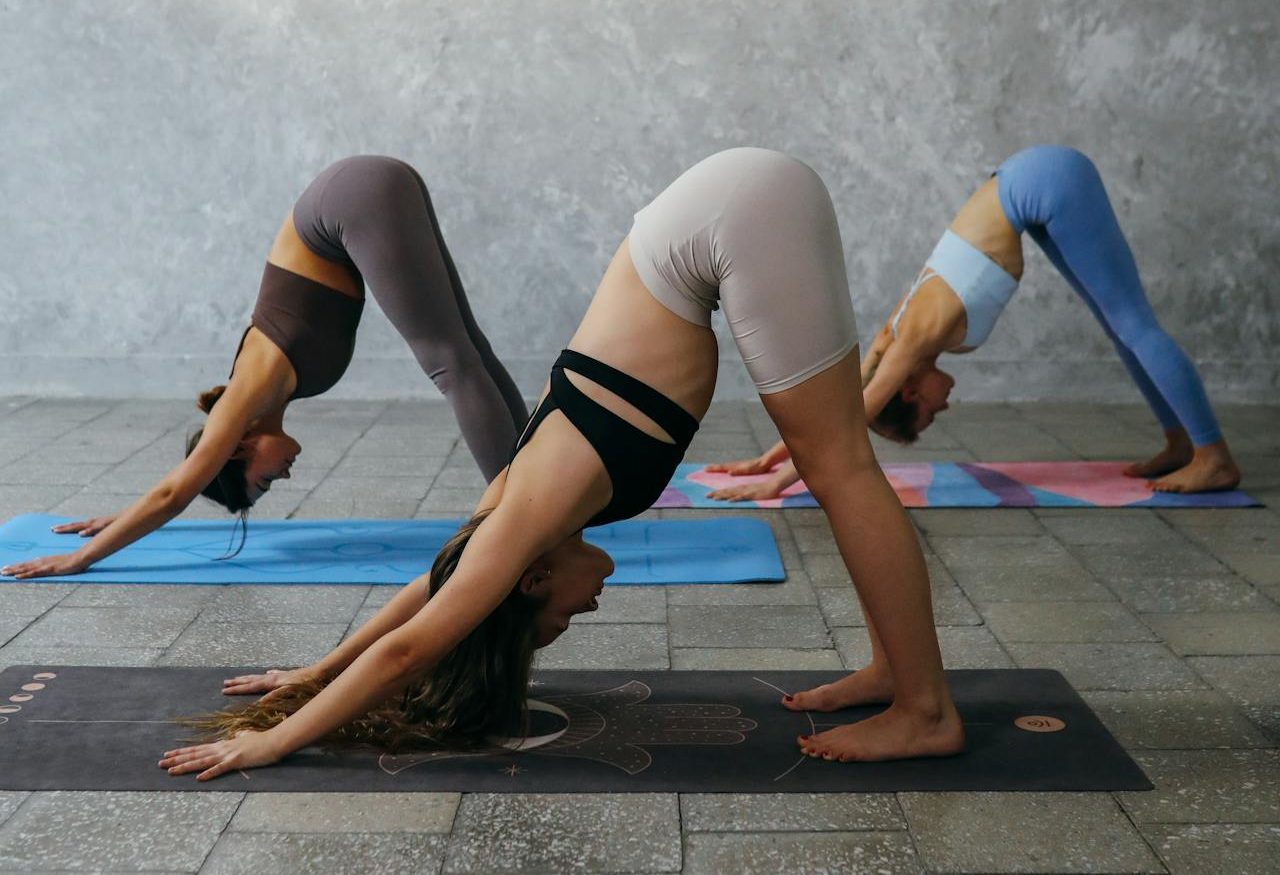
Pilates is a low-impact exercise method developed by Joseph Pilates over 100 years ago. It focuses on strengthening the body—particularly the core—through slow, controlled movements and precise breathing.
Unlike high-intensity workouts, Pilates encourages you to move with awareness. Each exercise connects breath, posture, and muscle control, helping to build a strong mind–body connection. It can be practised on a mat or with specialised equipment such as a reformer, and suits all ages and fitness levels.
Why Exercise Matters for Mental Health
Research consistently shows that physical activity plays a key role in mental wellbeing. According to insights shared in Psychology Today, regular movement can reduce symptoms of anxiety and depression, improve cognitive function, and enhance overall mood.
Exercise supports mental health by:
Releasing “feel-good” chemicals in the brain
Reducing stress hormones like cortisol
Providing a healthy distraction from negative thoughts
Boosting confidence and self-esteem
Encouraging social interaction when done in groups
Pilates offers these benefits in a particularly gentle, accessible way.
Key Mental Health Benefits of Pilates
1. Reduces Stress and Promotes Calm
Pilates emphasises breathing and slow, controlled movement, which helps regulate the nervous system. This can lower stress levels and create a sense of calm, even after a short session.
2. Improves Sleep Quality
Struggling to switch off at night? Pilates may help. Unlike intense workouts, it can be done in the evening without overstimulating the body. Its relaxing, meditative qualities prepare both body and mind for better sleep.
3. Supports Mood and Emotional Balance
Regular Pilates practice has been linked to improved mood and reduced symptoms of anxiety and depression. Movement releases endorphins, while focused attention helps interrupt negative thought patterns.
4. Enhances Cognitive Function
Pilates requires coordination, balance, and concentration. Over time, this can sharpen memory, improve focus, and support long-term brain health.
5. Builds Confidence and Self-Awareness
As strength, posture, and control improve, many people notice a boost in self-confidence. Pilates also encourages awareness of how your body feels and moves, helping you respond better to stress and emotions.
What Does the Research Say?
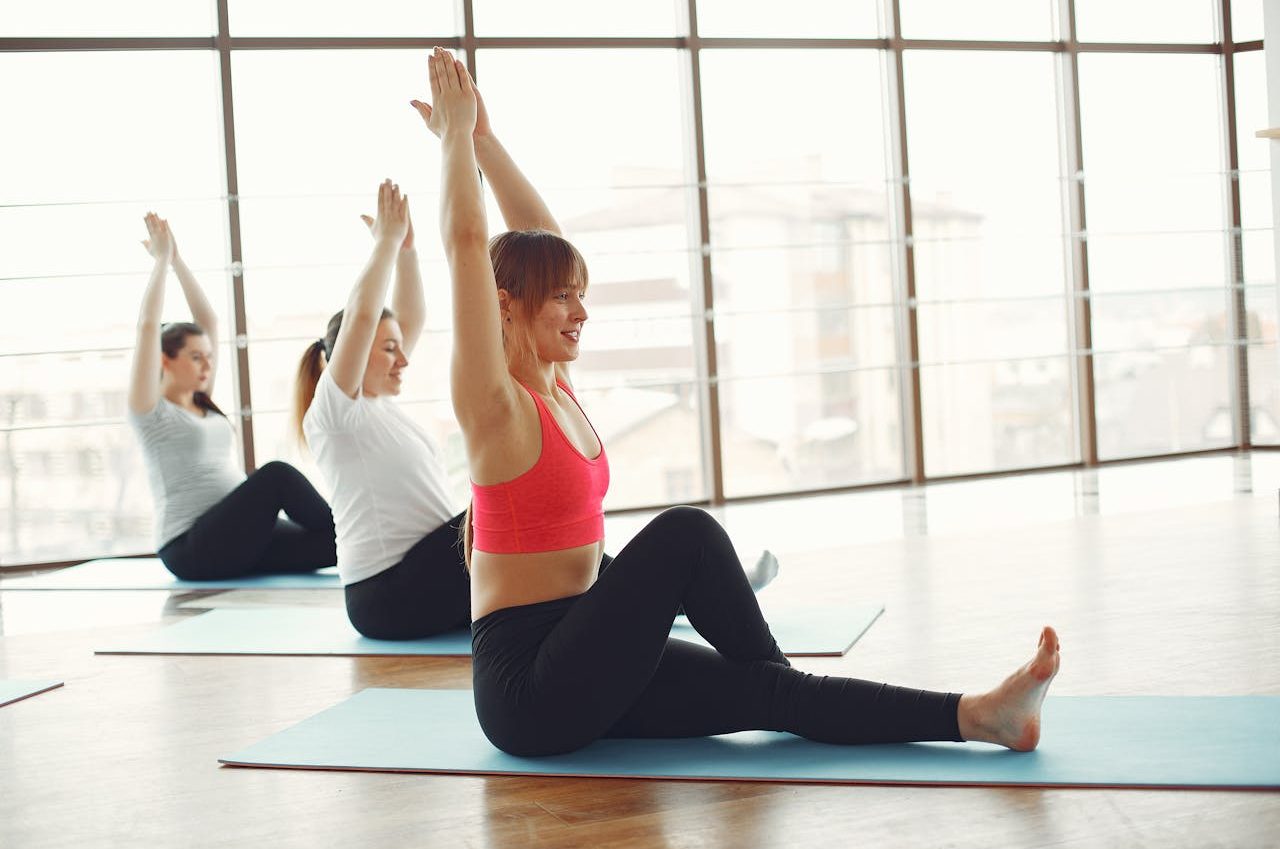
Studies available through PubMed suggest that Pilates may help reduce anxiety, depression, and stress-related behaviours. Even practising once a week has been linked to noticeable improvements in mood and emotional wellbeing.
Meanwhile, guidance from the NHS highlights that Pilates can:
Reduce stress and tension
Improve posture and flexibility
Create a sense of calm and wellbeing
Although more research is still needed, the existing evidence strongly supports Pilates as a helpful addition to a healthy lifestyle.
Pilates and Common Mental Health Challenges
Stress
Chronic stress affects both body and mind. Pilates helps by lowering cortisol levels and encouraging relaxation through controlled breathing.
Anxiety and Depression
While not a replacement for professional treatment, Pilates can complement therapy by improving mood, increasing energy levels, and reducing fatigue.
Insomnia
Gentle evening sessions can help relax the body, making it easier to fall asleep and stay asleep.
How to Get the Most Out of Pilates
To experience the mental health benefits, consistency is key. Aim for at least two sessions per week. You can:
Join a local class for guidance and social interaction
Practise at home using online videos
Combine Pilates with other activities like walking or cycling
If you’re new, working with a qualified instructor can help ensure correct technique and prevent injury.
Is Pilates Right for Everyone?
Yes—Pilates is highly adaptable. It can be modified for beginners, older adults, people recovering from injury, and even during pregnancy. However, if you have a medical condition or ongoing mental health concerns, it’s best to speak to a healthcare professional before starting.
Expert Insights
NHS
The NHS recognises Pilates as a low-impact exercise that can reduce stress, improve posture, and enhance overall wellbeing.
PubMed
Research indexed by PubMed shows Pilates may reduce anxiety, depression, and stress-related behaviours—even with moderate weekly practice.
Psychology Today
According to Psychology Today, physical activity like Pilates plays a key role in improving mood, reducing stress, and supporting long-term mental health.
Takeaway
Pilates offers a unique blend of physical strength and mental clarity. With regular practice, it can ease stress, improve sleep, boost mood, and build confidence. Gentle yet effective, it’s a powerful way to support both body and mind—no matter your age or fitness level.
❓ FAQ: Pilates for Mental Health
Is Pilates good for anxiety?
Yes, Pilates can help reduce anxiety by calming the nervous system and promoting mindful breathing.
Can Pilates improve sleep?
Many people find Pilates improves sleep quality, especially when practised regularly or in the evening.
How often should I do Pilates for mental health benefits?
Aim for at least two sessions per week for noticeable improvements.
Is Pilates better than yoga for mental health?
Both are beneficial. Pilates focuses more on strength and control, while yoga often includes deeper meditation elements.
Can beginners do Pilates?
Absolutely. Pilates is suitable for beginners and can be adapted to all fitness levels.
This content is for educational purposes and does not replace medical advice...
About the author
Lilla Fonyo is a healthy lifestyle and longevity writer with a background in endurance running, nutrition, and mindful living. She focuses on sustainable habits that support long-term physical and mental wellbeing.
Sources:
www.pilatesdigest.com - What Are the Benefits of Pilates
www.complete-pilates.co.uk - 10 surprising benefits of Pilates
www.pmc.ncbi.nlm.nih.gov - Benefits of Pilates on Depression, Anxiety, and Stress: An Observational Study Comparing People Practicing Pilates to Non-Active Controls
www.torbayandsouthdevon.nhs.uk - Pilates
www.psychologytoday.com - Revisiting the Mind-Body Connection
www.womenshealthmag.com - What is Pilates? How to do it and the benefits