Blue Zones Part 2: Okinawa
The Japanese island where longevity meets lifestyle, purpose and connection
By Lilla Fonyo — Healthy Lifestyle & Longevity Writer
Last Update April 2026
Quick Summary
Okinawa, one of the world’s famous Blue Zones, is home to some of the longest-living people on Earth—particularly women. Their longevity isn’t down to one magic factor, but a powerful combination of habits: a mostly plant-based diet, natural daily movement, strong social ties, a clear sense of purpose (ikigai), and a calm, resilient mindset. Together, these create not just longer lives, but healthier and more fulfilling ones.
Blue Zones Part 5: Loma Linda – California - Living Well by Faith and Community - Discover how Loma Linda’s lifestyle, diet, and community support longer, healthier living in this Blue Zone guide.
Blue Zones Part 4: Ikaria — The Greek Island Where Time Slows Down - Explore Ikaria, Greece’s Blue Zone, where simplicity, friendship, and a wholesome Mediterranean lifestyle inspire long, happy lives.
Blue Zones Part 3: Secrets of Longevity from Costa Rica’s Nicoya - Discover how Costa Rica’s Nicoya Peninsula fosters long, healthy lives through diet, activity, and the joyful Pura Vida lifestyle.
Blue Zones Part 1: Sardinia’s Timeless Secret to Long Life – Sardinia, Italy, is a Blue Zone where diet, laughter, and tradition fuel longevity. Learn the secrets of living a healthy 100+ years.
How Happiness Impacts Health - Discover how happiness improves health, strengthens relationships and boosts wellbeing, plus simple habits to feel happier every day.
The Simple Formula That Keeps Couples Happy - Psychologists reveal how positive moments during conflict can strengthen relationships using the proven 5:1 communication rule.
Embracing Discomfort for Happiness - Learn how embracing discomfort builds resilience, retrains your brain, and helps you feel happier in a world built for comfort.
The Surprising Secret to Happiness in the Second Half of Life - Harvard happiness expert Dr Arthur Brooks shares how to find lasting joy in midlife by wanting less and focusing on what truly matters.
Emotional Intelligence and Wellbeing - Learn what emotional intelligence is, why it matters more than IQ, and how improving EQ can boost wellbeing, relationships, and success.
Happier? More Satisfied? More fulfilled? - Dynamic of Conditionality - Stop waiting for “someday.” Learn how emotional intelligence helps you feel happier, more satisfied, and fulfilled by taking action today.
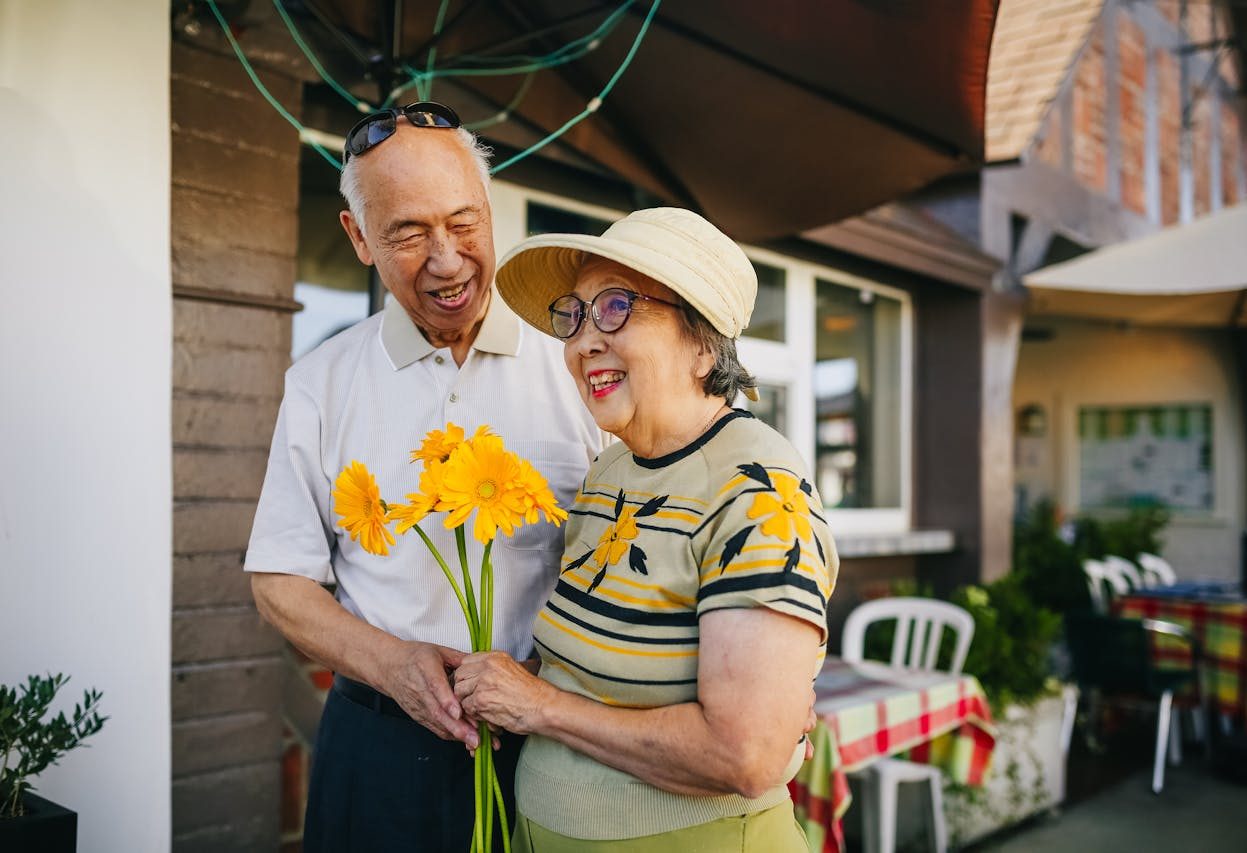
A gentle way of life that adds years—and life to those years
On the subtropical islands of Okinawa, there’s a saying about living close enough to family to share a warm bowl of soup, yet far enough to maintain independence. That balance—between connection and autonomy—perfectly reflects the Okinawan way of life.
It may also help explain why this region has one of the highest concentrations of centenarians in the world. While Japan already has tens of thousands of people aged 100 or more, Okinawa consistently outperforms the national average.
So what’s behind this remarkable longevity?
Food as medicine: the Okinawan diet
In Okinawa, food isn’t just nourishment—it’s viewed as medicine for life.
Meals are simple, colourful, and largely plant-based. Staples include sweet potatoes, leafy greens, tofu, and seaweed, all rich in nutrients and antioxidants. Soy-based foods such as miso and tofu play a central role, supporting heart and gut health.
A key principle is “hara hachi bu”—the practice of eating until you are about 80% full. This gentle form of calorie control helps prevent overeating and supports long-term health.
Other standout ingredients include:
- Goya (bitter melon) – linked to blood sugar control
- Turmeric – known for its anti-inflammatory properties
- Seaweed – packed with minerals and beneficial compounds
Meat, particularly pork, is eaten sparingly and often reserved for special occasions.
Move naturally, every day
Exercise in Okinawa isn’t structured or intense—it’s simply part of life.
Gardening, walking, cooking, and even sitting on and rising from the floor all contribute to daily movement. These low-impact, consistent activities build strength, balance, and mobility well into old age.
Rather than “working out”, Okinawans simply keep moving.
The power of purpose: Ikigai
One of the most important concepts in Okinawan culture is ikigai, meaning “a reason to live”.
Whether it’s tending a garden, caring for grandchildren, or contributing to the community, people maintain a sense of purpose throughout their lives. Retirement, in the Western sense, is rare.
Research suggests that having a clear purpose is linked to lower mortality rates and better physical and mental health.
Strong social ties: the moai network
Loneliness is rare in Okinawa—and that’s no accident.
From a young age, people form lifelong social groups known as moai. These circles of friends offer emotional, social, and sometimes financial support throughout life.
This sense of belonging reduces stress, promotes happiness, and provides a safety net during difficult times. Studies have shown that strong social connections are closely linked to longevity and reduced risk of chronic disease.
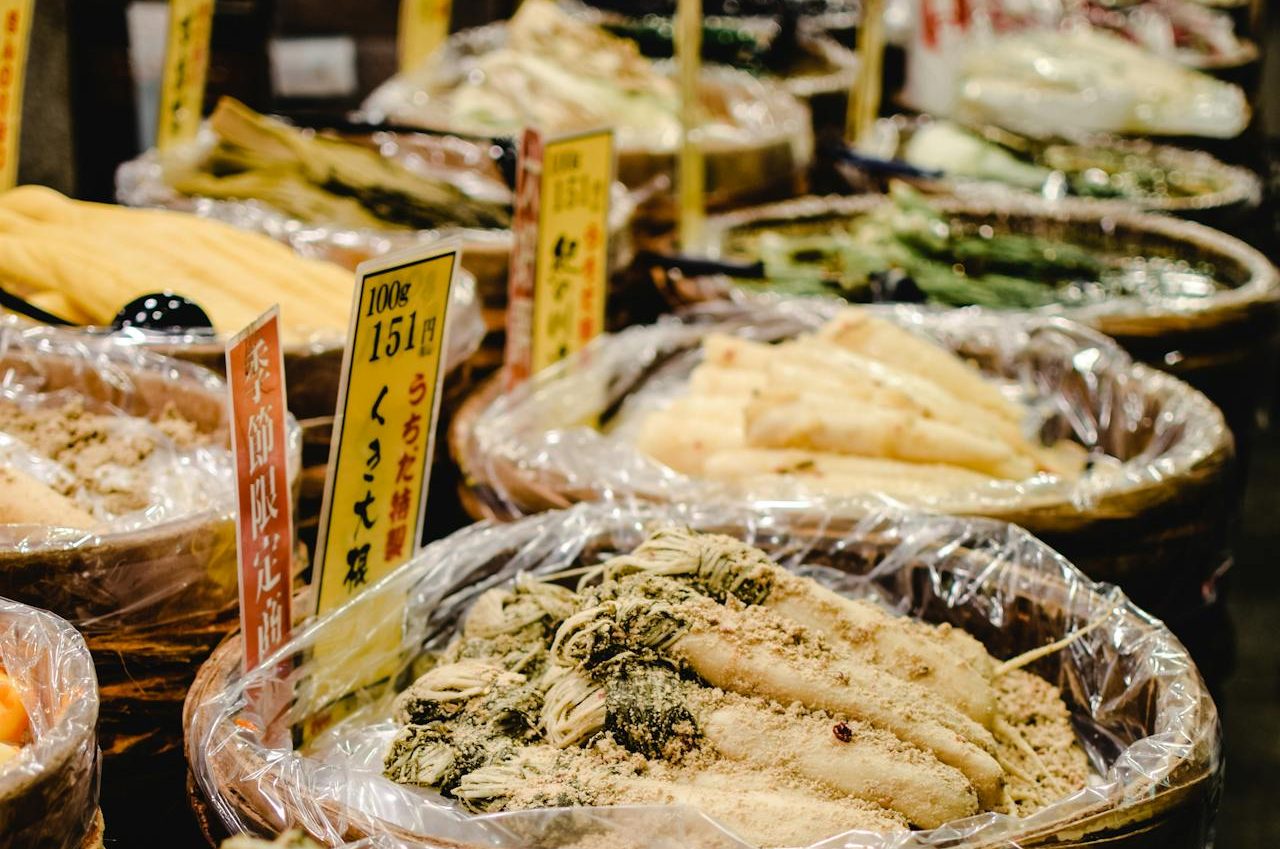
A calmer mindset and resilient spirit
Okinawans are known for their relaxed approach to life. Phrases like “nankuru nai sa” (“things will work out somehow”) reflect a deeply rooted optimism and resilience.
Stress is managed not by avoiding it entirely—but by responding to it calmly. Daily rituals, time spent in nature, and spiritual practices all support mental wellbeing.
Good sleep, regular rest, and even midday naps also play a role in maintaining health.
Nature, spirituality, and belonging
Respect for nature and ancestry is deeply woven into Okinawan culture.
Sacred groves, seasonal festivals, and ancestral rituals create a strong connection across generations. Historically, women often served as spiritual leaders, guiding communities through prayer and reflection.
This sense of belonging—to family, community, and the natural world—supports emotional health and overall wellbeing.
What science says about Okinawan longevity
Okinawa is home to one of the longest-running studies on ageing, beginning in 1975. Researchers found that many older Okinawans have:
- Healthy arteries and low cholesterol
- Strong bones
- Low rates of cancer, heart disease, and dementia
- A consistently positive outlook on life
There is also some evidence that certain genes, such as FOXO3A, may contribute to longevity—but lifestyle remains the dominant factor.
What PubMed research tells us
Scientific research, including studies indexed on PubMed, highlights that longevity in Blue Zones like Okinawa is shaped by a combination of lifestyle and genetics.
Key findings include:
- Lifestyle pillars matter most: healthy eating, physical activity, good sleep, stress management, and strong relationships all contribute to longer life.
- Plant-based diets are linked to reduced risk of cardiovascular disease, cancer, and metabolic conditions.
- Caloric moderation (like hara hachi bu) may activate biological pathways associated with ageing and repair.
- Social connection significantly reduces mortality risk and improves mental health.
- Purpose in life is associated with lower inflammation and reduced risk of death.
- Genetics, including genes like FOXO3A, ApoE2, and HLA, may support longevity—but do not act alone.
Overall, research confirms that small, consistent lifestyle behaviours have a profound impact on long-term health and wellbeing.
Takeaway: small habits, powerful results
The Okinawan lifestyle isn’t about extremes—it’s about consistency.
Key lessons you can apply:
- Eat mostly plant-based, nutrient-rich foods
- Stop eating before you feel full
- Move your body naturally every day
- Build strong, supportive relationships
- Find and nurture your sense of purpose
- Slow down and manage stress with intention
Longevity, it seems, is less about adding years—and more about adding quality to those years.
❓ FAQ : Okinawa and Longevity
What makes Okinawa a Blue Zone?
Okinawa has an unusually high number of people living into their 90s and beyond, with lower rates of chronic disease compared to most of the world.
What is the Okinawa diet?
It’s a largely plant-based diet rich in vegetables, sweet potatoes, tofu, and seaweed, with minimal processed food and small amounts of meat.
What does “hara hachi bu” mean?
It’s the practice of eating until you are about 80% full, helping to prevent overeating.
What is “ikigai”?
A Japanese concept meaning “reason for living” or purpose, which is strongly linked to wellbeing and longevity.
Do genetics play a role?
Yes, certain genes may contribute, but lifestyle factors such as diet, activity, and social connection are far more influential.
Can I follow the Okinawan lifestyle in the UK?
Absolutely. Many principles—like eating more plants, staying active, and building strong relationships—are easy to adapt anywhere.
This content is for educational purposes and does not replace medical advice…
About the author
Lilla Fonyo is a healthy lifestyle and longevity writer with a background in endurance running, nutrition, and mindful living. She focuses on sustainable habits that support long-term physical and mental wellbeing.
Sources:
www.bluezones.com – Okinawa, Japan
www.visitokinawajapan.com - The Secret of Okinawan Longevity
www.pmc.ncbi.nlm.nih.gov - Lessons Learned From Blue Zones, Lifestyle Medicine Pillars and Beyond: An Update on the Contributions of Behavior and Genetics to Wellbeing and Longevity
www.healthline.com - What Is the Okinawa Diet? Foods, Longevity, and More
www.juliawillmott.com – What Okinawan women can teach us about ageing well