How Strength Training Boosts Brain Power
Why lifting weights sharpens your mind, mood, and long-term cognitive health
By Lilla Fonyo — Healthy Lifestyle & Longevity Writer
Last Update April 2026
Quick Summary
Strength training isn’t just about building muscle—it’s a powerful tool for improving brain health. Research shows it can enhance memory, sharpen focus, reduce symptoms of depression, and even help protect against age-related cognitive decline. From boosting beneficial brain chemicals to improving metabolism and reducing inflammation, resistance exercise supports both mental and physical wellbeing at any age.
Related Articles:
The Benefits of Squats: Why You Should Add Them to Your Routine - Learn why squats matter, which muscles they work, how to squat safely, and the top benefits for strength, mobility and injury prevention.
Strength Training for Over 40s - Strength training for over 40s made simple. Build muscle, protect bones, boost heart health and stay strong with expert-backed advice.
First Day at the Gym (2026 Guide) - Nervous about your first gym visit? Learn what to bring, what to do, and how to start gently and build a lasting fitness habit.
Step Aerobics Benefits: Why Step Workouts Are Great for Weight Loss, Strength, and Heart Health - Discover step aerobics benefits for weight loss, heart health and fitness — now with expert advice, backed by NHS guidance and research.
Low-Impact Exercise - Gentle Movement That Still Gets Results - Discover the benefits of low-impact exercise and how gentle workouts can improve strength, mobility, mood and long-term health.
Asian Pilates: The Gentle Fitness Trend - Discover Asian Pilates — a mindful blend of classical Pilates, Tai Chi, and yoga that builds strength, balance, and inner calm.

Muscles and Minds: A Powerful Connection
We often treat physical fitness and mental sharpness as separate goals—one for the gym, the other for the mind. In reality, they are deeply connected. Strength training doesn’t only sculpt your body; it creates the ideal conditions for your brain to thrive.
Real-life experiences reflect this. Many people who begin lifting weights for physical reasons soon notice unexpected mental benefits—better concentration, improved memory, and clearer thinking. These outcomes are increasingly supported by scientific research rather than anecdote.
What Happens in Your Body—and Brain
When you engage in resistance training, your body responds in ways that directly benefit the brain:
- Improved blood flow delivers oxygen and nutrients to brain cells
- Hormonal balance supports cognitive function
- Release of growth factors like BDNF (often called “brain fertiliser”) strengthens neural connections
Although your brain isn’t lifting weights, it benefits enormously from the environment strength training creates.
Cognitive Benefits of Strength Training
A growing body of research shows that resistance training can:
- Improve memory and learning
- Enhance executive function (planning, focus, decision-making)
- Support attention and mental clarity
One notable study found that older adults who trained with weights twice a week significantly improved cognitive control and memory compared to those who only did light exercise. Gains in tasks measuring attention and conflict resolution were particularly strong.
Biologically, these improvements are linked to:
- Reduced inflammation
- Better insulin sensitivity (supporting brain energy use)
- Increased neuroplasticity (the brain’s ability to adapt and grow)
Mental Health and Emotional Resilience
Strength training isn’t just good for thinking—it’s powerful for feeling better too.
A large review of clinical trials found that resistance training can significantly reduce symptoms of depression, regardless of age or baseline health.
Why does it work?
- It boosts mood-related chemicals like serotonin and dopamine
- It creates a sense of progress and achievement
- It builds confidence, discipline, and resilience
Every small improvement—whether it’s lifting a heavier weight or completing an extra repetition—reinforces a positive mental loop.
The Science of Brain Protection
Recent research highlights how strength training may protect the brain as we age.
Neurochemical Protection (PubMed Study Insight)
A 12-week resistance training programme in older adults showed that:
- Brain chemicals linked to neuronal health remained stable
- Non-exercising individuals experienced declines in these markers
- Strength gains were directly linked to healthier brain metabolism
In simple terms: stronger muscles were associated with a more resilient brain.
Reduced Risk of Cognitive Decline
Studies involving older adults with mild cognitive impairment found that:
- Weight training improved memory performance
- Brain scans showed less shrinkage in key regions linked to Alzheimer’s disease
This suggests resistance training may help slow or delay dementia progression.
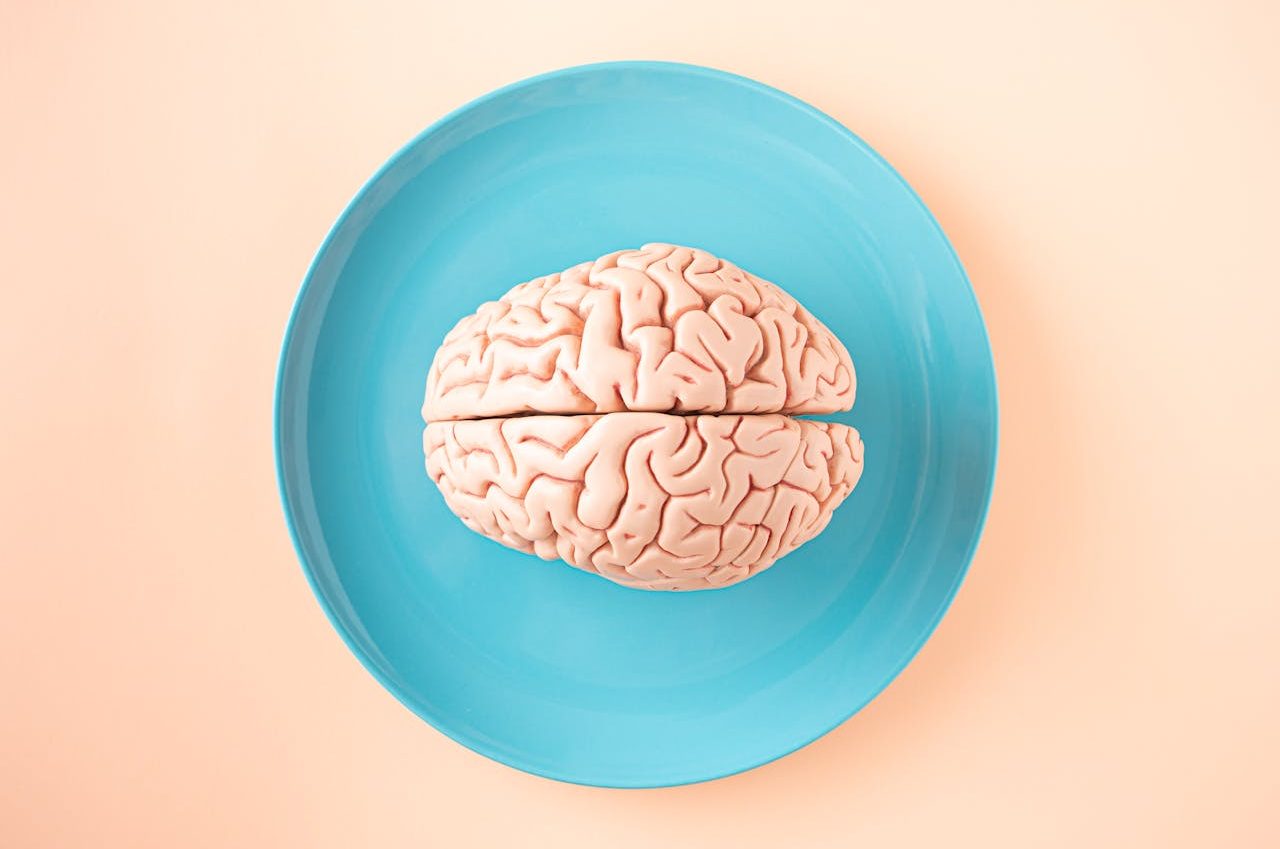
Metabolism, Immunity, and Brain Health
Strength training supports the brain through whole-body systems:
1. Better Blood Sugar Control
- Helps regulate glucose levels
- Improves insulin sensitivity
- Reduces risk factors linked to dementia and depression
2. Lower Inflammation
- Chronic inflammation is strongly linked to brain decline
- More muscle mass is associated with lower inflammatory markers
3. Myokines: Muscle-to-Brain Messengers
When muscles contract, they release signalling molecules called myokines, which:
- Stimulate brain-supporting chemicals like BDNF
- Enhance neural growth and communication
- Support overall brain resilience
Strength Training and Ageing
As we age, both muscle mass and cognitive ability tend to decline—but strength training can slow both processes simultaneously.
Research shows that older adults who lift weights:
- Maintain better memory and reasoning skills
- Stay more independent and mobile
- Reduce their risk of conditions linked to dementia
Importantly, even modest training—twice a week—can deliver meaningful benefits.
Practical Tips to Get Started
You don’t need a gym membership or heavy equipment to begin.
- Start small: Light weights or resistance bands are effective
- Be consistent: Two sessions per week can make a difference
- Train your whole body: Include legs for maximum impact
- Pair with mental activity: Combine exercise with reading or puzzles
- Listen to your body: Progress gradually to avoid injury
Even simple movements at home—like squats, lifts with household items, or resistance band exercises—can support your brain.
What the Experts Say
APA (American Psychological Association)
- Exercise strengthens the brain’s ability to handle stress
- Supports mood through neurotransmitters like dopamine
- Enhances memory, attention, and cognitive flexibility
PubMed Research
- Resistance training helps preserve brain metabolism and neuronal health
- Strength gains are directly linked to positive brain changes
- May slow age-related neurodegeneration
Psychology Today Insights
- Weightlifting supports metabolic and immune health, both crucial for the brain
- Reduces inflammation and improves brain communication pathways
- May offer benefits comparable to some medical interventions for mental health

Takeaway
Strength training is one of the most effective—and underrated—ways to support brain health. It improves memory, enhances mood, and may even protect against cognitive decline. By building physical strength, you’re also investing in mental clarity, resilience, and long-term wellbeing.
❓ FAQ: How Strength Training Boosts Brain Power
1. How often should I do strength training for brain benefits?
Two sessions per week are enough to see improvements in memory, mood, and focus.
2. Do I need heavy weights to benefit my brain?
No. Even light weights or resistance bands can improve brain health if used consistently.
3. Can strength training help prevent dementia?
Research suggests it may help slow cognitive decline and protect brain structure, especially when combined with other healthy habits.
4. Is strength training better than cardio for the brain?
Both are beneficial. Strength training offers unique advantages, especially for metabolism, hormone balance, and neurochemical support.
5. How quickly will I notice mental benefits?
Some improvements, like mood and focus, can appear within weeks. Cognitive changes typically build over months.
This content is for educational purposes and does not replace medical advice...
About the author
Lilla Fonyo is a healthy lifestyle and longevity writer with a background in endurance running, nutrition, and mindful living. She focuses on sustainable habits that support long-term physical and mental wellbeing.
Sources:
www.pmc.ncbi.nlm.nih.gov - Strength gains after 12 weeks of resistance training correlate with neurochemical markers of brain health in older adults: a randomized control 1H-MRS study
www.health.harvard.edu - Weight training may protect the brain from cognitive decline
www.bbc.uk - How lifting weights could improve your body and your mind
www.psychologytoday.com - The Surprising Brain-Health Benefits of Weightlifting
www.apa.org - Working out boosts brain health
www.cdc.gov - Physical Activity Boosts Brain Health