Why Rest Is One of the Most Powerful Daily Habits for Ageing Well
By Lilla Fonyo — Healthy Lifestyle & Longevity Writer
Last Update March 2026
Quick Summary
Rest is not just about sleep—it’s a vital foundation for long-term health, energy and resilience. Quality sleep supports the brain, heart and immune system, while different forms of rest (physical, mental, emotional and more) help the body recover and thrive. Making rest a daily habit can improve how long you live—and how well you live.
Related Articles:
Your body ages rapidly in your 40s and 60s - Discover why ageing accelerates in your 40s and 60s and how to slow it with simple, science-backed healthy habits.
Asian Pilates - The Fusion Fitness Trend Blending East and West - Discover Asian Pilates — a mindful blend of classical Pilates, Tai Chi, and yoga that builds strength, balance, and inner calm.
Low-Impact Exercise - Gentle Movement That Still Gets Results - Discover the benefits of low-impact exercise and how gentle workouts can improve strength, mobility, mood and long-term health.
Nordic Exercise - A Simple, Powerful Way to Move Your Body - Discover Nordic exercise and Nordic walking benefits, from joint-friendly fitness to better heart health and mental well-being.
Pilates Mental Health Benefits: Reduce Stress, Sleep Better - Discover how Pilates boosts mood, reduces stress, improves sleep and supports mental wellbeing through gentle, mindful movement.
Tai Chi: A Gentle Low-Impact Exercise for Body and Mind - Discover the benefits of Tai Chi, a low-impact exercise that improves balance, reduces stress and supports physical and mental health.
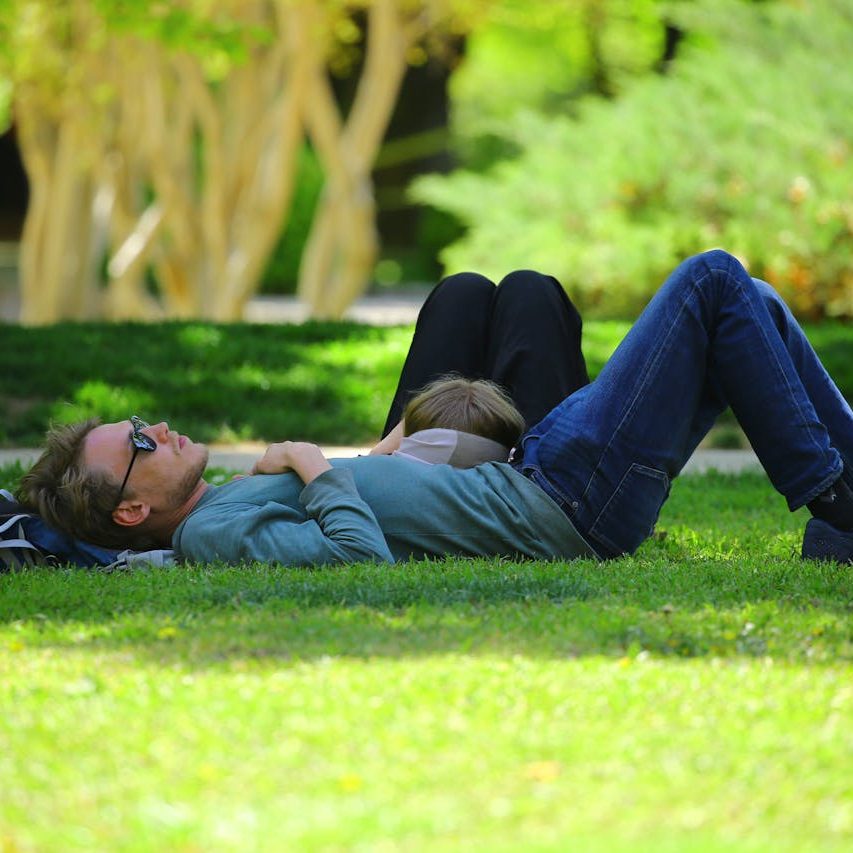
Rest, Sleep and Longevity
When we think about ageing well, we often focus on nutrition, exercise and stress. But rest is just as important—and often overlooked.
Rest is not simply “getting more sleep”. It’s a deeper, more holistic process that supports your body and mind over time. Good rest helps protect your brain, strengthen your immune system, support heart health and improve emotional wellbeing. In short, it’s one of the cornerstones of longevity.
Sleep and Longevity: What the Science Shows
Research involving large populations shows a clear pattern: people who consistently get enough sleep tend to live longer.
Sleep is far from passive. While you sleep:
- Your body repairs tissues and muscles
- Hormones that support growth and recovery are released
- Your brain clears away waste products that build up during the day
- Memories are processed and stored
This nightly “reset” is essential for brain health and may reduce the risk of conditions such as dementia. It also supports mood, decision-making and learning.
Put simply, good sleep improves both lifespan and quality of life.
What Happens When You Don’t Get Enough Rest
Missing out on rest doesn’t just make you tired—it affects your body in subtle but powerful ways over time.
Long-term lack of sleep can:
- Disrupt appetite hormones, leading to increased hunger
- Increase the likelihood of weight gain, especially around the abdomen
- Raise blood pressure and strain the heart
- Affect blood sugar control, increasing the risk of type 2 diabetes
- Reduce the brain’s ability to clear toxins
Research highlighted in PubMed also shows that poor sleep can weaken immune function and increase the risk of conditions such as cardiovascular disease, depression and infections.
These changes build gradually, influencing how quickly we age.
How Much Sleep Do You Really Need?
Most adults need at least 7 hours of sleep per night, though some may need more.
A simple way to check your sleep quality:
- Do you wake up naturally without an alarm?
- Do you feel reasonably alert during the day?
If yes, your sleep is likely supporting your health. If not, your body may need more rest.
As we age, sleep patterns often change—we may wake earlier or sleep more lightly. This is normal, as long as you still feel refreshed overall.
Rest Is More Than Sleep
One of the most important insights in modern wellbeing is that rest has many forms. Sleep is essential—but it’s only one piece of the puzzle.
The 7 Types of Rest
1. Physical rest
Includes sleep, but also gentle recovery like stretching, yoga, baths or simply lying down.
2. Mental rest
Taking breaks from constant thinking and screen time. Quiet moments, mindfulness or time in nature help reset the mind.
3. Emotional rest
Allowing yourself to feel emotions, setting boundaries and spending time with supportive people.
4. Social rest
Balancing time with others and time alone. Even positive socialising can be draining.
5. Sensory rest
Reducing exposure to noise, screens and bright lights. Think calm environments and screen-free evenings.
6. Spiritual rest
Feeling connected and grounded—through nature, reflection, meditation or personal beliefs.
7. Creative rest
Stepping away from productivity to allow ideas and inspiration to flow naturally.
These forms of rest are interconnected—neglecting one often affects the others.

Why Sleep Supports Mental and Physical Health
According to Psychology Today, sleep plays a key role in:
- Emotional regulation
- Stress reduction
- Memory and focus
- Overall life satisfaction
At the same time, poor sleep and mental health challenges can reinforce each other, creating a cycle that’s important to address early.
Physically, sleep helps the body repair itself, strengthens immunity and supports heart health. It also plays a role in reducing inflammation and protecting against chronic disease.
Simple Ways to Improve Your Rest
You don’t need to overhaul your life—small, consistent habits make the biggest difference.
From NHS and clinical guidance:
- Keep a regular sleep schedule (go to bed and wake up at the same time)
- Create a calm bedtime routine
- Make your bedroom cool, dark and quiet
- Limit screens before bed
- Avoid caffeine, nicotine and heavy meals late in the evening
- Get daylight exposure during the day
- Move your body regularly
- Manage stress with mindfulness or journaling
Importantly, don’t try to “force” sleep—resting quietly can still be beneficial.
Making Rest a Daily Habit
One common myth is that we can “catch up” on sleep later. In reality, rest works best when it’s consistent.
Short daily moments of rest—whether physical, mental or emotional—are more powerful than occasional long breaks.
Giving yourself permission to rest is not laziness—it’s essential self-care.
Rest as an Investment in Your Future
Ageing well isn’t about perfection. It’s about listening to your body and supporting it over time.
Rest is not a luxury—it’s a biological need. By prioritizing it, you build resilience, energy and long-term wellbeing.
In doing so, you give yourself the best chance not just to live longer—but to live better.
Expert Insights
NHS
The NHS highlights the importance of sleep hygiene—regular routines, a calming environment and managing stress are key to better sleep and improved mental wellbeing.
PubMed
Scientific research shows that sleep plays a critical role in immune function, inflammation and disease risk. Poor sleep is linked to cardiovascular disease, depression and reduced resistance to infection.
Psychology Today
Experts emphasize the strong connection between sleep, emotional regulation and life satisfaction. Improving sleep is often a key step towards better mental health.

Takeaway
Rest is one of the most powerful, yet underestimated, tools for healthy ageing. Prioritising sleep and embracing different types of rest can improve your physical health, mental clarity and emotional balance. Small daily habits can make a lasting difference.
❓ FAQ: Why Rest Is One of the Most Powerful Tools – for Ageing Well
How many hours of sleep do I need?
Most adults need at least 7 hours per night, though individual needs vary.
Can I catch up on sleep at the weekend?
Not fully. Consistent daily sleep is more effective than trying to recover lost sleep later.
Is too much sleep harmful?
Regularly sleeping more than 9 hours may be linked to underlying health issues and should be discussed with a healthcare professional.
Do naps help or harm?
Short naps can be helpful, but long or late naps may disrupt night-time sleep.
Why do I feel tired even after sleeping?
You may be lacking other forms of rest (mental, emotional, sensory), or your sleep quality may be poor.
Does sleep affect mental health?
Yes—sleep and mental health are closely linked. Poor sleep can worsen stress, anxiety and mood.
This content is for educational purposes and does not replace medical advice…
About the author
Lilla Fonyo is a healthy lifestyle and longevity writer with a background in endurance running, nutrition, and mindful living. She focuses on sustainable habits that support long-term physical and mental wellbeing.
Sources:
www.gq-magazine.co.uk - Sleep for longevity: tweak your shut-eye routine to live longer
www.the-well.com - 7 Types Of Rest You Really Need For Longevity
www.mayoclinic.org - Sleep tips: 6 steps to better sleep
www.pubmed.ncbi.nlm.nih.gov - Why sleep is important for health: a psychoneuroimmunology perspective
www.pubmed.ncbi.nlm.nih.gov - Is it time to put rest to rest?
www.nhs.uk - How to fall asleep faster and sleep better
www.psychologytoday.com - Sleep and Mental Health