Does Eating Slowly Really Help with Weight Loss?
Small Changes That Can Make a Big Difference
By Lilla Fonyo — Healthy Lifestyle & Longevity Writer
August 2026
Quick Summary
Many of us eat our meals in a hurry without giving it much thought. Between busy workdays, family responsibilities and endless distractions, slowing down at mealtimes often feels impossible. However, research suggests that eating more slowly may help you recognise when you're full, reduce overeating and support a healthy weight.
While eating slowly is not a miracle weight-loss solution, it can become a simple daily habit that improves digestion, encourages mindful eating and helps you build a healthier relationship with food. Combined with regular exercise, balanced nutrition and good sleep, slowing down at meals could be one of the easiest longevity habits you adopt.
Best Foods for Healthy Skin and Anti-Ageing - Discover the best foods for healthy skin and anti-ageing, with science-backed insights from nutrition research.
How to Learn Good Habits - Learn how to start small, stay motivated and build habits that last with easy, practical tips for everyday life.
Best Longevity Habits After 40 - Discover the best habits after 40 for longevity, better health, and healthy ageing.
Eat Slower, Live Longer? - The Simple Habit That Can Transform Your Health

Does Eating Slowly Really Help with Weight Loss?
If you've ever finished a meal only to realise you still don't feel satisfied, you're not alone. Many people eat so quickly that their brain doesn't have enough time to recognise they're already full.
In today's fast-paced world, meals are often squeezed between meetings, school runs or scrolling through social media. Eating has become something we rush through instead of enjoying.
The good news is that slowing down doesn't require a special diet, expensive supplements or complicated meal plans. It simply means becoming more aware of how you eat.
Although eating slowly won't automatically make the weight disappear, it may help reduce calorie intake naturally while improving digestion and helping you enjoy your meals more.
Why Does Eating Speed Matter?
Your body is constantly communicating with your brain while you eat.
As food reaches your stomach and digestive system, several hormones begin sending signals that tell your brain you're becoming satisfied. One of the main hunger hormones, ghrelin, gradually falls after eating, while other hormones that promote fullness begin to increase.
The problem is that this communication isn't instant.
It usually takes around 20 minutes before your brain fully recognises that you've had enough to eat.
If you finish your meal in just five or ten minutes, there's a good chance you've eaten more food than your body actually needed before those fullness signals have had time to arrive.
Slowing your pace gives your body the opportunity to catch up, making it easier to stop eating when you feel comfortably satisfied rather than overly full.
Can Eating Quickly Lead to Weight Gain?
Several large studies suggest it can.
Researchers have consistently found that people who describe themselves as fast eaters are more likely to have a higher body weight than slower eaters.
One large study involving middle-aged women found that body mass index (BMI) increased as eating speed increased, even after researchers considered factors such as physical activity, smoking and menopause status.
Other long-term studies have shown similar results, with faster eaters tending to gain more weight over the years compared with people who regularly eat at a slower pace.
It's important to remember that these studies show an association rather than proving direct cause and effect. However, when multiple studies point in the same direction, the evidence becomes much stronger.
How Eating Slowly May Help You Eat Less
One of the biggest benefits of eating more slowly is that you may naturally consume fewer calories without consciously trying to restrict yourself.
Research has shown that people who take longer over their meals often report feeling fuller afterwards, even when they eat less food.
This happens because slower eating allows your body's natural appetite regulation system to work more effectively.
Rather than relying on willpower alone, you're allowing your body's own biological signals to guide when it's time to stop eating.
For many people, this feels much easier than following a strict calorie-controlled diet.
The Surprising Importance of Chewing
Chewing is often overlooked, but it plays a surprisingly important role in healthy eating.
Digestion actually begins in your mouth. As you chew, food is broken into smaller pieces and mixed with saliva, making it easier for your stomach and intestines to digest and absorb nutrients.
Studies have also found that people who chew their food more thoroughly often consume fewer calories during a meal.
Some research suggests that chewing each mouthful more times may increase feelings of fullness while reducing the amount eaten.
There's no perfect number of chews for every bite, as softer foods need less chewing than crunchy vegetables or nuts. The key is simply to avoid swallowing food after only a couple of bites.
Taking your time allows you to enjoy the flavours and textures of your meal while supporting healthy digestion.
More Than Weight Loss: Other Benefits of Eating Slowly
The benefits of slowing down at mealtimes extend well beyond the bathroom scales.
Eating more slowly may also help you:
- Enjoy your meals more instead of rushing through them.
- Improve digestion by allowing food to be broken down properly.
- Reduce bloating caused by swallowing excess air.
- Become more aware of hunger and fullness signals.
- Feel calmer during meals.
- Build healthier eating habits that are easier to maintain over time.
For many people, these benefits become even more valuable than any changes seen on the scales.
Healthy ageing isn't just about body weight—it's about creating daily habits that support your physical and mental wellbeing for years to come.
Practical Ways to Slow Down Your Eating
Changing the speed at which you eat doesn't happen overnight, but small, consistent changes can make a lasting difference. Rather than trying every tip at once, choose one or two that feel realistic and gradually build them into your routine.
1. Sit Down Without Distractions
Try to eat away from your phone, television or computer whenever possible. When you're distracted, it's easy to miss your body's hunger and fullness signals and continue eating without realising it.
Giving your meal your full attention helps you enjoy it more and encourages mindful eating.
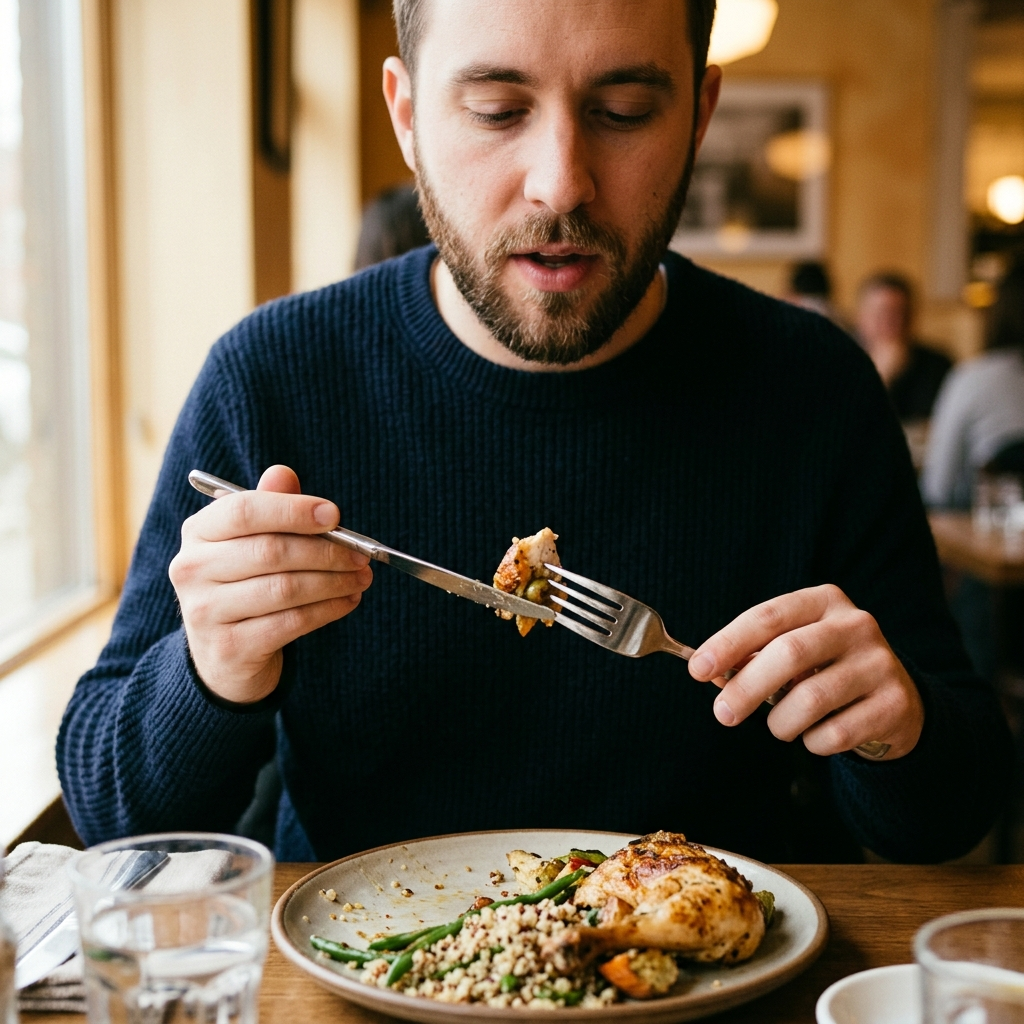
2. Put Your Cutlery Down Between Bites
This simple habit naturally slows your pace.
Finish chewing and swallowing before picking up your fork again. It may feel unusual at first, but many people notice they enjoy their food more and feel satisfied with smaller portions.
3. Chew Your Food Thoroughly
There's no magic number of chews, but aim to chew each mouthful until it's easy to swallow comfortably.
Foods like vegetables, wholegrains, beans and nuts naturally encourage slower eating because they require more chewing than highly processed foods.
4. Don't Wait Until You're Extremely Hungry
When you're starving, you're much more likely to eat quickly.
Eating regular, balanced meals and having healthy snacks available when needed can help prevent overeating later in the day.
5. Drink Water During Meals
Taking small sips of water between bites can help slow your eating naturally while also supporting hydration.
Water shouldn't replace chewing properly, but it can encourage a steadier pace.
6. Make Mealtimes More Enjoyable
Instead of treating meals as another task to complete, try to see them as a chance to pause during a busy day.
Use your favourite plate, sit somewhere comfortable or enjoy a meal with family or friends whenever possible.
Creating a positive eating environment can make it easier to slow down without feeling like you're making an effort.
What Is Mindful Eating?
Eating slowly often goes hand in hand with mindful eating.
Mindful eating simply means paying attention to your food and listening to your body's signals rather than eating on autopilot.
It isn't about following strict rules or judging your food choices.
Instead, it encourages you to notice:
- Whether you're physically hungry.
- How hungry you really are.
- The flavours, textures and aromas of your meal.
- When you begin to feel comfortably full.
- Whether you're eating because of hunger, boredom or stress.
Over time, becoming more aware of these signals may help you develop healthier eating habits that are easier to maintain than restrictive diets.
Eating Slowly Is Only One Piece of the Puzzle
Although slowing down can support healthy weight management, it's important to keep realistic expectations.
Weight loss is influenced by many different factors, including:
- Overall calorie intake.
- Food quality.
- Physical activity.
- Sleep.
- Stress.
- Hormonal changes.
- Age and muscle mass.
Eating slowly won't cancel out an unhealthy lifestyle, but it can become an important habit that supports healthier choices over the long term.
For adults over 40 especially, sustainable habits usually deliver better long-term results than quick-fix diets.
What Does the PubMed Research Say?
Several studies published in PubMed have investigated the relationship between eating speed and body weight.
Current evidence suggests that people who regularly eat quickly are more likely to have a higher body mass index (BMI) and a greater risk of becoming overweight than those who eat more slowly.
Research also indicates that slowing down may improve feelings of fullness during meals, helping some people naturally reduce their calorie intake. However, scientists also point out that many studies are observational, meaning they show an association rather than proving that eating quickly directly causes weight gain.
Overall, the evidence supports eating more slowly as one practical strategy that may contribute to healthy weight management when combined with a balanced diet and regular physical activity.
Takeaway
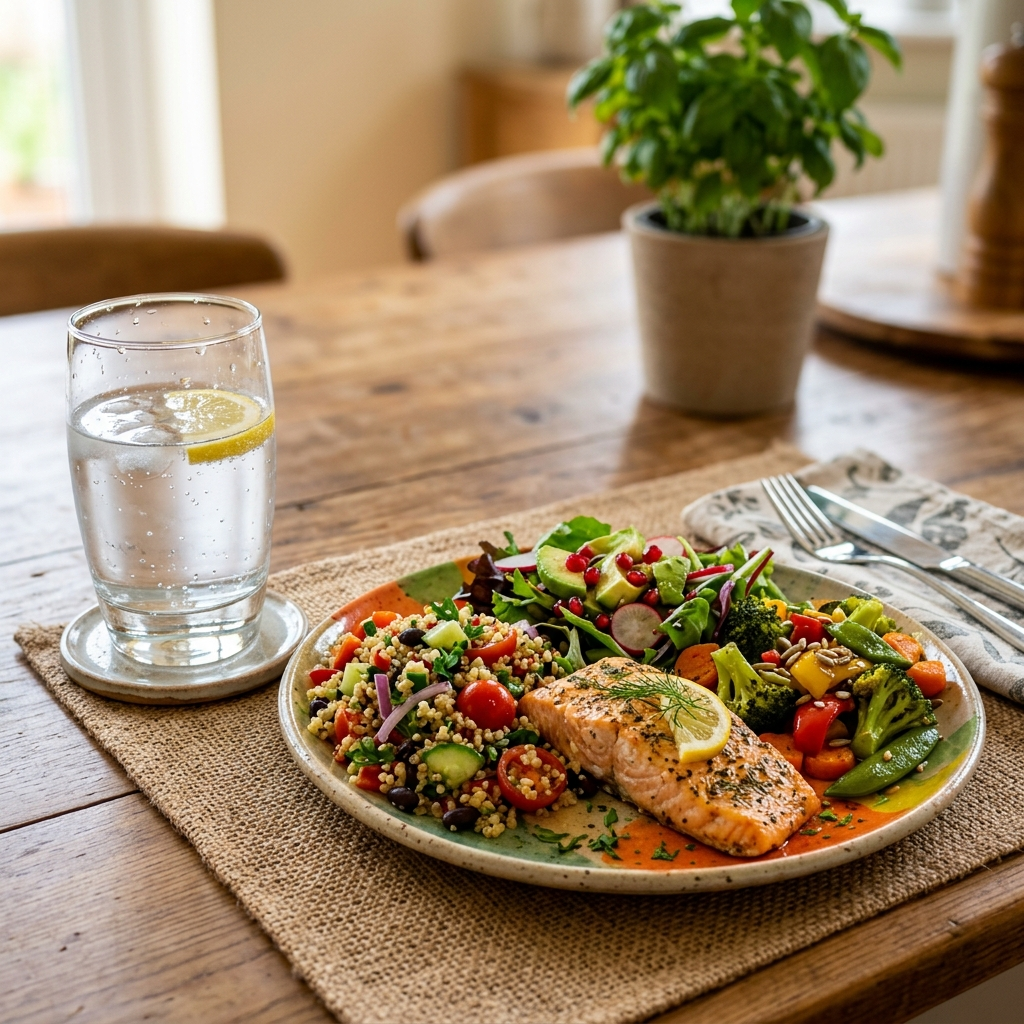
Eating slowly isn't a miracle solution for weight loss, but it may help you eat more mindfully, recognise when you're full and reduce overeating naturally.
Research suggests that people who eat more slowly are often less likely to gain excess weight and may enjoy better digestion and greater meal satisfaction. While more research is still needed to fully understand the relationship, slowing down is a simple, free habit with very few downsides.
Rather than focusing on perfection, aim to make one small improvement at a time. Whether that's putting your fork down between bites, turning off your phone during meals or simply taking a few extra minutes to enjoy your food, these small changes can support healthier eating habits for years to come.
Remember, healthy ageing isn't about following the latest diet—it's about building sustainable habits that fit your lifestyle.
❓ FAQ Does Eating Slowly Really Help with Weight Loss?
Does eating slowly really help you lose weight?
Eating slowly may help with weight management because it gives your brain more time to recognise when you're full. This can naturally reduce calorie intake, although it works best alongside a balanced diet and regular physical activity.
How long should a meal last?
There isn't a perfect time, but many experts suggest aiming for around 20 minutes. This allows your body's natural fullness signals enough time to develop.
Is chewing more important than eating slowly?
Both are connected. Thorough chewing naturally slows your eating and helps start the digestive process. The goal isn't counting every chew but taking enough time to enjoy and properly break down your food.
Can eating too fast affect digestion?
Yes. Eating quickly may increase the amount of air you swallow, which can contribute to bloating and digestive discomfort. Chewing food thoroughly also helps your digestive system work more efficiently.
Does mindful eating help everyone?
Mindful eating can help many people become more aware of their hunger and fullness cues, but it isn't a treatment for eating disorders or medical conditions. If you struggle with your relationship with food, speak with your GP or a registered dietitian for personalised advice.
This content is for educational purposes and does not replace medical advice…
About the author
Lilla Fonyo is a healthy lifestyle and longevity writer with a background in endurance running, nutrition, and mindful living. She focuses on sustainable habits that support long-term physical and mental wellbeing.
Sources:
www.pubmed.ncbi.nlm.nih.gov - The joint impact on being overweight of self reported behaviours of eating quickly and eating until full: cross sectional survey
www.pubmed.ncbi.nlm.nih.gov - Faster self-reported speed of eating is related to higher body mass index in a nationwide survey of middle-aged women
www.bbcgoodfood.com - Why eating slowly could help you lose weight
www.health.harvard.edu - Slow down—and try mindful eating
www.centreforweightloss.com.au - Is eating slow a good way to speed up your weight loss?
www.nutrisense.io - Benefits of Eating Slowly for Weight Loss: How It Works