The Anti-Inflammatory Foods Everyone Over 40 Should Be Eating
(And Why They Matter More Than Ever)
By Lilla Fonyo — Healthy Lifestyle & Longevity Writer
October 2026
Quick Summary
As we get older, low-grade chronic inflammation becomes more common and can contribute to a wide range of health issues, including heart disease, type 2 diabetes, arthritis, cognitive decline, and excess weight gain. The good news is that the foods we eat every day can either fuel inflammation or help calm it.
An anti-inflammatory diet focuses on nutrient-dense whole foods such as oily fish, berries, leafy greens, nuts, seeds, olive oil, and colourful vegetables. For people over 40 and 50, these foods may help support heart health, brain function, joint comfort, healthy ageing, energy levels, and overall wellbeing.
16 Superfoods Worth Adding to Your Diet - Discover 16 superfoods backed by science, their health benefits, expert insights and how to include them in a balanced diet.
Tiny but Mighty: The 6 Healthiest Seeds to Boost Your Energy, Heart & Digestion Naturally - Discover the healthiest seeds, their benefits, and how they support heart, digestion, and disease prevention naturally.
What is a plant-based diet - Learn what a plant-based diet is, its health benefits, NHS guidance and simple tips to start eating more plant foods today.
The 30-Plants-a-Week Habit - Discover the easy way to try the “30 plants a week” approach and support your gut health with simple, enjoyable changes.
Top 10 High-Fibre Foods You Should Eat Daily - Discover the top 10 high-fibre foods to boost your health and meet the daily 30g recommendation in the UK!
Health Benefits of Olive Oil - Discover the proven health benefits of olive oil, from heart and brain health to gut support, longevity and everyday wellbeing.
Avocado Health Benefits - Discover avocado health benefits, nutrition facts, heart support, and how to enjoy them in a balanced UK diet.

Why Inflammation Matters More After 40
Inflammation is not always a bad thing. In fact, acute inflammation is an essential part of the body's healing process. If you cut your finger or catch a virus, inflammation helps your immune system respond and repair damaged tissues.
The problem occurs when inflammation becomes long-term and remains switched on at a low level for years. This is known as chronic low-grade inflammation.
As we age, several factors can contribute to increased inflammation:
- Natural age-related changes in the immune system
- Increased body fat, especially around the abdomen
- Reduced physical activity
- Chronic stress
- Poor sleep quality
- Diets high in ultra-processed foods and added sugars
Scientists sometimes refer to this age-related increase in inflammation as "inflammaging", a process linked to many age-related diseases.
What Can Anti-Inflammatory Foods Do For People Over 40?
While no single food is a miracle cure, a consistently healthy diet may help support:
Better Heart Health
Cardiovascular disease becomes more common with age. Anti-inflammatory foods rich in fibre, omega-3 fats, antioxidants, and polyphenols may help support healthy cholesterol levels, blood vessel function, and overall cardiovascular health.
Helpful foods:
- Oily fish
- Extra virgin olive oil
- Nuts and seeds
- Oats
- Beans and lentils
Improved Joint Comfort and Mobility
Many people begin noticing stiffness or joint discomfort in their forties and fifties.
Certain foods contain compounds that may help support healthy inflammatory responses within the body, which can be beneficial for maintaining mobility and an active lifestyle.
Helpful foods:
- Salmon
- Sardines
- Mackerel
- Turmeric
- Ginger
- Berries
Better Brain Health
Emerging research suggests that chronic inflammation may play a role in cognitive decline and age-related neurological conditions.
A nutrient-rich diet may help support:
- Memory
- Concentration
- Mental sharpness
- Long-term brain health
Helpful foods:
- Blueberries
- Walnuts
- Oily fish
- Leafy greens
- Dark-coloured vegetables
Healthier Weight Management
Many people find that weight management becomes more challenging after 40 due to hormonal changes, lower activity levels, and reduced muscle mass.
Anti-inflammatory foods are often naturally high in:
- Fibre
- Protein
- Healthy fats
These nutrients help increase satiety and support stable blood sugar levels.
Helpful foods:
- Legumes
- Vegetables
- Whole grains
- Nuts
- Greek yoghurt
Support for Healthy Ageing
One of the greatest benefits of an anti-inflammatory diet is its potential role in healthy ageing.
Rather than simply living longer, many people want to maintain:
- Energy
- Independence
- Mobility
- Mental clarity
- Quality of life
The foods associated with longevity-focused eating patterns, such as the Mediterranean diet, tend to be naturally anti-inflammatory.
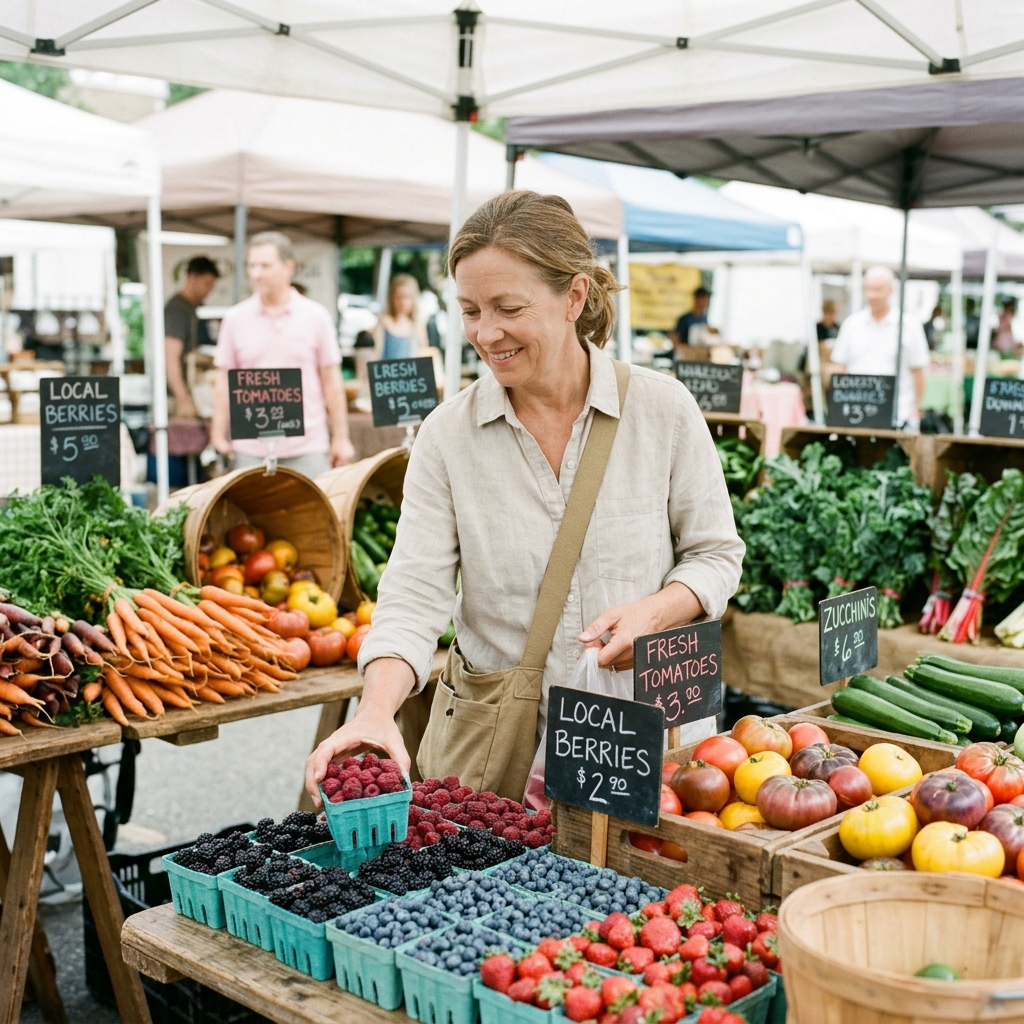
The Best Anti-Inflammatory Foods To Eat After 40
1. Oily Fish
Oily fish are among the richest natural sources of omega-3 fatty acids.
Great choices:
- Salmon
- Sardines
- Mackerel
- Herring
- Trout
Aim for at least two portions of fish per week, with one being oily fish.
2. Berries
Blueberries, strawberries, raspberries, and blackberries are packed with antioxidants known as anthocyanins.
These compounds help protect cells from oxidative stress and support healthy ageing.
Easy ways to eat more:
- Add to porridge
- Blend into smoothies
- Mix with Greek yoghurt
- Enjoy as a snack
3. Leafy Green Vegetables
Dark green vegetables are nutritional powerhouses.
Top choices:
- Spinach
- Kale
- Rocket
- Swiss chard
- Watercress
They provide vitamins, minerals, fibre, and antioxidant compounds linked to lower inflammation.
4. Extra Virgin Olive Oil
A cornerstone of the Mediterranean diet, extra virgin olive oil contains polyphenols and healthy monounsaturated fats.
Use it:
- On salads
- Over vegetables
- In homemade dressings
- For low-temperature cooking
5. Nuts and Seeds
Regular consumption of nuts and seeds has been linked to numerous health benefits.
Best options:
- Walnuts
- Almonds
- Pistachios
- Chia seeds
- Flaxseeds
- Pumpkin seeds
They provide healthy fats, fibre, protein, and minerals.
6. Colourful Vegetables
The more colour on your plate, the wider range of beneficial plant compounds you're likely to consume.
Excellent choices:
- Peppers
- Tomatoes
- Beetroot
- Carrots
- Red cabbage
- Sweet potatoes
Try to "eat the rainbow" throughout the week.
7. Legumes
Beans, lentils, peas, and chickpeas are some of the most underrated foods for healthy ageing.
Benefits include:
- High fibre
- Plant protein
- Blood sugar support
- Heart health support
8. Herbs and Spices
Many herbs and spices contain concentrated plant compounds.
Particularly beneficial:
- Turmeric
- Ginger
- Cinnamon
- Garlic
- Rosemary
They are an easy way to add flavour while increasing nutritional value.
Foods That May Promote Inflammation
It's important to focus on adding beneficial foods rather than creating long lists of restrictions. However, diets regularly high in the following foods have been associated with increased inflammation:
- Ultra-processed foods
- Sugary drinks
- Excessive alcohol
- Refined carbohydrates
- Deep-fried foods
- Processed meats
- Excessive added sugars
An occasional treat is unlikely to be a problem. What matters most is your overall dietary pattern.
Simple Ways To Get Started
You don't need a complete diet overhaul.
Start with these simple habits:
✅ Add one extra portion of vegetables to lunch and dinner
✅ Eat oily fish once or twice per week
✅ Swap butter for extra virgin olive oil
✅ Include berries several times per week
✅ Add beans or lentils to soups, stews, and salads
✅ Replace highly processed snacks with nuts and fruit
✅ Aim for regular movement and quality sleep alongside healthy eating
Small changes performed consistently often produce the biggest long-term results.

Takeaway
After 40, chronic low-grade inflammation can quietly contribute to many age-related health concerns, including heart disease, joint discomfort, weight gain, and reduced energy levels. While no food can stop ageing, an anti-inflammatory eating pattern rich in colourful vegetables, berries, oily fish, nuts, seeds, legumes, and olive oil may help support healthier ageing, better mobility, improved heart health, and overall wellbeing.
The goal isn't perfection. It's building sustainable habits that nourish your body for the long term.
❓ FAQ — The Anti-Inflammatory Foods Everyone Over 40 Should Be Eating
What is the most powerful anti-inflammatory food?
There is no single "best" food. Oily fish, berries, extra virgin olive oil, leafy greens, and nuts consistently rank among the most evidence-supported anti-inflammatory foods.
How quickly can an anti-inflammatory diet work?
Some people notice improvements in energy levels and digestion within a few weeks. Long-term benefits for heart health, weight management, and healthy ageing typically develop over months and years of consistent healthy eating.
Is coffee anti-inflammatory?
Research suggests that moderate coffee consumption may provide antioxidant and anti-inflammatory benefits for many people. However, responses vary between individuals.
Are eggs inflammatory?
For most healthy people, eggs are considered nutrient-dense foods and are not generally associated with increased inflammation when consumed as part of a balanced diet.
Is the Mediterranean diet anti-inflammatory?
Yes. The Mediterranean diet is widely regarded as one of the healthiest eating patterns and naturally includes many anti-inflammatory foods such as olive oil, vegetables, legumes, nuts, fish, and fruit.
Can anti-inflammatory foods help with arthritis?
They cannot cure arthritis, but a diet rich in anti-inflammatory foods may help support overall joint health and reduce some symptoms in certain individuals.
Do I need supplements?
Whole foods should usually be the foundation of a healthy diet. Supplements may be useful in specific situations, but it is best to discuss individual needs with a qualified healthcare professional.
This content is for educational purposes and does not replace medical advice…
About the author
Lilla Fonyo is a healthy lifestyle and longevity writer with a background in endurance running, nutrition, and mindful living. She focuses on sustainable habits that support long-term physical and mental wellbeing.
Sources:
The official UK healthy eating guidance. Supports recommendations on vegetables, fruit, fish, pulses, wholegrains, and healthy fats.
Harvard T.H. Chan School of Public Health: Anti-Inflammatory Diet
Excellent evidence-based overview explaining chronic inflammation, anti-inflammatory foods, and the link between diet and chronic disease.
PubMed: Inflammaging as a Target for Healthy Ageing
Peer-reviewed review article discussing how chronic low-grade inflammation increases with age and contributes to age-related disease.
British Heart Foundation: Mediterranean Diet
Strong evidence explaining why Mediterranean-style eating patterns are associated with better heart health and healthy ageing.
PubMed: Effect of Omega-3 Fatty Acids on Cardiovascular Outcomes
Large systematic review and meta-analysis examining the relationship between omega-3 fats and cardiovascular health. Supports the recommendations for oily fish.
British Nutrition Foundation (BNF): A healthy, balanced diet
Trusted UK nutrition authority providing evidence-based guidance on healthy eating patterns, fruit and vegetables, healthy fats, fibre, and disease prevention.