Menopause and Gluten Intolerance:
Is It Real, or Just Another Midlife Myth?
By Lilla Fonyo — Healthy Lifestyle & Longevity Writer
September 2026
Quick Summary
Many women notice new digestive problems during perimenopause and menopause, including bloating, abdominal discomfort, fatigue, brain fog, constipation, or diarrhoea. This often leads to the question: "Have I suddenly become gluten intolerant?" While menopause does not directly cause coeliac disease or a true gluten allergy, hormonal changes can affect digestion, gut health, inflammation, and the gut microbiome. These changes may make some women more sensitive to gluten-containing foods or reveal an existing intolerance that previously went unnoticed. Research suggests the connection is more about changes in gut function than menopause "creating" gluten intolerance.
Quinoa: The Small Seed That Does It All - Discover easy quinoa recipes, health benefits and cooking tips in this friendly guide to quick, nutritious meals any time of day.
Gluten-Free Eating: Is It Really Healthier or Just a Trend? - Learn the real science behind gluten-free diets, who needs them, and whether avoiding gluten improves health for most people.
What is a plant-based diet - Learn what a plant-based diet is, its health benefits, NHS guidance and simple tips to start eating more plant foods today.
The 30-Plants-a-Week Habit - Discover the easy way to try the “30 plants a week” approach and support your gut health with simple, enjoyable changes.
Top 10 High-Fibre Foods You Should Eat Daily - Discover the top 10 high-fibre foods to boost your health and meet the daily 30g recommendation in the UK!
Fibre Quiz: Test Your Knowledge of High-Fibre Foods - Think you know fibre? Try our quick quiz on high-fibre foods and see how much you know about healthy eating, digestion and gut health.
The Truth About Menopausal Gluten Intolerance: Why Your Favourite Foods May Suddenly Disagree With You
If you've entered your forties or fifties and suddenly find yourself feeling bloated after a sandwich, exhausted after pasta, or uncomfortable after eating foods you've always tolerated, you're not alone.
A growing number of women report digestive changes during perimenopause and menopause. One of the most common concerns is whether hormonal changes can trigger gluten intolerance.
The answer is both simple and complicated.
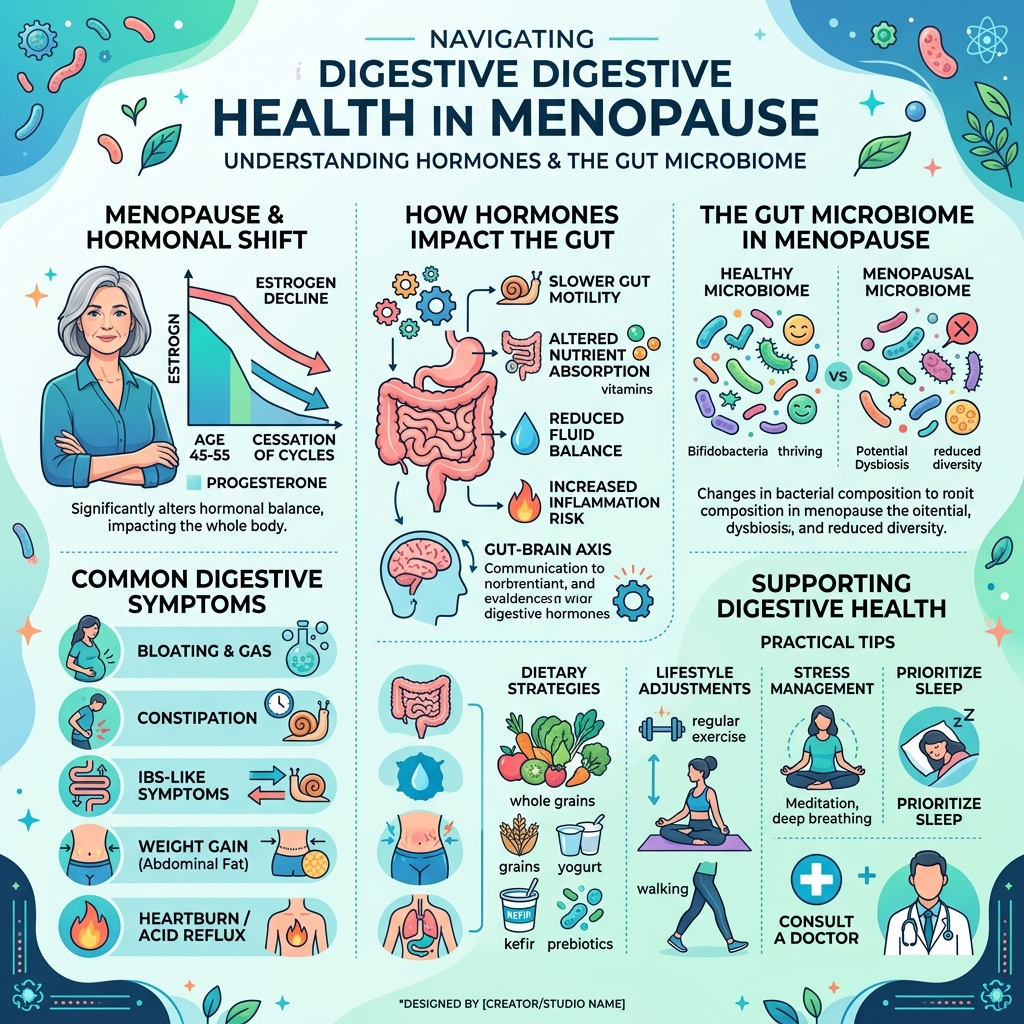
Menopause itself does not directly cause gluten intolerance. However, the hormonal shifts that occur during this stage of life can alter digestion, gut bacteria, immune responses, and inflammation levels. These changes may increase sensitivity to certain foods, including gluten. [pmc.ncbi.nlm.nih.gov], [nature.com]
Understanding what is really happening can help you make informed decisions instead of unnecessarily eliminating foods from your diet.
What Is Gluten?
Gluten is a naturally occurring protein found in:
- Wheat
- Barley
- Rye
- Some oat products (due to contamination during processing)
It gives bread its elasticity and chewy texture and is commonly found in:
- Bread
- Pasta
- Cakes and biscuits
- Breakfast cereals
- Pizza bases
- Beer
- Many sauces and soups
- Some processed foods
For most people, gluten is digested without any problems.
Can Menopause Really Cause Gluten Intolerance?
The scientific evidence suggests that menopause does not directly create gluten intolerance. However, menopause can alter the digestive environment in ways that make gluten-containing foods harder to tolerate. [nature.com], [pmc.ncbi.nlm.nih.gov]
Several factors may contribute.
1. Hormonal Changes Affect Gut Function
As oestrogen levels fall, digestive processes can become less efficient.
Many women notice:
- Slower digestion
- Increased bloating
- Constipation
- Changes in bowel habits
- Greater sensitivity to certain foods
Researchers have found that menopause can affect gastrointestinal function, gut motility, and the composition of the gut microbiota. [nature.com], [pmc.ncbi.nlm.nih.gov]
2. Changes in the Gut Microbiome
The gut microbiome is the community of microorganisms living in your digestive tract.
Studies suggest that menopause is associated with reduced microbial diversity and changes in the balance of gut bacteria. These alterations may influence digestion, inflammation, metabolism, and hormone regulation. [pmc.ncbi.nlm.nih.gov], [frontiersin.org]
When the microbiome is disrupted, some women experience symptoms that resemble food intolerance.
3. Increased Inflammation
Menopause is often linked with increased systemic inflammation.
If the digestive tract becomes more sensitive, foods that were previously well tolerated may trigger bloating, discomfort, or digestive upset. Gluten is sometimes one of those foods. [frontiersin.org], [nature.com]
4. Existing Sensitivities May Become More Noticeable
Many women who believe they developed a new gluten intolerance during menopause may actually have had mild sensitivity for years.
Hormonal changes can amplify symptoms, making an underlying issue more obvious.

Signs You May Be Sensitive to Gluten During Menopause
Common symptoms include:
Digestive Symptoms
- Bloating
- Wind
- Abdominal cramping
- Diarrhoea
- Constipation
- Alternating constipation and diarrhoea
General Symptoms
- Fatigue
- Brain fog
- Headaches
- Low energy
- Joint discomfort
These symptoms can also overlap with menopause itself, which is why identifying the true cause can be challenging.
Is It Gluten Intolerance, Coeliac Disease, or Menopause?
This is an important distinction.
Coeliac Disease
An autoimmune condition where gluten damages the small intestine.
Wheat Allergy
An allergic reaction to wheat proteins.
Non-Coeliac Gluten Sensitivity
Symptoms occur after eating gluten, but without the autoimmune damage seen in coeliac disease.
Menopause-Related Digestive Changes
Hormonal shifts may cause bloating, altered bowel habits, and abdominal discomfort even when gluten is not the problem.
Because symptoms overlap significantly, it is worth seeking medical advice before starting a long-term gluten-free diet.
How Can You Tell If Gluten Is the Problem?
Keep a Food Diary
For two to four weeks, record:
- What you eat
- When you eat
- Symptoms experienced
- Severity of symptoms
Patterns often become clear surprisingly quickly.
Consider an Elimination Trial
Under professional guidance, some women benefit from temporarily removing gluten and then carefully reintroducing it.
Get Tested Before Going Gluten-Free
If coeliac disease is suspected, testing should ideally be completed before eliminating gluten from your diet, as avoiding gluten can affect test results.
Why Gut Health Matters During Menopause
Scientists are increasingly interested in the connection between hormones and the gut microbiome.
Certain gut bacteria help regulate oestrogen metabolism through a collection of microbes known as the "estrobolome". Changes in these bacteria may influence hormone activity and potentially contribute to symptoms such as bloating, fatigue, brain fog, weight gain, and digestive discomfort. [pmc.ncbi.nlm.nih.gov], [frontiersin.org]
This helps explain why many women experience digestive symptoms during menopause even if gluten isn't the primary culprit.
Can Sourdough Be Easier to Digest?
Interestingly, some women who struggle with standard bread report fewer symptoms when eating traditional sourdough.
This is because long fermentation can partially break down gluten and other compounds before the bread is consumed.
While sourdough is not suitable for people with coeliac disease unless specifically certified gluten-free, some women with mild sensitivities find it gentler on digestion.
Supporting Your Gut During Menopause
Whether gluten is involved or not, these habits may help improve digestive health:
Eat More Fibre
Aim for a variety of:
- Vegetables
- Fruits
- Beans
- Lentils
- Whole grains (if tolerated)
Include Fermented Foods
Examples include:
- Kefir
- Natural yoghurt
- Kimchi
- Sauerkraut
- Miso
Prioritise Protein
Protein helps support muscle maintenance, energy levels, and overall health during menopause.
Stay Hydrated
Adequate water intake supports healthy digestion and bowel function.
Exercise Regularly
Physical activity helps stimulate gut motility and may reduce constipation.
Manage Stress
The gut and brain are closely linked. Stress can worsen IBS-like symptoms and digestive discomfort.
What About Weight Gain?
Some women find that reducing highly processed gluten-containing foods leads to weight loss.
However, this is often because they have reduced consumption of:
- Cakes
- Biscuits
- Pastries
- Pizza
- Refined carbohydrates
Gluten itself is not inherently fattening.
Replacing processed foods with a balanced, nutrient-rich diet is usually the key factor.
What Does PubMed Say?
Current research from PubMed-indexed studies suggests:
- Menopause affects gastrointestinal health, gut motility, and the gut microbiome. [nature.com]
- Lower oestrogen levels may contribute to changes in gut bacteria and digestive function. [pmc.ncbi.nlm.nih.gov], [frontiersin.org]
- Menopausal women often report increased gastrointestinal symptoms including bloating, constipation, and IBS-like symptoms. [nature.com]
- Changes in the gut microbiome may influence inflammation, hormone metabolism, and digestive comfort. [pmc.ncbi.nlm.nih.gov], [pubmed.ncb...lm.nih.gov]
- Existing evidence does not confirm that menopause directly causes gluten intolerance, but it supports a role for hormonal changes in digestive symptoms that can mimic or worsen food sensitivities. [nature.com], [pmc.ncbi.nlm.nih.gov]

Takeaway
Menopause does not appear to directly cause gluten intolerance, but it can create digestive changes that make gluten-containing foods feel harder to tolerate. Hormonal fluctuations, altered gut bacteria, inflammation, and slower digestion may all contribute to symptoms such as bloating, fatigue, brain fog, and bowel changes. Before cutting out gluten completely, keep a food diary, consider medical testing where appropriate, and focus on supporting overall gut health. Often, improving digestive wellbeing can make a significant difference, whether gluten is involved or not.
❓ FAQ – Menopause and Gluten Intolerance
Can menopause suddenly make me gluten intolerant?
Not directly. However, menopausal changes can affect digestion and make symptoms associated with gluten sensitivity more noticeable.
What are the most common symptoms?
Bloating, wind, abdominal cramps, constipation, diarrhoea, fatigue, and brain fog.
Should I stop eating gluten immediately?
Not necessarily. It's best to track symptoms and consider testing for coeliac disease before removing gluten from your diet.
Is bloating during menopause always caused by gluten?
No. Hormonal fluctuations, stress, changes in gut bacteria, constipation, and other food sensitivities can all contribute.
How long does gluten stay in the body?
For most people, gluten passes through the digestive tract within approximately 2 to 3 days, although symptoms may last longer in sensitive individuals.
Can improving gut health reduce symptoms?
Possibly. Many women find that increasing fibre, eating fermented foods, staying active, and managing stress improves digestive comfort.
Is sourdough better than normal bread during menopause?
Some women find it easier to digest due to the fermentation process, but it is still not suitable for people with coeliac disease unless certified gluten-free.
Should I take probiotics?
Some evidence suggests probiotics may support gut health during menopause, but benefits vary between individuals.
This content is for educational purposes and does not replace medical advice…
About the author
Lilla Fonyo is a healthy lifestyle and longevity writer with a background in endurance running, nutrition, and mindful living. She focuses on sustainable habits that support long-term physical and mental wellbeing.
Sources:
www.avogel.co.uk - Can menopause cause gluten intolerance?
www.uklabs.co.uk - Menopause Links to Food Sensitivities
www.wearegoodinbread.com - Managing menopause with sourdough
www.cookunity.com - How Long Does Gluten Stay in Your System?
pubmed.ncbi.nlm.nih.gov - Menopause and gastrointestinal health and disease
www.mymenopausecentre.com - How good gut health can improve menopause symptoms