How to Boost Oestrogen Naturally at Every Age:
A Complete Guide for Women from Their 20s to Their 60s
By Lilla Fonyo — Healthy Lifestyle & Longevity Writer
September 2026
Quick Summary
Oestrogen is one of the most important hormones in a woman's body, influencing everything from reproductive health and bone strength to mood, skin, energy levels and heart health. While oestrogen levels naturally fluctuate throughout life, healthy lifestyle choices, proper nutrition, regular exercise and medical treatments when appropriate can help support hormonal balance. This guide explores practical ways to support healthy oestrogen levels during each stage of life, from your twenties through to post-menopause, while separating scientific facts from common myths. According to the NHS, menopause and perimenopause are natural stages of life caused by declining hormone levels, and lifestyle measures can play an important role in managing symptoms and maintaining long-term health.
Related Articles:
Can Food Increase Oestrogen - Learn which foods may naturally support healthy oestrogen levels, what phytoestrogens really do and the science behind menopause nutrition.
Food Noise Explained - Food noise is not a personal failure—it’s your brain doing its job, sometimes a little too loudly.
The 30-Plants-a-Week Habit - Discover the easy way to try the “30 plants a week” approach and support your gut health with simple, enjoyable changes..
Best Exercises for Longevity - Discover the best exercises for longevity, strength, mobility, heart health, and healthy ageing backed by expert research.
Strength Training for Over 40s: Build Muscle & Protect Health - Strength training for over 40s made simple. Build muscle, protect bones, boost heart health and stay strong with expert-backed advice.
Low-Impact Exercise - Gentle Movement That Still Gets Results - Discover the benefits of low-impact exercise and how gentle workouts can improve strength, mobility, mood and long-term health.
Asian Pilates: The Gentle Fitness Trend - Discover Asian Pilates — a mindful blend of classical Pilates, Tai Chi, and yoga that builds strength, balance, and inner calm.

Why Oestrogen Matters More Than Most Women Realise
Oestrogen is often referred to as the primary female sex hormone, but its role goes far beyond reproduction. It helps regulate menstrual cycles, supports bone density, contributes to heart health, affects skin elasticity, influences mood and plays a vital role in cognitive function.
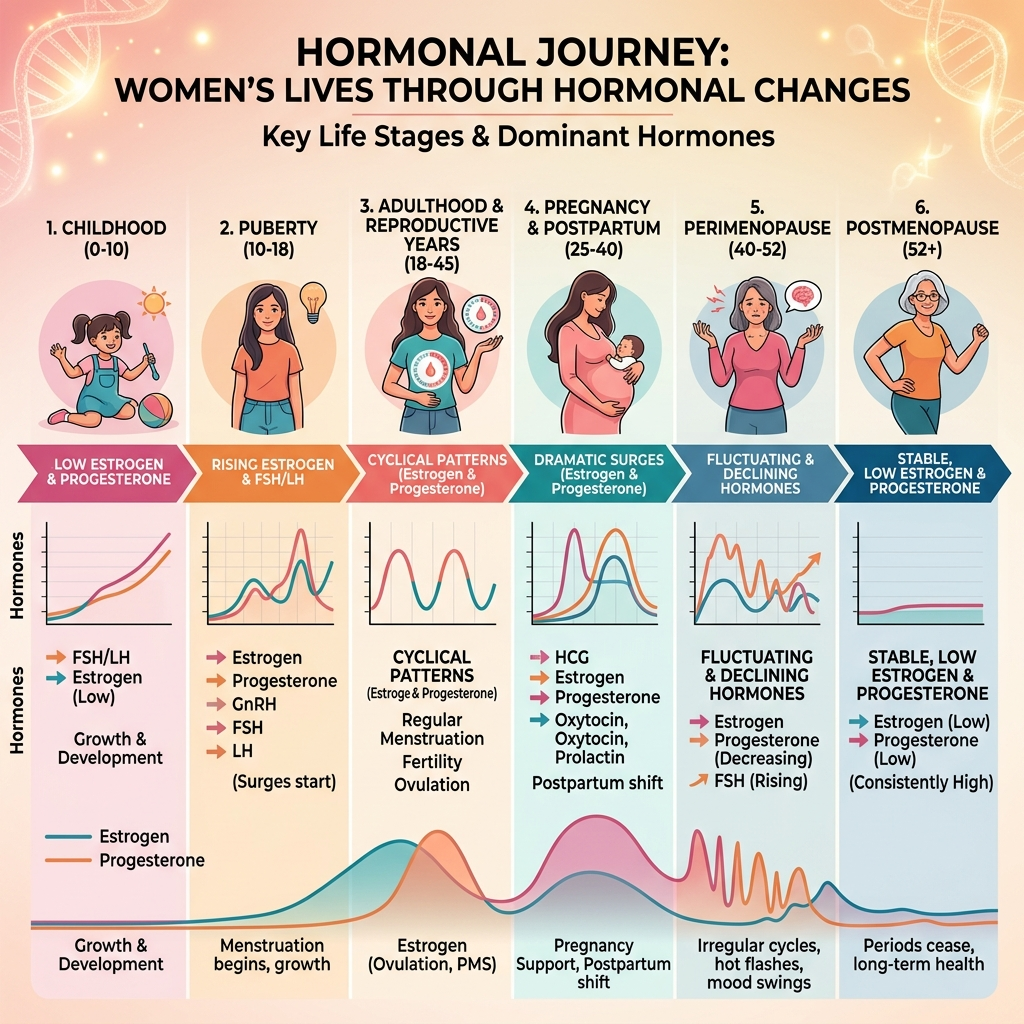
As women move through different life stages, oestrogen levels naturally rise and fall. These hormonal shifts can affect wellbeing in many ways, leading to symptoms such as irregular periods, fatigue, hot flushes, sleep difficulties, mood changes and reduced libido. During menopause, declining oestrogen levels can also increase the risk of osteoporosis and cardiovascular disease. [nhs.uk], [cuh.nhs.uk]
The good news is that many lifestyle factors can support healthy hormone function and help minimise unwanted symptoms.
Supporting Healthy Oestrogen in Your 20s
For most women, oestrogen levels are naturally at their highest and most stable during their twenties.
Rather than trying to "boost" oestrogen, the goal should be maintaining optimal hormone production.
Focus on:
- Eating enough calories to support hormone production
- Avoiding crash diets and excessive calorie restriction
- Consuming healthy fats from olive oil, avocados, nuts and oily fish
- Managing stress effectively
- Getting seven to nine hours of sleep each night
- Maintaining a healthy body weight
Very low body fat levels, excessive exercise and restrictive eating patterns can disrupt hormone production and cause menstrual irregularities.
Helpful Foods
- Salmon and mackerel
- Avocados
- Nuts and seeds
- Eggs
- Whole grains
- Beans and lentils
Supporting Healthy Oestrogen in Your 30s
Many women begin juggling demanding careers, family responsibilities and busy lifestyles during their thirties.
Chronic stress may affect hormonal balance through increased cortisol production.
Prioritise:
- Regular meals
- Strength training
- Stress management techniques
- Good sleep hygiene
- Nutrient-rich whole foods
Phytoestrogen-containing foods may be beneficial for some women.
Foods Rich in Phytoestrogens
- Soybeans
- Tofu
- Tempeh
- Edamame beans
- Flaxseeds
- Chickpeas
- Sesame seeds
These foods contain naturally occurring plant compounds that can have mild oestrogen-like effects in the body.
Supporting Healthy Oestrogen in Your 40s: The Perimenopause Years
Perimenopause often begins in the forties, although it can start earlier. During this stage, hormone levels may fluctuate significantly before eventually declining.
According to the NHS, symptoms may include:
- Hot flushes
- Night sweats
- Irregular periods
- Mood changes
- Sleep disturbances
- Brain fog
- Vaginal dryness
Natural Ways to Support Hormonal Health
Increase Protein Intake
Adequate protein supports muscle maintenance and healthy ageing.
Strength Training
The NHS and Cambridge University Hospitals NHS Foundation Trust recommend weight-bearing and resistance exercise to help maintain bone strength and overall health during menopause and perimenopause. [nhs.uk], [cuh.nhs.uk]
Prioritise Bone Health
Include:
- Milk
- Yoghurt
- Cheese
- Kale
- Broccoli
- Fortified foods
Calcium and vitamin D become increasingly important as oestrogen levels decline. [nhs.uk], [cuh.nhs.uk]
Maintain a Healthy Weight
Research suggests both obesity and being significantly underweight may negatively affect hormonal balance.
Supporting Healthy Oestrogen in Your 50s and Beyond
Menopause is officially diagnosed after twelve consecutive months without a period.
The decline in oestrogen at this stage is entirely natural.
Focus on Long-Term Health
Keep Moving
Activities such as:
- Walking
- Dancing
- Resistance training
- Hiking
- Yoga
can help support bone health and mobility.
Eat for Healthy Ageing
Prioritise:
- Colourful vegetables
- Fruits
- Whole grains
- Lean proteins
- Healthy fats
Protect Your Bones
The risk of osteoporosis increases after menopause due to declining oestrogen levels. Weight-bearing exercise and adequate calcium intake remain essential.
Can Foods Really Boost Oestrogen?
The answer is both yes and no.
Most foods cannot directly increase oestrogen production in the same way as medication.
However, some foods contain phytoestrogens, compounds that may interact with oestrogen receptors in the body.
Examples include:
- Soy products
- Flaxseeds
- Chickpeas
- Lentils
- Sesame seeds
Studies continue to investigate their role in menopausal symptom management, though evidence shows benefits can vary from person to person.
When to Speak with Your GP
Lifestyle changes are valuable, but they are not always enough.
Speak with a healthcare professional if you experience:
- Severe hot flushes
- Persistent sleep problems
- Significant mood changes
- Pain during intercourse
- Irregular or very heavy bleeding
- Symptoms affecting daily life
According to the American College of Obstetricians and Gynecologists, hormone therapy remains the most effective treatment for menopausal symptoms when it is suitable for the individual woman. [guidelinecentral.com], [acog.org]
What Does PubMed Research Say?
PubMed is one of the world's largest databases of peer-reviewed medical research.
Current research suggests:
Soy Isoflavones
Several studies indicate soy-derived isoflavones may help reduce certain menopausal symptoms in some women, although results are mixed.
Exercise
Research consistently shows that regular physical activity supports bone health, cardiovascular health, body composition and mental wellbeing during and after menopause.
Hormone Replacement Therapy (HRT)
Research continues to show that HRT can be highly effective for managing menopausal symptoms when prescribed appropriately and after assessing individual risks and benefits.
Bone Health
Numerous studies demonstrate that resistance training and weight-bearing exercise can help maintain bone density as oestrogen levels fall.
Common Myths About Oestrogen
Myth: More oestrogen is always better
False. Hormonal balance is more important than having higher levels.
Myth: Supplements are always safer than medicines
False. Herbal supplements can have side effects and may interact with medications.
Myth: Menopause means poor health
False. Many women thrive after menopause and enjoy decades of healthy living.
Myth: Soy products are harmful for most women
Current research generally supports moderate soy consumption as part of a healthy balanced diet.
Takeaway
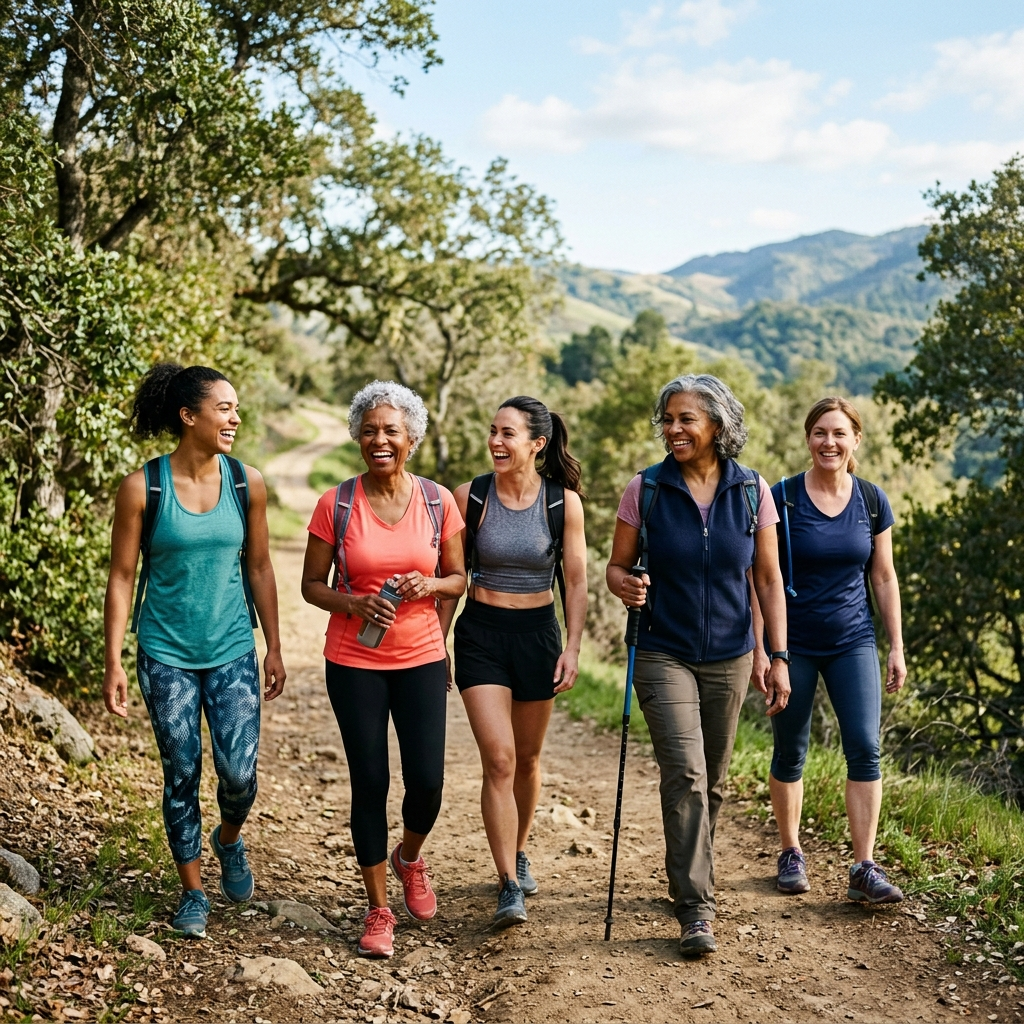
Oestrogen naturally changes throughout a woman's life, and the best approach is not necessarily to "boost" it but to support healthy hormonal balance. A nutritious diet, regular exercise, strength training, quality sleep, stress management and maintaining a healthy body weight can all help. If symptoms become severe or begin affecting your quality of life, speak with your GP about evidence-based treatment options, including HRT. Healthy hormones start with healthy habits.
❓FAQ: Boost Oestrogen Naturally
What are the signs of low oestrogen?
Common signs include fatigue, hot flushes, night sweats, mood changes, poor sleep, brain fog, vaginal dryness and irregular periods.
Can I increase oestrogen naturally?
You may be able to support healthy hormonal function through diet, exercise, sleep and stress management, although natural methods typically have a much smaller effect than prescribed hormone treatments.
Which foods contain the most phytoestrogens?
Soybeans, tofu, tempeh, flaxseeds, chickpeas, lentils and sesame seeds.
Does exercise increase oestrogen?
Exercise supports overall hormonal health, although its main benefits include improved bone strength, weight control, cardiovascular health and wellbeing.
Is HRT safe?
For many women, HRT is safe and effective. Treatment should always be individualised and discussed with a healthcare professional.
At what age does oestrogen begin to decline?
For most women, noticeable declines begin during perimenopause, typically in the forties, although timing varies.
Can low oestrogen cause weight gain?
Hormonal changes during perimenopause and menopause can contribute to changes in body composition and fat distribution, although weight gain is influenced by multiple factors.
This content is for educational purposes and does not replace medical advice...
About the author
Lilla Fonyo is a healthy lifestyle and longevity writer with a background in endurance running, nutrition, and mindful living. She focuses on sustainable habits that support long-term physical and mental wellbeing.
Sources:
NHS – Menopause and Perimenopause
NHS – Things You Can Do to Help Menopause and Perimenopause Symptoms
Cambridge University Hospitals NHS Foundation Trust – Menopause: A Healthy Lifestyle Guide
American College of Obstetricians and Gynecologists (ACOG) – Menopause
American College of Obstetricians and Gynecologists – Management of Menopausal Symptoms Guidance
PubMed Research Database: Soy Isoflavones and Menopause
PubMed Research Database: Exercise and Menopause