Short Meditation Techniques
Simple, science-backed ways to feel calmer in minutes
By Lilla Fonyo — Healthy Lifestyle & Longevity Writer
Update April 2026
Quick Summary
Short meditation techniques can help you relax, refocus, and reduce stress in as little as 30 seconds. By using simple tools like breathing, body awareness, and mindful pauses, you can calm your nervous system and improve your wellbeing—even on the busiest days. These quick practices are easy to fit into everyday life and can build resilience over time.
Healthy Work-Life Balance - Learn how to build a healthy work-life balance, prevent burnout and improve wellbeing with practical, research-backed tips.
Why Job Satisfaction Matters for You - Learn why job satisfaction is essential for mental health, wellbeing and confidence, and how fulfilling work can improve daily life.
How Happiness Impacts Health - Discover how happiness improves health, strengthens relationships and boosts wellbeing, plus simple habits to feel happier every day.
Embracing Discomfort for Happiness - Learn how embracing discomfort builds resilience, retrains your brain, and helps you feel happier in a world built for comfort.
The Surprising Secret to Happiness in the Second Half of Life - Harvard happiness expert Dr Arthur Brooks shares how to find lasting joy in midlife by wanting less and focusing on what truly matters.
Emotional Intelligence and Wellbeing - Learn what emotional intelligence is, why it matters more than IQ, and how improving EQ can boost wellbeing, relationships, and success.
Happier? More Satisfied? More fulfilled? - Dynamic of Conditionality - Stop waiting for “someday.” Learn how emotional intelligence helps you feel happier, more satisfied, and fulfilled by taking action today.
Useful Links
Free Guided Meditation and Mindfulness Practices from Breath Works: https://www.breathworks-mindfulness.org.uk/free-meditations
Headspace | Mini meditation | Breathe: https://www.youtube.com/watch?v=cEqZthCaMpo
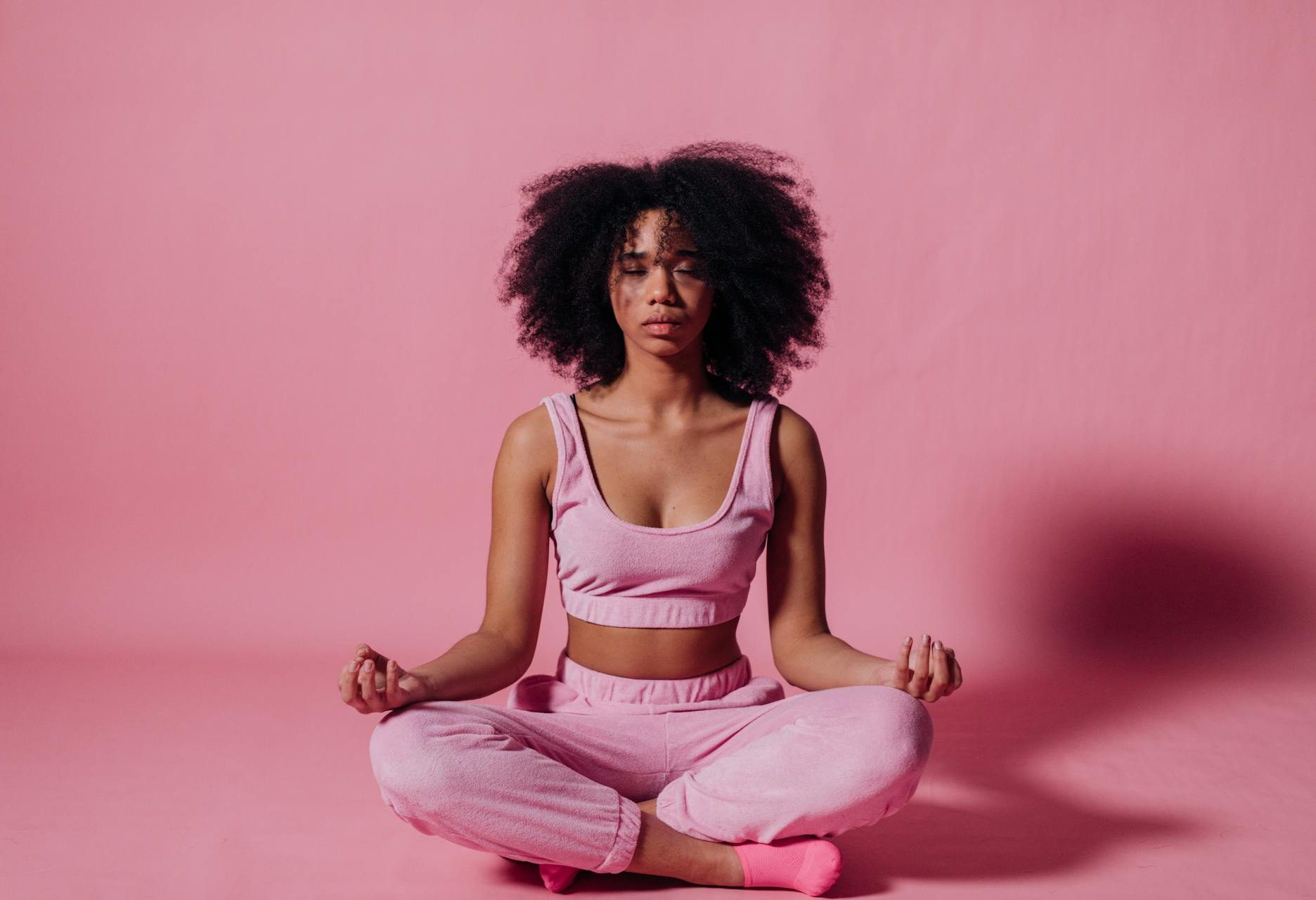
Short Meditation Techniques
Life rarely gives us long stretches of uninterrupted calm. Between work, family responsibilities, and constant notifications, finding half an hour to meditate can feel unrealistic. The reassuring truth is that you don’t need that much time.
Short meditation techniques—often lasting just a few seconds or minutes—can be surprisingly effective. These “mini-meditations” are simple, discreet, and easy to fit into your day, whether you’re at your desk, waiting in a queue, or stuck in traffic.
Why Short Meditations Work
Meditation isn’t about sitting still for long periods. At its core, it’s about paying attention to the present moment with openness and without judgement.
Even brief pauses can:
- Calm the nervous system
- Slow racing thoughts
- Improve emotional balance
- Reduce stress levels
Research shows that mindfulness practices can support both mental and physical health. While short meditations won’t replace proper rest or holidays, they offer quick resets—and their benefits build with regular use.
Start with the Breath
If you try just one thing, focus on your breathing.
A slow inhale and gentle exhale can signal safety to your body and help shift you out of stress mode.
Try this simple exercise:
- Sit or stand comfortably
- Breathe in slowly through your nose
- Breathe out gently through your mouth
- Repeat for a few breaths
That’s all it takes to begin.
Quick Techniques You Can Use Anywhere
1. Name What You’re Feeling
Quietly label your emotion: “stressed”, “anxious”, or “overwhelmed”.
This helps engage the thinking brain and reduces emotional intensity.
2. Open-Eye Mindfulness
Keep your eyes open and notice your surroundings—colours, shapes, movement—without analysing.
It’s subtle and easy to do anywhere.
3. One-Minute Body Scan
Bring awareness slowly from your head down to your toes.
Notice sensations without trying to change them.
4. Breath Counting
Count each breath from one to five, then repeat.
If you lose count, gently start again.
5. The Half-Smile
Relax your face and allow a slight smile.
Even a small smile can ease tension in body and mind.
Ground Yourself in the Present
When stress pulls you into worries or regrets, grounding techniques can bring you back to now.
Try this:
Notice five things you can see, hear, feel, or smell.
This simple exercise reconnects you with your surroundings and reduces overthinking.
Cultivate Self-Compassion
If your inner voice becomes critical, pause and respond with kindness.
Try saying:
“May I be kind to myself in this moment.”
Self-compassion helps calm your mind and builds emotional resilience.
Gratitude in a Minute
Take 30–60 seconds to notice something positive:
- A warm drink
- A friendly message
- A quiet moment
Gratitude gently shifts your focus away from stress.
When You Have a Little More Time
If you can spare a few extra minutes, try:
- Visualisation: Imagine a calm place like a beach or forest
- Mantras: Repeat a calming word such as “peace”
- Mindful observation: Watch thoughts or sensations come and go
Even five minutes can make a noticeable difference.
Insights from Experts
Psychology Today: Micro-Meditations
Experts highlight that meditation isn’t just about reducing stress—it’s also about enhancing positive emotions like compassion and connection. Practices such as deep breathing, mindful walking, or even enjoying a cup of tea can calm the body and activate relaxation responses.
The “mindful pause” is especially powerful. It involves briefly stopping during stressful moments, noticing your body, naming emotions, and reconnecting with your breath. This helps you respond thoughtfully rather than react impulsively.
British Heart Foundation: Meditation and Health
The British Heart Foundation emphasises that chronic stress can negatively affect heart health, increasing risks such as high blood pressure and heart disease.
Short practices like body scan meditation can:
- Lower stress levels
- Improve emotional responses
- Support healthier lifestyle choices
- Potentially reduce inflammation
Even a simple three-minute body scan can help release tension and promote calm.
Make It Work for You
Not every technique will suit everyone—and that’s perfectly fine.
Think of these practices as tools. Try a few, keep what works, and adapt them to your lifestyle.
You don’t need silence, special equipment, or lots of time.
Just a moment of awareness.
Sometimes, 30 seconds is enough to feel calmer and clearer.
Takeaway
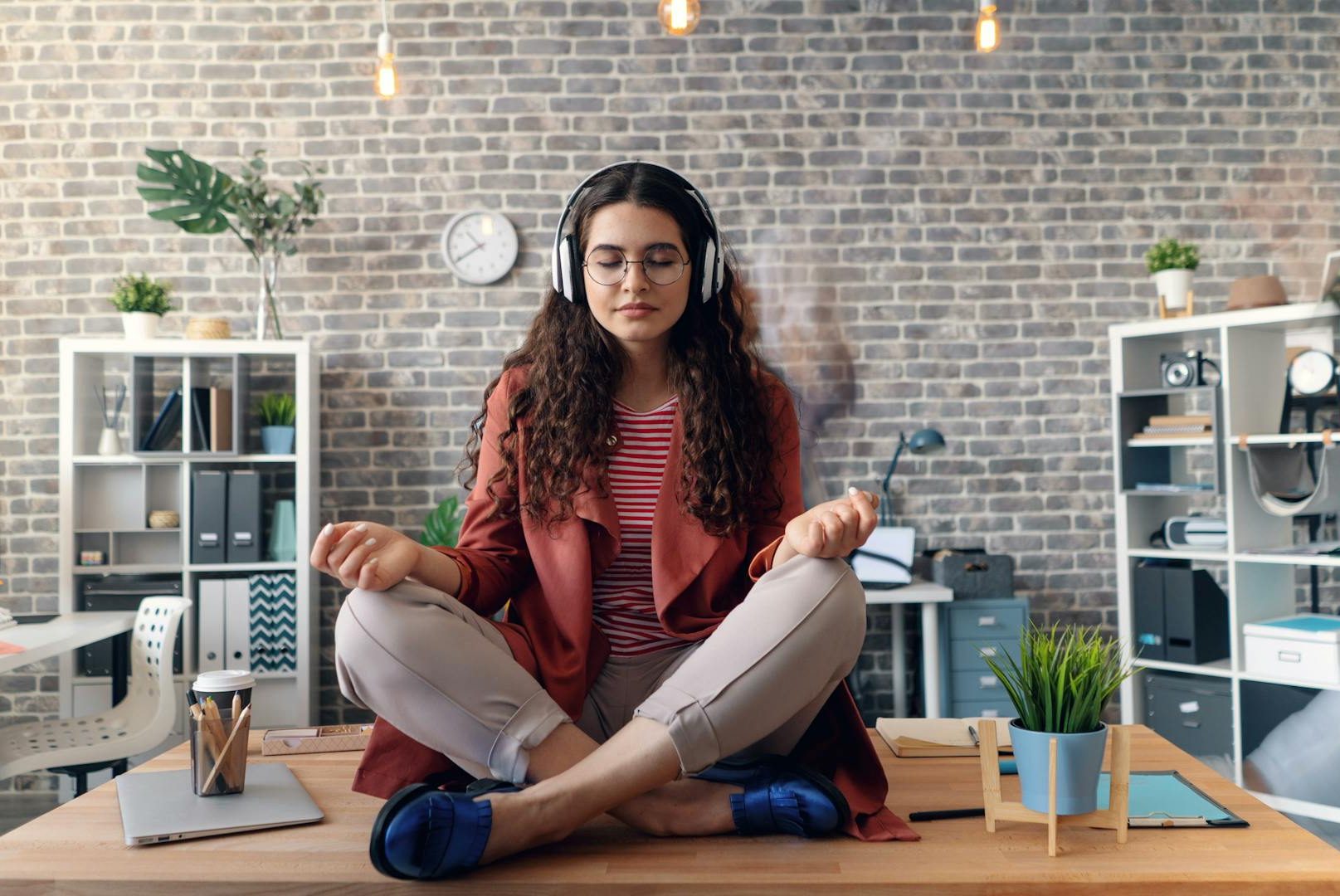
Short meditation techniques are practical, flexible, and powerful.
By pausing, breathing, and bringing your attention to the present moment, you can quickly reduce stress and improve your wellbeing.
Small moments of mindfulness, repeated often, can lead to lasting change.
❓ FAQ - Short Meditation Techniques
Do short meditations really work?
Yes. Even brief mindful moments can calm the nervous system and reduce stress, especially when practised regularly.
How often should I practise?
You can practise multiple times a day. Even a few seconds at a time can be beneficial.
Do I need to sit still or close my eyes?
No. Many techniques can be done with eyes open or while moving.
Can meditation help with anxiety?
It can help manage anxiety by reducing reactivity and promoting calm awareness.
What if my mind keeps wandering?
That’s normal. Gently bring your attention back—this is part of the practice.
Is breathing really that powerful?
Yes. Slow, deep breathing activates your body’s relaxation response.
How long before I notice results?
Some benefits are immediate, while others build over time with consistent practice.
This content is for educational purposes and does not replace medical advice…
About the author
Lilla Fonyo is a healthy lifestyle and longevity writer with a background in endurance running, nutrition, and mindful living. She focuses on sustainable habits that support long-term physical and mental wellbeing.
Sources:
www.psychologytoday.com - 5 Micro-Meditations to Reduce Stress
www.psychologytoday.com - The Mindful Pause: A Powerful Micro-Practice
www.bhf.org.uk - 3-minute mindful meditation for stress relief
www.insighttimer.com - 15 Quick Easy Ways To Meditate: A Beginner’s Guide To A Lasting Effective Practice
www.verywellmind.com - A Quick and Simple 5-Minute Meditation