Potassium Power:
The Essential Mineral Your Body Can’t Live Without
By Lilla Fonyo — Healthy Lifestyle & Longevity Writer
April 2026
Quick Summary
Potassium is a vital mineral and electrolyte that supports heart rhythm, muscle function, nerve signals, and healthy blood pressure. Despite its importance, many people don’t get enough from their diet. The good news? By eating a variety of whole foods—especially fruits, vegetables, and legumes—you can easily boost your intake and support your overall health.
Best Spring Vegetables to Eat Now for Health and Fresh Flavour - Discover the best spring vegetables, their health benefits and how to cook seasonal produce for fresher, tastier meals.
Why Iron Is Important: Benefits, Foods & Deficiency Signs - Learn why iron is essential, signs of deficiency, best foods, and expert UK advice.
The Truth About Superfoods: Myth vs Reality Explained - Discover the truth about superfoods, myths vs facts, and what really makes a healthy diet work long-term.
What is a plant-based diet - Learn what a plant-based diet is, its health benefits, NHS guidance and simple tips to start eating more plant foods today.
The 30-Plants-a-Week Habit - Discover the easy way to try the “30 plants a week” approach and support your gut health with simple, enjoyable changes.
What Is Potassium?
Potassium is an essential mineral found in many foods. Your body can’t produce it, so you must get it through your diet. It plays a crucial role in maintaining fluid balance, supporting cell function, and helping your organs work properly.
In simple terms, potassium acts like a tiny electrical conductor in your body—keeping everything from your heartbeat to your muscles running smoothly.
Why Is Potassium Important for the Body?
When potassium dissolves in your body fluids, it becomes an electrolyte. This means it carries an electrical charge that enables several key functions:
- Muscle contraction – including your heart muscle
- Nerve signalling – helping your brain communicate with your body
- Heart rhythm regulation – keeping your heartbeat steady
- Fluid balance – maintaining the right amount of water inside cells
It also helps your kidneys remove excess sodium, which is key for maintaining healthy blood pressure.
How Much Potassium Do You Need?
Health authorities such as the NHS and global organisations recommend around 3,500 mg per day for adults to support heart health and reduce the risk of cardiovascular disease.
In the United States, guidance varies slightly:
- Men: ~3,400 mg/day
- Women: ~2,600 mg/day
Can You Get Enough Potassium from Food?
Yes—if you eat a balanced diet rich in whole foods. However, many people fall short because modern diets often rely heavily on processed foods, which are typically low in potassium.
Surveys show that a significant portion of adults do not meet recommended intake levels.
Best Food Sources of Potassium
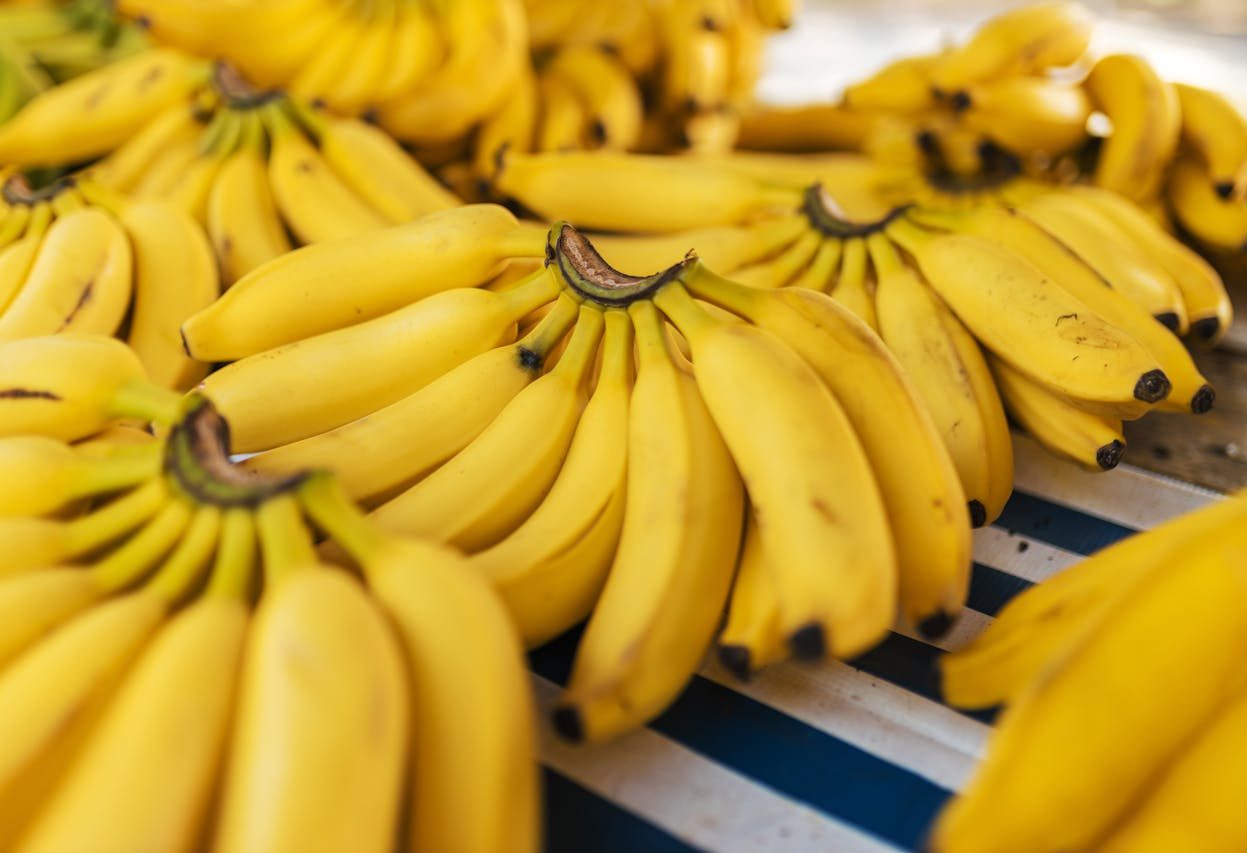
Bananas are well-known, but they’re far from the richest source. Here are some excellent options:
- Baked potatoes (with skin) – one of the highest sources
- Leafy greens like spinach
- Beans and lentils
- Dried fruits (e.g. apricots, raisins)
- Avocados
- Milk and yoghurt
- Fish and lean meats
- Tomatoes and tomato juice
👉 Tip: Cooking methods matter. Boiling can reduce potassium levels, while steaming or microwaving helps retain more.
What Happens If You Don’t Get Enough Potassium?
Severe deficiency (hypokalaemia) is rare in healthy individuals but can occur due to illness, medications, or dehydration.
Mild deficiency is more common and may lead to:
- Increased blood pressure
- Muscle weakness or cramps
- Fatigue
- Higher risk of heart disease and stroke
Can You Have Too Much Potassium?
For most healthy people, excess potassium from food isn’t a concern because the kidneys remove it.
However, high levels (hyperkalaemia) can occur in people with kidney disease or those taking certain medications. This can lead to:
- Irregular heartbeat
- Muscle weakness
- In severe cases, heart complications
Always seek medical advice before taking supplements.

Potassium and Your Health
A potassium-rich diet is linked to several important health benefits:
1. Supports Healthy Blood Pressure
Potassium helps counteract sodium, lowering blood pressure and reducing strain on the heart.
2. Protects Against Stroke
Higher potassium intake has been linked to a lower risk of stroke.
3. Supports Bone Health
It may help reduce calcium loss, supporting stronger bones—especially important as we age.
4. Helps Prevent Kidney Stones
Potassium can reduce calcium build-up in the kidneys, lowering the risk of stones.
5. Aids Muscle and Nerve Function
Without enough potassium, your muscles and nerves can’t function properly.
Should You Take Potassium Supplements?
Most people do not need supplements if they eat a balanced diet.
Important points:
- Supplements are usually limited to 99 mg per dose
- High doses can be harmful, especially for older adults or those with kidney issues
- Always consult a healthcare professional before taking them
Do You Need Potassium in Sports Drinks?
Not usually. You lose very little potassium through sweat unless exercising intensely for long periods.
Simple foods like:
- Tomato juice
- A baked potato
can easily replace what’s lost.
How to Increase Your Potassium Intake
Here are practical, everyday tips:
- Eat at least five portions of fruit and vegetables daily
- Include beans, lentils, or pulses in meals
- Choose dairy products like milk or yoghurt
- Snack on nuts, seeds, and dried fruit
- Opt for whole foods over processed options
Guidance from Trusted Health Authorities
NHS (UK) Advice
- Potassium supports heart, muscle, and nerve function
- Most people do not need to restrict potassium unless advised
- Those with kidney problems may need a low-potassium diet
- Always follow advice from your GP or dietitian
U.S. Department of Health & Human Services
- Potassium is essential for cell function and fluid balance
- Around 90% of dietary potassium is absorbed
- Higher intake is linked to lower blood pressure and reduced stroke risk
- Found widely in fruits, vegetables, dairy, and proteins
- Supplements should be used cautiously due to potential risks

Takeaway
Potassium is a quiet but powerful nutrient that keeps your heart beating, muscles moving, and nerves communicating. While deficiency is often mild, long-term low intake can affect your health. The simplest solution is also the best: eat more whole, unprocessed foods—especially fruits and vegetables—to keep your potassium levels where they should be.
❓ FAQ - Potassium Explained
1. Is a banana enough for daily potassium?
No. A banana provides about 10% of your daily needs—you’ll need a variety of foods to meet your target.
2. What are signs of low potassium?
Fatigue, muscle cramps, weakness, and irregular heartbeat in more serious cases.
3. Can potassium lower blood pressure?
Yes. It helps remove excess sodium and relax blood vessels.
4. Is it safe to take potassium supplements daily?
Only if advised by a doctor. Too much can be harmful, especially for people with kidney issues.
5. Which foods are highest in potassium?
Potatoes, spinach, beans, lentils, dried fruits, and avocados.
6. Do athletes need extra potassium?
Usually not—normal meals are enough unless training intensely for long periods.
7. Can too much potassium be dangerous?
Yes, particularly for people with kidney disease—it can affect heart rhythm.
This content is for educational purposes and does not replace medical advice…
About the author
Lilla Fonyo is a healthy lifestyle and longevity writer with a background in endurance running, nutrition, and mindful living. She focuses on sustainable habits that support long-term physical and mental wellbeing.
Sources:
www.bbc.co.uk - What is potassium and why do I need it?
www. ods.od.nih.gov - Potassium - Fact Sheet for Health Professionals
www.nbt.nhs.uk - Potassium in Food
www.uclahealth.org - Why you need potassium — and how to get more of it
www.healthline.com - What Potassium Does for Your Body: A Detailed Review