Correct Sitting Posture:
A Mindful Way to Reduce Stress and Back Pain
By Lilla Fonyo — Healthy Lifestyle & Longevity Writer
Last Update February 2026
Quick Summary
Many of us spend hours sitting each day, often without noticing how our posture affects our body. Sitting well is not about holding a rigid position but supporting your spine, staying comfortable and moving regularly. Small adjustments — such as aligning your screen, relaxing your shoulders and taking movement breaks — can reduce back pain, ease tension and even lower stress levels over time.
Pilates Mental Health Benefits: Reduce Stress, Sleep Better - Discover how Pilates boosts mood, reduces stress, improves sleep and supports mental wellbeing through gentle, mindful movement.
Low-Impact Exercise - Gentle Movement That Still Gets Results - Discover the benefits of low-impact exercise and how gentle workouts can improve strength, mobility, mood and long-term health.
Tai Chi: A Gentle Low-Impact Exercise for Body and Mind - Discover the benefits of Tai Chi, a low-impact exercise that improves balance, reduces stress and supports physical and mental health.
Asian Pilates: The Gentle Fitness Trend Blending East and West for Strength, Balance and Calm - Discover Asian Pilates — a mindful blend of classical Pilates, Tai Chi, and yoga that builds strength, balance, and inner calm.
Helpful Reads:
Why Sitting Posture Matters
Whether working at a desk, commuting or relaxing at home, sitting has become one of the most common positions in modern life. While sitting may feel effortless, poor posture can gradually place strain on muscles, joints and the spine.
Over time, this strain may contribute to:
Back and neck pain
Muscle tension and fatigue
Headaches
Reduced circulation
Increased stress and mental tiredness
The encouraging news is that posture improvements do not require perfection. Gentle awareness and small daily changes can significantly improve comfort and wellbeing.
What Is Good Sitting Posture?
Good posture means the body is aligned so that muscles and joints work efficiently rather than fighting against gravity. The spine naturally forms an “S” shape, and supportive sitting helps maintain these natural curves.
Importantly, there is no single perfect posture. A healthy position is one that feels supported, relaxed and sustainable for your body.
Good posture can help:
Reduce strain on muscles and ligaments
Support spinal health
Improve breathing and circulation
Reduce fatigue and discomfort
Mindfulness plays an important role — noticing tension early and adjusting gently before pain develops.
Common Sitting Habits
Many sitting positions feel comfortable at first but create strain when held too long. Common habits include:
Slouching forward towards screens
Leaning to one side
Crossing legs for long periods
Perching on the edge of a chair
Allowing the head to drift forward
These positions are not harmful occasionally, but staying in them for extended periods increases pressure on the spine.
A Comfortable Sitting Position for Everyday Life
A supportive sitting posture encourages balance rather than stiffness.
Helpful guidelines include:
Keep feet flat on the floor or on a footrest
Position knees level with or slightly lower than hips
Sit fully back in the chair to support the pelvis
Leave a small gap behind the knees
Relax shoulders instead of lifting or rounding them
Keep your head balanced above your shoulders
Think of sitting “tall but relaxed”, not rigid.
Sitting at a Computer: Creating a Mindful Workspace
Desk work often encourages leaning forward, which increases stress on the neck and lower back. Small ergonomic adjustments can make a large difference.
Try to:
Place the screen roughly an arm’s length away
Keep the top of the screen at or just below eye level
Position keyboard and mouse close to avoid reaching
Keep forearms parallel to the floor
Use lumbar support if your chair lacks lower-back support
Sit close enough to the desk to avoid leaning forward
A helpful habit is a gentle posture check every 10–15 minutes.
Movement Matters More Than Perfection
Even excellent posture becomes uncomfortable if held too long. Research and clinical guidance consistently emphasise movement as essential for spinal health.
Helpful habits include:
Standing or stretching every 20–30 minutes
Alternating between sitting and standing where possible
Changing position regularly
Walking briefly to refresh circulation
Movement allows muscles to reset and reduces fatigue caused by static positions.
Sitting Positions to Limit
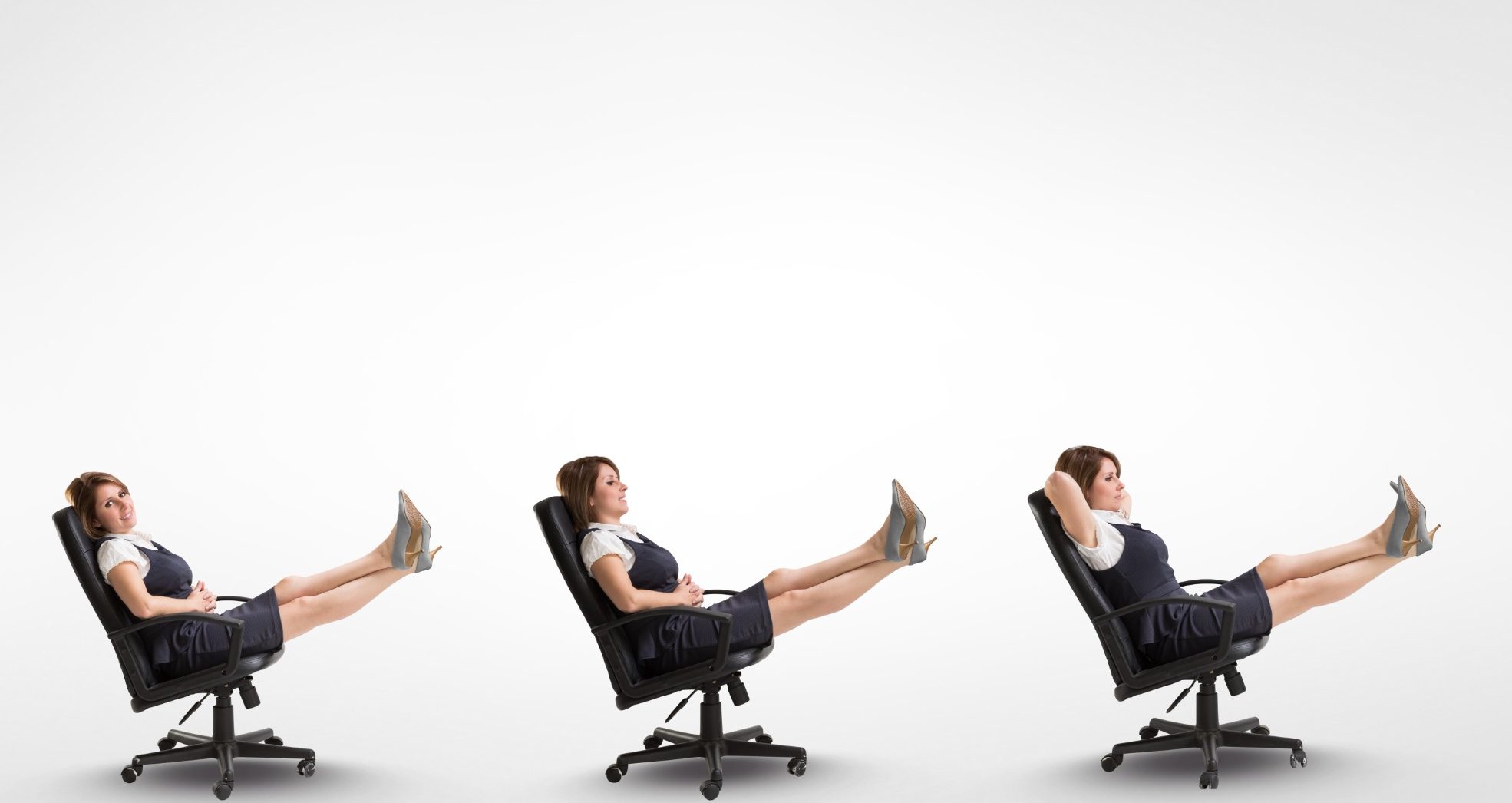
Try not to remain for long periods in positions such as:
Slouching or leaning heavily to one side
Crossing knees or ankles continuously
Letting feet dangle unsupported
Holding the head forward while using screens
Sitting for long stretches without breaks
Mindful posture means adjusting when discomfort appears, not forcing yourself into one position all day.
Everyday Habits That Support Better Posture
Posture is influenced by lifestyle as much as seating.
You can support your body by:
Exercising regularly with stretching and strengthening
Lifting objects using your legs rather than your back
Using supportive seating in cars and at home
Wearing comfortable, supportive footwear
Practising relaxed breathing and mindful movement
A strong, flexible body naturally maintains posture more easily.
NHS Guidance on Sitting and Back Health
The NHS highlights that poor sitting posture can worsen back and neck pain, especially when maintained for long periods. Their guidance focuses on maintaining the spine’s natural curves and avoiding prolonged sitting without movement.
Key NHS recommendations include:
Sit with feet flat on the floor and hips supported at the back of the chair
Keep hips slightly higher than knees where comfortable
Use lumbar support such as a cushion or rolled towel if needed
Adjust chairs and desks to suit your height and task
Stand and walk regularly rather than sitting continuously
The NHS also emphasises patience — posture habits develop over years and improve gradually with consistent awareness.
British Heart Foundation: Why Sitting Less Matters
The British Heart Foundation highlights that long periods of sitting are linked not only to back discomfort but also to wider health risks, including reduced circulation and cardiovascular strain.
Their advice encourages:
Breaking up long sitting periods with movement
Incorporating regular walking into daily routines
Using stairs where possible
Standing during phone calls or short tasks
Even light movement helps circulation, supports heart health and improves energy levels.
A Mindful Approach to Posture
Correct sitting posture is not about strict rules or constant correction. Instead, it is about building awareness of how your body feels and responding kindly.
When posture becomes mindful rather than forced, sitting feels more comfortable, breathing becomes easier and stress often decreases naturally.

Takeaway
Good sitting posture is less about sitting perfectly and more about supporting your body with awareness and regular movement. By aligning your spine, relaxing tension and taking frequent breaks, you can reduce back pain, lower stress and feel more comfortable throughout the day. Small adjustments, practised consistently, create lasting benefits.
❓ FAQ – Correct Sitting Posture
What is the best sitting posture?
A balanced position where your feet are flat, your back is supported, shoulders relaxed and your head aligned over your shoulders.
How often should I take breaks from sitting?
Ideally every 20–30 minutes, even if only to stand or stretch briefly.
Can posture really reduce back pain?
Yes. Supporting the spine’s natural curves reduces strain on muscles and joints, which can ease discomfort over time.
Is sitting upright all day necessary?
No. Movement and changing positions are more important than holding one rigid posture.
Does working from home affect posture?
It can, especially without an ergonomic setup. Adjusting screen height and chair support can help significantly.
How long does it take to improve posture?
Improvements usually develop gradually over weeks or months as muscles adapt and awareness increases.
This content is for educational purposes and does not replace medical advice…
About the author
Lilla Fonyo is a healthy lifestyle and longevity writer with a background in endurance running, nutrition, and mindful living. She focuses on sustainable habits that support long-term physical and mental wellbeing.
Sources:
www.pubmed.ncbi.nlm.nih.gov - Physiotherapist perceptions of optimal sitting and standing posture
www.cuh.nhs.uk - Seating and ergonomics
www.physiomed.co.uk - Correct Sitting Posture: Working at a Desk
www.medicalnewstoday.com - Sitting positions for good posture
www.orthopedicshoulder.com - 7 Tips and Benefits for Good Sitting Posture