March
2026

The Longevity Habits After 40 That Doctors Wish Everyone Knew
Your 40s could be the most important decade for your future health.
The habits you build now can determine how you feel in your 60s, 70s and beyond. Experts say simple lifestyle changes can dramatically improve longevity and vitality. From strength training to balanced nutrition, small actions add up over time. Even better sleep and stress management can extend your healthy years. Research shows midlife habits strongly influence heart health, brain health and mobility later on.
The good news is that it’s never too late to start.
Here are the most powerful longevity habits after 40 that doctors recommend.
Feb
2026

Healthy Work-Life Balance:
How to Protect Your Wellbeing Without Sacrificing Success
Finding a healthy work-life balance is no longer a luxury — it is essential for modern wellbeing.
Many people feel trapped in an always-on culture that makes switching off difficult. The good news is that balance does not mean working less, but working more sustainably. Small habits like setting boundaries and taking breaks can protect your mental health.
Research shows rest actually improves productivity and creativity. Learning to disconnect helps you return to work with greater focus and energy. A balanced lifestyle strengthens relationships and supports long-term emotional wellbeing.
Discover practical ways to create a life where work supports life — not replaces it.
Jan
2026
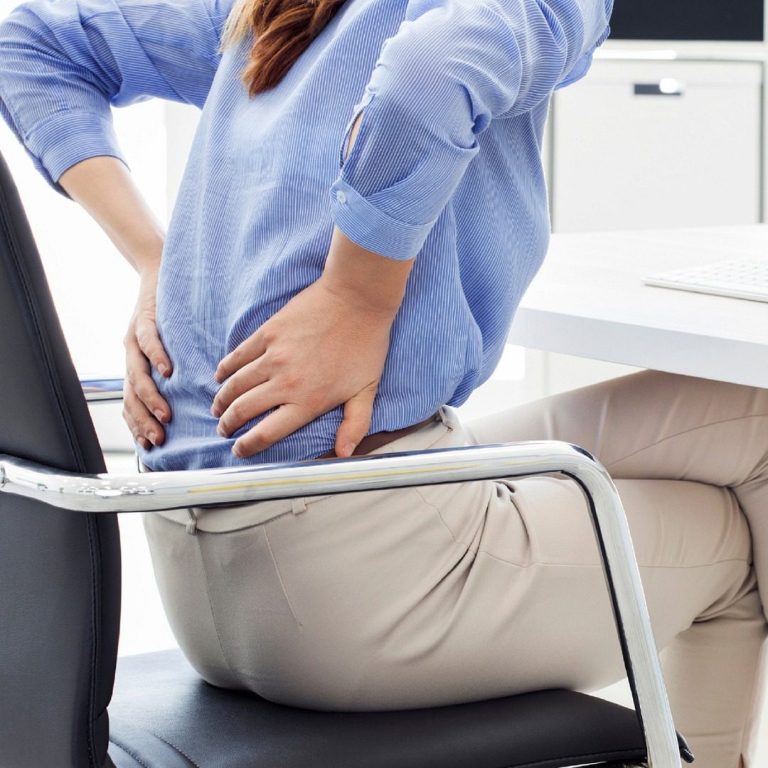
Correct Sitting Posture:
A Mindful Way to Reduce
Stress and Back Pain
Modern life keeps us sitting for hours, often without realising the impact on our body and mind. Poor posture can quietly increase stress, tension and back pain over time.
Learning correct sitting posture is a simple yet powerful way to support mindfulness and wellbeing. Small adjustments can help your spine stay balanced, supported and relaxed.
Mindful sitting encourages better breathing, improved focus and a greater sense of calm. You don’t need to sit perfectly — just become more aware of how your body feels. Regular movement and gentle posture checks can reduce strain and fatigue.
Discover how mindful sitting can transform everyday comfort into a practice of self-care.
Jan
2026

Why Job Satisfaction Matters for You
(Not Just Your Employer)
We spend a huge part of our lives at work, so how we feel about our jobs really matters. Job satisfaction isn’t just about enjoying your role – it directly affects your mental health, physical wellbeing, and overall quality of life.
A satisfying job can reduce stress, improve focus, and help you feel more confident day to day. When work aligns with your values and strengths, it becomes more sustainable and far less draining. Feeling valued and respected at work plays a major role in motivation and engagement. In contrast, long-term job dissatisfaction can quietly erode energy, confidence, and health.
This article explores why job satisfaction matters for us as individuals, not just for employers.
It also shows how meaningful, fulfilling work can genuinely improve everyday life.
Dec
2025

Rethinking New Year’s Resolutions:
A Kinder Way to Start the Year
Every January, millions of people make New Year’s resolutions, only to feel discouraged weeks later when motivation fades. This article explores why traditional goal-setting often fails and how a kinder, more realistic approach can lead to lasting change. Instead of aiming for perfection, it focuses on small, meaningful habits that fit into real life.
You’ll discover why consistency matters more than willpower, and how flexibility can keep you moving forward. Through relatable examples, it shows how reframing “failure” as learning can transform your mindset. The article also highlights the importance of self-compassion when progress feels slow.
Whether your goal is better health, balance, or wellbeing, change doesn’t have to feel overwhelming. This is an invitation to start the year with intention, patience, and hope rather than pressure.
Dec
2025

Walk and Talk Therapy: When Counselling Meets the Outdoors
Walk and talk therapy offers a refreshing alternative to traditional counselling by taking sessions outdoors and into nature. Instead of sitting face to face, clients and therapists walk side by side, creating a more relaxed and natural way to talk.
Gentle movement and fresh air can help reduce stress and anxiety while making it easier to open up. Many people find the reduced eye contact particularly helpful if indoor therapy feels intimidating or overwhelming. Walk and talk therapy can support concerns such as low mood, life transitions, and feeling stuck. Sessions are flexible, accessible, and can be adapted for different mobility needs.
Professional boundaries and confidentiality are carefully maintained, even in outdoor settings. Discover how combining movement, conversation, and nature can offer a calmer, more human approach to emotional support.
Dec
2025
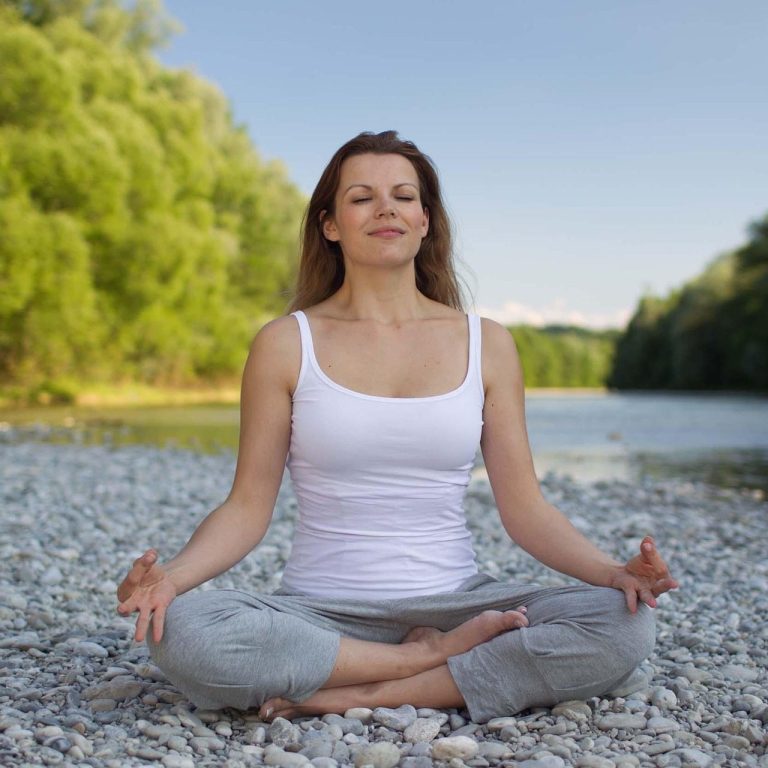
Short Meditation Techniques to Help You Unwind Quickly
Feeling stressed but short on time? Good news – you don’t need long, silent meditation sessions to feel calmer. This article explores quick, simple meditation techniques that take 30 seconds to five minutes and can be done anywhere.
From mindful breathing to gentle body scans, these practices help calm your nervous system fast. You’ll discover how even one deep breath can shift you out of stress mode. Learn why mini-meditations are just as powerful as longer practices when used regularly.
The article also highlights the power of self-compassion, gratitude, and grounding in everyday moments. No special equipment, experience, or quiet room required.
If you want instant calm in a busy world, this guide is for you.
Nov
2025
How to Learn Good Habits: A Friendly Guide to Making Changes That Last
Building good habits doesn’t have to feel overwhelming or impossible. With a few gentle strategies, you can train your brain to make positive routines feel natural.
The trick is to start smaller than you think and build momentum from there. You might be surprised by how enjoyable new habits can become with the right approach. A bit of planning and preparation can also make sticking to your goals far easier.
And yes — tracking your progress really does boost motivation. Support from others can make the journey even smoother. If you’re ready for habits that last, this guide will help you get started.
Oct
2025

The Amazing Benefits of Eucalyptus: Nature’s Soothing Powerhouse
Eucalyptus isn’t just a favourite snack for koalas – it’s a powerful plant with remarkable benefits for people too. This aromatic Australian native can help soothe dry skin, ease aching joints, and even fight off winter colds. Its essential oil, when safely diluted, locks in moisture and leaves skin feeling soft and refreshed.
The invigorating scent also helps clear stuffy sinuses and calm the mind after a long day. Used for centuries by Aboriginal Australians, eucalyptus remains a trusted natural remedy around the world. It’s rich in antioxidants, has antibacterial properties, and can even freshen your breath.
A few drops in a diffuser or bath can transform your home into a mini spa. Whether you’re seeking relaxation, relief, or a breath of fresh air, eucalyptus offers nature’s perfect pick-me-up.
Oct
2025

The Surprising Secret to Happiness in the Second Half of Life
What if the key to happiness later in life wasn’t getting more, but wanting less?
Harvard happiness researcher Dr Arthur Brooks believes that true contentment begins when we stop chasing endless goals.
In our younger years, success often means achievement, status and recognition.
But in the second half of life, fulfilment comes from peace, gratitude and purpose. Brooks says that by managing our desires, we can find deeper satisfaction and joy.
He encourages people to focus on relationships, service and inner growth. Letting go of what we don’t need creates space for what truly matters.
Discover how simplifying your wants can lead to a richer, happier life.
Oct
2025
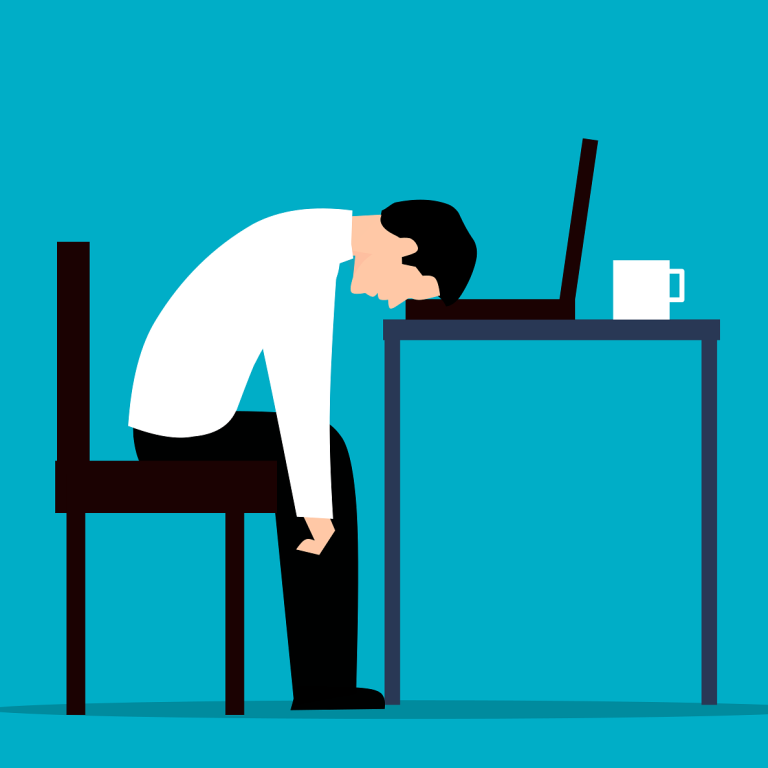
How to Treat and Recover
from Burnout
Feeling utterly drained or struggling to find motivation? You might be experiencing burnout — that all-too-familiar state of mental, physical and emotional exhaustion. With so many of us juggling constant demands, it’s easy to overlook the signs until we hit the wall.
But recovery is possible, and it starts with recognising what your mind and body are trying to tell you. From nourishing food to gentle movement and proper rest, small shifts can make a big difference.
Experts share how to spot burnout before it takes hold — and how to find calm again when life feels overwhelming. Because looking after yourself isn’t selfish; it’s essential. Discover how to refill your cup and rediscover your balance.
Sept
2025
Calcium Quiz: Test Your Knowledge on Health & Strong Bones
Calcium is essential for far more than just strong bones — but how well do you really understand its role in your body?
This quick calcium quiz puts your knowledge to the test, from bone density and muscle function to heart health and nerve signals. Many people underestimate how much calcium they need at different stages of life. Your answers may surprise you, especially when it comes to diet, exercise and long-term bone strength. The quiz highlights why calcium intake in childhood and early adulthood matters so much later on. It also explores which foods truly support healthy bones. Whether you’re confident or curious, this is a fun way to learn something valuable.
Take the quiz and see how strong your calcium knowledge really is.
Sept
2025
How to Keep Your
Calcium Levels Optimal
Calcium is one of the most important minerals in your body, but are you really getting enough of it every day? It does much more than keep your bones strong—it also supports your muscles, nerves, and even your heartbeat. Many people don’t realise that both too little and too much calcium can cause health problems.
The good news is, you don’t have to rely on dairy alone to meet your needs. From leafy greens to fortified foods, there are plenty of options to keep your levels balanced. Supplements can also help, but they’re not right for everyone.
Learning to listen to your body and recognise early warning signs can make a big difference. With a few simple habits, you can keep your calcium levels in the healthy range and feel your best every day.
Aug
2025

The Secret of Aging Gracefully
Looking youthful in your sixties isn’t about miracle serums or costly treatments—it’s about the everyday habits you don’t let into your life.
Those who seem to age in slow motion tend to avoid sugar overloads, protect themselves from the sun, and steer clear of extreme diets. They value sleep, manage stress wisely, and keep their bodies moving without obsessing over the gym. Their plates are filled with colourful, antioxidant-rich foods rather than endless beige snacks. Just as importantly, they let go of anger instead of carrying it around for decades.
The real secret? Ageing well often comes down to small, consistent choices that quietly pay off over time.
Jul
2025
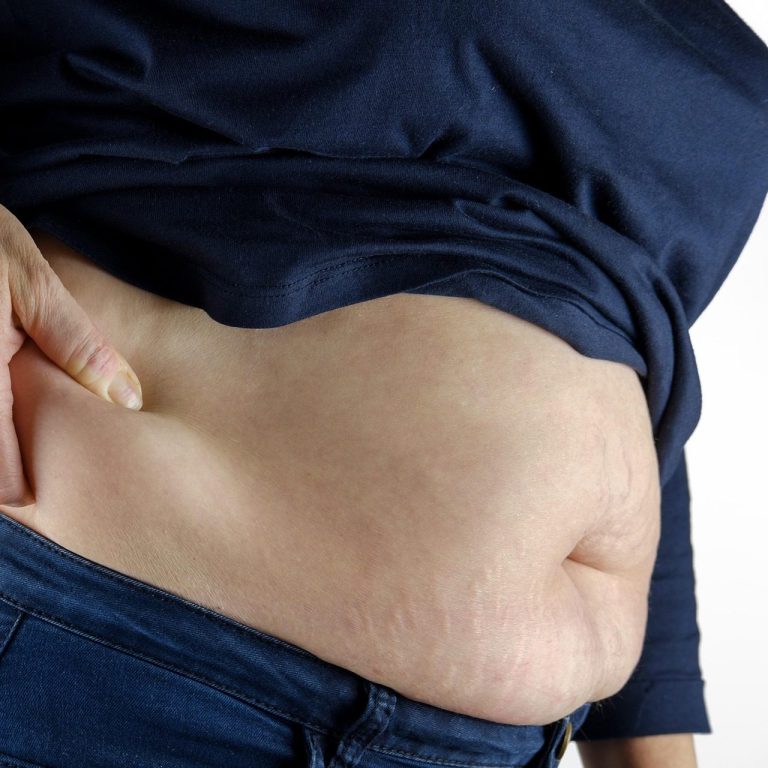
How to Fight Stubborn Belly Fat
A little extra belly fat—those familiar "love handles" or the "spare tire"—might seem harmless at first. But as time goes on, it can become much more than just a cosmetic issue. Belly fat, especially the deep visceral fat that surrounds your organs, increases the risk of serious health problems like heart disease, diabetes, and certain cancers.
As we age, this problem often becomes more noticeable. Women, in particular, tend to gain more abdominal fat after menopause due to hormonal changes that shift fat storage to the midsection. But belly fat isn’t just a part of getting older—it’s a health concern that affects both men and women, and it’s worth addressing before it leads to more serious conditions.
Jul
2025
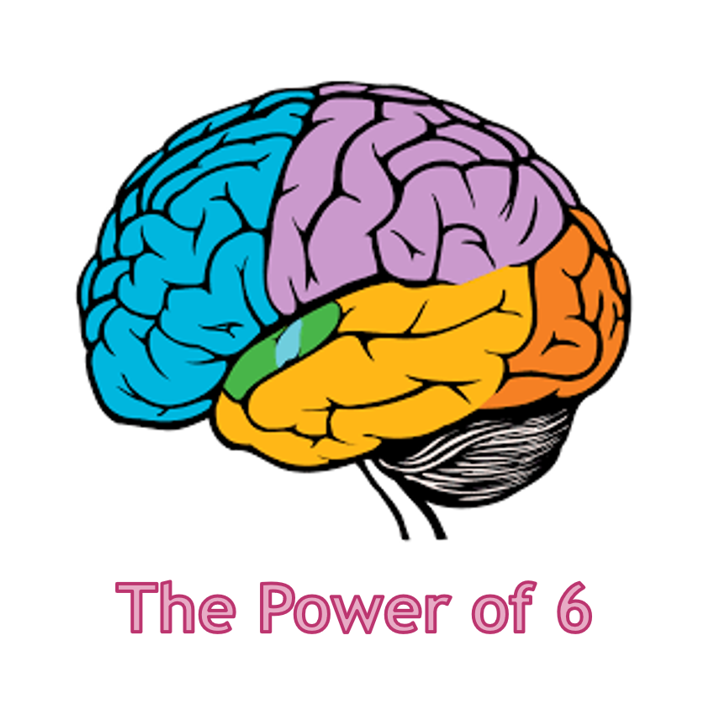
Brain Health - The Power of Six
Six Easy Ways to Keep Your Mind Healthy as You Get Older
Many of us don’t often think about taking care of our brains, but we really should. Keeping our brains healthy helps us think clearly, feel good, and can even reduce the chance of memory issues, like dementia.
The great news is that there are straightforward things you can do each day to look after your brain. Even fun activities, like hanging out with friends or family, can have a positive impact.
It’s never too early or too late to take care of your brain. Even small steps every day can add up to a big difference over time.
Start with one habit today and build from there. Your brain will thank you.
May
2025

Embracing Discomfort for Happiness
Want to Be Happier and More Resilient? Science Suggests Embracing Discomfort!
We live in a world that often focuses on making us comfortable, but too much comfort might be hurting our strength, bravery, and happiness. To address this, it’s important to understand two ideas: habituation and dishabituation. Habituation is when we become so used to certain experiences that we stop noticing them. On the other hand, dishabituation is when we regain our awareness and start to pay attention again to what is really important. Additionally, habituation can help us become stronger.
Think of it as training that prepares us for life’s challenges. By regularly facing tough situations, we learn how to handle difficulties better. This practice ultimately leads to a happier life, as we become skilled at managing the ups and downs we all face.
Apr
2025

How Often Should You Take Holidays?
In today’s tough times with rising living costs, going on more than one holiday a year might seem out of reach for many families.
Yet, with happiness levels lower than we’d like and more people feeling anxious, taking a break could really help improve our wellbeing. Holidays provide a great opportunity to unwind, recharge, and take a break from the everyday stress of work and life. However, it’s important to make sure you think carefully before planning your next getaway.
Here are three key things to consider before you book your trip.
Apr
2025

Short Rules for Young People for Happier Life
Gretchen Rubin states with conviction: “I study happiness for a living. Here are 25 straightforward principles designed to empower young people to lead happier, easier, and more successful lives.”
In her latest book, "Secrets to Adulthood: Simple Truths for Our Complex Lives," renowned happiness expert Gretchen delivers practical strategies to address daily challenges with swift precision.
With over 12 years dedicated to the exploration of happiness and human behaviour, she has firmly established that minor adjustments can result in profound enhancements in our lives.
Apr
2025

10 Simple Daily Habits for Radically Improve Your Life
In today's fast-paced world, it's easy to get overwhelmed by tasks and responsibilities. We often forget that real well-being isn't about doing more; it's about doing things that support our bodies, minds, and spirits. The great news is that small habits can lead to significant improvements in your health and happiness. In this article, we will look at 10 simple habits that can enhance your life.
These habits help clear your mind, balance your emotions, keep you physically healthy, and give you a sense of calm. They are easy to adopt and will help you feel more balanced, focused, and satisfied in your everyday life.
Try these daily habits and see how they can positively change your well-being.
Apr
2025
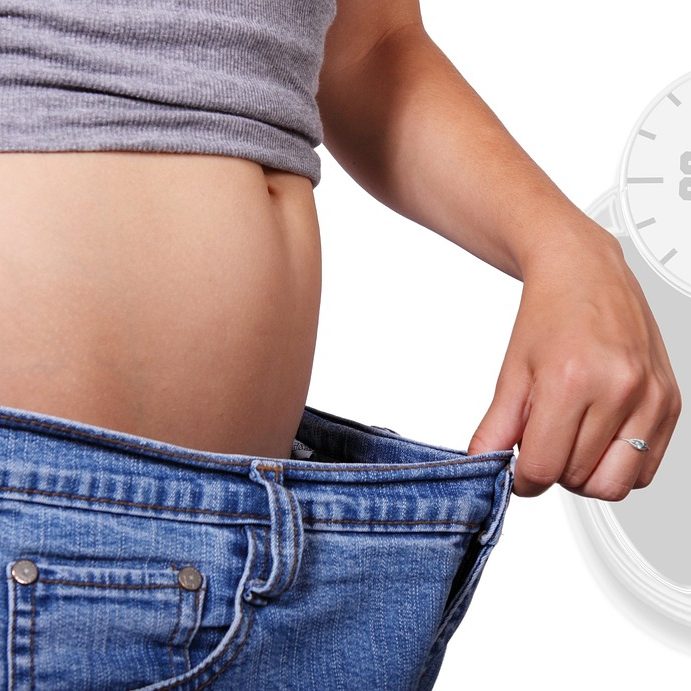
Does Eating Slowly Help
You Lose Weight?
Many people often eat their meals quickly and don’t pay much attention to what they’re doing. This can result in gaining weight and other health problems.
Eating more slowly might be a better way to enjoy your food and can have various benefits. This article looks at the reasons why taking your time with meals can be helpful. When you eat too fast, you may end up gaining weight. Research shows that those who eat quickly usually weigh more than those who take their time. On the other hand, if you slow down, you can feel fuller and even help with losing weight.
To help you eat more slowly, try these simple tips: spend less time on screens during meals, chew your food well, and choose foods that are high in fibre. These small changes can make a big difference in how you eat and feel.
Mar
2025

10 Minutes Break Rule for Learning Faster
Taking short breaks during the day can help make our new memories stronger.
Just a few minutes of resting with your eyes closed can boost your memory, perhaps as much as a full night's sleep. The advantages of resting while awake are similar to the benefits we get from sleeping after learning something new. This has been shown to work for different kinds of learning and memory tasks. When we take these breaks, our brains can help strengthen the memories we’ve just formed.
Additionally, being active after learning something new can also help us remember it better.
Mar
2025
Habits that don’t Serve Us
Why Do We Keep Doing Things That Aren't Good for Us?
Both old wisdom and modern psychology can help us figure out why we sometimes stick to habits that don't help us. Often, we hold on to these habits because they used to be useful or because they give us some quick relief. While we can't escape life's pain and challenges, we can learn not to make them worse.
Practising mindfulness can show us how to notice these patterns and respond to ourselves with kindness and understanding.
Mar
2025
6 Bad Habits that can
Weaken Memory
If you’ve been feeling a bit foggy, forgetful, or just not quite yourself, it might be linked to your daily habits and lifestyle choices that can hurt your memory.
What you do in your everyday life can really affect your brain and its ability to remember things like to-do lists, important deadlines, and the names of new people you meet. Just like any other part of your body, your brain can suffer from poor habits.
If you keep doing things that aren’t good for your brain, it may start to struggle with its job. Before you know it, your thoughts can feel jumbled and unclear, like a big, confusing cloud.
Feb
2025

Adult Colouring Books:
Benefits of Colouring
Adult colouring books are no longer just a trend — they’re a simple and effective way to relax your mind.
Colouring helps calm racing thoughts while gently engaging different parts of the brain. Focusing on patterns and colours encourages mindfulness and keeps you anchored in the present moment. It can also improve hand–eye coordination and fine motor skills, which are often underused in our digital lives. Many people find colouring before bed helps them unwind and sleep better by avoiding screens. Research suggests that colouring can lower anxiety and reduce stress levels in as little as 20 minutes. Detailed designs such as mandalas may be especially soothing for the nervous system.
Whether for relaxation or mental clarity, adult colouring is an easy habit with real wellbeing benefits.
Feb
2025

Vipassana Meditation Techniques
In today’s fast-paced digital world, mindfulness has become essential for managing stress and protecting mental wellbeing.
Vipassana meditation is one of the oldest and most powerful mindfulness practices, with roots stretching back over 2,500 years. It teaches you to observe your breath, body sensations and thoughts without judgement. Through this awareness, Vipassana helps develop emotional balance, clarity and resilience. Simple techniques such as mindful breathing, body scanning and loving-kindness meditation can be practised by anyone. Over time, these methods can improve focus, reduce stress and strengthen emotional control.
Vipassana also encourages acceptance of change and non-attachment, helping you respond calmly to life’s challenges. With regular practice, it can become a valuable tool for lasting mental and emotional wellbeing.
Feb
2025
Magnesium Deficiency Score
Feeling tired, stressed, restless or not quite yourself lately? Magnesium plays a crucial role in sleep, energy, hydration and stress regulation — yet many people don’t realise they’re deficient.
This quick quiz helps you uncover whether everyday habits like poor sleep, high stress, sugar intake or caffeine could be draining your magnesium levels. Low magnesium is linked to fatigue, muscle tension, anxiety and poor recovery. By answering just 10 simple questions, you’ll get a clearer picture of how well your body is supported. The results offer personalised insights based on your lifestyle and stress load. No blood tests, no guesswork — just practical awareness.
Take the quiz and find out if your body is quietly asking for more magnesium.
Feb
2025
Signs of Magnesium Deficiency
Not getting enough magnesium can lead to various problems in your body. You might experience muscle cramps, shaking, or feeling weak because magnesium is important for how your nerves and muscles work. You could also feel more tired than usual, have trouble sleeping, or notice changes in your mood, like feeling anxious or low.
Other signs of low magnesium include feeling numb or tingly, or having an irregular heartbeat. You may also suffer from frequent headaches or migraines, and high blood pressure could be a sign that your magnesium levels are low. Digestive issues, like feeling sick, not wanting to eat, or constipation, can also occur. In serious cases, a lack of magnesium can lead to seizures, changes in your personality, or weaker bones (a condition called osteoporosis).
You might also find it hard to remember things, struggle to focus, crave sugary foods, or even notice that your eyes twitch. Certain factors, such as long-term stress, drinking too much alcohol, or some medications, can increase your chances of having a magnesium deficiency.
Feb
2025

Intermittent Fasting:
What is it, and how does it work?
Intermittent fasting focuses on when you eat rather than what you eat. This eating pattern alternates between periods of fasting and set eating windows.
Research suggests it may support weight management and metabolic health. Fasting allows the body to switch from burning sugar to burning fat for energy. Some studies also link intermittent fasting to improved brain function and heart health. There are several approaches, such as the 16:8 and 5:2 methods, offering flexibility for different lifestyles.
However, intermittent fasting is not suitable for everyone and should be started with medical guidance. Learn how it works, its benefits, and who should avoid it.
Jan
2025
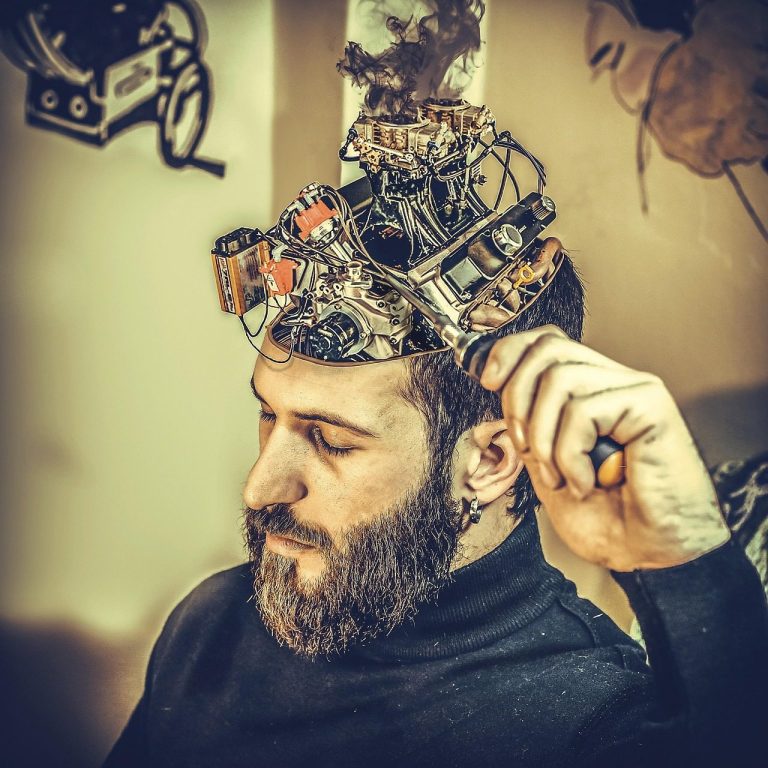
The Best Brain Exercises to Prevent Alzheimer’s and Dementia
Keeping your brain active is one of the most effective ways to support memory and cognitive health as you age. While Alzheimer’s and dementia cannot be fully prevented, research shows that mental and physical activity may reduce risk.
Brain exercises help strengthen existing neural connections and create new ones. From puzzles and reading to learning new skills, everyday activities can keep your mind sharp. Regular mental stimulation also helps you notice early changes in memory or thinking. Combining brain exercises with movement, such as gardening or yoga, benefits overall brain health.
Enjoyable activities are easier to maintain and encourage long-term consistency. Discover practical and enjoyable ways to support brain health and protect your memory.
Jan
2025

Why You Need
Minimalist Rules to Live by
Minimalism doesn’t mean living with nothing — it means living with what truly matters. If clutter, decision fatigue or constant buying leave you feeling overwhelmed, a few simple rules can change everything.
From “use it or lose it” to the powerful one-in, one-out rule, these habits make letting go feel easier and less emotional. You’ll discover why decluttering should always come before organising, and how waiting before buying can save money and space. Some rules focus on your home, while others quietly transform how you shop, plan and say yes to life. Letting go of duplicates and items tied to bad memories can be surprisingly freeing. Even digital clutter has its place in a minimalist mindset.
You don’t need to follow every rule — just the ones that help you create a calmer, lighter life.
Dec
2024
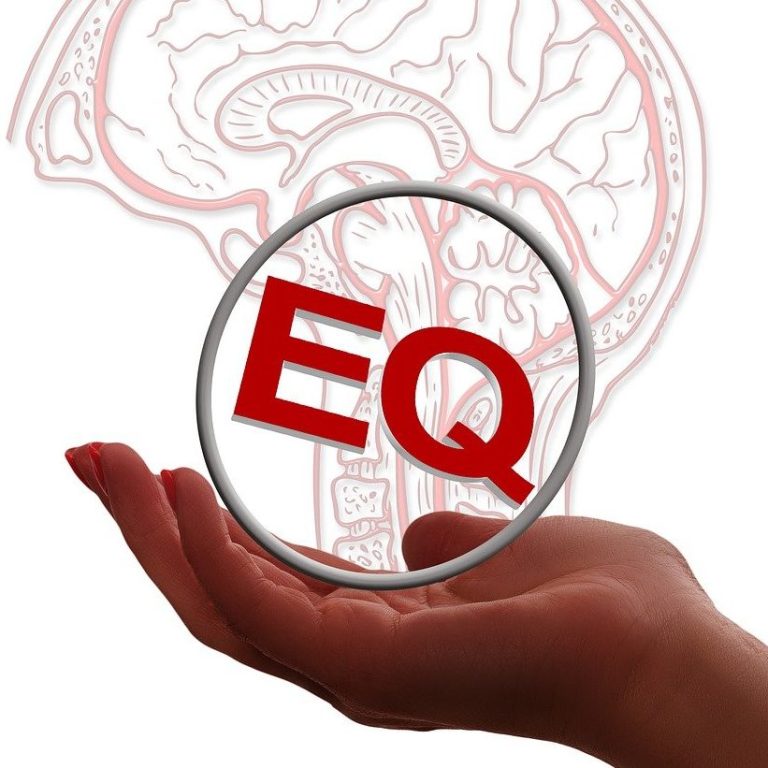
Emotional Intelligence and Wellbeing
Emotional intelligence, or EQ, plays a vital role in how we understand ourselves and connect with others. It goes beyond IQ, shaping how we manage emotions, handle stress, and make decisions.
Research shows that people with higher EQ often experience better mental health, stronger relationships, and greater job satisfaction. Emotional intelligence influences how we respond to challenges, resolve conflict, and stay resilient under pressure. Unlike IQ, EQ can be developed and strengthened over time through awareness and practice. Understanding emotional intelligence can help you recognise unhelpful patterns and respond more thoughtfully. It also supports wellbeing by reducing anxiety, burnout, and emotional overwhelm.
Discover why emotional intelligence matters and how improving it can lead to a happier, more fulfilled life.
Dec
2024

Happier? More Satisfied?
More fulfilled?
Dynamic of Conditionality
Want to Be Happier, More Satisfied, and Fulfilled? Here’s Why Emotionally Intelligent People Avoid Thinking This Way - Hoping for "someday" can stop you from reaching your goals. It can also make you feel less happy and fulfilled in the present.
While it's nice to think that things may improve soon, you can't always control when that will happen. Often, once you reach one "someday," another will pop up to take its place. What you can control is yourself. You have the power to start working on who you want to be, right now.
Think about what you truly want to achieve or become, and take a small step towards it today. Use your feelings to guide you, and take action!
Dec
2024

The Mental Health Benefits of Journaling
Feeling overwhelmed, anxious, or mentally cluttered? Journaling is one of the simplest yet most powerful tools for improving mental health. Research shows that writing regularly can reduce stress, ease anxiety, and help regulate emotions.
Putting thoughts on paper helps your brain process experiences instead of replaying them on a loop. Journaling has also been linked to better mood, improved sleep, and increased self-awareness. It can even strengthen resilience by helping you reframe challenges and recognise patterns in your thinking. You don’t need to be a writer — just a few honest sentences a day can make a difference.
Discover why journaling is recommended by psychologists and how it can quietly transform your mental wellbeing.
Nov
2024

Cold Water Therapy
Cold water therapy, which includes activities like a quick swim in chilly waves, an ice bath after exercising, or a refreshing cold shower, can be good for your health in many ways.
It can help ease muscle pain, cool your body after a workout, support your immune system and metabolism, and even lift your spirits. Just remember, it's important to keep your time in cold water short.
Cold water therapy usually means using water that’s about 15°C (59°F) to help with health issues or to encourage positive health benefits. This method is also called cold hydrotherapy.
Nov
2024
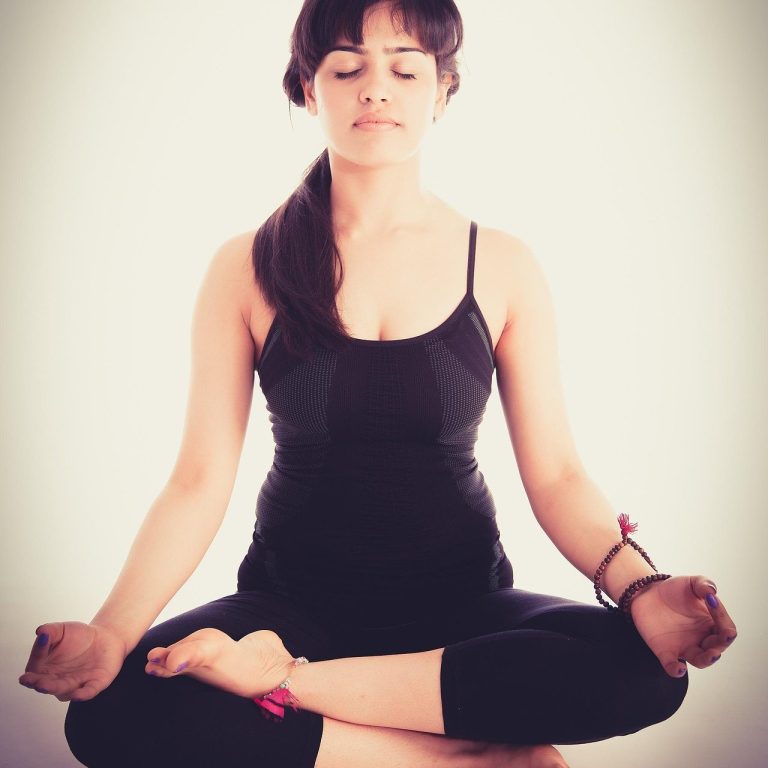
Meditate for Better Sleep
Many individuals find it challenging to achieve restful sleep. Factors such as stress and a racing mind can significantly hinder the ability to enjoy quality slumber.
Current research indicates that meditation can effectively soothe the mind and facilitate improved sleep quality. However, it's important to note that while meditation can be beneficial, it should complement rather than replace sound sleep hygiene practices.
Establishing a consistent sleep routine, minimising exposure to electronics, maintaining a cool, quiet, and dark environment in the bedroom, and steering clear of caffeine and heavy meals prior to bedtime are all essential components of fostering better sleep.
Nov
2024
Why Six Hours of Sleep
is not Enough?
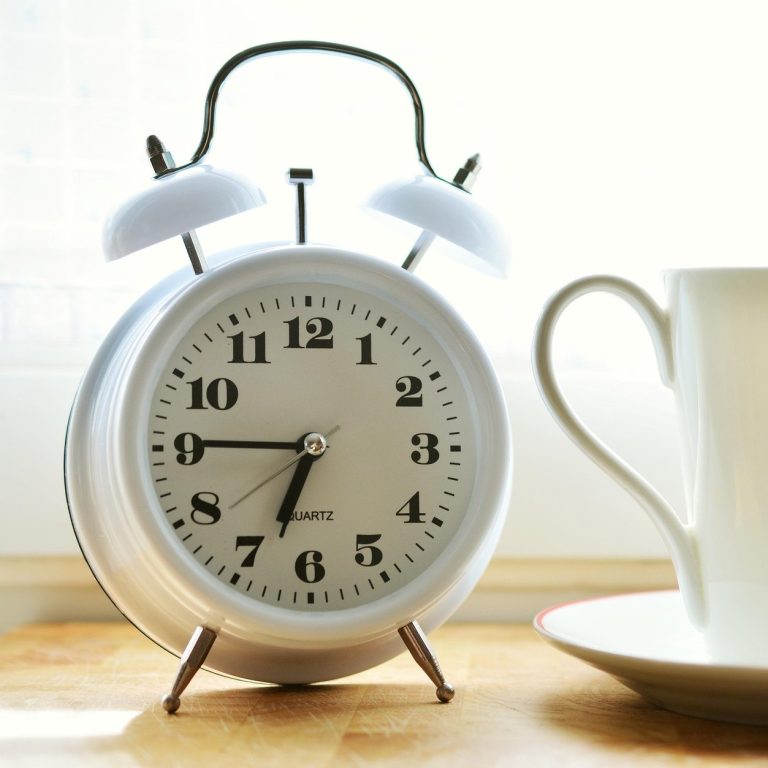
Waking up and checking the clock can instantly set the tone for your day — especially if sleep feels like a constant struggle. Science suggests most adults need seven to nine hours of sleep, yet many regularly settle for six or less.
Research shows that consistently sleeping under seven hours can increase the risk of anxiety, depression and poor concentration. In fact, people who don’t sleep well are twice as likely to develop mental health problems. Lack of sleep also disrupts hunger hormones, making weight gain and cravings more likely. Over time, poor sleep has been linked to serious conditions such as heart disease, Type 2 diabetes and even Alzheimer’s.
The good news is that improving sleep can quickly benefit mood, focus and emotional resilience. So should six-hour sleepers be worried — or is there more to the story?
Nov
2024

Stress:
The Two Edged Sword
Stress can be a hidden enemy that quietly disrupts important body functions. It can lead to problems like inflammation, make it harder for our bodies to use insulin properly, change the balance of bacteria in our gut, put extra pressure on our hearts, and cause our minds to race without purpose.
Stress is simply how we react to things happening around us. It sets off complex processes in our bodies that we often don’t notice until we’ve been stressed for a long time, which can cause serious health issues. If we don’t take time to rest and recover, these stress effects can show up as both mental and physical health problems.
On the bright side, if we manage stress in a positive way, it can actually help us. It can motivate us to reach our goals, sharpen our focus, and boost our performance. Interestingly, the way our bodies react to stress is quite similar to how they react to excitement, as both can speed up our heart rates and give us energy.
Nov
2024
The Reasons You Constantly
Feel Tired
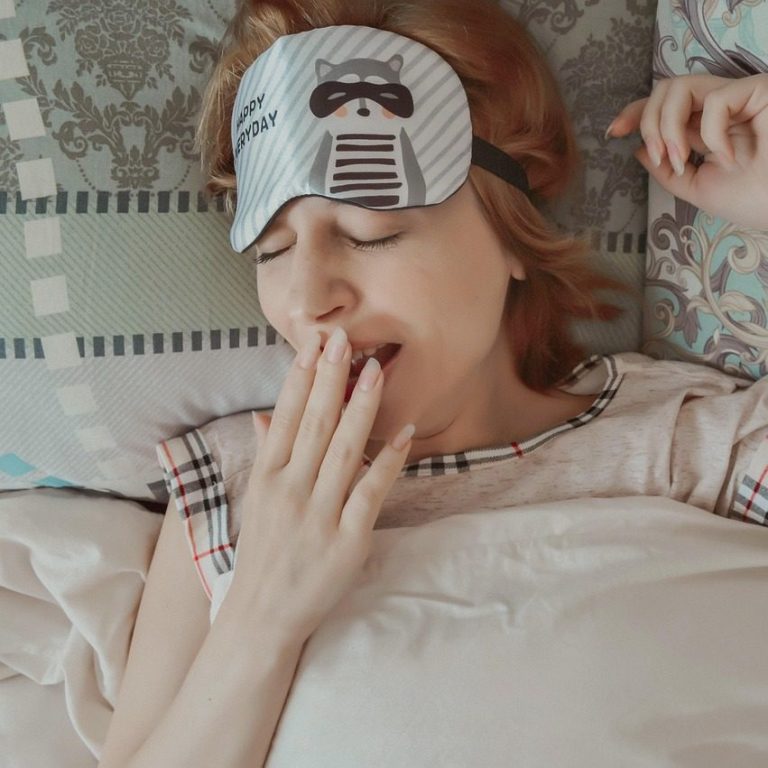
Chronic fatigue is like an unwelcome shadow that lingers in the lives of many, manifesting through the telltale signs of persistent yawning, the habitual rubbing of tired eyes, and an insatiable longing for slumber during daylight hours.
This modern malaise often dances hand in hand with the elusive quest for restful nights, creating a cycle that feels all too familiar. In our whirlwind world, where connectivity reigns supreme and the pace of life accelerates, this phenomenon is on the rise, leaving a trail of sleep-deprived souls in its wake. Recent findings from Aviva reveal a startling truth: nearly one in three individuals in the UK wrestle with insomnia, while a staggering two-thirds of adults navigate the treacherous waters of disrupted sleep patterns. The numbers paint a concerning picture—almost half of our population is deprived of the rejuvenating slumber essential for holistic well-being.
As we push the boundaries of innovation and technology, it becomes increasingly vital to address this pressing issue, forging new paths toward restorative rest and revitalized lives.
Nov
2024
Meditation - Benefits your
Mind and Body
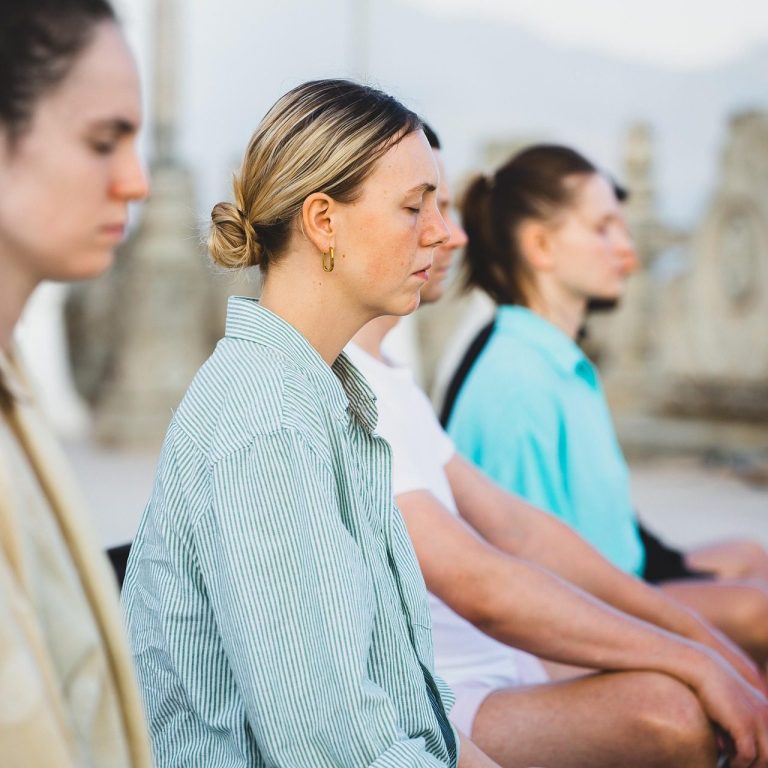
Meditation is widely recognized as an effective method for alleviating stress and anxiety, but its benefits extend beyond these areas. Research indicates that meditation can also improve mood, encourage healthy sleep patterns, and enhance cognitive abilities.
It involves the regular practice of training the mind to focus and redirect thoughts, which can lead to greater self-awareness and a better understanding of one’s environment. The growing popularity of meditation reflects an increasing awareness of its numerous health benefits. In addition to stress reduction and improved concentration, meditation can help cultivate positive emotions and attitudes. Practitioners often experience enhanced self-discipline, improved sleep quality, and even a greater tolerance for pain.
Overall, meditation serves as a valuable tool for fostering mental and emotional well-being.