The Benefits of Squats: Why You Should Add Them to Your Routine
By Lilla Fonyo — Healthy Lifestyle & Longevity Writer
Last Updated February 2026
Quick Summary
Squats are one of the most effective exercises you can do for strength, mobility and overall health. They work multiple muscle groups at once, support everyday movements like sitting and climbing stairs, and may even help improve heart health and calorie burn. The best part? You can start with simple bodyweight squats at home — no equipment needed.
Related Articles:
Pilates Mental Health Benefits: Reduce Stress, Sleep Better - Discover how Pilates boosts mood, reduces stress, improves sleep and supports mental wellbeing through gentle, mindful movement.
Low-Impact Exercise - Gentle Movement That Still Gets Results - Discover the benefits of low-impact exercise and how gentle workouts can improve strength, mobility, mood and long-term health.
Asian Pilates: The Gentle Fitness Trend - Discover Asian Pilates — a mindful blend of classical Pilates, Tai Chi, and yoga that builds strength, balance, and inner calm.
Step Aerobics Benefits: Why Step Workouts Are Great for Weight Loss, Strength, and Heart Health - Discover step aerobics benefits for weight loss, heart health and fitness — now with expert advice, backed by NHS guidance and research.
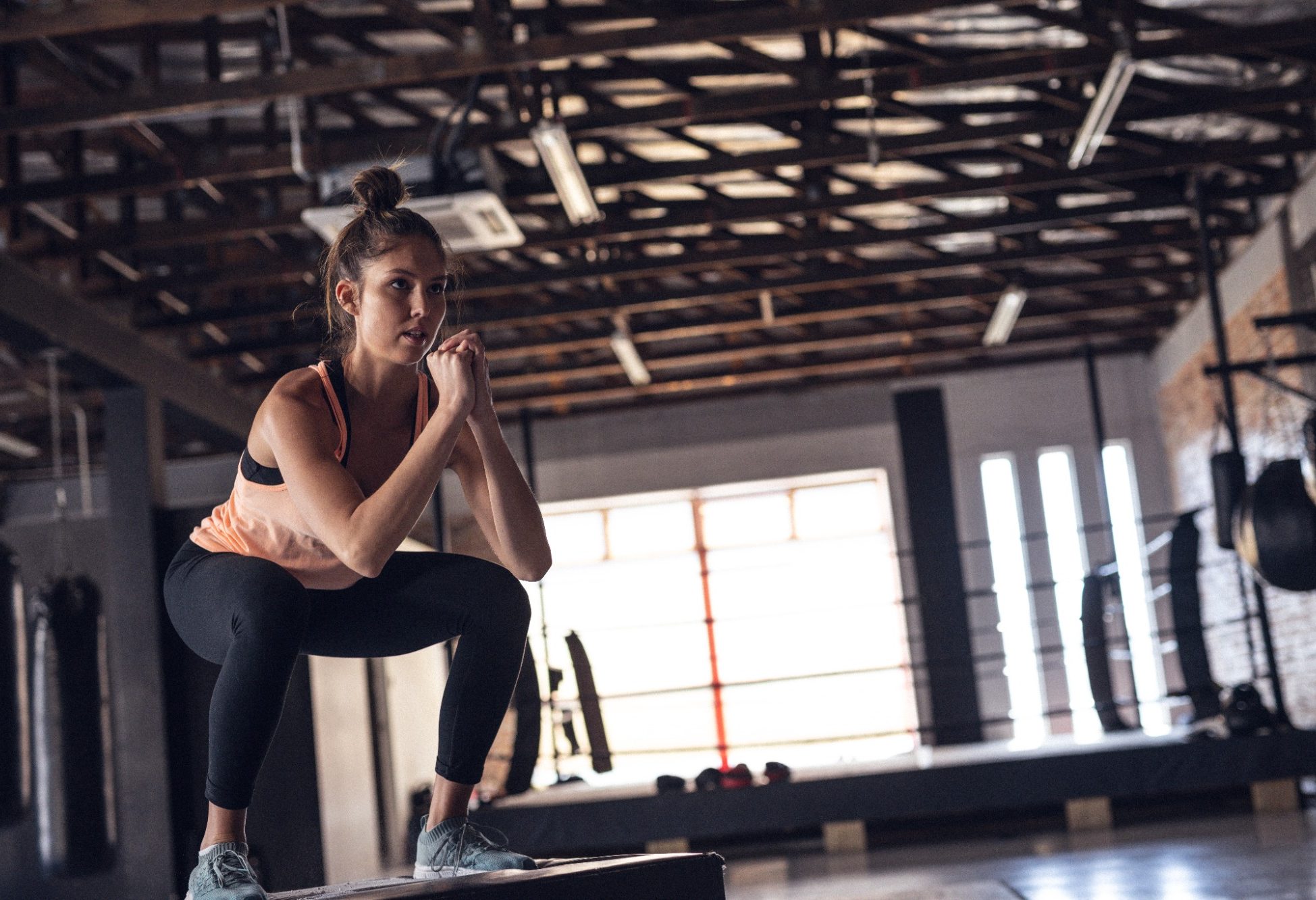
Why Squats Matter
Squats are a natural human movement. Think about sitting down, standing up, picking something up from the floor, or climbing stairs — all rely on the same motion pattern.
Interestingly, babies instinctively squat with excellent form. As adults, however, we often lose this ability due to long periods of sitting and poor movement habits. Relearning how to squat properly helps restore mobility, balance and strength.
Because squats are a compound exercise, they engage several joints and muscle groups at the same time. This makes them highly efficient for improving overall fitness and supporting daily life.
What Muscles Do Squats Work?
Although squats are famous for strengthening the lower body, they actually involve muscles throughout the entire body.
Lower body
Gluteal muscles (buttocks)
Quadriceps (front of thighs)
Hamstrings (back of thighs)
Inner thighs (adductors)
Hip flexors
Calves
Core muscles
Abdominals
Obliques
Deep stabilising core muscles
Spinal support muscles
Upper body (in some variations)
Shoulders
Back
Arms
Chest
This full-body involvement is one reason squats are considered such a functional exercise.
How to Do a Basic Bodyweight Squat
You don’t need any equipment to get started.
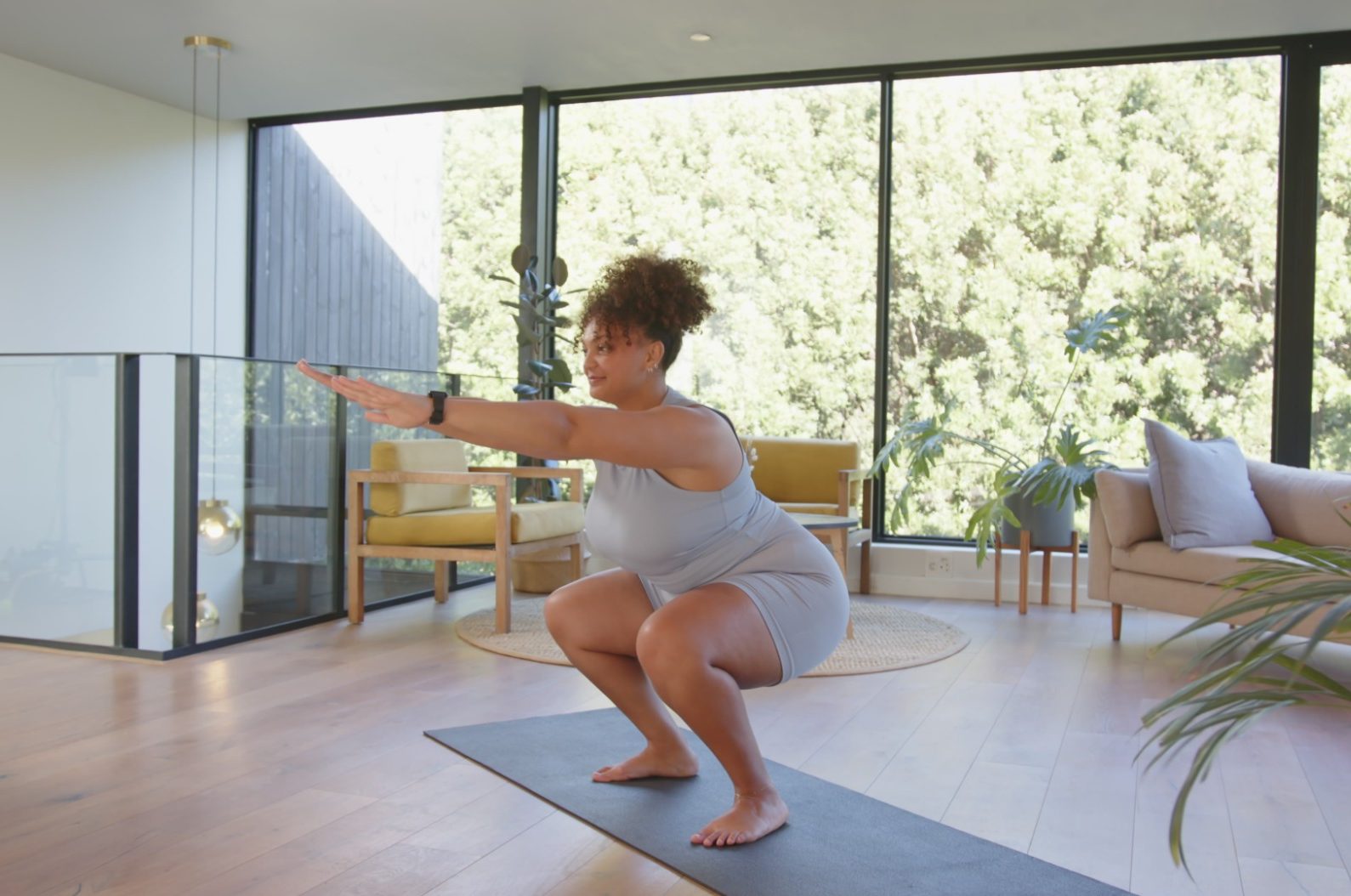
Stand tall with feet slightly wider than hip-width apart, toes turned slightly outward.
Engage your core and keep your chest lifted.
Push your hips back as if sitting into a chair.
Lower slowly, keeping knees aligned with your toes.
Go only as low as comfortable while keeping heels on the floor.
Push through your heels to stand back up and gently squeeze your glutes.
Aim for 10–15 repetitions, building up to three sets.
Helpful tip: Imagine equal pressure through your heel, big toe and little toe — sometimes called the “foot tripod”.
Top Benefits of Squats
1. Builds Full-Body Strength
Squats strengthen some of the largest muscles in your body, making everyday movements easier and reducing physical strain.
2. Supports Core Stability
Your core works continuously during squats, helping improve posture and reduce lower-back discomfort.
3. Helps Burn Calories
Research shows squat training increases energy expenditure and raises heart rate, supporting weight management and metabolic health.
4. Improves Mobility and Balance
Regular squatting improves joint movement in the hips, knees and ankles — essential for long-term independence as we age.
5. May Reduce Injury Risk
Strengthening muscles, tendons and ligaments improves stability and movement control, helping protect against injury.
6. Boosts Athletic Performance
Squats develop power, coordination and speed, benefiting both athletes and recreational exercisers.
7. Can Be Done Anywhere
Bodyweight squats require no equipment, making them ideal for home workouts or short movement breaks during the day.
Squats and Heart Health
Emerging research highlights potential cardiovascular benefits too. According to the British Heart Foundation, exercises such as wall squats (an isometric variation) may help lower blood pressure alongside other forms of activity.
Large reviews comparing different exercise types found that while all exercise helps heart health, isometric exercises like wall squats showed particularly strong effects on resting blood pressure. Regular exercise overall can reduce the risk of heart and circulatory disease by up to a third.
What Science Says About Squat Training
Recent research published in scientific journals shows squat training influences several important physiological markers:
Increased energy expenditure during exercise
Improved oxygen efficiency over repeated sets
Positive cardiovascular adaptations, including heart-rate improvements
Enhanced movement efficiency over time
These findings suggest squats are not only strength-building but also support endurance and overall physical conditioning when performed regularly.
Safety Tips for Squats
To stay safe and get the most benefit:
Only squat as low as your form allows.
Keep your spine neutral — avoid rounding your back.
Look forward rather than down.
Keep weight evenly distributed through your feet.
Prioritise good technique over heavy weights.
Stop if you feel sharp pain.
If you have injuries or medical conditions, speak to a healthcare professional before starting a new exercise routine.
Why Squats Matter in Everyday Life
A strong squat isn’t just for the gym. It helps you:
Stand up from chairs comfortably
Lift shopping safely
Climb stairs with ease
Maintain independence as you age
Movement specialists often describe the squat as a “foundational” human movement because it supports nearly everything we do physically.
Expert & Health Organisation Insights
NHS
The NHS highlights growing research into simple exercises such as wall squats that may help manage mild to moderate high blood pressure at home. Ongoing studies aim to confirm whether short, structured sessions can support cardiovascular health alongside traditional activity.
British Heart Foundation
The British Heart Foundation emphasises that regular exercise — including strength training — supports heart health, helps lower blood pressure and reduces cardiovascular disease risk. Enjoyable, sustainable exercise habits are key to long-term success.
PubMed & Scientific Research
Peer-reviewed research shows squat training improves metabolic efficiency, cardiovascular response and muscular coordination. Monitoring factors such as heart rate and oxygen use helps tailor training safely and effectively for different individuals.
Takeaway
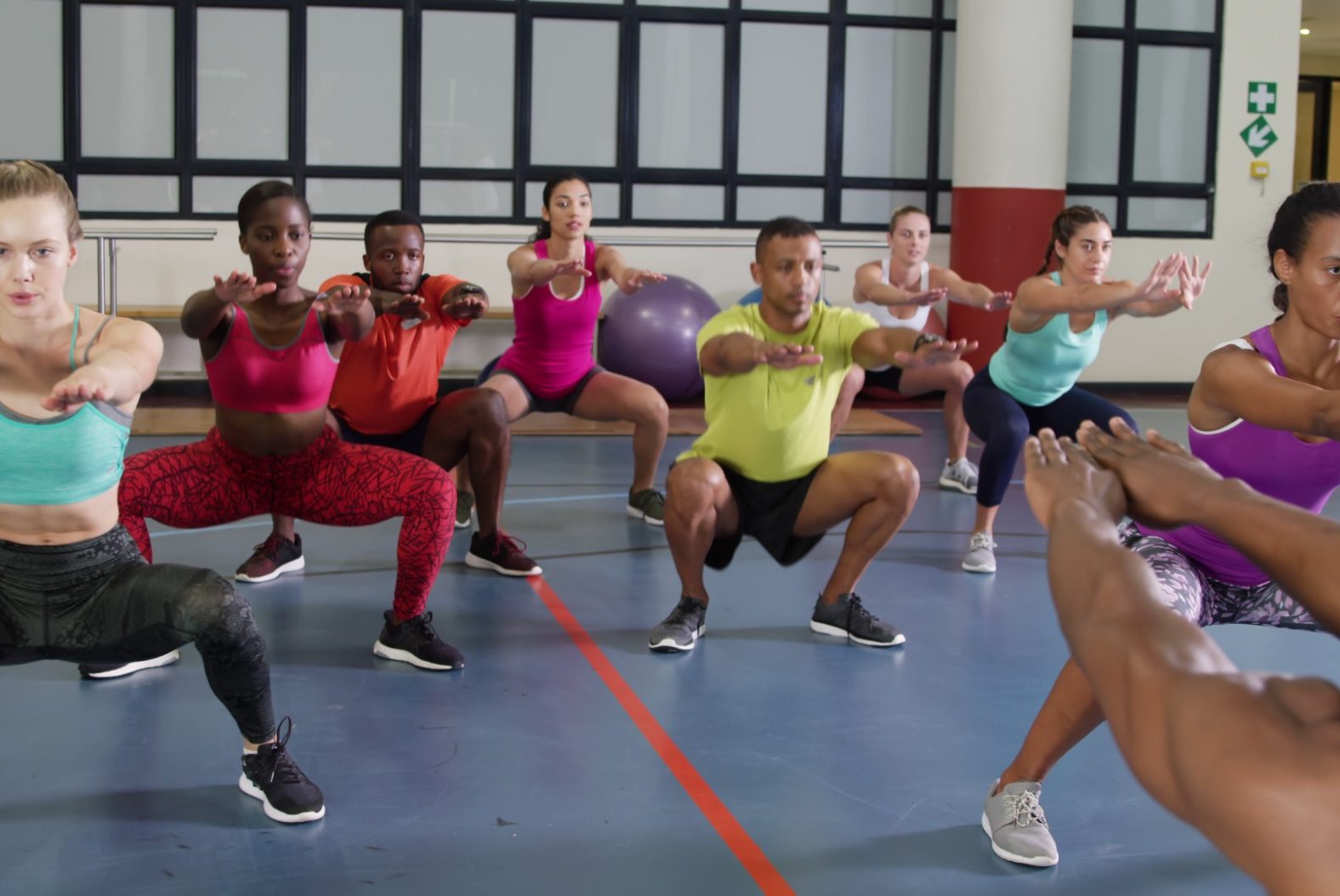
Squats are one of the simplest yet most powerful exercises you can add to your routine. They strengthen your muscles, support heart health, improve mobility and make everyday activities easier. Start with bodyweight squats, focus on good form, and progress gradually — consistency matters more than intensity.
❓ FAQ: The Benefits of Squats
Are squats safe for beginners?
Yes. Bodyweight squats are generally safe when performed with proper technique and within a comfortable range of motion.
How many squats should I do per day?
Beginners can start with 10–15 repetitions for 2–3 sets, a few times per week. Quality matters more than quantity.
Can squats help with weight loss?
They can contribute by increasing calorie burn and building muscle, which supports metabolism.
Are squats good for heart health?
Yes. Strength exercises, including squat variations, may support blood pressure control and cardiovascular fitness when combined with regular activity.
Can older adults do squats?
Absolutely. Squats help maintain mobility and independence, but modifications or professional guidance may be helpful.
Should my knees go past my toes?
This varies between individuals. The key is comfort, control and keeping heels grounded rather than forcing a specific position.
🌿 From Ana’s Training Floor
Coach’s Corner
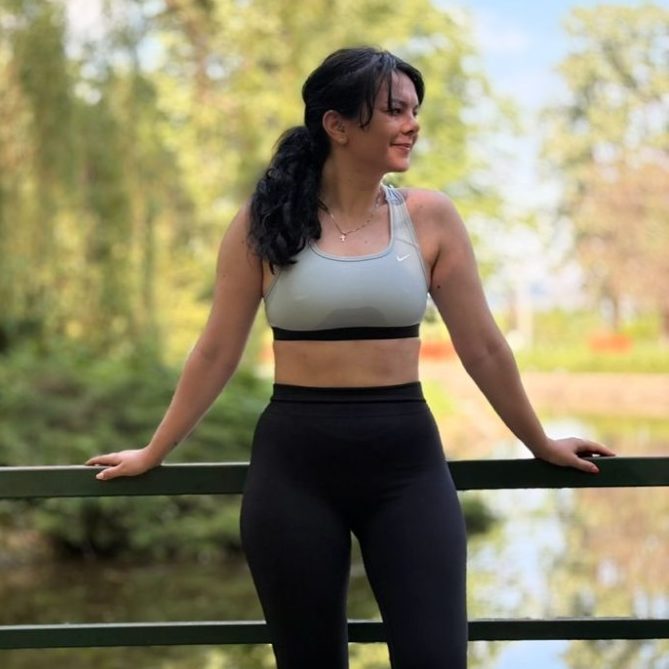
“One thing I often discuss with my clients is the idea that knees must always stay in line with the toes. This is very common advice, but in reality it depends on the individual and their body structure.
For some people — especially those with different ankle mobility — the knees will naturally move slightly over the toes during a squat. This is not automatically wrong or dangerous. What matters more is control, absence of pain, balance and keeping the core engaged.
I often see people focusing too much on achieving ‘perfect form’ from the internet instead of finding a squat position that feels stable and strong for their own body. Not every squat will look the same, and that is completely normal.
In my coaching, I prioritise pain-free movement and good control. Technique is important, but it must also be realistic and adapted to the individual. Squats are very beneficial — but they should always fit the person performing them.”
— Ana Sofronea, Level 3 Personal Trainer
Learn how to perform squats safely with proper technique. In this short tutorial, our Level 3 Personal Trainer, Ana demonstrates correct squat form for beginners.
This reinforces that good technique is individual, and safe, controlled movement should always come before strict visual rules.
This content is for educational purposes and does not replace medical advice…
About the author
Lilla Fonyo is a healthy lifestyle and longevity writer with a background in endurance running, nutrition, and mindful living. She focuses on sustainable habits that support long-term physical and mental wellbeing.
This article was reviewed by our PT expert, Ana Sofronea, Certified Personal Trainer (Level 3).
Sources:
www.healthline.com - 7 Benefits of Doing Squats and Variations to Try
www.bhf.org.uk - Can wall squats and planks lower your blood pressure?
www.ekhuft.nhs.uk - New study to test if wall squat exercise can lower blood pressure
www.pmc.ncbi.nlm.nih.gov - Effects of squat training on energy expenditure, oxygen consumption, and heart rate in young healthy adults
www.theguardian.com - The squat secret: why this simple move is the key to long-term health – and how to improve yours