Tai Chi
A Gentle, Low-Impact Exercise for Body and Mind
By Lilla Fonyo — Healthy Lifestyle & Longevity Writer
Last Updated February 2026
Quick Summary
Tai Chi is a gentle, low-impact exercise that supports both physical and mental health through slow, flowing movements and mindful breathing. Often described as “meditation in motion”, it improves balance, strength, flexibility and emotional wellbeing without placing strain on the body. Suitable for nearly all ages and fitness levels, Tai Chi offers a calm yet effective way to stay active and reduce stress.
Related Articles:
Pilates Mental Health Benefits: Reduce Stress, Sleep Better - Discover how Pilates boosts mood, reduces stress, improves sleep and supports mental wellbeing through gentle, mindful movement.
Low-Impact Exercise - Gentle Movement That Still Gets Results - Discover the benefits of low-impact exercise and how gentle workouts can improve strength, mobility, mood and long-term health.
Asian Pilates: The Gentle Fitness Trend - Discover Asian Pilates — a mindful blend of classical Pilates, Tai Chi, and yoga that builds strength, balance, and inner calm.
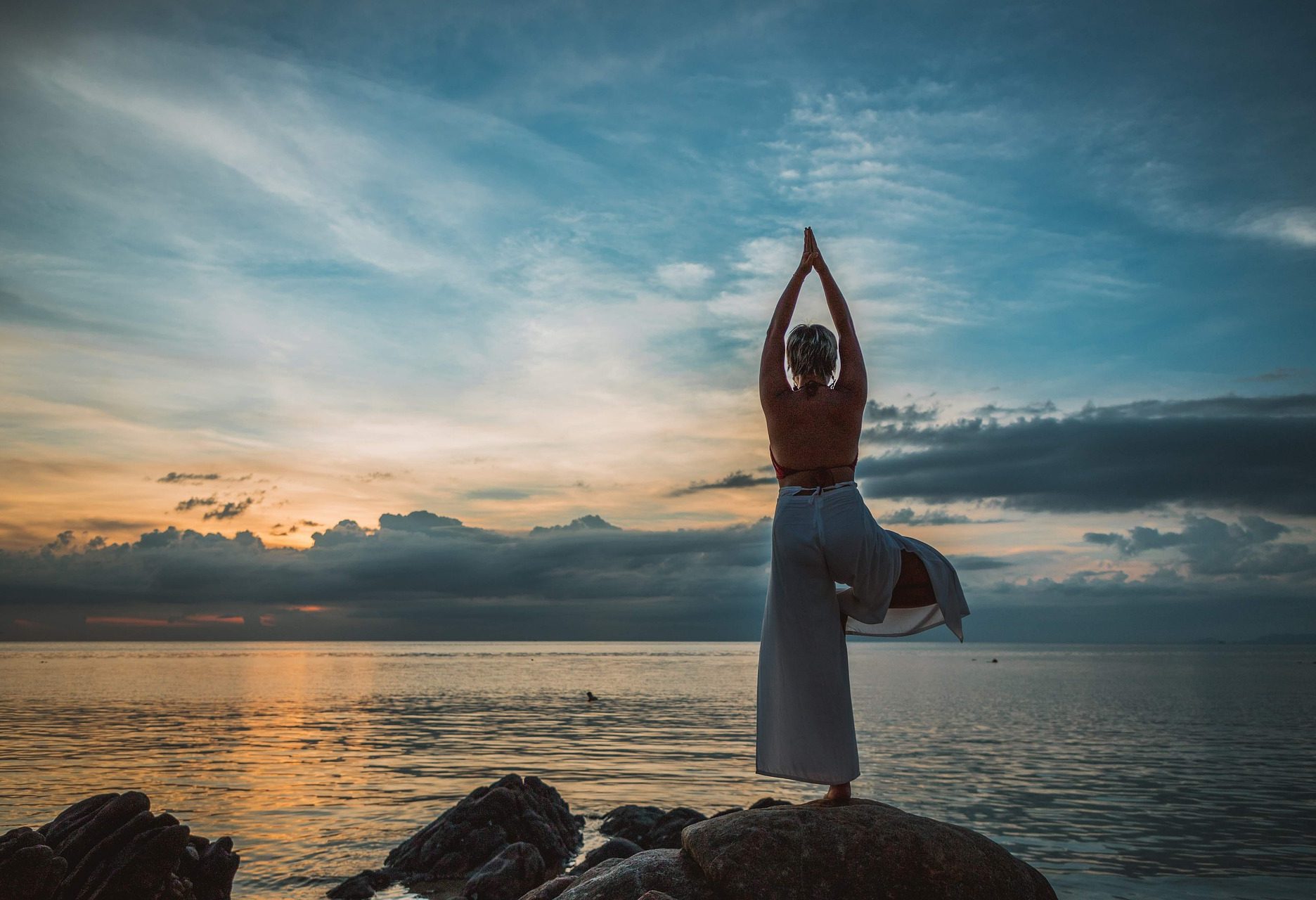
Tai Chi may look slow and graceful, but don’t be fooled — this ancient practice offers powerful benefits for both physical and mental health. Often described as “meditation in motion”, Tai Chi combines gentle movement, deep breathing and focused awareness, making it one of the most accessible forms of low-impact exercise available.
Originally developed in China as a martial art, Tai Chi is now practised around the world as a way to support strength, balance, flexibility and inner calm. Best of all, it can be enjoyed at almost any age and stage of life.
What Is Tai Chi?
Tai Chi is a series of slow, flowing movements that transition smoothly from one posture to the next. Each movement is performed with relaxed muscles, soft joints and steady breathing. Rather than pushing or forcing the body, Tai Chi encourages ease, balance and mindful attention.
The practice is rooted in traditional Chinese philosophy, including ideas such as qi (life energy) and the balance of yin and yang. However, you don’t need to understand or believe in these concepts to benefit. Many people simply enjoy Tai Chi as a calm, rhythmic form of movement that feels good and supports wellbeing.
Why Tai Chi Is Ideal as a Low-Impact Exercise
Tai Chi places minimal strain on muscles and joints, making it especially suitable for people who find high-impact exercise difficult or unappealing. Movements are circular and controlled, never abrupt or jarring, and can be adapted to suit different abilities — including seated or supported versions if needed.
Because of this, Tai Chi is often recommended for:
Older adults
People with joint pain or arthritis
Those recovering from illness or surgery
Anyone seeking gentle, sustainable exercise
It’s an activity you can truly grow into — and continue for life.
Physical Benefits of Tai Chi
Although gentle, Tai Chi addresses many key components of fitness:
Improved Strength and Flexibility
Regular practice strengthens the legs, core and upper body using your own body weight. Over time, this helps improve posture, stability and ease of movement. Tai Chi also gently increases flexibility without overstretching.
Better Balance and Fewer Falls
Tai Chi is particularly effective at improving balance and body awareness. Studies show it can reduce the risk of falls, especially in older adults, by improving coordination, muscle control and confidence in movement.
Joint and Back Health
Because movements are smooth and relaxed, Tai Chi supports joint health and spinal alignment. Research has shown it can help reduce chronic back pain and stiffness while strengthening supportive muscles.
Mental and Emotional Benefits
Tai Chi is not just exercise for the body — it’s also deeply calming for the mind.
Reduced Stress and Anxiety
The slow pace and focus on breathing help calm the nervous system. Many people report feeling more relaxed, grounded and mentally clear after practice.
Improved Brain Function
Studies suggest Tai Chi can support memory, concentration and cognitive flexibility, sometimes showing benefits faster than conventional exercise. The combination of movement and mindful attention appears to stimulate the brain in a unique way.
Better Mood and Sleep
Regular practice has been linked to improved mood, reduced symptoms of anxiety and depression, and better sleep quality.
Heart Health and Immunity
Tai Chi may look gentle, but it can still support cardiovascular health. Research has shown it can help lower blood pressure, improve cholesterol levels and support healthy blood sugar regulation.
There is also evidence that Tai Chi can boost immune function. In some studies, participants practising Tai Chi showed stronger immune responses compared to those taking health education alone.
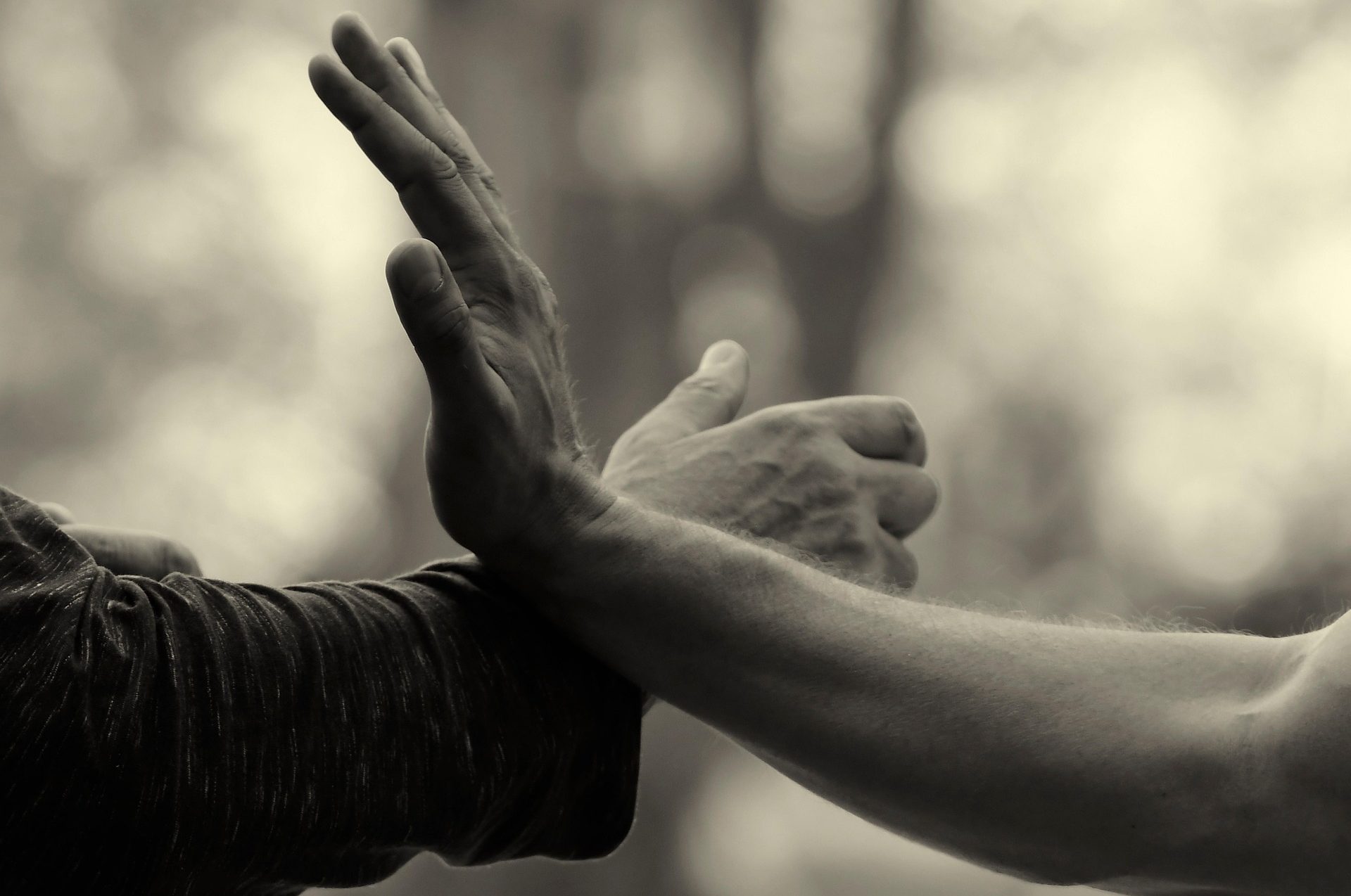
What Happens in a Tai Chi Session?
A typical Tai Chi session may include:
Warm-up movements to loosen joints and focus on breathing
Learning and practising forms, which are set sequences of movements
Qigong, a short period of gentle breathing and energy-focused movement
Sessions can last anywhere from 10 minutes to an hour, depending on your time and energy levels.
Getting Started with Tai Chi
You don’t need special equipment or fitness levels to begin. Comfortable clothing and flat, supportive shoes (or bare feet) are enough.
If possible, joining a class with an experienced instructor can be helpful, especially to learn the mindful, meditative aspect of the practice. Many community centres, leisure centres and senior groups offer classes. Online videos can also be a good starting point, particularly if you prefer to practise at home.
If you have a medical condition, joint problem or balance issues, it’s always wise to check with your GP before starting any new exercise — though Tai Chi is widely considered very safe.
How Often Should You Practise?
Even 10 minutes a day can be beneficial. Many people enjoy practising for 20–30 minutes daily, but consistency matters more than duration. Benefits often begin to appear within a few weeks, with deeper physical and mental improvements developing over time.
A Gentle Practice with Lasting Benefits
Tai Chi offers something rare: an exercise that is gentle yet effective, calming yet strengthening. It supports the body without strain and the mind without pressure.
What PubMed Research Says About Tai Chi
According to a major review published on PubMed, Tai Chi is one of the most well-researched forms of gentle exercise, with over 500 clinical trials and more than 120 systematic reviews examining its health effects over the past 45 years. The review assessed evidence across a wide range of physical and mental health conditions.
Researchers found excellent evidence that Tai Chi helps prevent falls, eases osteoarthritis symptoms, supports people with Parkinson’s disease, improves balance and aerobic fitness, and enhances cognitive function in older adults. There is also good evidence that Tai Chi can help with depression, cardiac and stroke rehabilitation, and dementia.
For conditions such as high blood pressure, osteoporosis, fibromyalgia, and quality of life during cancer care, the evidence was described as fair but promising. Importantly, the review found no evidence that Tai Chi worsens any health condition, and reported side effects were rare, mild, and usually limited to minor muscle soreness.
The authors concluded that Tai Chi is a safe, effective, and evidence-based exercise that healthcare professionals can confidently recommend, while continuing standard medical care where needed.
Takeaway
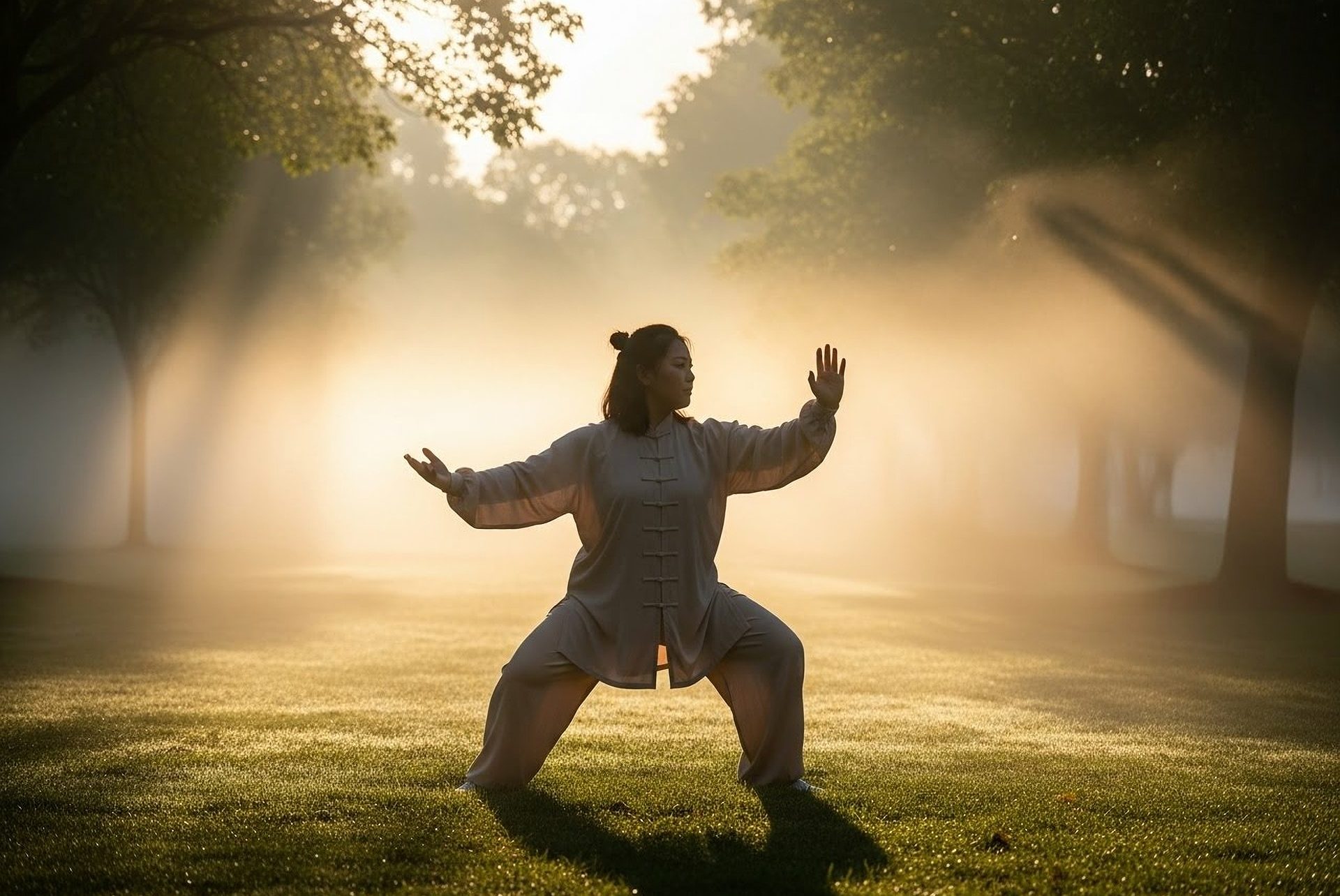
Tai Chi proves that exercise doesn’t need to be intense to be effective. Its slow, controlled movements strengthen the body, improve balance and support joint health while calming the mind and reducing stress. Regular practice has been linked to better mood, improved sleep, sharper thinking and stronger immunity. Because it is low-impact and adaptable, Tai Chi is accessible to people at almost any stage of life. Consistency matters more than duration, and even short daily sessions can bring noticeable benefits. Sometimes, moving gently is the most powerful way to support long-term health.
❓ FAQ: Tai Chi
Is Tai Chi suitable for beginners?
Yes - Tai Chi is ideal for beginners because movements are slow, controlled and easy to modify. No previous fitness experience is required.
Can Tai Chi really improve balance?
Absolutely. Tai Chi is one of the most effective exercises for improving balance and coordination and is widely recommended to reduce the risk of falls, especially in older adults.
Is Tai Chi a good form of exercise for joint pain?
Yes - Because it is low-impact and gentle on the joints, Tai Chi can help reduce stiffness and discomfort associated with arthritis and back pain.
How often should I practise Tai Chi?
Even 10 minutes a day can be beneficial. Many people aim for 20–30 minutes daily, but regular practice is more important than long sessions.
Does Tai Chi help with stress and anxiety?
Yes - The combination of slow movement, deep breathing and focus helps calm the nervous system and reduce stress, anxiety and mental fatigue.
Can Tai Chi improve heart health?
Research suggests Tai Chi can support cardiovascular health by lowering blood pressure, improving circulation and helping regulate blood sugar levels.
Do I need special equipment to practise Tai Chi?
No - Comfortable clothing and flat shoes — or bare feet — are all you need. Tai Chi can be practised indoors or outdoors.
Is Tai Chi safe for older adults or people with health conditions?
Tai Chi is generally very safe, but it’s always sensible to speak to your GP before starting if you have a medical condition or mobility concerns.
This content is for educational purposes and does not replace medical advice...
Some useful links:
About the author
Lilla Fonyo is a healthy lifestyle and longevity writer with a background in endurance running, nutrition, and mindful living. She focuses on sustainable habits that support long-term physical and mental wellbeing.
Sources:
www.health.harvard.edu - The health benefits of tai chi
www.bbc.co.uk - The surprising health benefits of Tai Chi
www.taichiforhealthinstitute.org - Tai Chi for Everyone
www.pmc.ncbi.nlm.nih.gov - Health benefits of tai chi: What is the evidence?