Strength Training for Over 40s:
The Complete Guide to Building Muscle, Protecting Your Bones and Staying Strong
By Lilla Fonyo — Healthy Lifestyle & Longevity Writer
February 2026
Quick Summary
Strength training over 40 is one of the most powerful ways to protect your muscles, support your bones, boost your metabolism and maintain independence as you age. You do not need long gym sessions — just two to four focused sessions per week can slow muscle loss, improve heart health and increase confidence. The key is consistency, good technique and allowing proper recovery.
Related Articles:
The Benefits of Squats: Why You Should Add Them to Your Routine - Learn why squats matter, which muscles they work, how to squat safely, and the top benefits for strength, mobility and injury prevention.
How Strength Training Boosts Brain Power - Discover how strength training improves memory, focus, and brain health while reducing stress and boosting mental performance.
Step Aerobics Benefits: Why Step Workouts Are Great for Weight Loss, Strength, and Heart Health - Discover step aerobics benefits for weight loss, heart health and fitness — now with expert advice, backed by NHS guidance and research.
Low-Impact Exercise - Gentle Movement That Still Gets Results - Discover the benefits of low-impact exercise and how gentle workouts can improve strength, mobility, mood and long-term health.
Asian Pilates: The Gentle Fitness Trend - Discover Asian Pilates — a mindful blend of classical Pilates, Tai Chi, and yoga that builds strength, balance, and inner calm.
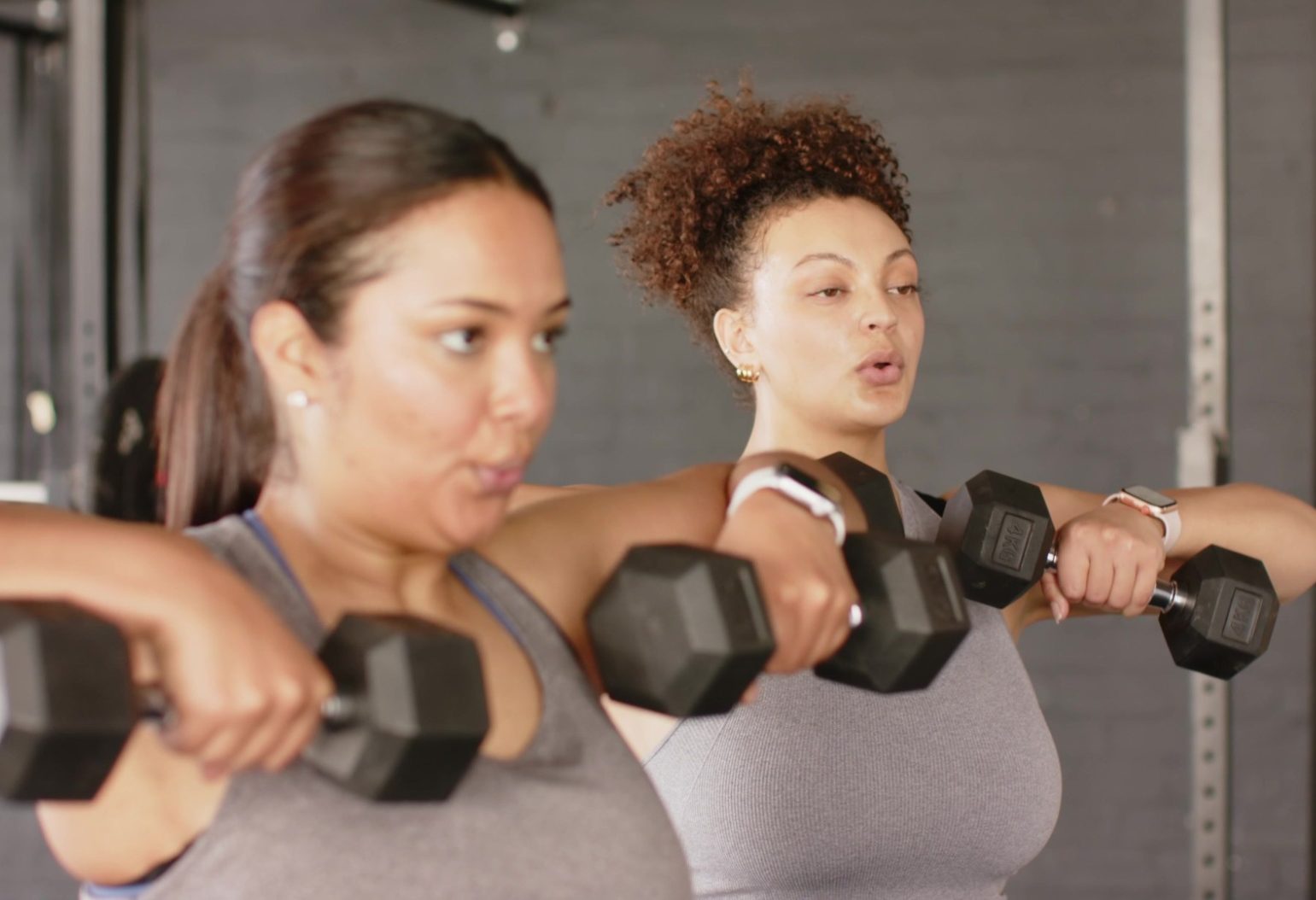
Why Strength Training Matters After 40
Life in your 40s often becomes busier — careers, family, responsibilities. At the same time, your body begins to change.
From around age 30, adults naturally start losing muscle mass. For women, this decline can accelerate during perimenopause and menopause due to falling oestrogen levels. This age-related muscle loss is known as sarcopenia, and without resistance training, it can affect:
Strength and stamina
Metabolism and weight management
Joint stability
Balance and fall risk
Bone density
The good news? Muscle loss is not inevitable. Research consistently shows that resistance training can slow — and even reverse — age-related decline.
As one coach put it: strength training in your 40s is not about chasing your 30-year-old body. It is about building the body you want to live in for the next 30 years.
The Benefits of Strength Training Over 40
1. Preserves and Builds Muscle
Adults can lose 3–8% of muscle mass per decade after 30. Strength training stimulates muscle fibres to grow stronger and thicker.
2. Supports Bone Density
Declining hormones increase osteoporosis risk, particularly for women. Resistance training places healthy stress on bones, helping maintain density.
3. Boosts Metabolism
Muscle tissue burns more energy than fat tissue. Maintaining muscle helps support long-term weight management.
4. Protects Heart Health
Strength training has been shown to:
Reduce blood pressure
Improve cholesterol profiles
Support blood sugar regulation
5. Improves Balance and Reduces Falls
Stronger legs and core muscles improve stability — vital for maintaining independence later in life.
6. Enhances Mental Wellbeing
Resistance exercise is linked to improved mood, reduced anxiety and better sleep quality.
NHS Guidance on Strength Training
The NHS recommends:
At least 150 minutes of moderate aerobic activity per week
Strength-based exercise on 2 or more days per week
Strength exercises should work all major muscle groups:
Legs
Hips
Back
Abdomen
Chest
Shoulders
Arms
The NHS also highlights key principles:
Specificity – train for your goal
Progression – gradually increase difficulty
Recovery – allow rest between sessions
Overload – muscles must be challenged to improve
It can take:
6–8 weeks to notice strength gains
12–26 weeks to see visible muscle changes
Consistency truly matters.
British Heart Foundation Advice
The British Heart Foundation emphasises that strength training:
Helps reduce risk of heart and circulatory disease
Improves balance and posture
Slows muscle and bone loss
Supports mental health
They recommend building strength gradually and allowing at least one rest day between sessions targeting the same muscle groups.
Even simple home exercises such as:
Sit-to-stands
Wall push-ups
Heel raises
Seated rows
can be effective when performed regularly.
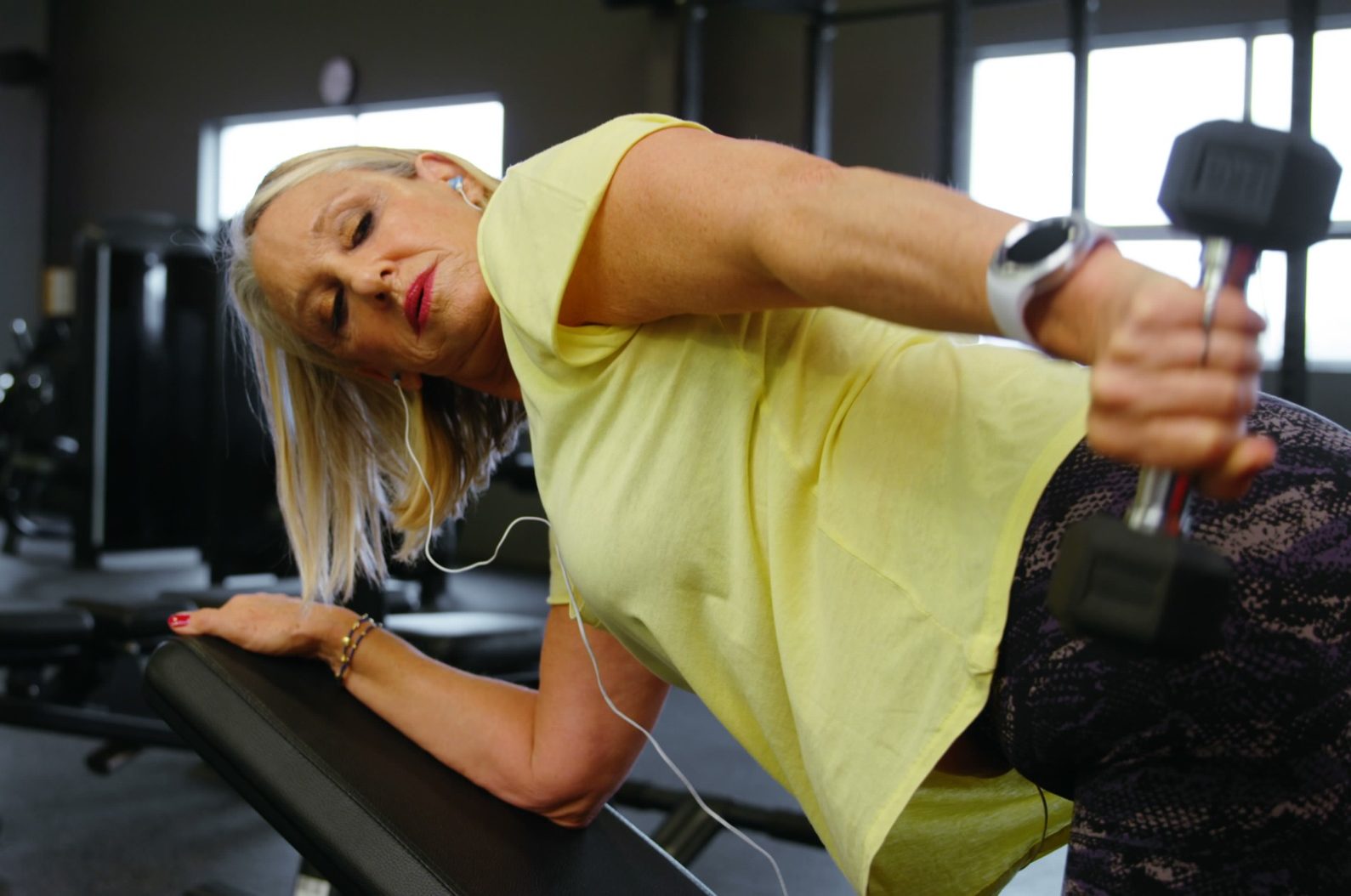
The 4 Foundational Exercises for Over 40s
You do not need complicated programmes. These four movements provide a powerful foundation.
1. Squats
Strengthen hips, knees and bones.
Functional for sitting and standing.
Beginner option: Sit down to a chair and stand up slowly.
2. Deadlifts (Hip Hinges)
Strengthen glutes and hamstrings.
Protect the lower back when lifting objects.
Beginner option: Use light dumbbells or even household items.
3. Push-Ups
Maintain upper body strength and shoulder health.
Beginner option: Wall push-ups or hands elevated on a table.
4. Rows
Counteract desk posture.
Strengthen the upper back and improve shoulder stability.
Beginner option: Use light dumbbells, water bottles or resistance bands.
A Simple 20–25 Minute Strength Routine
Frequency: 2–3 times per week
Sets: 3
Reps: 8–12 per exercise
Goblet Squats
Dumbbell Deadlifts
Bent-Over Rows
Shoulder Press
Glute Bridges
Rest 60–90 seconds between sets.
Focus on controlled movement rather than rushing.
How to Train Safely in Your 40s
Prioritise technique over heavy weight
Increase load gradually (5–10% at a time)
Allow recovery days
Support training with adequate protein and sleep
Stop if you feel sharp pain
Remember: muscles adapt faster than tendons and ligaments. Patience prevents injury.
Common Concerns (And Why They’re Myths)
“I’m too old to start.”
Research shows strength improvements are possible at any age.
“Strength training will make me bulky.”
Building large muscle mass requires specific, intense training. Most people develop a toned, strong appearance.
“It’s bad for my joints.”
Proper strength training strengthens the muscles around joints, often reducing pain.
“I don’t have time.”
Two or three 30-minute sessions per week are enough.
Recovery Is Not Optional
After 40, recovery becomes as important as training.
Prioritise:
Sleep
Protein intake
Rest days
Stress management
Hormonal fluctuations may mean some sessions feel stronger than others — that is normal.

Takeaway
Strength training after 40 is one of the most effective investments you can make in your long-term health. It protects muscle, strengthens bones, supports heart health and improves confidence. You do not need perfection — just consistency. Two or three focused sessions per week can transform how you feel in your 40s, 50s and beyond.
❓ FAQ: Strength Training for Over 40s
How often should I strength train after 40?
At least 2 sessions per week, working all major muscle groups.
Can I build muscle in my 40s?
Yes. Research shows adults can increase muscle mass and strength at any age.
Should I lift heavy weights?
Start with manageable resistance. The final repetitions should feel challenging while maintaining good form.
Does strength training replace cardio?
No. Combine strength training with 150 minutes of moderate aerobic activity per week.
Is strength training safe during menopause?
Yes, and it is especially beneficial for bone density and muscle preservation.
How long before I see results?
Most people notice strength improvements within 6–8 weeks.
This content is for educational purposes and does not replace medical advice...
About the author
Lilla Fonyo is a healthy lifestyle and longevity writer with a background in endurance running, nutrition, and mindful living. She focuses on sustainable habits that support long-term physical and mental wellbeing.
Sources:
www.eatthis.com - The Best Strength Workout for Busy People Over 40, According to Trainers
www.fitandwell.com - Over 40? A trainer says these are the three exercises you should be doing to promote healthy, active aging
www.uhsussex.nhs.uk - Strength and conditioning
www.bhf.org.uk - Strength exercises you can do at home in 10 minutes
www.nhs.uk - How to improve your strength and flexibility
www.womenshealthmag.com - Strength training in your 40s can reverse muscle loss – these 4 exercises matter most
www.puregym.com - Strength Training for Women Over 40
www.healthline.com - 7 Workout Tips for Women Over 40