Nordic Exercise:
A Simple, Powerful Way to Move Your Body
By Lilla Fonyo — Healthy Lifestyle & Longevity Writer
Last Update February 2026
Quick Summary
Nordic exercise is a gentle yet highly effective way to stay active, inspired by the outdoor lifestyles of Scandinavian countries. Best known through Nordic walking, it turns an ordinary walk into a full-body workout using specially designed poles. This low-impact activity supports heart health, strengthens muscles, protects joints and improves mental wellbeing — all while encouraging time outdoors. Accessible to nearly everyone, Nordic exercise focuses on consistency, enjoyment and lifelong movement rather than intense workouts.
Tai Chi: A Gentle Low-Impact Exercise for Body and Mind - Discover the benefits of Tai Chi, a low-impact exercise that improves balance, reduces stress and supports physical and mental health.
Low-Impact Exercise – Gentle Movement That Still Gets Results - Discover low-impact exercise benefits, beginner tips and NHS guidance for safe, joint-friendly fitness that still delivers results.
Mental Health Benefits of Pilates: Reduce Stress, Sleep Better - Discover how Pilates boosts mood, reduces stress, improves sleep and supports mental wellbeing through gentle, mindful movement.
Asian Pilates: The Gentle Fitness Trend Blending East and West for Strength, Balance and Calm - Discover Asian Pilates — a mindful blend of classical Pilates, Tai Chi, and yoga that builds strength, balance, and inner calm.

A Different Approach to Fitness
When many people think about exercise, they imagine crowded gyms, strict routines or exhausting workouts. Nordic exercise offers something refreshingly different.
Rooted in the cultures of Norway, Sweden, Finland and Denmark, this style of movement is based on a simple idea: move regularly, move naturally, and enjoy being outdoors.
At its heart is Nordic walking — but the philosophy goes beyond poles and technique. It encourages sustainable movement that supports both physical health and emotional balance.
What Is Nordic Exercise?
Nordic exercise includes activities inspired by Nordic outdoor traditions, with Nordic walking being the most popular form.
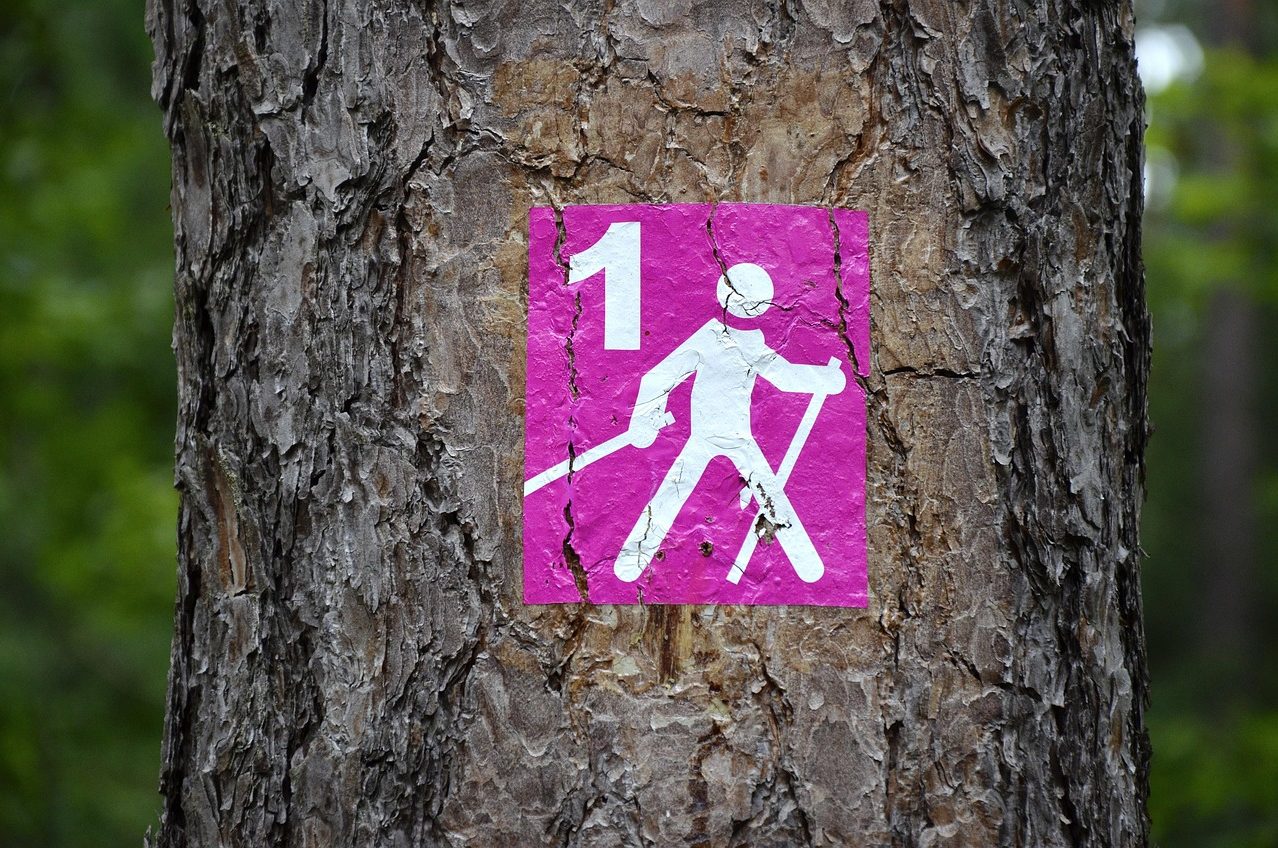
Nordic walking uses specially designed poles that mimic the motion of cross-country skiing. Unlike ordinary walking, the poles engage the arms, shoulders, back and core as well as the legs, transforming a simple walk into a full-body activity.
Because it is low impact and easy to adapt, Nordic exercise suits people of different ages, abilities and fitness levels.
Why Nordic Exercise Works So Well
- A Full-Body Workout Without High Impact
Using poles activates up to 80–90% of the body’s muscles. The upper body works alongside the legs, increasing calorie burn while reducing strain on joints.
- Supports Heart Health
Nordic exercise gently raises heart rate and improves circulation and endurance. Research shows it can burn more calories than regular walking while still feeling comfortable and sustainable.
- Kind to Joints and Mobility
The poles distribute body weight more evenly, reducing pressure on knees, hips and feet. This makes Nordic exercise especially helpful for older adults or those returning to activity after injury.
- Boosts Mental Wellbeing
Nordic exercise usually takes place outdoors, combining movement with fresh air and nature. This has been linked to reduced stress, improved mood and clearer thinking.
The Nordic Philosophy of Movement
What truly sets Nordic exercise apart is its mindset.
In Nordic cultures, exercise is not punishment or a race for quick results. Instead, movement is part of everyday life — something that supports wellbeing over decades.
The focus is on:
Consistency rather than intensity
Enjoyment over competition
Balance and recovery
Long-term health
This gentle approach helps maintain energy levels, supports hormonal balance and encourages sustainable habits.
How to Get Started with Nordic Walking
You only need a few basics to begin.
✔ Choose the Right Poles
Your elbows should bend at roughly 90 degrees when holding the poles. Nordic walking poles include special straps that allow you to push using your palms rather than gripping tightly.
✔ Keep the Technique Simple
Walk naturally
Move opposite arm and leg together
Plant poles slightly behind you
Stay upright and relaxed
Start slowly and build confidence over time.
Nordic Exercise Fits Anywhere
One of the biggest advantages is flexibility. You can practise Nordic exercise almost anywhere:
Forest trails for calm and quiet
Coastal paths for fresh sea air
Urban parks for convenience
Local streets for everyday movement
You don’t need dramatic scenery — just a safe place to walk.
Who Is Nordic Exercise For?
Nordic exercise is suitable for:
Beginners starting a fitness journey
Older adults wanting safe activity
People protecting joint health
Those recovering after illness or injury
Anyone who prefers outdoor movement to gyms
It is not about speed or performance — it is about movement that can last a lifetime.
What PubMed Research Says
A systematic review published on PubMed analysing multiple clinical studies found strong evidence supporting Nordic walking as an effective form of exercise.
Researchers reported that Nordic walking can improve:
Resting heart rate
Blood pressure
Exercise capacity
Oxygen uptake
Quality of life
Across studies involving more than 1,800 participants, Nordic walking showed greater cardiovascular benefits than brisk walking without poles and, in some measures, performed similarly to jogging — while remaining much gentler on the body.
Because of these benefits, researchers recommend Nordic walking for both prevention and rehabilitation in people with various health conditions.
A Nordic Way to Stay Well
Nordic exercise reminds us that fitness does not need to be complicated. A simple walk can become a powerful form of self-care.
Steady movement, fresh air and a calm approach help support both body and mind. Whether your goal is improving heart health, protecting joints or simply enjoying nature more often, Nordic exercise offers a practical and joyful path forward.
Sometimes, the simplest habits create the biggest changes.

Takeaway
Nordic exercise transforms ordinary walking into a gentle full-body workout that supports long-term health. By combining movement, nature and consistency, it improves fitness, protects joints and boosts wellbeing — proving that sustainable exercise does not need to be intense to be effective.
❓ FAQ – Nordic Exercise: A Simple, Powerful Way to Move Your Body
Is Nordic walking better than regular walking?
It can be more effective because it engages the upper body, increasing muscle activity and calorie burn while remaining low impact.
Do I need special equipment?
Yes, Nordic walking poles are recommended. They differ from hiking poles and are designed to enhance movement and posture.
Is Nordic exercise suitable for beginners?
Absolutely. It is one of the most accessible forms of exercise and can be adapted to any fitness level.
Can Nordic walking help with weight management?
Yes. The full-body engagement increases energy expenditure, which may support weight management alongside a balanced diet.
Is it safe for older adults?
Yes. The poles improve balance and reduce joint stress, making it especially suitable for older adults.
How often should I practise Nordic walking?
Most experts suggest two to three sessions per week, starting gently and increasing duration gradually.
This content is for educational purposes and does not replace medical advice…
About the author
Lilla Fonyo is a healthy lifestyle and longevity writer with a background in endurance running, nutrition, and mindful living. She focuses on sustainable habits that support long-term physical and mental wellbeing.
Sources:
www.piplum.com - Nordic Exercises: Embrace the Power of Scandinavian Fitness
www.health-time.com - Endocrinologist: “This Nordic Workout Helps Men Over 50 Burn Fat Naturally – No Gym, No Diets”
www.health.harvard.edu - Take a Nordic walk - This dynamic activity uses walking poles to help with support and increase intensity.
www.100percentnorway.com - Nordic Walking 101: How to Nordic Walk and its Benefits
www.pubmed.ncbi.nlm.nih.gov - Health benefits of Nordic walking: a systematic review