Low-Impact Exercise – Gentle Movement That Still Gets Results
By Lilla Fonyo — Healthy Lifestyle & Longevity Writer
Last Update February 2026
Quick Summary
Low-impact exercise is a joint-friendly way to stay active while still improving fitness, strength and wellbeing. These movements reduce stress on the body without reducing benefits, making them ideal for beginners, older adults, people recovering from injury, or anyone wanting a sustainable way to exercise. Activities such as walking, swimming, cycling and Pilates can raise your heart rate, support heart health and boost mood — all without harsh impact on knees, hips or back. The key is consistency, not intensity.
Tai Chi: A Gentle Low-Impact Exercise for Body and Mind - Discover the benefits of Tai Chi, a low-impact exercise that improves balance, reduces stress and supports physical and mental health.
Nordic Exercise: A Simple, Powerful Way to Move Your Body - Discover Nordic exercise and Nordic walking benefits, from joint-friendly fitness to better heart health and mental well-being.
Mental Health Benefits of Pilates: Reduce Stress, Sleep Better - Discover how Pilates boosts mood, reduces stress, improves sleep and supports mental wellbeing through gentle, mindful movement.
Asian Pilates: The Gentle Fitness Trend Blending East and West for Strength, Balance and Calm - Discover Asian Pilates — a mindful blend of classical Pilates, Tai Chi, and yoga that builds strength, balance, and inner calm.
What Is Low-Impact Exercise?
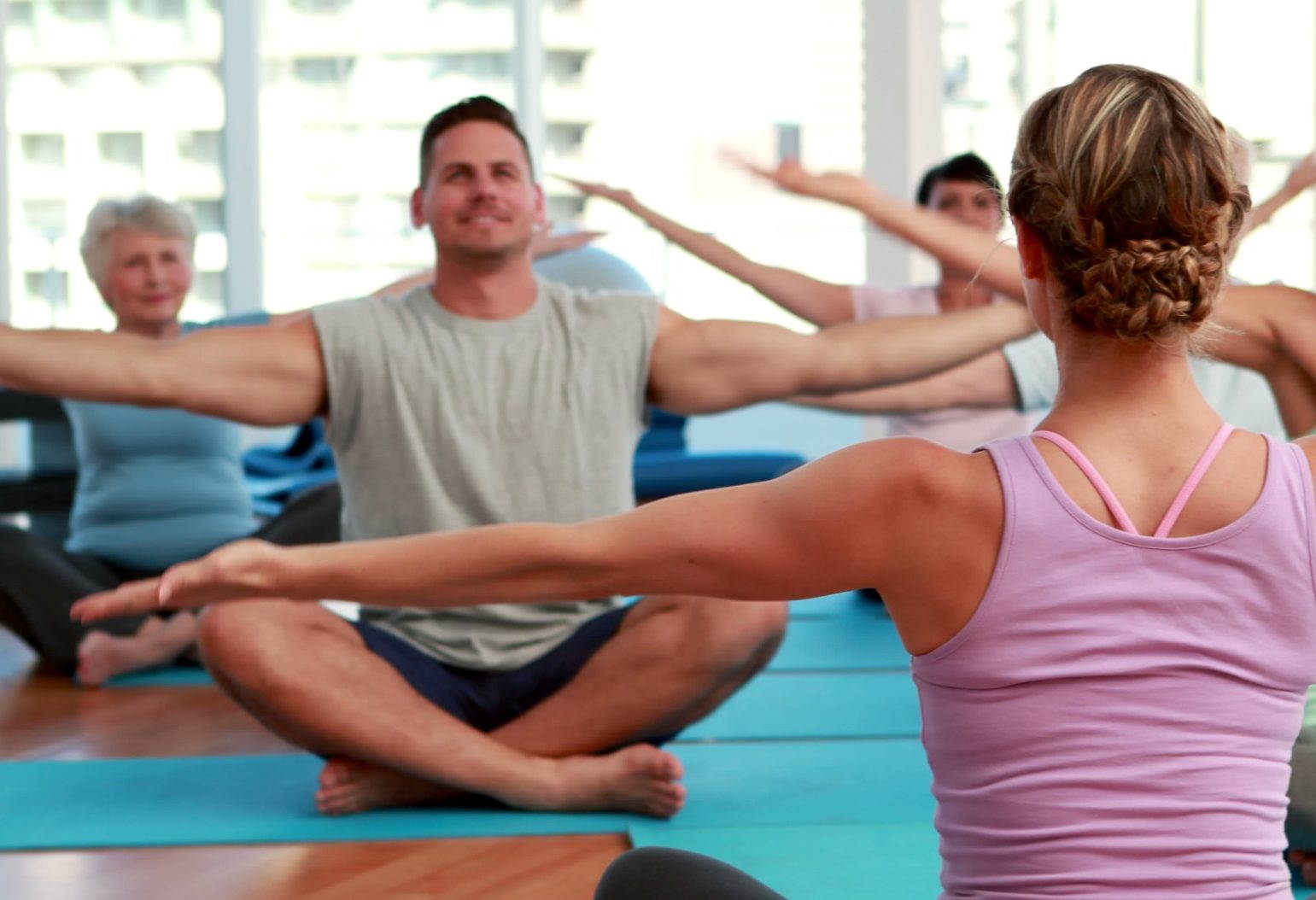
Low-impact exercise refers to movement where at least one foot stays in contact with the ground, or where your body weight is supported, such as in water or on a bike. Unlike high-impact activities like running or jumping, these exercises minimise pounding through the joints.
Importantly, “low impact” does not mean easy or ineffective. Many low-impact workouts still improve cardiovascular fitness, build muscle strength and increase endurance — just in a gentler way.
You should still feel warmer and slightly more energised while exercising, but you should usually be able to hold a conversation comfortably.
Why Choose Low-Impact Exercise?
Gentler movement offers a wide range of physical and mental health benefits:
Supports heart and lung health
Improves balance, flexibility and mobility
Builds strength without excessive strain
Reduces risk of injury and overtraining
Helps manage stress and improve mood
Encourages long-term exercise consistency
Because recovery time is often shorter, many people find low-impact exercise easier to maintain regularly — and regular movement is what truly supports long-term health.
Low-impact activities such as walking outdoors or swimming are also linked to improved mental wellbeing and reduced symptoms of anxiety and low mood.
Popular Low-Impact Exercises to Try
Walking is one of the most accessible forms of exercise. It requires no equipment and can be adapted to any fitness level. Walking on grass or trails can feel even gentler on joints, while fresh air and natural surroundings may help reduce stress.
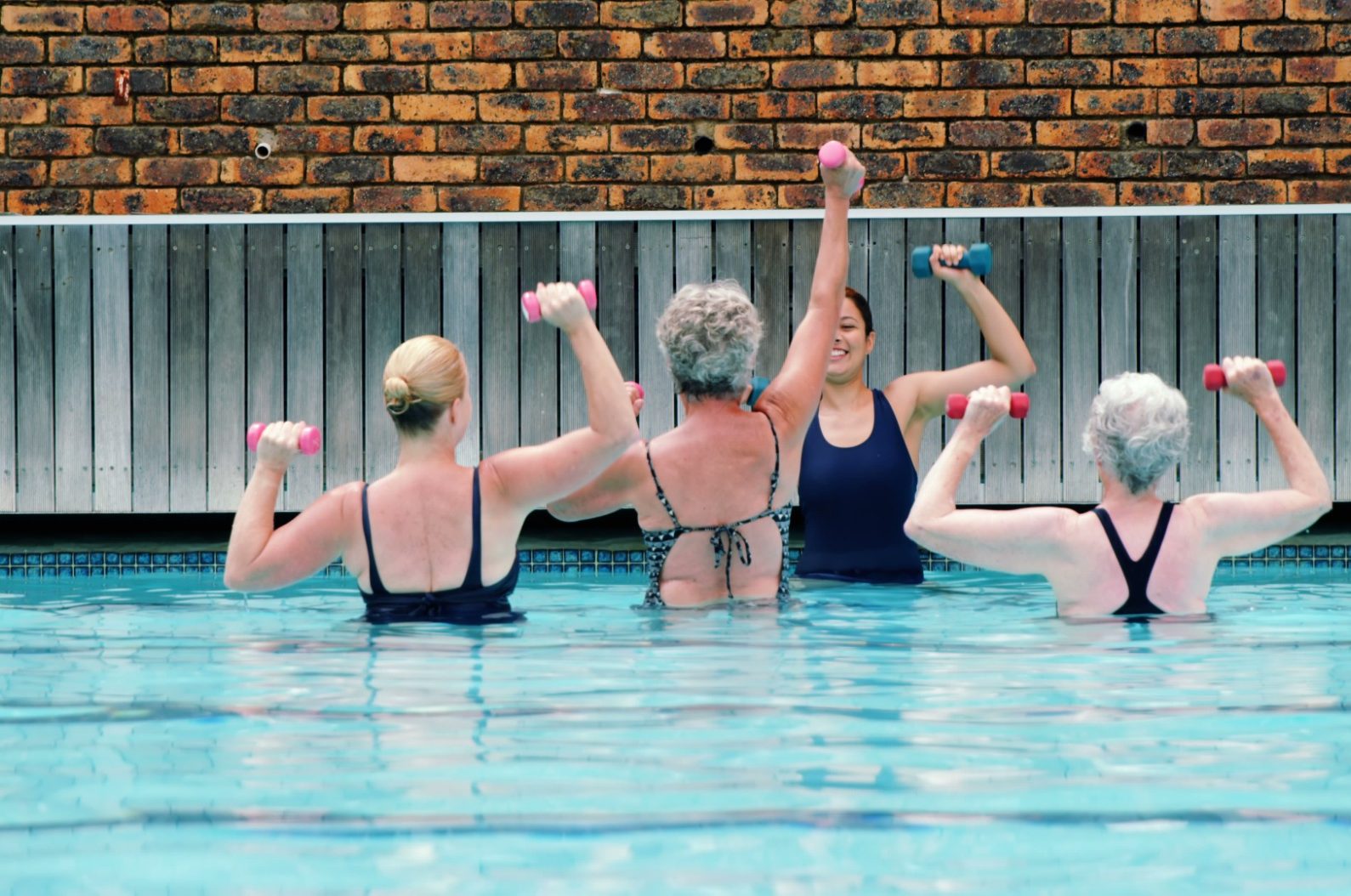
Water supports your body weight, dramatically reducing joint pressure while still providing resistance for muscles. Swimming works the entire body and improves stamina, strength and mobility.
Cycling
Cycling — indoors or outdoors — offers effective cardiovascular exercise without the impact of running. Because your weight is supported by the saddle, there is less strain on hips, knees and ankles.
Rowing
Rowing machines combine cardio and strength training in one smooth motion. The movement engages legs, core and upper body while remaining low impact.
Pilates, Yoga and Gentle Strength Training
Slow, controlled movements improve posture, flexibility and core strength. Resistance bands or light weights can increase intensity without adding joint stress.
Side-to-Side Movement
Activities such as skating-style exercises or lateral stepping improve coordination, balance and hip stability — muscles often overlooked in everyday movement.
Low-Impact vs Low-Intensity: What’s the Difference?
Low-impact describes how movement affects your joints, while intensity describes how hard your body works.
An activity can be low impact but still moderate in intensity. For example, brisk walking or cycling uphill may raise your heart rate significantly while remaining gentle on the joints.
Intensity also varies between individuals. What feels easy for one person may feel challenging for another — and that’s perfectly normal.
Who Is Low-Impact Exercise For?
Low-impact exercise suits almost everyone, including:
Beginners starting a fitness routine
Older adults wanting safer movement
People with joint pain or arthritis
Those recovering from injury or illness
Anyone returning to exercise after a break
Active individuals needing recovery workouts
For many people, low-impact training becomes a lifelong approach rather than a stepping stone to harder workouts.
How to Get Started
Starting can be simple and pressure-free:
Begin with short sessions, such as a 10-minute walk.
Focus on comfort and movement quality rather than speed.
Increase duration gradually as confidence grows.
Try different activities until you find something enjoyable.
Add light resistance or longer sessions over time.
The best exercise is always the one you enjoy enough to keep doing.
Guidance from the NHS
The NHS highlights physical activity as one of the most important factors for long-term health and independence. Regular movement can help reduce the risk of major conditions including heart disease, stroke, type 2 diabetes and some cancers.
UK guidelines recommend adults aim for around 150 minutes of activity per week, but this can be built gradually. Even gentle activity counts, especially if you are currently inactive.
The NHS also emphasises reducing long periods of sitting, as sedentary lifestyles are linked with increased health risks. Small daily movements — walking, stretching or light exercise — make a meaningful difference.
Advice from the British Heart Foundation
The British Heart Foundation explains that aerobic exercise supports the heart and circulatory system by increasing heart rate and improving blood flow.
Low-intensity and low-impact activities can still provide important benefits, including:
Lower blood pressure
Improved cholesterol levels
Better weight management
Enhanced mental wellbeing
A simple way to judge effort is the “talk test”. During low-intensity exercise, breathing should remain steady and conversation should feel easy. If you experience chest pain, dizziness or discomfort, exercise should stop and medical advice should be sought.
Takeaway
Low-impact exercise proves that fitness doesn’t need to be extreme to be effective. Gentle, consistent movement can strengthen the body, protect the joints and support both physical and mental wellbeing. Whether it’s walking, swimming, cycling or Pilates, these activities offer a sustainable way to stay active at any stage of life — helping you feel stronger, calmer and more confident over time.
❓ FAQ – Low-Impact Exercise – Gentle Movement That Still Gets Results
Is low-impact exercise good for weight loss?
Yes. When done regularly, low-impact exercise burns calories and supports healthy weight management, especially when combined with balanced nutrition.
Can low-impact workouts improve fitness?
Absolutely. They can improve cardiovascular health, strength and endurance — particularly when performed consistently.
How often should I do low-impact exercise?
Most people benefit from moving daily. Even short sessions several times per week can provide meaningful health benefits.
Is low-impact exercise suitable for beginners?
Yes. It is one of the safest and most approachable ways to start exercising.
Can younger or fit people benefit too?
Definitely. Many athletes use low-impact training to support recovery and prevent injury.
How do I know if I’m exercising at the right level?
You should feel warmer and slightly more alert, but still able to talk comfortably without becoming breathless.
This content is for educational purposes and does not replace medical advice…
About the author
Lilla Fonyo is a healthy lifestyle and longevity writer with a background in endurance running, nutrition, and mindful living. She focuses on sustainable habits that support long-term physical and mental wellbeing.
Sources:
www.healthline.com - Low Intensity Exercise: What Counts, Benefits, and More
www.thebodycoach.com - A beginner's guide to low impact training
www.better.org.uk - Low-impact exercises at home
www.everyoneactive.com - 10 Top Low Impact Exercises you Need to try
www.bhf.org.uk - Benefits of low intensity aerobic exercises
www.nhs.uk - Benefits of exercise