Asian Pilates
The Gentle Fitness Trend Blending East and West for Strength, Balance and Calm
By Lilla Fonyo — Healthy Lifestyle & Longevity Writer
Last update : February 2026
Quick Summary
Asian Pilates is a modern evolution of classical Pilates that blends core strength, flowing movement, and mindful breathing with influences from Eastern practices such as Tai Chi, Qigong, yoga, and traditional Chinese medicine. Unlike fast-paced fitness trends, it focuses on long-term wellbeing, mobility, and inner balance. With its low-impact approach and holistic philosophy, Asian Pilates is quickly becoming a favourite for people seeking a calmer yet highly effective way to stay strong and healthy.
Related Articles:
Pilates Mental Health Benefits: Reduce Stress, Sleep Better - Discover how Pilates boosts mood, reduces stress, improves sleep and supports mental wellbeing through gentle, mindful movement.
Low-Impact Exercise - Gentle Movement That Still Gets Results - Discover the benefits of low-impact exercise and how gentle workouts can improve strength, mobility, mood and long-term health.
Tai Chi: A Gentle Low-Impact Exercise for Body and Mind - Discover the benefits of Tai Chi, a low-impact exercise that improves balance, reduces stress and supports physical and mental health.
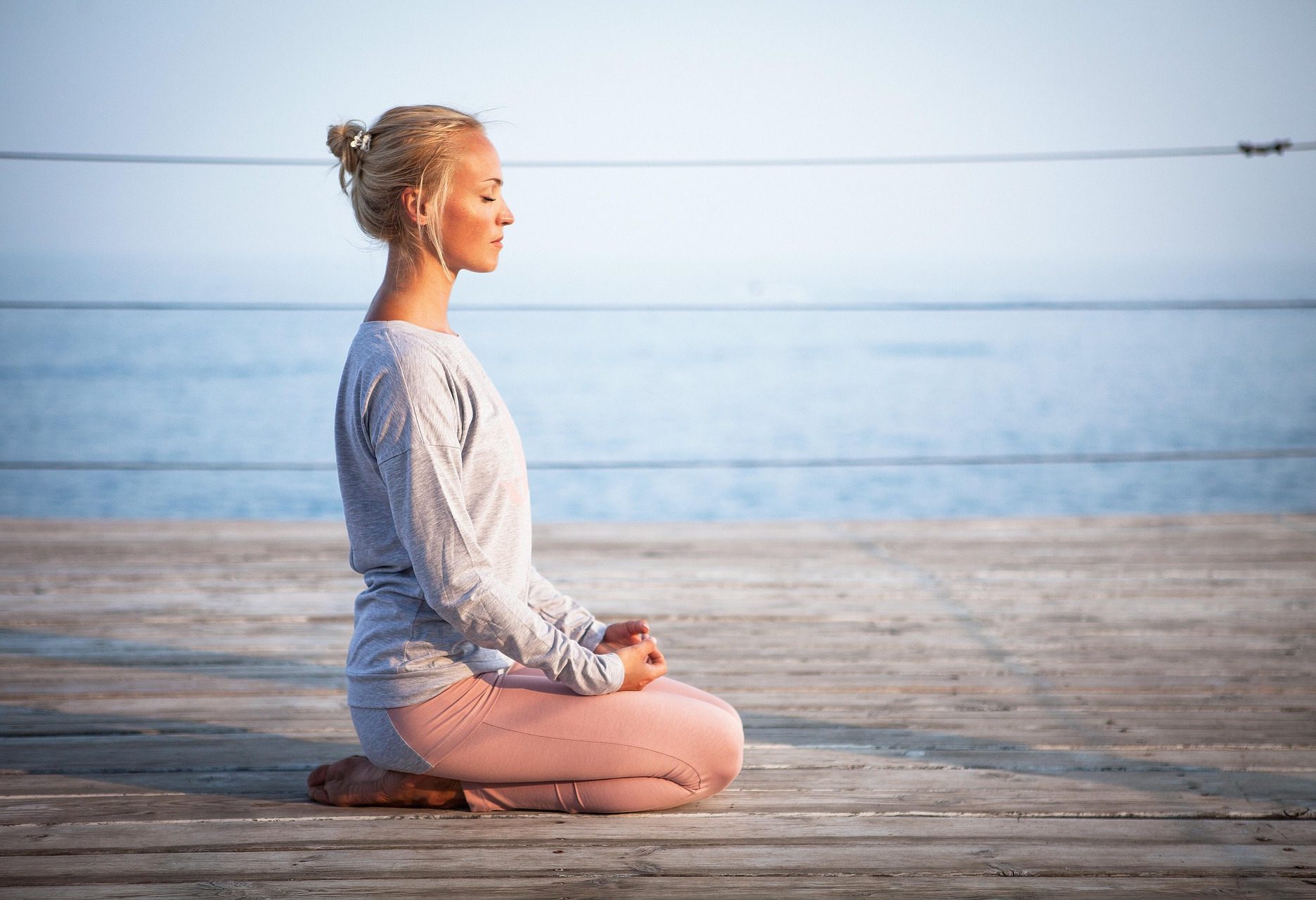
The Rise of Asian Pilates
Pilates first became hugely popular during the COVID-19 lockdowns, when many people turned to home mat workouts to stay active. From there, it evolved into Reformer Pilates, which soon became a full wellness lifestyle.
Now, a new style is gaining attention across Asia and beyond: Asian Pilates.
At first glance, it looks familiar — strong posture, focused breathing, and controlled movements. But look closer and you’ll notice something softer and more fluid. Movements flow gently from one to the next, inspired by Tai Chi and Qigong, while some classes incorporate ideas from meridian theory and energy balance.
Asian Pilates is essentially where Western fitness structure meets Eastern mindfulness.
What Exactly Is Asian Pilates?
Asian Pilates is built on the original principles created by Joseph Pilates, including:
Breath control
Core engagement
Alignment and precision
Controlled movement
But it adds an Eastern perspective that focuses on the body as a connected system of energy, movement, and awareness.
Many instructors draw inspiration from:
✔ Tai Chi – slow, flowing movements that improve balance
✔ Qigong – gentle motion combined with breath and focus
✔ Yoga – flexibility and mindfulness
✔ Traditional Chinese medicine (TCM) – particularly the idea of energy pathways (meridians)
Rather than only building muscle tone, Asian Pilates aims to support strength, flexibility, emotional calm, and overall harmony.
There is no single fixed style — it varies by country, studio, and instructor, making each experience unique.
How Asian Pilates Differs from Traditional Pilates
🌿 1. Flowing Movement Instead of Rigid Sequences
Inspired by Eastern movement arts, exercises are linked together with smooth transitions rather than stopping between positions. This keeps joints supported and encourages mindful pacing.
🌿 2. Energy Awareness
Some classes include gentle work along meridian lines or brief acupressure-style movements to promote vitality and balance alongside physical fitness.
🌿 3. A Holistic Focus
While all Pilates requires concentration, Asian Pilates places extra emphasis on:
Mental calm
Emotional balance
Breath-led movement
It becomes a form of moving meditation rather than just exercise.
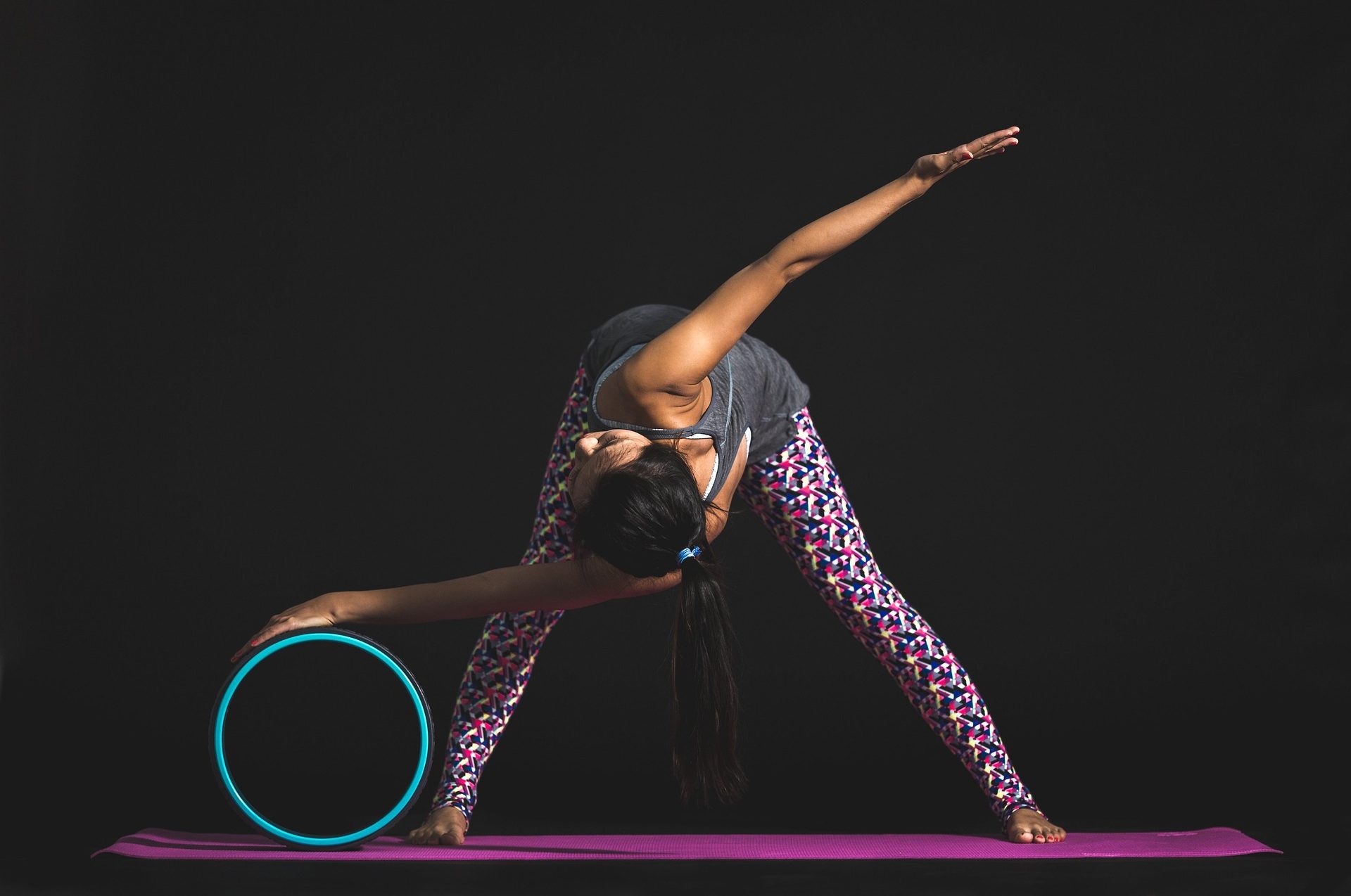
Regional Styles Across Asia
Japan
Often minimal and precise, with strong attention to posture, spinal alignment, and mindfulness. Some studios blend Pilates with Zen-inspired breathing practices.
South Korea
Highly popular in rehabilitation and posture correction. Classes frequently use Reformer machines and focus on body alignment and core stability, sometimes paired with energetic K-pop music.
China
Strong influence from Tai Chi and Qigong, with a focus on longevity, energy flow, and spinal health.
Southeast Asia (Singapore, Thailand, Malaysia)
Often combines Pilates with yoga, meditation, and gentle martial arts elements, promoting community and inclusivity.
The Benefits of Asian Pilates
Although specific research on Asian Pilates is limited, experts in movement therapy and Pilates training note that its benefits reflect both classical Pilates and Eastern practices.
Stronger Core & Better Posture
Physiotherapists often recommend Pilates-style training for strengthening deep core muscles that support the spine.
Improved Flexibility & Mobility
Slow, controlled stretches help joints move through a healthy range of motion — ideal for stiff hips, backs, and shoulders.
Better Balance & Coordination
Inspired by Tai Chi, many movements challenge stability and body awareness.
Reduced Stress Levels
Mindful breathing is known to calm the nervous system. Movement specialist Dr Mei Lin (integrative wellness practitioner) explains:
“Slow, breath-focused exercise helps shift the body out of stress mode and supports emotional balance.”
Stronger Mind–Body Connection
Regular practice increases awareness of posture, breathing, and movement patterns — even in daily life.
Perfect for:
Beginners
Older adults
Recovery-focused individuals
Those wanting joint-friendly exercise
Expert Insight: Scientific Evidence from PubMed on Pilates and Posture
In addition to its well-known physical and mental health benefits, Pilates is also strongly supported by scientific research. A recent systematic review published on PubMed examined the effects of Pilates on body posture across multiple clinical studies. The review, led by Fangyi Li and colleagues, analysed 13 high-quality trials involving 783 participants between 2019 and 2023.
The findings showed consistent improvements in overall posture, including the alignment of the cervical, thoracic, and lumbar spine. Participants who practised Pilates experienced reduced postural problems, less pain, and improved quality of life. The authors concluded that Pilates is highly beneficial for individuals with postural disorders and can be widely used as a complementary therapeutic approach.
This expert evidence supports what many practitioners of both traditional Pilates and Asian-inspired low-impact movement systems already recognise: controlled, mindful exercises that strengthen the core and improve body awareness can significantly enhance posture and physical balance. Improved posture also plays an important role in mental wellbeing, as proper spinal alignment supports better breathing, nervous system regulation, and reduced physical tension.
By combining scientific validation with holistic movement principles, Pilates and Asian Pilates-style practices offer a powerful, low-impact approach to improving both physical structure and emotional health.
Who Is Asian Pilates Best For?
Ideal for:
✔ People who enjoy mindful movement
✔ Those wanting to improve mobility and posture
✔ Anyone curious about Eastern wellness traditions
✔ People preferring gentle but effective workouts
Less ideal for:
✖ Those seeking high-intensity training
✖ People focused purely on muscle size or cardio
(Always consult a doctor if you have injuries or medical conditions.)
How to Start Asian Pilates
1️⃣ Find a trained instructor or fusion Pilates class
2️⃣ Begin with 2–3 sessions per week
3️⃣ Use basic equipment – mat and grip socks
4️⃣ Focus on breathing and form first
5️⃣ Try different studios to find what suits you
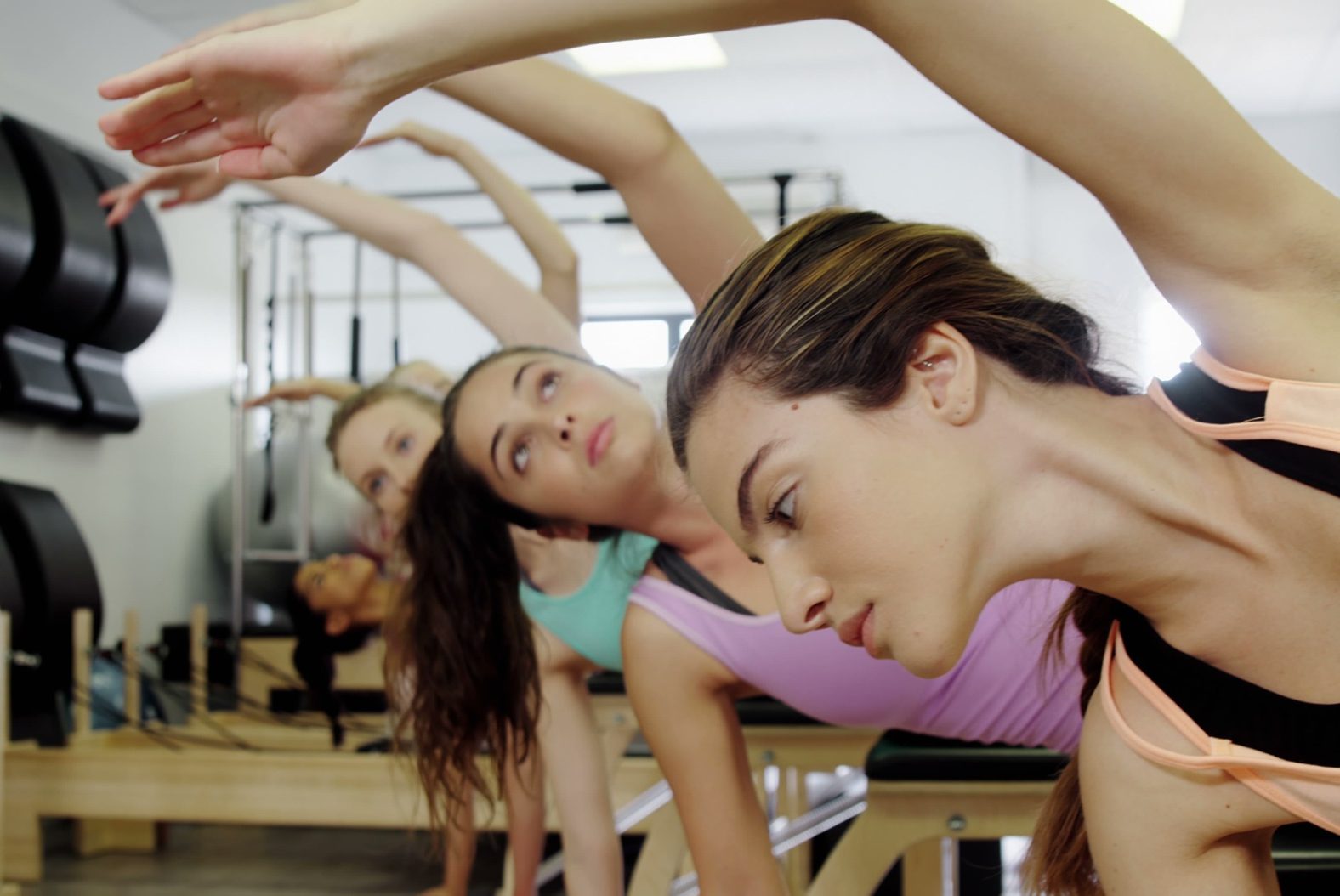
Takeaway
Asian Pilates offers a refreshing approach to movement by blending the strength of Western Pilates with the flow and mindfulness of Eastern traditions. It supports long-term health rather than short-term intensity, helping people build strength, improve mobility, and reduce stress in a gentle yet powerful way. With its low-impact nature and holistic philosophy, it suits a wide range of ages and fitness levels. While still emerging, its growing popularity reflects a shift towards more sustainable and balanced wellness practices. If you’re looking for an exercise style that nurtures both body and mind, Asian Pilates may be worth exploring.
❓ FAQ: Asian Pilates
Is Asian Pilates harder than regular Pilates?
No — it’s usually gentler, with smoother movements and slower pacing.
Is Asian Pilates suitable for beginners?
Yes, it’s low impact and adaptable for most fitness levels.
Does Asian Pilates help with stress?
Yes — mindful breathing and flowing motion can calm the nervous system.
Is Asian Pilates cultural appropriation?
When taught respectfully by trained instructors, it’s considered a thoughtful fusion of traditions rather than appropriation.
How is it different from yoga-Pilates fusion classes?
Asian Pilates keeps Pilates’ core strength focus while adding Eastern flow and breath techniques.
Do you need special equipment?
Mostly just a mat. Some studios use Reformers or props.
This content is for educational purposes and does not replace medical advice…
Some useful links:
30 min beginner Pilates workout
20 min full body Pilates workout
28-day Asian Pilates Challenge
BOOK: Ariel Qiren Chen:
About the author
Lilla Fonyo is a healthy lifestyle and longevity writer with a background in endurance running, nutrition, and mindful living. She focuses on sustainable habits that support long-term physical and mental wellbeing.
Sources:
www.wellnesspulse.com - Asian Pilates 101: Everything You Need to Know About This Emerging Workout Trend
www.rezerv.com - What is Asian Pilates? Unique styles and benefits
www.support.harnafit.com - Asian Pilates
www.marieclaire.co.uk - Is the Viral Asian Pilates Workout an Ancient Philosophy Worth Trying or AI Fad? We Ask Top Pros
www.pubmed.ncbi.nlm.nih.gov - Effects of Pilates on Body Posture: A Systematic Review