What is a plant-based diet
By Lilla Fonyo — Healthy Lifestyle & Longevity Writer
Last Updated February 2026
Quick Summary
A plant-based diet focuses mainly on foods that come from plants, including vegetables, fruit, wholegrains, beans, nuts and seeds. It doesn’t always mean giving up meat or dairy completely — instead, it encourages eating more plant foods and fewer animal products. Research shows that balanced plant-based eating may support heart health, weight management and long-term wellbeing. With good planning, it can provide all essential nutrients while promoting a more sustainable and flexible way of eating.
The Health Benefits of Broccoli: Why This Green Vegetable Deserves a Place on Your Plate - Discover the health benefits of broccoli, from immunity and digestion to heart health, backed by research and expert guidance.
15 Amazing Health Benefits of Eating Cabbage Daily - Discover the top 15 health benefits of cabbage — from heart and gut health to weight control — plus easy ways to enjoy it every day.
The 30-Plants-a-Week Habit - Discover the easy way to try the “30 plants a week” approach and support your gut health with simple, enjoyable changes.
Top 10 High-Fibre Foods You Should Eat Daily - Discover the top 10 high-fibre foods to boost your health and meet the daily 30g recommendation in the UK!
Fibre Quiz: Test Your Knowledge of High-Fibre Foods - Think you know fibre? Try our quick quiz on high-fibre foods and see how much you know about healthy eating, digestion and gut health.
Asparagus - Health Benefits - Learn how asparagus supports digestion, immunity, heart health and more, plus easy ways to enjoy this versatile spring vegetable.
The 13 Healthiest Root Vegetables - From beets to turmeric, discover 13 root vegetables packed with nutrients, antioxidants, and flavour to boost your meals and health.
Quinoa: The Small Seed That Does It All - Discover easy quinoa recipes, health benefits and cooking tips in this friendly guide to quick, nutritious meals any time of day.
Understanding Plant-Based Eating
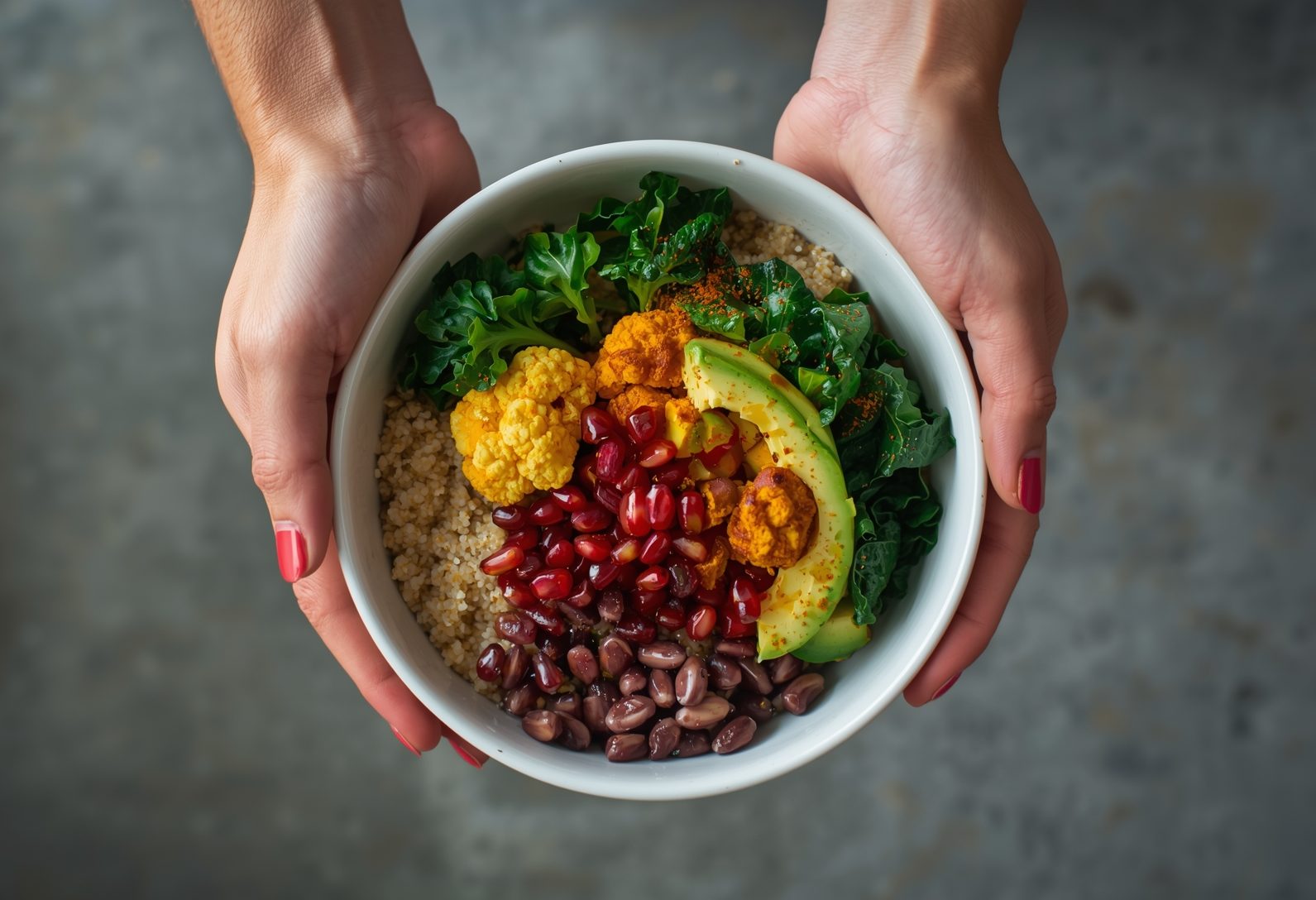
A plant-based diet centres around foods grown from the earth. This includes:
Fruit and vegetables
Wholegrains such as oats, brown rice and quinoa
Beans, lentils and pulses
Nuts and seeds
Healthy plant oils such as olive or rapeseed oil
Unlike strict vegan diets, plant-based eating is flexible. Many people still include small amounts of fish, dairy or eggs, but the majority of meals come from plant sources.
Nutritionist Sarah Lienard explains that plant-based eating is less about restriction and more about balance — shifting the focus of meals towards whole, minimally processed foods.
Different Types of Plant-Based Diets
Plant-based eating can look different depending on personal preference:
Flexitarian (semi-vegetarian): Mostly plant foods with occasional meat or fish
Pescatarian: Includes fish and seafood but no meat or poultry
Lacto-ovo vegetarian: Includes eggs and dairy but avoids meat and fish
Vegan: Avoids all animal-derived foods
There is no single “correct” version. The healthiest approach is the one that feels realistic and sustainable.
Why Are Plant-Based Diets So Popular?
Interest in plant-based eating has grown because of its potential health and environmental benefits. Diets such as the Mediterranean diet — rich in plant foods but including small amounts of animal products — have been widely studied.
Research links plant-forward eating patterns with:
Lower risk of heart disease
Improved cholesterol and blood pressure
Reduced risk of type 2 diabetes
Better weight management
Possible protection against certain cancers
Improved mental wellbeing
Plant foods are naturally high in fibre, antioxidants and beneficial plant compounds that support overall health.
What the NHS Says About Plant-Based and Vegan Diets
The NHS confirms that a well-planned plant-based or vegan diet can provide all necessary nutrients. Their guidance recommends:
Eating at least five portions of fruit and vegetables daily
Choosing wholegrain carbohydrates where possible
Including beans, pulses and plant proteins regularly
Using fortified dairy alternatives such as soya drinks
Eating nuts and seeds for healthy fats
Drinking plenty of fluids
However, the NHS highlights that some nutrients require extra attention, particularly:
Vitamin B12
Vitamin D
Calcium
Iron
Iodine and selenium
Omega-3 fatty acids
Fortified foods or supplements may be needed, especially for vegans.
Scientific Evidence: Insights from PubMed Research
Large studies published on PubMed, including findings from the EPIC-Oxford research programme, provide important insight into long-term health outcomes.
Researchers found that vegetarians and vegans often have:
Lower body weight (BMI)
Lower LDL (“bad”) cholesterol
Lower blood pressure
Reduced risk of heart disease, diabetes and some digestive conditions
Plant-based diets tend to be high in fibre and low in saturated fat, which supports cardiovascular health. However, studies also highlight the importance of careful planning, as low intakes of nutrients such as vitamin B12, vitamin D and calcium may occur without fortified foods or supplementation.
Overall, evidence suggests that plant-based diets support good long-term health when nutritionally balanced.
How to Start a Plant-Based Diet
You don’t need to change everything overnight. Small steps work best:
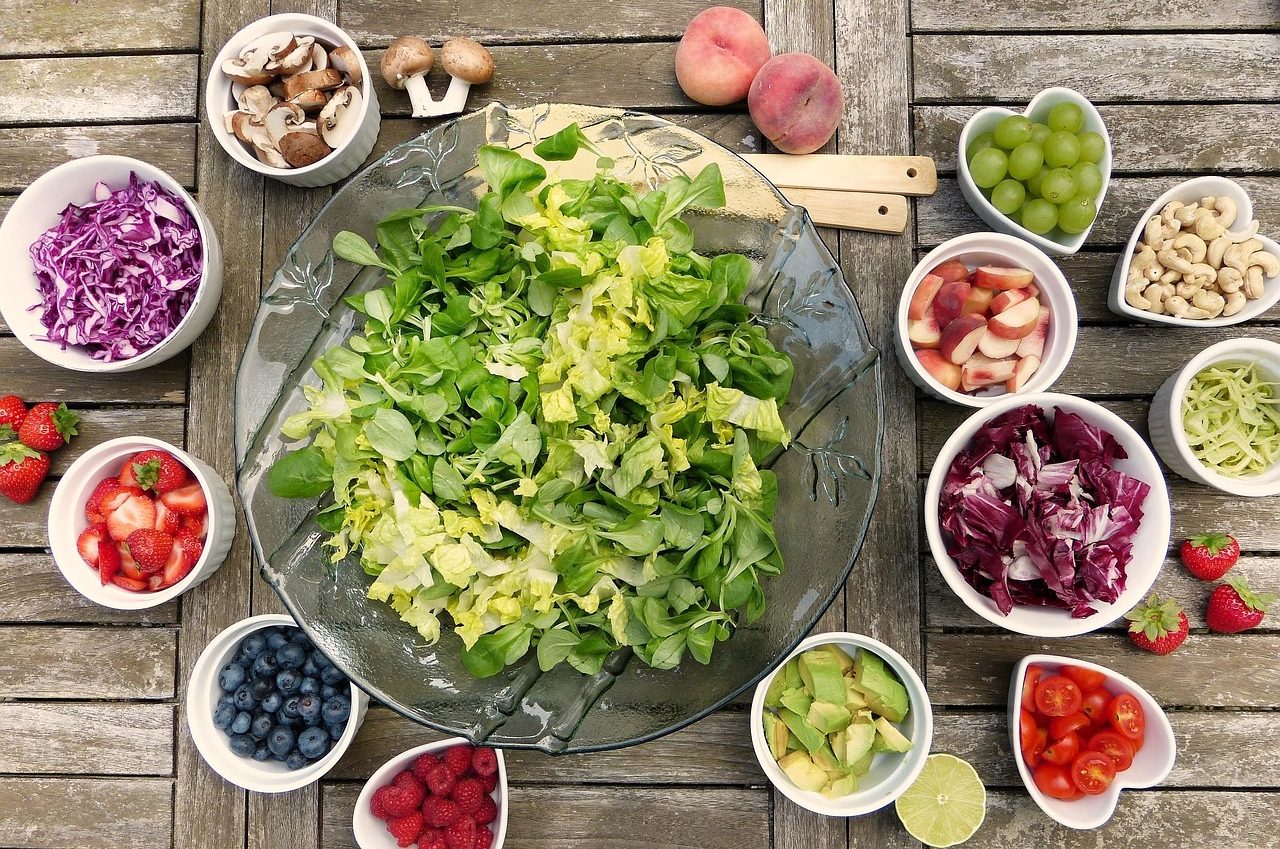
Fill half your plate with vegetables at meals
Reduce meat portions gradually
Cook one plant-based meal each week
Choose healthy fats like nuts, seeds and olive oil
Start the day with wholegrains such as porridge
Add leafy greens daily
Build meals around salads, beans or tofu
Choose fruit instead of sugary desserts
Gradual changes help your body adjust, especially as fibre intake increases.
What Can You Eat in a Day?
Breakfast Ideas
Porridge with banana, walnuts and cinnamon
Wholegrain toast with avocado and tomato
Breakfast wrap with beans, vegetables and egg (optional)
Lunch Ideas
Greek-style salad with wholegrain pita
Tomato soup with wholegrain crackers
Vegetable pizza with plenty of greens
Dinner Ideas
Grilled vegetables with tofu and quinoa
Whole-wheat pasta with beans and vegetables
Are Plant-Based Diets Healthy?
A well-balanced plant-based diet can be highly nutritious. People following these eating patterns often consume more fibre, vitamins and antioxidants than those eating heavily meat-based diets.
However, “plant-based” does not automatically mean healthy. Highly processed foods, refined sugars and white flour products can still be plant-based but offer fewer nutritional benefits. Focusing on whole foods is key.
Takeaway
A plant-based diet is not about strict rules or giving up favourite foods — it’s about shifting the balance towards more nourishing plant ingredients. Evidence from nutrition experts, the NHS and long-term scientific studies shows that this way of eating can support heart health, weight management and overall wellbeing. With thoughtful planning and variety, plant-based eating can be enjoyable, flexible and sustainable for the long term.
❓ FAQ – What is a plant-based diet
Do I have to become vegan to eat plant-based?
No. Many people follow a flexible approach and still include small amounts of animal products.
Will I get enough protein?
Yes. Beans, lentils, tofu, nuts, seeds and wholegrains all provide protein.
Do I need supplements?
Some people — especially vegans — may need vitamin B12 and vitamin D supplements.
Can a plant-based diet help with weight loss?
It may support weight management because plant foods are often higher in fibre and lower in calories.
Is plant-based eating suitable for families?
Yes, as long as meals are varied and nutritionally balanced.
Is it expensive?
Not necessarily. Staples such as beans, lentils, oats and vegetables are often affordable.
This content is for educational purposes and does not replace medical advice…
About the author
Lilla Fonyo is a healthy lifestyle and longevity writer with a background in endurance running, nutrition, and mindful living. She focuses on sustainable habits that support long-term physical and mental wellbeing.
Sources:
Sources:
www.health.harvard.edu - What is a plant-based diet and why should you try it?
www.nhs.uk - The vegan diet
www.pubmed.ncbi.nlm.nih.gov - Plant-based diets and long-term health: findings from the EPIC-Oxford study
www.pubmed.ncbi.nlm.nih.gov - The long-term health of vegetarians and vegans
www.bbcgoodfood.com - What is a plant-based diet?
www.pcrm.org - Plant-Based Diets