Top 10 High-Fibre Foods You Should Eat Every Day
By Lilla Fonyo — Healthy Lifestyle & Longevity Writer
Last update : February 2026
Quick Summary
Fibre may not grab headlines, but it plays a vital role in digestion, heart health, weight management and long-term wellbeing. Yet most adults in the UK eat far less fibre than recommended. According to the NHS, we should aim for 30g of fibre a day, but most people only manage around 20g. The good news is that fibre is easy to add to your diet using everyday foods — no supplements or extreme changes required.
Related Articles:
Fibre Quiz: Test Your Knowledge of High-Fibre Foods - Think you know fibre? Try our quick quiz on high-fibre foods and see how much you know about healthy eating, digestion and gut health.
The Health Benefits of Broccoli - Discover the health benefits of broccoli, from immunity and digestion to heart health, backed by research and expert guidance.
Quinoa: The Small Seed That Does It All - Discover easy quinoa recipes, health benefits and cooking tips in this friendly guide to quick, nutritious meals any time of day.
Health Benefits of Beetroot - Discover beetroot health benefits, nutrition facts, skin perks, juice tips and simple ways to cook and enjoy this vibrant vegetable.
What are the benefits of Lentils? - Discover the health benefits of lentils, their nutrition, types in the UK and simple ways to add them to your daily diet.
Banana - Benefits and Health Risks - Discover the health benefits of bananas, from digestion and heart health to energy, nutrients and everyday wellness.

Why Fibre Matters More Than You Think
Dietary fibre — sometimes called roughage — is found in plant foods such as fruit, vegetables, wholegrains, beans and seeds. It supports healthy digestion, helps you feel fuller for longer, feeds beneficial gut bacteria, and plays a role in reducing the risk of several chronic diseases.
The NHS links higher fibre intake to a lower risk of heart disease, stroke, type 2 diabetes and bowel cancer, as well as improved gut health and better weight control. Research also suggests fibre can support blood sugar balance and cholesterol levels.
Despite these benefits, fibre is one of the most commonly under-consumed nutrients in modern diets, largely due to highly processed foods and refined grains.
What PubMed Research Says About Fibre
A major umbrella review published on PubMed in 2025, analysing data from over 17 million people, found strong evidence that higher fibre intake is linked to lower risk of multiple chronic diseases.
The researchers identified convincing evidence that fibre reduces:
Cardiovascular disease mortality
Pancreatic cancer
Diverticular disease
They also found highly suggestive evidence for lower risk of:
All-cause mortality
Coronary heart disease
Ovarian cancer
Importantly, the review highlighted that fibre intake remains below recommended levels worldwide, despite its clear protective effects. The authors concluded that increasing fibre intake should be a key public health priority.
In short: fibre isn’t just good for digestion — it’s strongly linked to living longer and healthier.
Top 10 High-Fibre Foods to Eat Every Day
These foods are affordable, widely available in the UK, and easy to include in everyday meals.
Fibre: ~8g per 100g cooked
Cheap, filling and rich in both fibre and protein. Add to soups, curries, salads or shepherd’s pie.
2. Chickpeas
Fibre: ~12g per 100g cooked
A fibre powerhouse. Use in hummus, roast for snacks, or stir into stews and salads.
3. Apples
Fibre: 4–5g per medium apple
Rich in soluble fibre, which helps lower cholesterol. Eat with the skin on for maximum benefit.
Fibre: ~3g per 100g cooked
Supports digestion and gut health. Just as nutritious frozen as fresh.
5. Wholewheat Pasta
Fibre: ~4.5g per 100g cooked
A simple swap that makes a big difference to daily fibre intake.
Fibre: ~2g per 100g
Naturally sweet and rich in antioxidants. Great in porridge or yoghurt.
Fibre: ~3g per 100g cooked
Gluten-free, fibre-rich and high in protein. Ideal for salads and warm bowls.
Fibre: ~3g per 100g raw
Crunchy, affordable and great for gut health. Raw or roasted both count.
9. Pears
Fibre: 5–6g per medium pear
Often overlooked but excellent for digestion and hydration.
10. Porridge Oats
Fibre: ~4g per bowl
A British breakfast staple packed with soluble fibre to support cholesterol and fullness.
What Happens When You Eat Enough Fibre?
Health journalist Korin Miller recently shared her experience of increasing her fibre intake to recommended levels. Despite eating what she thought was a healthy diet, she discovered she was falling well short.
Once she increased her fibre gradually — focusing on oats, chia seeds, beans, fruit and vegetables — she noticed:
Better digestion
Feeling fuller after meals
Improved appetite control
Dietitians including Keri Gans and Sonya Angelone emphasise that increasing fibre should be done slowly, alongside drinking plenty of water, to avoid bloating or discomfort.
NHS Tips for Getting More Fibre
The NHS recommends:
Choosing wholegrain bread, pasta and rice
Eating potatoes with skins on
Adding beans, lentils and chickpeas to meals
Eating at least five portions of fruit and vegetables daily
Checking food labels for fibre content
Small swaps — like porridge instead of sugary cereal or wholemeal toast instead of white — can quickly add up.
Takeaway
Fibre may not be trendy, but it is one of the most powerful nutrients for long-term health. Strong NHS guidance and large-scale PubMed research show that eating more fibre supports digestion, heart health, blood sugar control and disease prevention. Most people don’t need supplements — just more whole, plant-based foods. By making simple, everyday swaps, reaching the recommended 30g a day becomes both realistic and enjoyable. Your gut — and your future health — will thank you.
❓ FAQ: High-Fibre Foods
How much fibre do I need each day?
The NHS recommends 30g per day for adults. Most people currently eat around 20g.
What’s the difference between soluble and insoluble fibre?
Soluble fibre helps lower cholesterol and balance blood sugar. Insoluble fibre supports digestion and regular bowel movements. Both are important.
Can I eat too much fibre?
Very high intakes can cause bloating if increased too quickly. Build up gradually and drink plenty of water.
Do children need as much fibre as adults?
No - Children need less fibre, but still more than most currently get. NHS guidance varies by age.
Are fibre supplements necessary?
For most people, no. Whole foods provide fibre along with vitamins, minerals and antioxidants.
Does fibre help with weight loss?
Yes - Fibre helps you feel fuller for longer and supports appetite control, which can aid healthy weight management.
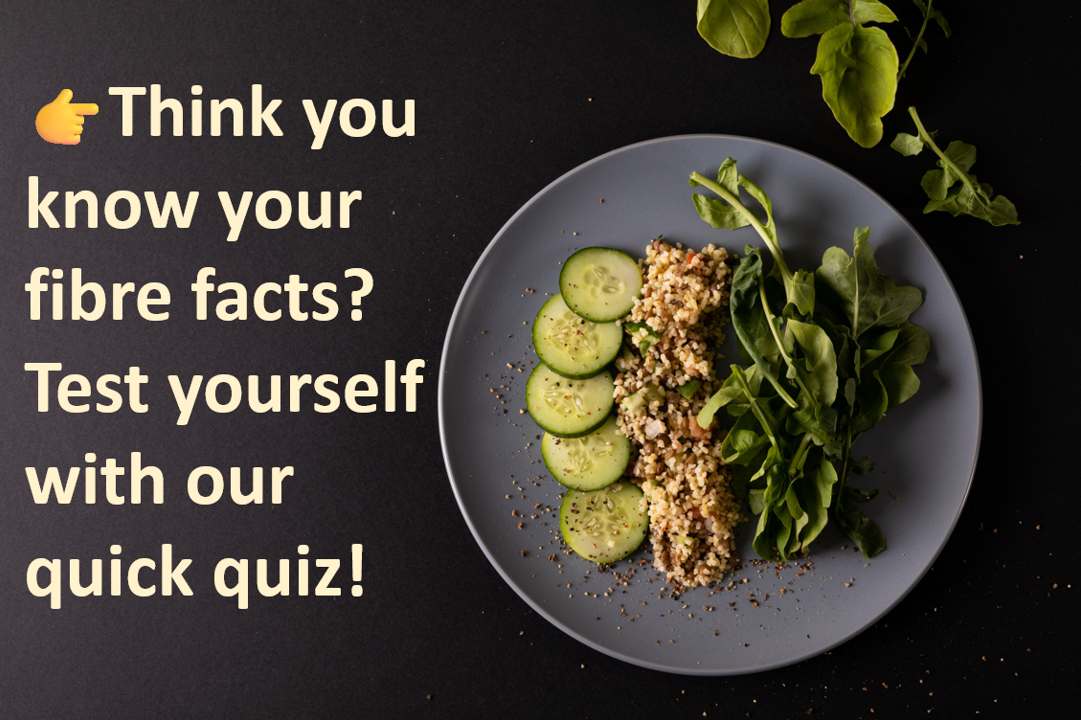
Think you know your fibre facts? Test yourself with our quick quiz!
This content is for educational purposes and does not replace medical advice…
About the author
Lilla Fonyo is a healthy lifestyle and longevity writer with a background in endurance running, nutrition, and mindful living. She focuses on sustainable habits that support long-term physical and mental wellbeing.
Sources:
www.myfooddata.com - Top 10 Foods Highest in Fiber
www.nhs.uk - How to get more fibre into your diet
www.womenshealthmag.com - 40 high-fibre foods that should be on your plate every day, according to nutritionists
www. pubmed.ncbi.nlm.nih.gov - The impact of dietary fiber consumption on human health: An umbrella review of evidence from 17,155,277 individuals
www.prevention.com - What Happened When I Finally Ate the Recommended Amount of Fiber Every Day