The Health Benefits of Broccoli:
Why This Green Vegetable Deserves a Place on Your Plate
By Lilla Fonyo — Healthy Lifestyle & Longevity Writer
February 2026
Quick Summary
Broccoli is one of the most nutrient-dense vegetables you can eat. Packed with fibre, vitamins C and K, antioxidants and powerful plant compounds such as sulforaphane, it supports digestion, heart health, immunity and overall wellbeing. Research suggests broccoli may help reduce inflammation, protect cells from damage and contribute to long-term disease prevention. Easy to cook and incredibly versatile, broccoli is a simple addition that can make a meaningful difference to your daily diet.
15 Amazing Health Benefits of Eating Cabbage Daily - Discover the top 15 health benefits of cabbage — from heart and gut health to weight control — plus easy ways to enjoy it every day.
The 30-Plants-a-Week Habit - Discover the easy way to try the “30 plants a week” approach and support your gut health with simple, enjoyable changes.
Top 10 High-Fibre Foods You Should Eat Daily - Discover the top 10 high-fibre foods to boost your health and meet the daily 30g recommendation in the UK!
Fibre Quiz: Test Your Knowledge of High-Fibre Foods - Think you know fibre? Try our quick quiz on high-fibre foods and see how much you know about healthy eating, digestion and gut health.
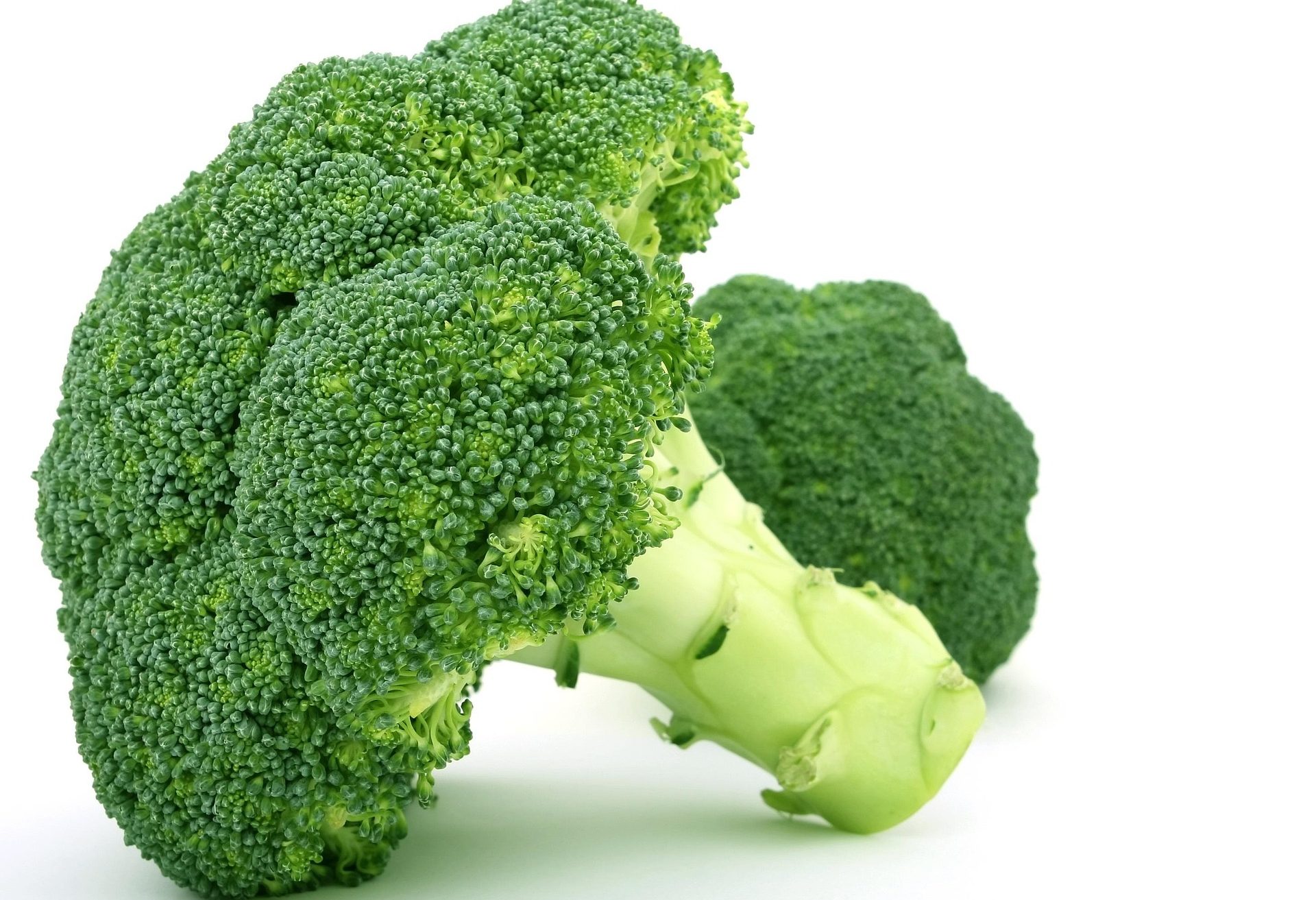
What Makes Broccoli So Special?
Broccoli belongs to the cruciferous vegetable family, alongside kale, cabbage and Brussels sprouts. Despite its humble appearance, it is often described as a nutritional powerhouse.
According to research published on PubMed (PMCID: PMC10376324), broccoli contains an impressive combination of nutrients and bioactive compounds, including:
Vitamins A, C and K
Minerals such as calcium, potassium and iron
Antioxidants and flavonoids
Plant compounds like glucosinolates and sulforaphane
These compounds work together to support multiple systems in the body rather than targeting just one area of health.
Key Health Benefits of Broccoli
1. Supports Heart Health
Broccoli’s fibre and antioxidant content may help lower cholesterol levels and support healthy blood pressure. Anti-inflammatory compounds also help protect blood vessels, contributing to long-term cardiovascular health.
2. Helps Reduce Inflammation
Chronic inflammation is linked to many modern diseases. The PubMed review highlights sulforaphane — a natural compound formed when broccoli is chopped or chewed — as a powerful anti-inflammatory agent that helps regulate inflammatory processes in the body.
3. Rich in Antioxidants
Antioxidants protect cells from oxidative stress caused by free radicals. This protection plays an important role in reducing the risk of chronic illnesses and supporting healthy ageing.
4. May Support Cancer Prevention
Research has shown that compounds such as sulforaphane and indole-3-carbinol may help slow abnormal cell growth and support the body’s detoxification pathways. While broccoli is not a cure, regular consumption as part of a balanced diet may contribute to lower cancer risk.
5. Boosts Immune Function
One serving of broccoli provides a large portion of your daily vitamin C needs, helping immune defence, collagen production and wound healing.
6. Promotes Gut and Digestive Health
Its fibre acts as a prebiotic, feeding beneficial gut bacteria. Many people notice improved digestive regularity when broccoli becomes a consistent part of their meals.
7. Supports Bone Strength
Broccoli contains vitamin K and calcium, both essential for maintaining strong bones and supporting proper bone mineralisation.
8. Benefits Skin Health
Vitamin C and antioxidants help protect the skin from environmental stress while supporting collagen production for healthier-looking skin.

Experts Insight: What PubMed Research Says
A comprehensive scientific review published on PubMed describes broccoli as a multi-functional health food due to its antioxidant, anti-inflammatory, antimicrobial and potential anticancer properties.
Researchers highlight that compounds such as sulforaphane can:
Reduce inflammatory markers
Support immune regulation
Protect cells from oxidative damage
Assist natural detoxification processes
The review concludes that broccoli may play an important role in disease prevention when included regularly in a balanced diet, although further clinical studies are still needed to understand optimal intake levels.
NHS Perspective on Vegetables and Health
NHS dietary guidance consistently recommends eating a variety of fruit and vegetables daily as part of a balanced lifestyle. Vegetables like broccoli contribute fibre, vitamins and minerals that help reduce the risk of heart disease, support digestion and maintain overall health.
Including green vegetables regularly helps people reach the recommended “5-a-day”, supporting both short-term wellbeing and long-term disease prevention.
Who Should Be Careful with Broccoli?
Broccoli is safe for most people, but a few groups may need moderation:
People with thyroid conditions should avoid very large amounts of raw cruciferous vegetables.
Individuals sensitive to high-fibre foods may experience bloating initially.
Those taking blood-thinning medication should keep vitamin K intake consistent and consult a healthcare professional.
Cooking broccoli lightly can make it easier to digest while preserving nutrients.
Easy and Delicious Ways to Eat Broccoli
Here are some recipe ideas you can link to:
Roasted broccoli with garlic and lemon
Stir-fried broccoli with ginger and sesame
Warm broccoli and quinoa salad
Broccoli can be steamed, roasted, sautéed or eaten raw depending on your preference.

Takeaway
Broccoli truly earns its reputation as a super vegetable. Rich in vitamins, fibre and protective plant compounds, it supports heart health, digestion, immunity and overall wellbeing. While no single food guarantees perfect health, regularly including broccoli in a varied diet is a simple and evidence-based step towards better long-term health.
❓ FAQ – Broccoli and Your Health
Is broccoli healthier raw or cooked?
Both are beneficial. Light steaming preserves nutrients while improving digestibility.
Can I eat broccoli every day?
Yes, for most people daily consumption is safe and beneficial as part of a varied diet.
Does broccoli help with weight management?
Yes. It is low in calories but high in fibre, helping you feel full for longer.
Is broccoli good for gut health?
Yes. Its fibre feeds beneficial gut bacteria and supports regular digestion.
Can broccoli really help prevent cancer?
Research suggests protective compounds may reduce risk, but broccoli should be part of an overall healthy lifestyle.
Why does broccoli sometimes cause bloating?
Its fibre and natural carbohydrates can cause gas in sensitive individuals, especially if intake increases quickly.
This content is for educational purposes and does not replace medical advice…
About the author
Lilla Fonyo is a healthy lifestyle and longevity writer with a background in endurance running, nutrition, and mindful living. She focuses on sustainable habits that support long-term physical and mental wellbeing.
Sources:
www.pmc.ncbi.nlm.nih.gov - Broccoli: A Multi-Faceted Vegetable for Health: An In-Depth Review of Its Nutritional Attributes, Antimicrobial Abilities, and Anti-inflammatory Properties
www.prevention.com - I Ate Broccoli Every Day for a Week and Here’s What Happened to My Body
www.eatingwell.com - What Happens to Your Body When You Eat Broccoli Regularly
www.medicalnewstoday.com - The health benefits of broccoli
www.nhs.uk - 5 A Day