The Best Plant-Based Protein Foods: 15 Powerful Options for Strength, Health and Energy
By Lilla Fonyo — Healthy Lifestyle & Longevity Writer
March 2026
Quick Summary
Plant-based proteins are becoming increasingly popular, and for good reason. Foods such as lentils, chickpeas, tofu, quinoa, nuts and seeds provide protein along with fibre, vitamins and minerals that support overall health. Research shows that well-planned plant-based diets can supply all the protein your body needs. By eating a variety of plant foods throughout the day, you can support muscle health, immune function and long-term wellbeing.
The Health Benefits of Broccoli: Why This Green Vegetable Deserves a Place on Your Plate - Discover the health benefits of broccoli, from immunity and digestion to heart health, backed by research and expert guidance.
Quinoa: The Small Seed That Does It All - Discover easy quinoa recipes, health benefits and cooking tips in this friendly guide to quick, nutritious meals any time of day.
Asparagus - A Delicious Vegetable with Impressive Health Benefits - Learn how asparagus supports digestion, immunity, heart health and more, plus easy ways to enjoy this versatile spring vegetable.
The Health Benefits of Parsley - Discover parsley’s hidden power! Packed with vitamins, antioxidants & flavour, this herb supports heart, bones & eyes.
Benefits Of Black Radish for Skin, Hair, And Health - Learn the benefits of black radish for skin glow, strong hair, better digestion, and natural detox.
What is a plant-based diet - Learn what a plant-based diet is, its health benefits, NHS guidance and simple tips to start eating more plant foods today.
15 Amazing Health Benefits of Eating Cabbage Daily - Discover the top 15 health benefits of cabbage — from heart and gut health to weight control — plus easy ways to enjoy it every day.
The 30-Plants-a-Week Habit - Discover the easy way to try the “30 plants a week” approach and support your gut health with simple, enjoyable changes.
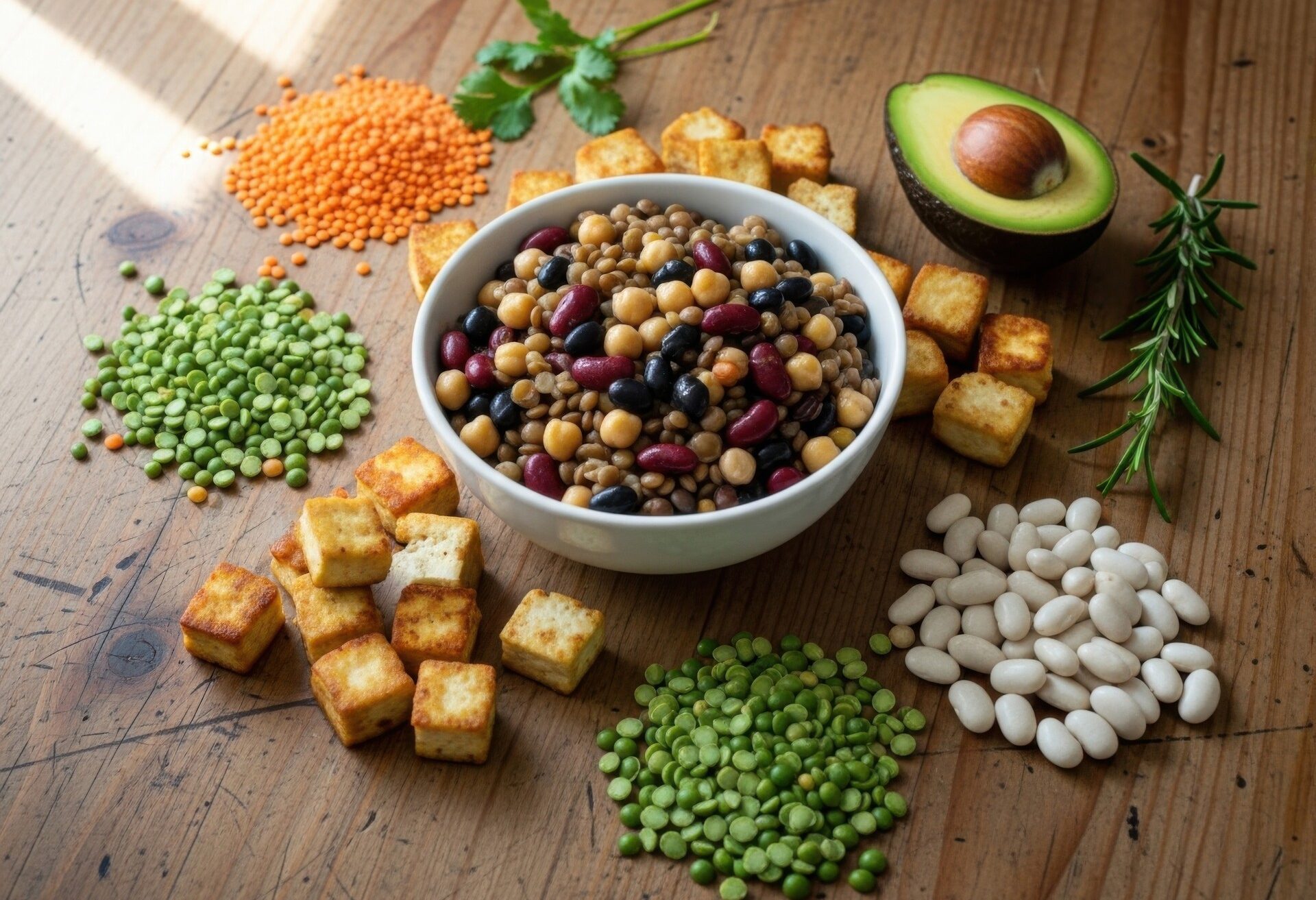
Why Protein Is Important for Your Health
Protein is one of the three main nutrients your body needs, alongside carbohydrates and fats. It plays a crucial role in many essential functions.
Protein helps to:
Build and repair muscles, skin and tissues
Support the immune system
Maintain healthy bones
Produce enzymes and hormones
Carry oxygen in the blood through haemoglobin
When we eat protein, our body breaks it down into amino acids, which act as building blocks for new proteins in the body.
There are 20 amino acids, and nine are essential, meaning the body cannot produce them on its own. These must come from food.
Animal products such as meat, fish and eggs contain all nine essential amino acids. However, plant foods also contain these amino acids — sometimes in slightly different proportions. Eating a variety of plant proteins across the day easily provides everything the body needs.
15 Excellent Plant-Based Protein Foods
Here are some of the best plant protein sources to include in your meals.
1. Lentils
Lentils are one of the most nutritious and affordable plant proteins.
Around 18g protein per cup (cooked)
Rich in fibre, iron and folate
They work well in soups, stews, curries and salads.
2. Chickpeas
Chickpeas are incredibly versatile.
About 7–9g protein per 100g
High in fibre and plant-based iron
They can be used in hummus, roasted snacks, salads or stews.
3. Edamame (Young Soya Beans)
Edamame are a protein-rich legume often served in Japanese cuisine.
About 18g protein per cup
Good source of iron, calcium and fibre
They can be added to stir-fries, noodle dishes or grain bowls.
4. Tofu
Tofu is made from soybeans and is a popular meat alternative.
Around 16g protein per 100g
Contains all nine essential amino acids
It absorbs flavours well and can be grilled, baked or stir-fried.
5. Tempeh
Tempeh is a fermented soy product with a firm texture.
About 20g protein per 100g
Rich in probiotics and minerals
It works well in sandwiches, salads and stir-fries.
6. Hemp Seeds
Hemp seeds are one of the richest plant protein sources.
Around 30g protein per 100g
Contain all essential amino acids
They can be sprinkled on porridge, smoothies or salads.
7. Peanut Butter
Peanuts and peanut butter are convenient protein foods.
Around 8g protein per two tablespoons
Rich in healthy unsaturated fats
They work well in smoothies, sauces and snacks.
8. Pumpkin Seeds
Pumpkin seeds provide protein along with key minerals.
About 24g protein per 100g
Good source of magnesium, zinc and iron
Great as a snack or sprinkled on salads.
9. Almonds
Almonds offer protein and healthy fats.
Around 6g protein per ounce
Rich in vitamin E and antioxidants
They are ideal as snacks or added to porridge and salads.
10. Chia Seeds
Chia seeds are tiny but nutrient-dense.
Around 5g protein per ounce
High in omega-3 fats and fibre
They are often used in smoothies, puddings and yoghurt alternatives.
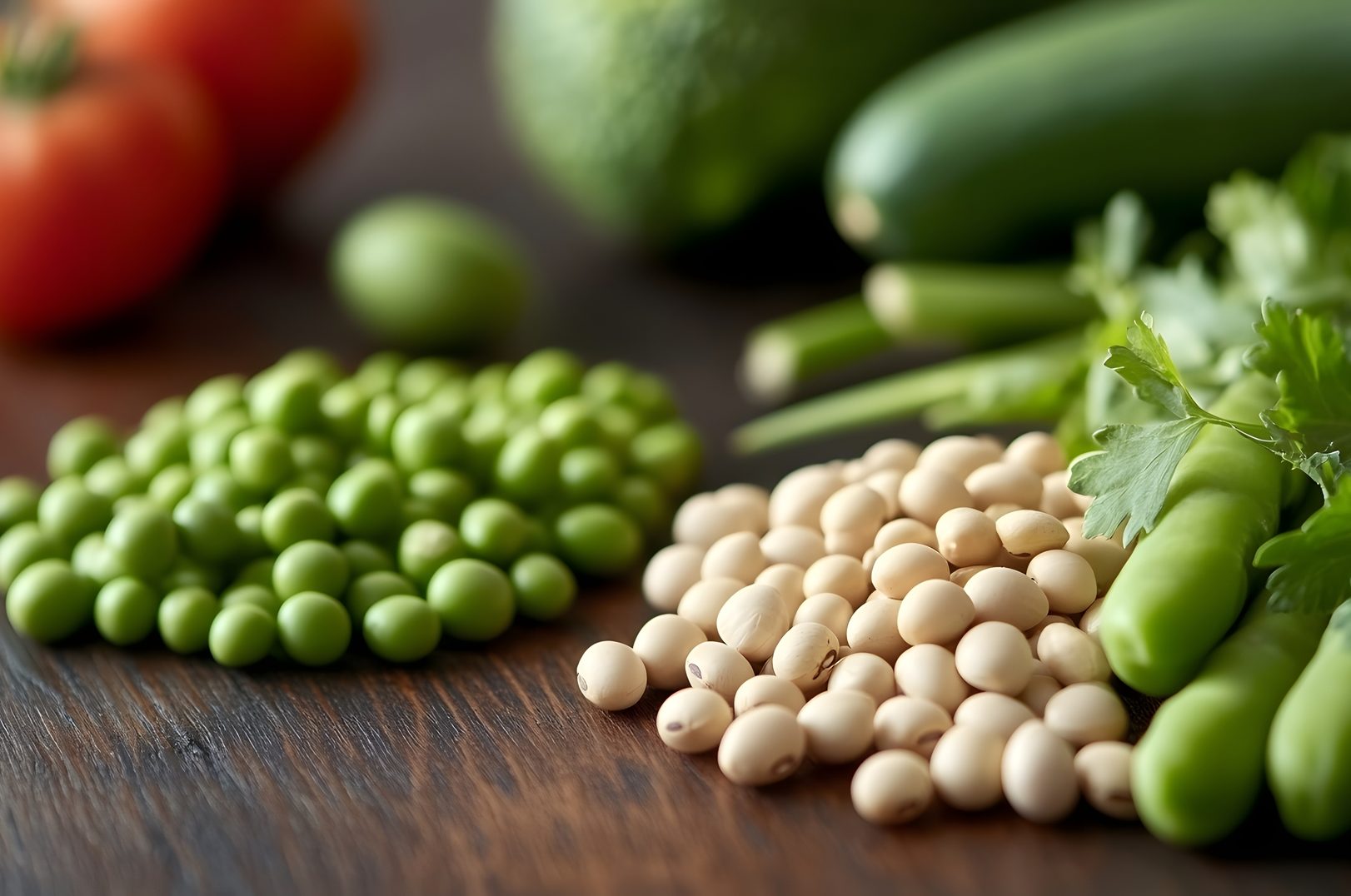
11. Quinoa
Quinoa is technically a seed but often used like a grain.
About 8g protein per cup (cooked)
A complete plant protein
It is perfect for salads, bowls and side dishes.
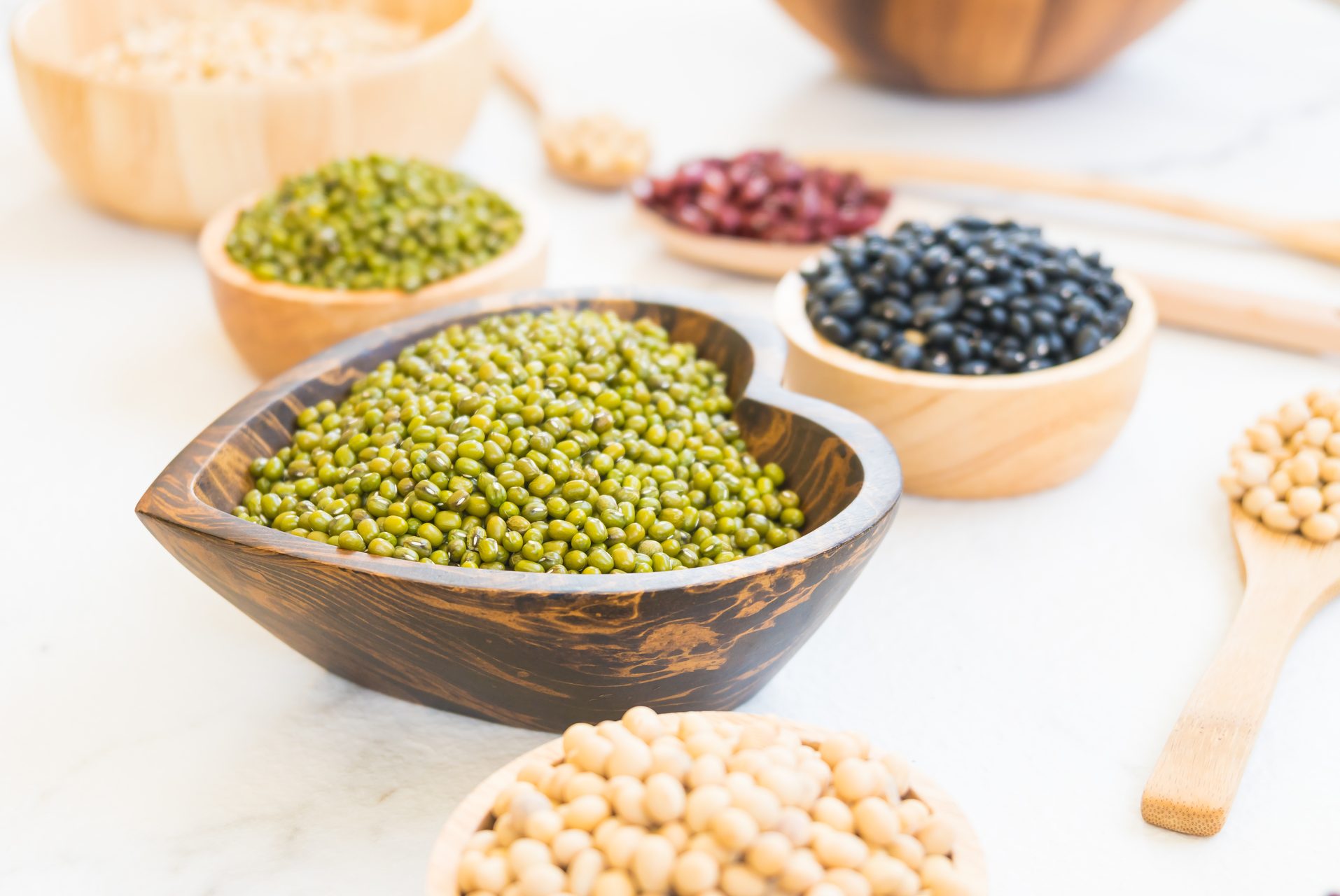
12. Beans (Pinto, Mung and Fava Beans)
Many types of beans provide excellent plant protein.
Examples include:
Pinto beans
Mung beans
Fava beans
They are commonly used in soups, stews and curries.
13. Green Peas
Green peas are a surprisingly good protein source.
Around 8g protein per cup
Provide vitamin C and fibre
They can be added to pasta, soups and salads.
14. Whole Grains (Wild Rice, Oats and Buckwheat)
Whole grains also contribute protein.
Examples include:
Wild rice
Oats
Buckwheat
While not as high in protein as legumes, they complement other plant foods well.
15. Protein-Rich Vegetables
Several vegetables provide modest amounts of protein.
These include:
Broccoli
Brussels sprouts
Asparagus
Potatoes
Although vegetables are not primary protein sources, they add valuable nutrients and fibre.
What the NHS Says About Plant-Based Protein
According to guidance from the NHS, plant-based diets can support good health when they are well planned.
The NHS highlights several key plant protein sources:
Lentils
Beans
Chickpeas
Tofu and soy products
Nuts and seeds
Plant-based diets can provide all the nutrients the body needs when they include a variety of foods such as wholegrains, vegetables, fruits, legumes, nuts and seeds.
However, people following vegan diets should pay particular attention to nutrients such as:
Vitamin B12
Iron
Calcium
Iodine
Omega-3 fatty acids
Fortified foods or supplements may sometimes be needed.
The NHS also notes that plant-based diets rich in whole foods may help lower the risk of:
Heart disease
Type 2 diabetes
Obesity
What PubMed Research Says About Plant Protein
Scientific research indexed in PubMed highlights the growing interest in plant-based proteins.
Researchers point to several reasons for the rising popularity of plant proteins:
Potential health benefits
Environmental sustainability
Ethical concerns about animal welfare
Lower intake of saturated fat
Studies suggest that diets higher in plant-based proteins may support:
Cardiovascular health
Healthy body weight
Improved metabolic health
Although plant proteins sometimes contain slightly lower levels of certain amino acids compared with animal proteins, research shows that combining a variety of plant foods throughout the day easily meets amino acid needs.
Experts therefore emphasise the importance of dietary diversity, including legumes, grains, nuts and seeds.
Tips for Getting Enough Plant Protein
Getting enough protein from plants is easier than many people think.
Helpful tips include:
Include beans or lentils in meals daily
Add nuts or seeds to breakfasts and snacks
Choose whole grains like quinoa or oats
Try tofu or tempeh in stir-fries and salads
Combine different plant foods throughout the day
Simple combinations such as rice and beans, hummus and wholegrain bread, or oats with peanut butter help create balanced meals.
Takeaway
Plant-based foods can provide plenty of protein while also delivering fibre, vitamins, minerals and beneficial plant compounds.
Lentils, chickpeas, tofu, quinoa, nuts and seeds are some of the most powerful plant protein sources. By eating a variety of these foods each day, you can easily meet your protein needs while supporting long-term health.
A balanced diet rich in plant proteins can benefit both your wellbeing and the environment.
❓FAQ: Plant-Based Protein Sources
Can you get enough protein from plants?
Yes. A varied plant-based diet that includes legumes, grains, nuts and seeds can easily meet protein needs for most people.
What plant food has the most protein?
Some of the highest plant protein foods include hemp seeds, lentils, soy products (tofu and tempeh), pumpkin seeds and peanuts.
Do plant proteins contain all essential amino acids?
Most plant foods contain all essential amino acids but sometimes in different proportions. Eating a variety of plant proteins throughout the day provides all the amino acids the body needs.
Is plant protein healthier than animal protein?
Both can be part of a healthy diet, but plant proteins often come with additional benefits such as fibre, antioxidants and lower saturated fat.
Are plant-based diets good for athletes?
Yes. With proper planning, plant-based diets can support athletic performance by providing enough protein, calories and key nutrients.
How much protein do adults need daily?
General recommendations suggest about 0.75g of protein per kilogram of body weight per day for adults.
This content is for educational purposes and does not replace medical advice…
About the author
Lilla Fonyo is a healthy lifestyle and longevity writer with a background in endurance running, nutrition, and mindful living. She focuses on sustainable habits that support long-term physical and mental wellbeing.
Sources:
www.bbc.co.uk - The top 5 high protein plant-based foods recommended by a dietitian
www.healthline.com - 19 High-Protein Plant-Based Foods and How to Eat More of Them
www.bbcgoodfood.com - 15 best vegan protein sources
https://www.uhsussex.nhs.uk/ - Food Fact Sheet - Plant-based diet
www.nutrition.org.uk - Protein
www.pubmed.ncbi.nlm.nih.gov - Plant Proteins: Assessing Their Nutritional Quality and Effects on Health and Physical Function