The Health Benefits of Olive Oil
Why This Golden Oil Deserves a Place in Your Kitchen
By Lilla Fonyo — Healthy Lifestyle & Longevity Writer
Last Update March 2026
Quick Summary
Olive oil, especially extra virgin olive oil, is widely recognised as one of the healthiest fats you can include in your diet. Rich in monounsaturated fats, antioxidants and anti-inflammatory plant compounds, it supports heart health, brain function, digestion and healthy ageing. Research linked to the Mediterranean diet shows that regularly replacing saturated fats with olive oil may help reduce inflammation, support cholesterol balance and improve long-term wellbeing. Used sensibly as part of a balanced diet, this simple kitchen staple can offer meaningful health benefits.
Asparagus - A Delicious Vegetable with Impressive Health Benefits - Learn how asparagus supports digestion, immunity, heart health and more, plus easy ways to enjoy this versatile spring vegetable.
The Health Benefits of Parsley - Discover parsley’s hidden power! Packed with vitamins, antioxidants & flavour, this herb supports heart, bones & eyes.
Benefits Of Black Radish for Skin, Hair, And Health - Learn the benefits of black radish for skin glow, strong hair, better digestion, and natural detox.
What is a plant-based diet - Learn what a plant-based diet is, its health benefits, NHS guidance and simple tips to start eating more plant foods today.
15 Amazing Health Benefits of Eating Cabbage Daily - Discover the top 15 health benefits of cabbage — from heart and gut health to weight control — plus easy ways to enjoy it every day.
The 30-Plants-a-Week Habit - Discover the easy way to try the “30 plants a week” approach and support your gut health with simple, enjoyable changes.
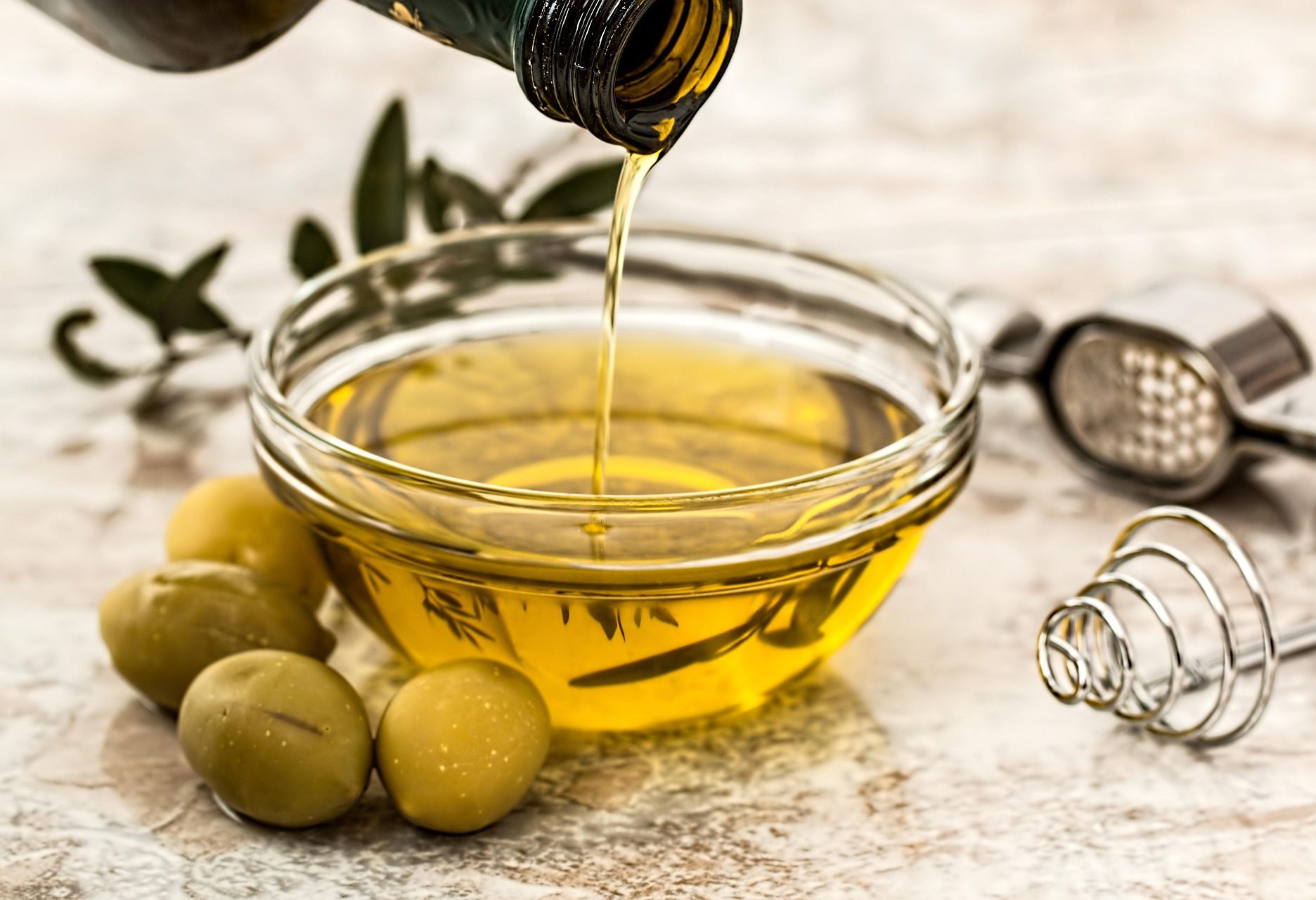
What Is Olive Oil – and Why Extra Virgin Matters
Olive oil is produced by pressing olives, the fruit of the olive tree. The highest-quality form is extra virgin olive oil (EVOO), which is extracted without heat or chemicals. This gentle process preserves natural plant compounds, flavour and nutrients.
Extra virgin olive oil contains several beneficial components, including:
Monounsaturated fats, especially oleic acid
Polyphenols, plant antioxidants that help protect cells
Vitamin E and vitamin K
Because refined oils undergo more processing, they often lose many of these beneficial compounds. Choosing extra virgin olive oil helps ensure you receive the greatest nutritional benefit.
A Powerful Ally for Heart Health
One of the most well-studied benefits of olive oil is its positive effect on the cardiovascular system.
Olive oil is rich in monounsaturated fats, which help reduce levels of LDL (“bad”) cholesterol while supporting HDL (“good”) cholesterol. Health experts consistently recommend replacing saturated fats, such as butter or lard, with unsaturated fats like olive oil.
Large population studies show that people who regularly consume olive oil — particularly as part of the Mediterranean diet — tend to have a lower risk of heart disease, heart attacks and strokes.
Recent clinical reviews have also highlighted the cardioprotective effects of the polyphenols in extra virgin olive oil, which may improve markers related to cardiometabolic health and inflammation.
Even small changes, such as cooking vegetables with olive oil instead of butter, can contribute to healthier cholesterol levels over time.
Natural Anti-Inflammatory Properties
Chronic inflammation is linked to many long-term health conditions, including heart disease, metabolic syndrome, arthritis and type 2 diabetes.
Extra virgin olive oil contains a compound called oleocanthal, which research suggests has anti-inflammatory properties similar to mild pain-relief medications.
Studies show that regular olive oil consumption may help:
Lower inflammatory markers
Reduce oxidative stress
Support healthier immune responses
Because of these effects, olive oil may be particularly helpful in diets designed to support healthy ageing and chronic disease prevention.
Supporting Brain Health and Cognitive Function
Olive oil is also strongly associated with brain health. Diets rich in olive oil, such as the Mediterranean diet, have been linked with better memory and a reduced risk of neurodegenerative conditions like Alzheimer’s disease.
Researchers believe this may be due to several factors:
Antioxidants that protect brain cells from oxidative damage
Improved blood flow to the brain
Reduced inflammation in the nervous system
Some studies suggest that olive oil may even help reduce the accumulation of harmful protein plaques associated with cognitive decline, although more research is still needed.
Weight Management and Blood Sugar Balance
Despite being calorie-dense, olive oil does not appear to promote weight gain when used sensibly.
In fact, diets rich in olive oil may support weight management because they:
Increase feelings of fullness
Help regulate appetite
Reduce cravings for highly processed carbohydrates
Research also suggests that olive oil may improve insulin sensitivity and support better blood sugar control. Some studies show a lower risk of developing type 2 diabetes among people who regularly include olive oil in their diet.
Gut Health and the Microbiome
Emerging research suggests olive oil may support digestive health by influencing the gut microbiome, the community of beneficial bacteria in the digestive system.
Polyphenols in extra virgin olive oil appear to act as prebiotic compounds, helping beneficial bacteria grow while discouraging harmful strains.
Studies have also shown that olive oil consumption may help reduce inflammatory markers and improve metabolic markers such as glycated haemoglobin (HbA1c), which is linked to blood sugar regulation.
A healthier gut microbiome can support digestion, immune function and overall metabolic health.
Skin Health and Healthy Ageing
Olive oil’s antioxidants and vitamin E help protect cells from oxidative stress, which contributes to premature ageing.
When included regularly in the diet, olive oil may support:
Skin elasticity
Cellular protection
Reduced inflammation
Some people also use small amounts topically for skin or hair hydration, although dietary intake remains the primary source of its health benefits.
How Much Olive Oil Is Ideal?
Most studies suggest that 1–2 tablespoons per day is enough to benefit from olive oil’s protective compounds without adding excessive calories.
This amount can easily be incorporated into everyday meals by:
Drizzling over salads or roasted vegetables
Using it in homemade dressings
Cooking grains or vegetables
Light sautéing
High-quality extra virgin olive oil remains stable at typical home cooking temperatures, making it suitable for many everyday cooking methods.
NHS Guidance on Healthy Fats
The NHS highlights that fat is an essential part of a balanced diet, but the type of fat we eat matters.
Too much saturated fat — found in foods such as butter, fatty meats and pastries — can raise cholesterol levels and increase the risk of heart disease.
Health guidelines therefore recommend replacing saturated fats with unsaturated fats, such as those found in olive oil, rapeseed oil, nuts and oily fish.
Unsaturated fats can help support healthy cholesterol levels and are an important part of heart-healthy eating patterns.
Insights from the British Heart Foundation
The British Heart Foundation also supports the inclusion of olive oil in a balanced diet.
According to BHF dietitians:
Olive oil is a healthy source of fat
It is strongly associated with the Mediterranean diet, which supports heart health
The key benefit comes from replacing saturated fats with unsaturated fats
Rather than taking olive oil as a supplement, experts recommend simply using it in everyday meals, such as in salad dressings or cooking.
The BHF also reminds us that all fats are high in calories, so olive oil should be used in moderation as part of an overall balanced diet.
Choosing and Storing Olive Oil
To maximise the benefits of olive oil, keep these tips in mind:
Choose extra virgin olive oil when possible
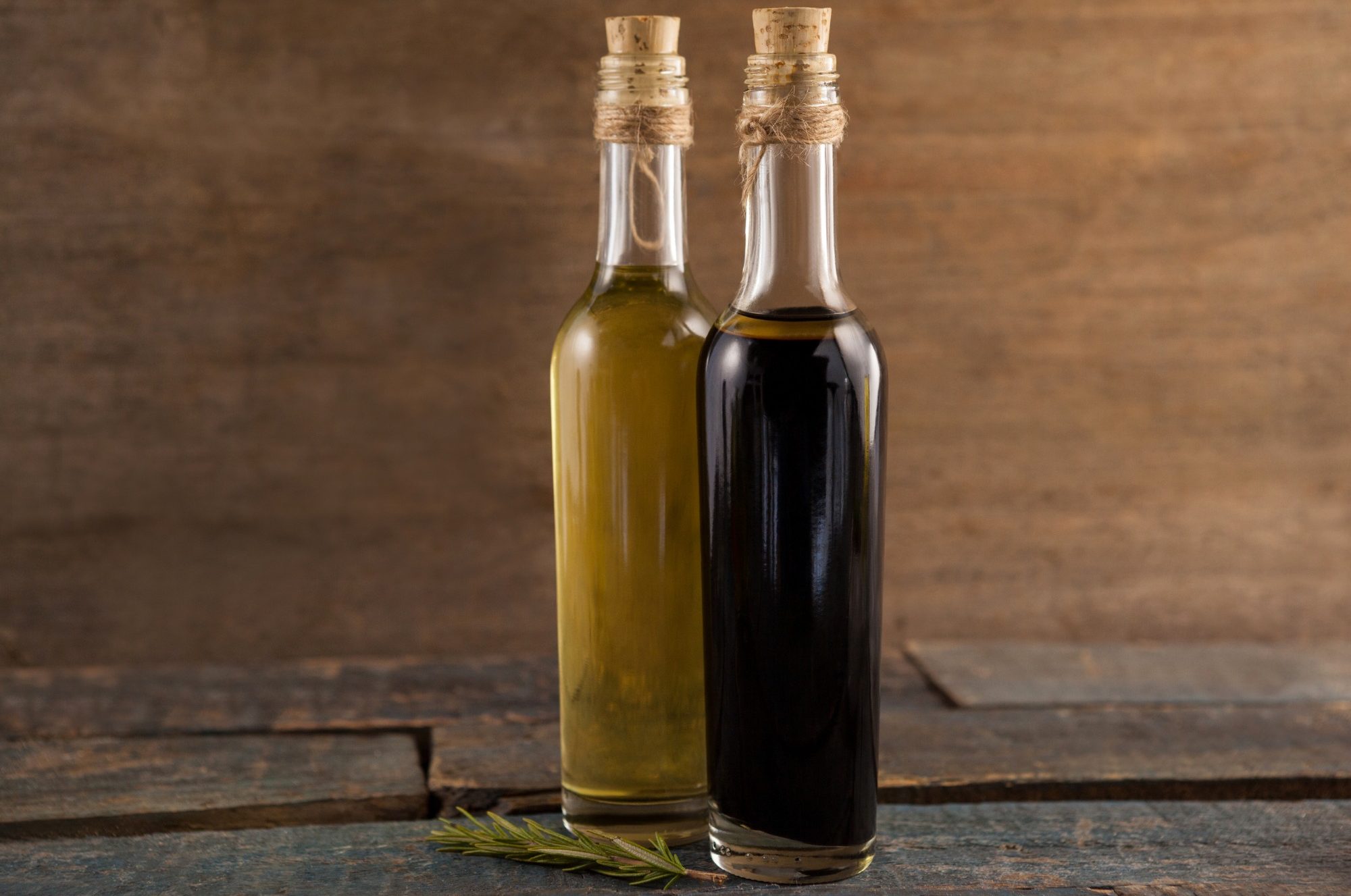
Look for dark glass bottles, which protect the oil from light
Store in a cool, dark cupboard
Use within a reasonable timeframe to maintain freshness
Good-quality olive oil should have a slightly fruity, peppery taste — a sign of the beneficial polyphenols it contains.
A Simple Habit with Long-Term Benefits
Olive oil is not a miracle cure, but it is one of the simplest and most evidence-supported improvements you can make to your diet.
By replacing saturated fats with extra virgin olive oil, you may support:
Heart health
Brain function
Healthy cholesterol levels
Reduced inflammation
Gut health and digestion
Sometimes the most powerful health habits are also the most enjoyable — and olive oil is a perfect example.

Takeaway
Extra virgin olive oil is one of the healthiest fats available and a cornerstone of the Mediterranean diet. Its combination of monounsaturated fats, antioxidants and anti-inflammatory compounds supports heart health, brain function and overall wellbeing. Used regularly in place of saturated fats and as part of a balanced diet, this simple kitchen staple can contribute to healthier ageing and long-term disease prevention.
❓ FAQ — The Health Benefits of Olive Oil
Is a spoonful of olive oil a day good for you?
Research suggests that even small daily amounts — around half to one tablespoon — may support heart health and reduce inflammation when part of a balanced diet.
Is extra virgin olive oil better than regular olive oil?
Yes. Extra virgin olive oil is less processed and retains more antioxidants and polyphenols, which are responsible for many of its health benefits.
Can olive oil help lower cholesterol?
Olive oil contains monounsaturated fats that can help reduce LDL (“bad”) cholesterol while maintaining healthy HDL (“good”) cholesterol levels.
Does olive oil cause weight gain?
Olive oil is calorie-dense, but research shows that diets rich in olive oil do not necessarily lead to weight gain when used in moderation and as part of a balanced diet.
Can olive oil be used for cooking?
Yes. High-quality extra virgin olive oil is stable at normal home cooking temperatures and can be used for roasting, sautéing and light frying.
How much olive oil should I use each day?
Most studies suggest around 1–2 tablespoons daily is enough to gain the health benefits without adding excessive calories.
This content is for educational purposes and does not replace medical advice…
About the author
Lilla Fonyo is a healthy lifestyle and longevity writer with a background in endurance running, nutrition, and mindful living. She focuses on sustainable habits that support long-term physical and mental wellbeing.
Sources:
www.healthline.com - 11 Proven Benefits of Olive Oil
www.bhf.org.uk - Is olive oil good for you?
www.pubmed.ncbi.nlm.nih.gov - Exploring the Benefits of Extra Virgin Olive Oil on Cardiovascular Health Enhancement and Disease Prevention: A Systematic Review
www.pubmed.ncbi.nlm.nih.gov - Unravelling the Extra Virgin Olive Oil Effect on Inflammation and on Gut and Saliva Microbiota
www.nhs.uk - Fat: the facts