The 30-Plants-a-Week Habit
By Lilla Fonyo — Healthy Lifestyle & Longevity Writer
Last Updatesd February 2026
Quick Summary
Eating 30 different plant foods each week is a simple, evidence-based way to support gut health. Research shows that plant variety — not just quantity — helps grow a more diverse gut microbiome, which is linked to better digestion, stronger immunity, improved blood sugar control, and long-term health. The good news? Plants include much more than fruit and vegetables, making 30 far more achievable than it sounds.
Related Articles:
Benefits of Eating Cabbage - Discover the top 15 health benefits of cabbage — from heart and gut health to weight control — plus easy ways to enjoy it every day.
Asparagus - Health Benefits - Learn how asparagus supports digestion, immunity, heart health and more, plus easy ways to enjoy this versatile spring vegetable.
The 13 Healthiest Root Vegetables - From beets to turmeric, discover 13 root vegetables packed with nutrients, antioxidants, and flavour to boost your meals and health.
Quinoa: The Small Seed That Does It All - Discover easy quinoa recipes, health benefits and cooking tips in this friendly guide to quick, nutritious meals any time of day.
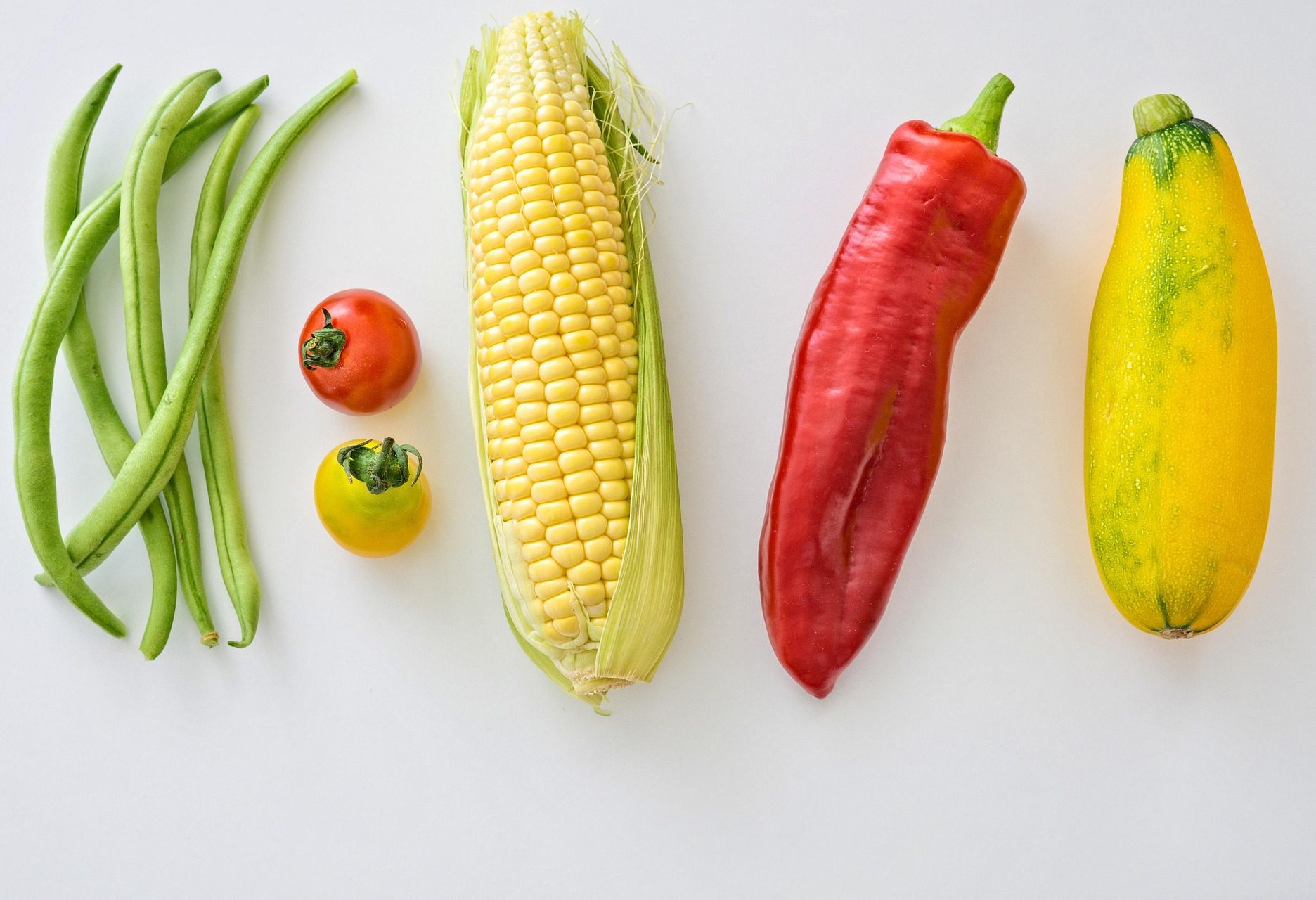
Gut health has gone from a niche topic to one of the biggest conversations in nutrition — and the “30 plants a week” idea keeps popping up everywhere. It can sound overwhelming at first, especially if you’re used to thinking in terms of five-a-day. But this habit isn’t about restriction or perfection. It’s about variety, curiosity, and small changes that add up.
Let’s break it down.
Where did the 30-plants idea come from?
The idea of eating 30 different plants a week comes from real science, not social media trends.
In 2018, the American Gut Project — one of the largest microbiome studies ever conducted — analysed data from over 10,000 people across the UK, US, and Australia. Researchers found that people who ate 30 or more different plant foods per week had:
a more diverse gut microbiome
higher levels of beneficial gut bacteria
more health-supporting compounds produced in the gut
lower risk markers for conditions such as obesity, type 2 diabetes, and age-related disease
In simple terms: greater plant variety = a stronger, more resilient gut.
This research helped shape the 30-plant target as a realistic, motivating goal rather than a strict rule.
Why plant diversity matters (not just five-a-day)
Five-a-day is still helpful, but it focuses on quantity, not variety.
Your gut contains trillions of microbes, and each type of microbe prefers different foods. When you eat the same few plants repeatedly, you feed only a small range of gut bacteria. When you eat a wider variety, you support many more.
Different plants provide different types of fibre and polyphenols — natural plant compounds that help:
support digestion
regulate blood sugar
reduce inflammation
protect the gut lining
communicate with the immune system and brain
Variety gives your gut microbes more tools to do their jobs properly.
What actually counts as a plant?
This is where the habit becomes much easier.
Plants are not just fruit and vegetables. Your weekly total can include:
Vegetables (each type counts separately)
Fruit (fresh, frozen, dried, or tinned with no added sugar)
Whole grains (oats, quinoa, brown rice, rye, wholegrain bread and pasta)
Legumes (beans, lentils, chickpeas, peas)
Nuts and seeds (each type counts)
Herbs and spices (count as ¼ each, but still matter)
Coffee, tea, extra-virgin olive oil, dark chocolate (70%+) — small but helpful sources of plant compounds
Importantly, 30 plants does not mean 30 portions. It means 30 different types across the week.
Do portion sizes matter?
For plant counting, no. Variety is the priority.
That said, for general health guidance, one portion of fruit or vegetables is still around 80g. Once you’re comfortable with variety, portion size can be fine-tuned later.
Is eating 30 plants a week realistic?
Yes — especially when you include grains, legumes, herbs, and frozen or tinned foods.
Most people are surprised when they track their intake and realise they’re already halfway there. If 30 feels far off, start by adding 3–5 new plants per week. This isn’t a challenge with a deadline — it’s a habit you build over time.
Practical ways to boost plant diversity
Simple changes make a big difference:
Choose mixed salad bags instead of single leaves
Add nuts and seeds to porridge, yoghurt, soups, and salads
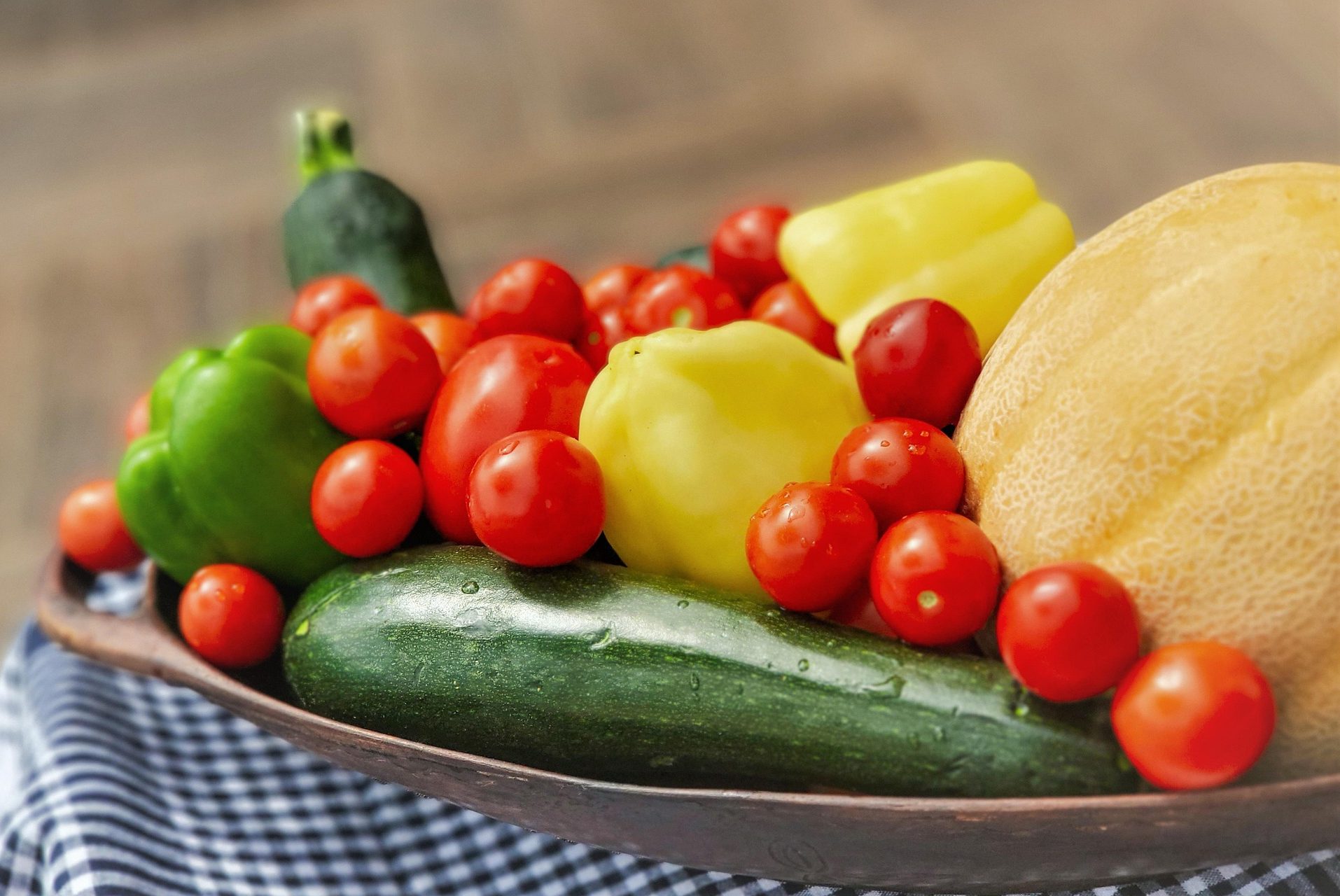
Eat the rainbow — red, yellow, and green peppers all count separately
Swap regular pasta for lentil, chickpea, or buckwheat pasta
Use frozen and tinned veg and beans for convenience
Add lentils or beans to meat dishes
Keep fermented foods like sauerkraut, kimchi, olives, or pickles handy
Track your week with a notes app or a gut-health tracker
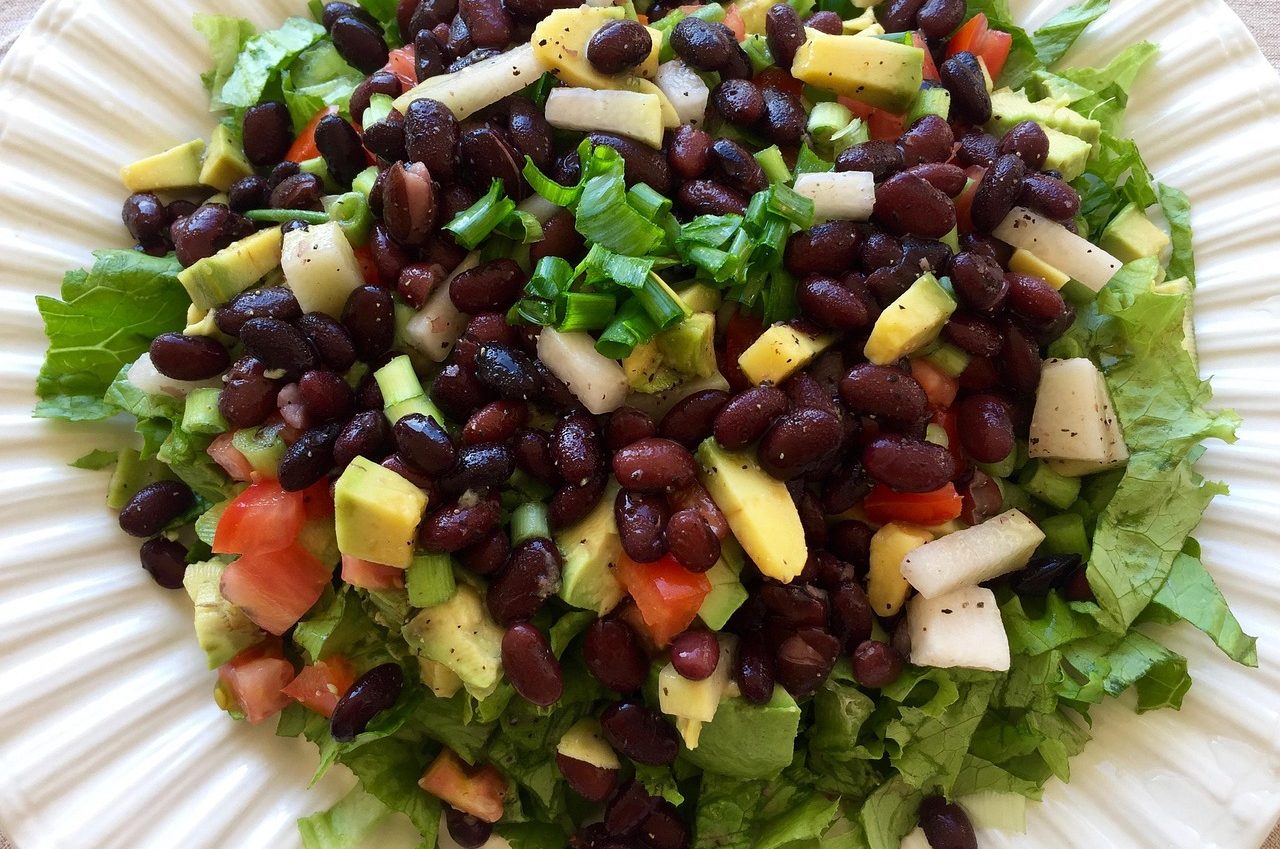
What does a high-diversity day look like?
Breakfast
Porridge with apple, walnuts, pumpkin seeds, and cinnamon
(5+ plants)
Lunch
Chicken or tofu salad with mixed leaves, tomatoes, avocado, herbs, nuts, and sauerkraut
(8+ plants)
Dinner
Lentil bolognese with spinach on wholegrain pasta
(6+ plants)
Snacks
Mixed nuts, berries, hummus with vegetable sticks
(4–6 plants)
You can reach 20 plants in a day without trying very hard.
What ZOE says about eating 30 plants a week
ZOE, a leading nutrition science company co-founded by Professor Tim Spector, has been instrumental in bringing the 30-plant idea into the mainstream.
Using data from the British Gut Project and their own large-scale studies, ZOE researchers consistently show that gut microbiome diversity is strongly linked to overall health. Their work highlights that different plants feed different beneficial microbes, and that variety may be just as important as eating enough fruit and vegetables.
ZOE also emphasises consistency over perfection — encouraging people to build habits they can stick to long-term.
What PubMed research tells us
Recent PubMed-published research continues to support the benefits of high plant diversity.
A 2026 randomised controlled trial studied adults with moderate chronic kidney disease who followed either a high-diversity plant-based diet (30+ plants per week) or a low-diversity version. The high-diversity group experienced:
reduced digestive symptoms, including constipation
improved gut microbiome diversity
increased production of beneficial gut metabolites like butyrate
a significant reduction in dietary acid load
no harmful electrolyte imbalances
The researchers concluded that eating 30 or more different plants weekly was safe and clinically beneficial, particularly for those with more complex health needs.
This strengthens the evidence that plant diversity supports gut health across a wide range of populations.
Takeaway
Eating 30 plants a week isn’t about rules or restriction. It’s a flexible, science-backed way to support digestion, immunity, energy, and long-term health. Start where you are, add variety slowly, and focus on enjoyment rather than numbers. Small changes really do add up — and your gut microbes will notice.
❓ FAQ: The 30-plants-a-week habit
Do I need to eat 30 plants every single week?
No. Think of it as a helpful target, not a rule. Any increase in variety benefits your gut.
Does meat or fish stop me from reaching 30 plants?
Not at all. This approach works alongside any eating style, including omnivorous diets.
Do frozen and tinned foods count?
Yes. Frozen and tinned plants are nutritious and often more affordable. Just check for no added sugar or salt.
Do herbs and spices really matter?
Yes. Even in small amounts, they provide valuable plant compounds that support gut health.
What if I only reach 15 or 20 plants?
You’ll still see benefits. Progress matters more than hitting a specific number.
This content is for educational purposes and does not replace medical advice…
About the author
Lilla Fonyo is a healthy lifestyle and longevity writer with a background in endurance running, nutrition, and mindful living. She focuses on sustainable habits that support long-term physical and mental wellbeing.
Sources:
www. mynutriweb.com - Eating to improve gut health – do we need to eat 30 plant foods per week?
www. thegutstuff.com - Gut to get 30
www.zoe.com - Why should you eat 30 plants a week?
www.theguthealthdoctor.com - Plant points: how to get 30 a week & why
www.pubmed.ncbi.nlm.nih.gov - High-Diversity Plant-Based Diet and Gut Microbiome, Plasma Metabolome, and Symptoms in Adults with CKD