The Truth About Superfoods: Why There’s No Such Thing as a Miracle Food
(And What Actually Works)
By Lilla Fonyo — Healthy Lifestyle & Longevity Writer
March 2026
Quick Summary
Superfoods aren’t magic — they’re marketing. While many so-called superfoods are nutritious, no single food can transform your health on its own. The real secret lies in a balanced, varied diet rich in whole, minimally processed foods. Instead of chasing trends, focus on consistency, diversity, and what works best for your body.
Asparagus - A Delicious Vegetable with Impressive Health Benefits - Learn how asparagus supports digestion, immunity, heart health and more, plus easy ways to enjoy this versatile spring vegetable.
The Health Benefits of Parsley - Discover parsley’s hidden power! Packed with vitamins, antioxidants & flavour, this herb supports heart, bones & eyes.
Benefits Of Black Radish for Skin, Hair, And Health - Learn the benefits of black radish for skin glow, strong hair, better digestion, and natural detox.
What is a plant-based diet - Learn what a plant-based diet is, its health benefits, NHS guidance and simple tips to start eating more plant foods today.
15 Amazing Health Benefits of Eating Cabbage Daily - Discover the top 15 health benefits of cabbage — from heart and gut health to weight control — plus easy ways to enjoy it every day.
The 30-Plants-a-Week Habit - Discover the easy way to try the “30 plants a week” approach and support your gut health with simple, enjoyable changes.
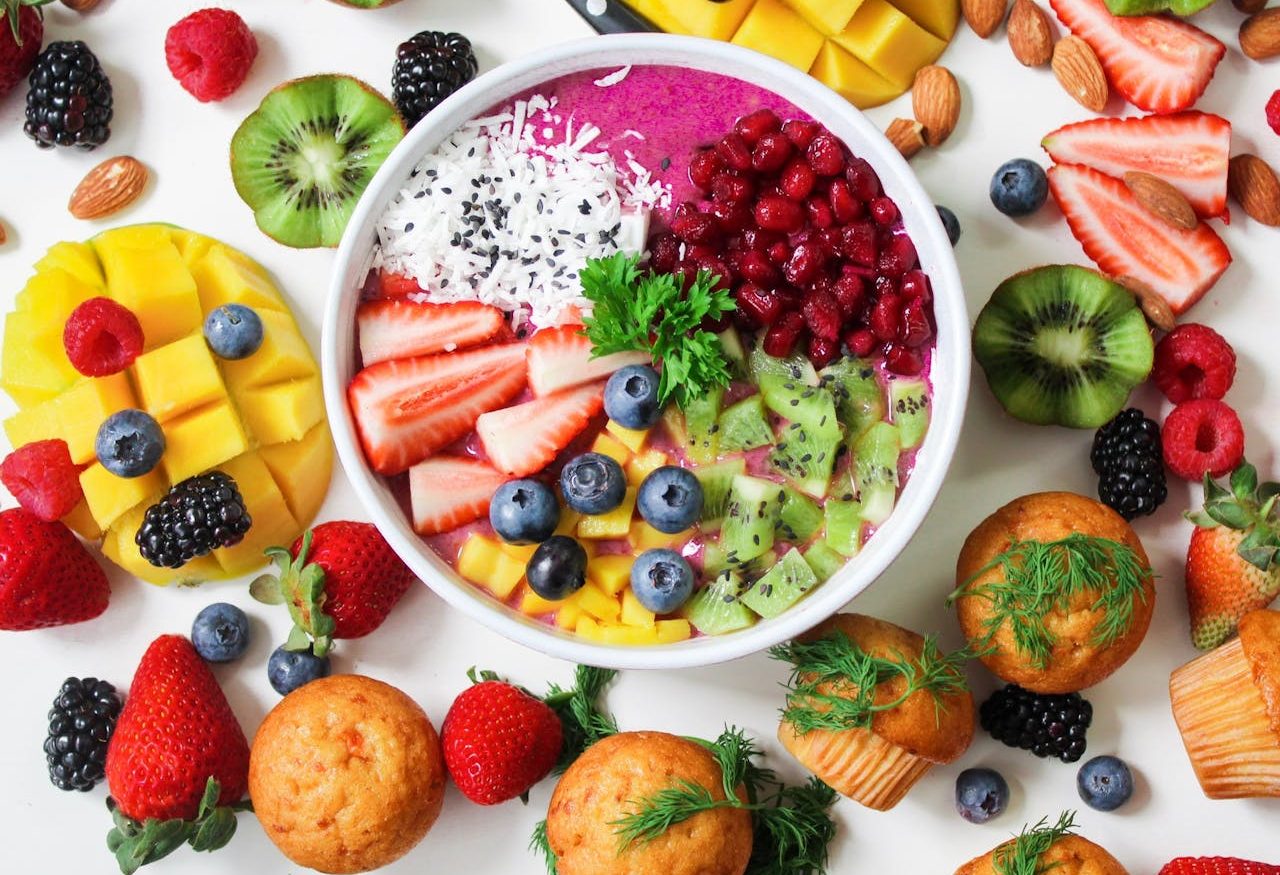
What Is the Truth About Superfoods?
Scroll through social media or walk down any supermarket aisle and you’ll see the word “superfood” everywhere. From blueberries to chia seeds and avocados, these foods are often marketed as nutritional powerhouses capable of boosting energy, preventing disease, and even helping you live longer.
But here’s the truth: “superfood” isn’t a scientific term at all — it’s a marketing label.
In reality, the definition is vague. It generally refers to foods rich in nutrients like vitamins, minerals, fibre, and plant compounds. But by that logic, many everyday foods — including apples, carrots, and oats — could qualify too.
The appeal is obvious. In a world full of confusing nutrition advice, the idea of a simple “quick fix” is incredibly tempting. Unfortunately, that’s not how health works.
Why Superfoods Don’t Live Up to the Hype
The biggest myth about superfoods is that they can compensate for an otherwise unhealthy lifestyle.
They can’t.
Research shows that while many of these foods are indeed nutritious, their benefits are often overstated or oversimplified. Scientific studies tend to focus on isolated compounds (like antioxidants) under controlled conditions — not real-life eating patterns.
According to research published via PubMed, information about superfoods online is generally not incorrect, but it is often simplified and can create unrealistic expectations about health benefits.
In other words:
Eating a handful of blueberries won’t undo a diet high in ultra-processed foods.
The Real Key to Good Health: Your Overall Diet
Rather than focusing on individual “hero” foods, the strongest predictor of health is your overall dietary pattern.
A healthy diet tends to include:
Plenty of fruits and vegetables
Whole grains
Nuts, seeds, and legumes
Healthy fats (like olive oil)
Moderate amounts of protein
This is why eating patterns such as the Mediterranean diet are consistently linked to lower risks of heart disease and better mental health.
The takeaway?
It’s not what you eat occasionally — it’s what you eat consistently.
What Makes a Food ‘Super’ for You?
Here’s where things get even more interesting:
What’s healthy for one person may not be ideal for another.
Research from ZOE shows that people can respond very differently to the same foods — even identical twins can have completely different blood sugar and fat responses after eating the same meal.
This means the idea of a universal “superfood” doesn’t really hold up.
Instead, a food is only truly “super” if it:
Supports your individual metabolism
Works well with your gut microbiome
Fits into your overall eating habits
Yes, superfoods Can Still Be Healthy
Let’s be clear:
Just because superfoods are overhyped doesn’t mean they’re useless.
Foods often labelled as superfoods — like berries, nuts, leafy greens, and oily fish — are genuinely rich in nutrients. They can:
Support heart health
Provide antioxidants
Improve gut health
Boost energy levels
But they’re beneficial because they’re part of a balanced diet, not because they’re special on their own.
A Better Approach: Think ‘Superswaps’ Instead
Instead of chasing trendy ingredients, a more practical strategy is to make small, sustainable upgrades to your daily meals.
For example:
Swap white bread for wholegrain
Choose brown rice over white rice
Replace sugary snacks with fruit
Use olive oil instead of butter
Add beans or lentils to meals for extra fiber
These “superswaps” improve your diet consistently — which is where real health benefits come from.
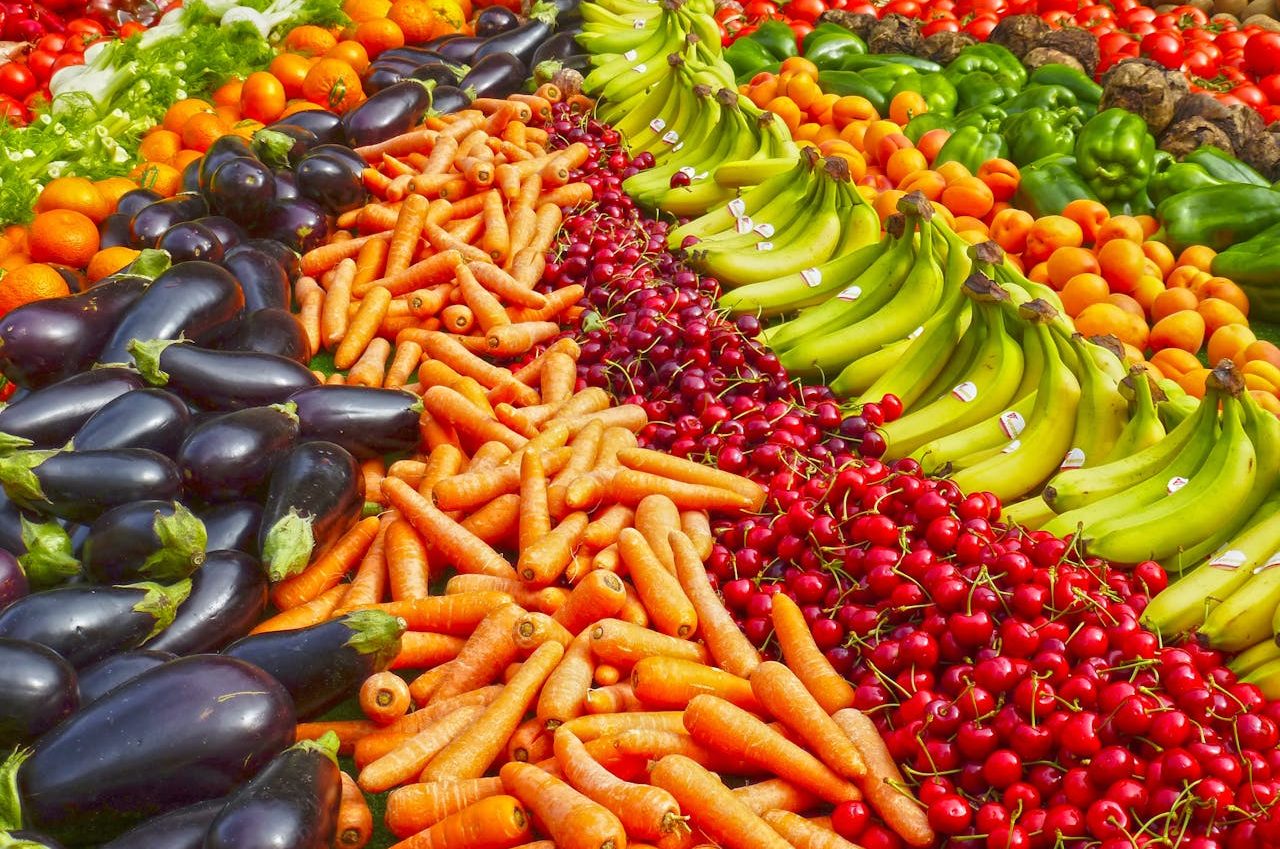
The Role of Variety (It’s Bigger Than You Think)
One of the most overlooked aspects of nutrition is variety.
Eating a wide range of plant-based foods helps:
Support a diverse gut microbiome
Improve digestion
Strengthen your immune system
In fact, studies suggest that people who eat 30 or more different plant foods per week tend to have better gut health than those who eat fewer than 10.
So instead of buying the same “superfood” every week, mix things up:
Different fruits
Different vegetables
Different grains, nuts, and seeds
Expert Insight: What ZOE and PubMed Say
ZOE
Superfoods are a marketing concept, not a scientific category
No single food can make your diet healthy
Personalisation is key — your body responds uniquely to food
Focus on dietary patterns, not individual ingredients
Variety and minimally processed foods matter most
PubMed
Online information about superfoods is often simplified
Health claims are sometimes based on limited or indirect evidence
Clinical studies on whole foods are still limited
Superfoods can be beneficial — but only as part of a balanced diet
Messaging should avoid creating false expectations
3 superfood smoothie recipes
Strawberry lemonade protein smoothie
Ingredients:
1 frozen banana
150g frozen strawberries
80ml plant-based milk
3 tbsp acai powder
1 tbsp nut butter
Salted caramel mocha smoothie
Ingredients:
240ml plant-based milk
1 frozen banana
¼ frozen courgette
1 ½ tsp maca powder
2 tsp cacao powder
1 date (Medjool if you can find them)
1 tsp coffee or 1 espresso shot
Avo-go smoothie
Ingredients:
½ medium avocado
30g spinach
2 bananas
1 tbsp hemp powder
Protein powder
140ml plant-based milk
Takeaway
There’s no such thing as a miracle food.
Superfoods can absolutely be part of a healthy lifestyle — but they’re not shortcuts, cures, or magic solutions. The real secret to good health is simple (if not always easy):
eat a wide variety of whole foods, minimize ultra-processed products, and find what works for your body.
❓ FAQ — The Truth About Superfoods
Are superfoods scientifically proven?
Not as a category. While individual foods contain beneficial nutrients, “superfood” itself isn’t a recognised scientific term.
Can superfoods prevent disease?
They may contribute to better health, but no single food can prevent disease on its own.
Are expensive superfoods better than everyday foods?
Not necessarily. Common foods like apples, carrots, and oats can be just as nutritious as more exotic options.
Should I include superfoods in my diet?
Yes — but as part of a balanced, varied diet rather than relying on them alone.
What matters more than superfoods?
Your overall eating pattern, consistency, and variety matter far more than any individual food.
This content is for educational purposes and does not replace medical advice…
About the author
Lilla Fonyo is a healthy lifestyle and longevity writer with a background in endurance running, nutrition, and mindful living. She focuses on sustainable habits that support long-term physical and mental wellbeing.
Sources:
www.zoe.com - Are there any true superfoods?
www.benenden.co.uk - What Are ‘Superfoods’?
www.pmc.ncbi.nlm.nih.gov - ‘Superfoods’: Reliability of the Information for Consumers Available on the Web
www.pmc.ncbi.nlm.nih.gov - How Information on Superfoods Changes Consumers’ Attitudes: An Explorative Survey Study
www.hollandandbarrett.com - What are superfoods?