Rice: A Simple Staple with Big Benefits
By Lilla Fonyo — Healthy Lifestyle & Longevity Writer
Last Update February 2026
Quick Summary
Rice is one of the world’s most widely eaten foods — affordable, comforting and incredibly versatile. Both white and brown rice can be part of a healthy diet, offering energy, important nutrients and digestive benefits. Brown rice provides more fibre and protective plant compounds, while white rice is gentle on the stomach and useful for quick energy. The key is balance, variety and enjoying rice alongside vegetables, protein and healthy fats.
Quinoa: The Small Seed That Does It All - Discover easy quinoa recipes, health benefits and cooking tips in this friendly guide to quick, nutritious meals any time of day.
Gluten-Free Eating: Is It Really Healthier or Just a Trend? - Learn the real science behind gluten-free diets, who needs them, and whether avoiding gluten improves health for most people.
What is a plant-based diet - Learn what a plant-based diet is, its health benefits, NHS guidance and simple tips to start eating more plant foods today.
15 Amazing Health Benefits of Eating Cabbage Daily - Discover the top 15 health benefits of cabbage — from heart and gut health to weight control — plus easy ways to enjoy it every day.
The 30-Plants-a-Week Habit - Discover the easy way to try the “30 plants a week” approach and support your gut health with simple, enjoyable changes.
Top 10 High-Fibre Foods You Should Eat Daily - Discover the top 10 high-fibre foods to boost your health and meet the daily 30g recommendation in the UK!
Fibre Quiz: Test Your Knowledge of High-Fibre Foods - Think you know fibre? Try our quick quiz on high-fibre foods and see how much you know about healthy eating, digestion and gut health.
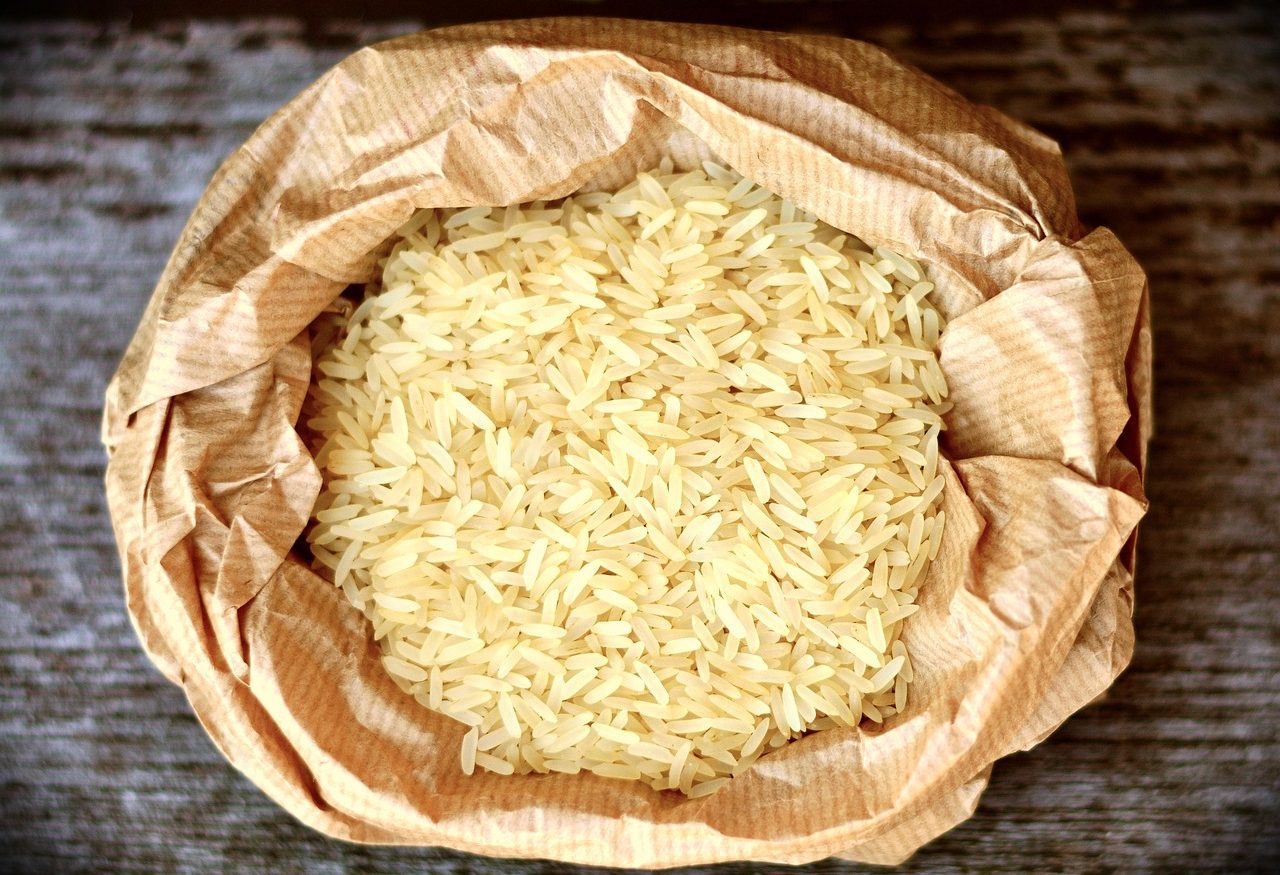
Why Rice Has Fed the World for Thousands of Years
Rice has been a dietary staple for more than 5,000 years and today feeds over half of the global population. From Asian curries and Mediterranean dishes to classic British rice pudding, it plays an important cultural and nutritional role.
Affordable, easy to cook and naturally gluten-free, rice fits into many lifestyles and dietary needs. Beyond being filling, it also provides essential carbohydrates — the body’s main source of fuel.
What Exactly Is Rice?
Rice (Oryza sativa) is the seed of a cereal grass. After harvesting, the outer hull is removed, leaving the grain we cook and eat.
Rice varieties are usually grouped by:
Grain length
Short grain (sticky, ideal for sushi or pudding)
Medium grain (soft and versatile)
Long grain (fluffy varieties like basmati or jasmine)
Processing
Brown rice (wholegrain)
White rice (refined)
Rice can also be turned into flour, noodles, rice milk and many everyday foods.
White Rice vs Brown Rice: What’s the Difference?
All rice begins as brown rice. The difference lies in processing.
Brown rice
Keeps the bran and germ layers
Higher in fibre, vitamins and minerals
Slightly nutty flavour
Slower digestion and steadier energy release
White rice
Bran and germ removed
Softer texture and quicker cooking
Easier to digest
Longer shelf life
Neither type is “bad” — they simply serve different purposes.
Nutritional Snapshot (per 100g cooked)
White Rice/Brown Rice
Calories: 131 kcal/132 kcal
Protein: 2.8 g/3.6 g
Fibre: 0.5 g/1.5 g
Key nutrients: Energy source/Magnesium, phosphorus, antioxidants
Brown rice contains more micronutrients, but calorie levels are very similar.
Health Benefits of Rice
1. Supports Energy Levels
Rice is rich in carbohydrates, which fuel the brain and muscles. White rice is often used after exercise because it quickly restores glycogen stores.
2. Helps You Feel Fuller
Brown rice contains fibre and protein that support satiety and steadier blood sugar levels, which may help with weight management.
3. Gentle on Digestion
White rice is low in fibre and easy to digest. It’s often recommended during digestive upset, nausea, reflux, or gut flare-ups.
4. Naturally Gluten-Free
All rice varieties are gluten-free, making them suitable for people with coeliac disease or gluten sensitivity.
5. Supports Long-Term Health
Whole grains such as brown rice contain antioxidants and plant compounds linked to reduced risk of heart disease, type 2 diabetes and certain cancers.
Resistant Starch and Gut Health
When rice is cooked and then cooled, it forms resistant starch — a type of carbohydrate that feeds beneficial gut bacteria.
This may:
Support digestive health
Improve blood sugar balance
Reduce inflammation in the gut
Cold rice salads or leftover rice dishes can therefore offer additional benefits.

Is Rice Safe to Eat?
For most people, yes — rice is perfectly safe when eaten as part of a varied diet.
Rice can naturally contain small amounts of arsenic from soil and water. Simple cooking habits help reduce exposure:
Rinse rice thoroughly before cooking
Cook in extra water and drain excess
Rotate grains such as quinoa, bulgur or couscous
Avoid rice milk for children under five
Moderation and variety remain the most important factors.
Practical Rice Tips
Store dry rice in an airtight container (up to one year)
Cool cooked rice quickly and refrigerate within one hour
Eat refrigerated rice within 24 hours
Reheat only once until piping hot
Freeze cooked rice for up to one month
Soak brown rice to reduce cooking time
Easy & Healthy Rice Meal Ideas
(Perfect for linking to your recipes)
- Comforting Rice Pudding – a classic, cosy dessert
- Brown Rice Tabbouleh with Herbs – fresh and fibre-rich
- Quick Prawn Fried Rice – ideal for leftovers
- Spicy Vegetable & Halloumi Rice Bowl – balanced and satisfying
- Peanut Chicken Rice Bowl – protein-packed comfort food
- Rainbow Vegetable Fried Rice – colourful and nutrient-dense
Rice works best when paired with vegetables, lean protein and healthy fats.
What the NHS Says
The NHS highlights starchy foods — including rice — as an essential part of a healthy diet and recommends they make up around one third of the food we eat. These foods provide energy, fibre and important nutrients such as B vitamins and iron.
Wholegrain options like brown rice are encouraged because fibre supports digestion, helps you feel full and contributes to heart health. The NHS also stresses safe storage and reheating practices to prevent food poisoning.
What PubMed Research Shows
Scientific research published in PubMed highlights the nutritional value of rice bran — the outer layer found in wholegrain rice. This layer contains antioxidants and bioactive compounds linked to:
Improved metabolic health
Anti-inflammatory effects
Potential protection against diabetes and cardiovascular disease
Support for gut health and nutrient intake
Researchers emphasise that wholegrain rice varieties may play an important role in global nutrition and disease prevention when consumed as part of balanced diets.
So, Is Rice Healthy?
Yes — rice can absolutely be part of a healthy lifestyle.
Brown rice offers fibre and long-term health benefits, while white rice provides quick energy and gentle digestion. Rather than avoiding rice, focus on balance, portion awareness and combining it with nutrient-rich foods.
Food is not only nutrition — it’s tradition, comfort and connection. Rice has nourished cultures for centuries, and it can continue to nourish you too.
Takeaway
Rice is a simple food with powerful benefits. Choosing a mix of white and wholegrain varieties, eating balanced meals, and preparing rice safely allows you to enjoy its energy, comfort and nutritional value without worry. Variety — not restriction — is the healthiest approach.
❓ FAQ – Rice: A Simple Staple with Big Benefits
Is rice healthy to eat every day?
Yes, when eaten in sensible portions and alongside vegetables, protein and healthy fats.
Which rice is healthiest?
Brown rice generally provides more fibre and nutrients, but white rice has benefits for digestion and quick energy.
Does rice raise blood sugar?
All carbohydrates affect blood sugar, but pairing rice with fibre, protein and fats helps slow absorption.
Is rice gluten-free?
Yes — all natural rice varieties are gluten-free.
Should I worry about arsenic in rice?
Risk is low for most people. Rinsing rice, cooking in extra water and eating a variety of grains helps minimise exposure.
Is cold rice healthier?
Cooled rice contains resistant starch, which may support gut health and blood sugar control.
This content is for educational purposes and does not replace medical advice…
About the author
Lilla Fonyo is a healthy lifestyle and longevity writer with a background in endurance running, nutrition, and mindful living. She focuses on sustainable habits that support long-term physical and mental wellbeing.
Sources:
www.bbcfood.com - Top 5 health benefits of rice
www.healthyfood.com - Why rice is healthy, and which types you should eat
www.womeshealthmag.com - Is rice good for you? Here's what a nutritionist has to say
www.medicalnewstoday.com - What to know about rice
www.pubmed.ncbi.nlm.nih.gov - Rice bran: Nutritional value, health benefits, and global implications for aflatoxin mitigation, cancer, diabetes, and diarrheal prevention
www.nhs.uk - Starchy foods and carbohydrates