Quinoa: The Small Seed That Does It All
(Plus Easy Ways to Cook It)
By Lilla Fonyo — Healthy Lifestyle & Longevity Writer
Last Update February 2026
🌿 Quick Summary
Quinoa may look like a grain, but it’s actually a nutrient-rich seed packed with protein, fibre and essential minerals. Naturally gluten-free and easy to cook, it supports digestion, balanced energy and heart health. Its mild flavour makes it perfect for everything from salads and warm dinners to comforting breakfasts — making quinoa one of the simplest healthy staples to add to everyday meals.
Related Articles:
Rice: A Simple Staple with Big Benefits - Discover whether rice is healthy, the benefits of brown vs white rice, and how to enjoy rice safely as part of a balanced diet.
Gluten-Free Eating: Is It Really Healthier or Just a Trend? - Learn the real science behind gluten-free diets, who needs them, and whether avoiding gluten improves health for most people.
The 30-Plants-a-Week Habit - Discover the easy way to try the “30 plants a week” approach and support your gut health with simple, enjoyable changes.
What is a plant-based diet - Learn what a plant-based diet is, its health benefits, NHS guidance and simple tips to start eating more plant foods today.
What Is Quinoa — and Why Is Everyone Talking About It?
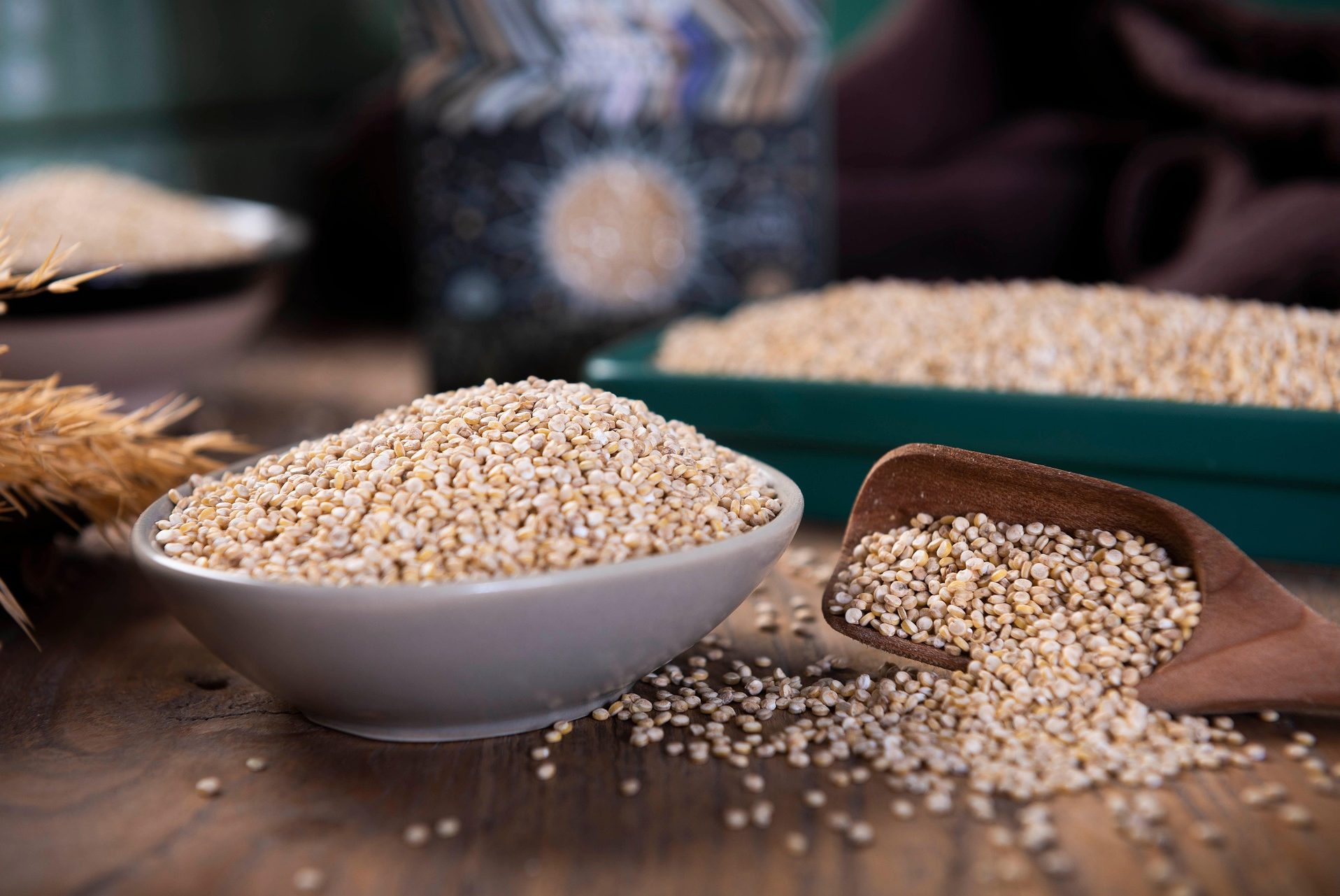
Quinoa (pronounced keen-wah) has been enjoyed for thousands of years in South America, where it was a staple food of ancient Andean cultures. Although commonly grouped with grains, quinoa is technically a seed related to spinach and beetroot.
In recent years, it has become popular worldwide because it combines excellent nutrition with remarkable versatility. It cooks quickly, adapts to almost any recipe and works well in both sweet and savoury dishes.
Why Quinoa Deserves a Place on Your Plate
Quinoa is often called a “super grain”, and while the term is informal, its nutritional profile really is impressive.
✔ A complete plant protein
Quinoa contains all nine essential amino acids, something rare among plant foods. This makes it especially valuable for vegetarians, vegans and anyone trying to reduce meat consumption.
✔ Supports digestion
Its fibre content helps maintain healthy digestion and supports beneficial gut bacteria, which play an important role in overall wellbeing.
✔ Helps steady energy levels
Because quinoa has a relatively low glycaemic index, it releases energy gradually, helping to avoid sharp blood sugar spikes.
✔ Rich in important nutrients
Quinoa provides magnesium, iron, zinc, B vitamins and antioxidants that help protect cells from everyday stress and inflammation.
How to Cook Quinoa Perfectly Every Time
Cooking quinoa is simple — just don’t skip rinsing.
Step-by-step:
Rinse quinoa thoroughly under cold water to remove natural bitter coatings (saponins).
Use 1 part quinoa to 2 parts water or stock.
Bring to the boil, then simmer gently for about 15 minutes.
Remove from heat and let it rest for 5 minutes.
Fluff with a fork before serving.
You’ll end up with light, fluffy grains with a gentle nutty flavour.
Easy and Delicious Quinoa Recipe Ideas
You can link these to your recipes later — think of them as inspiration sections.
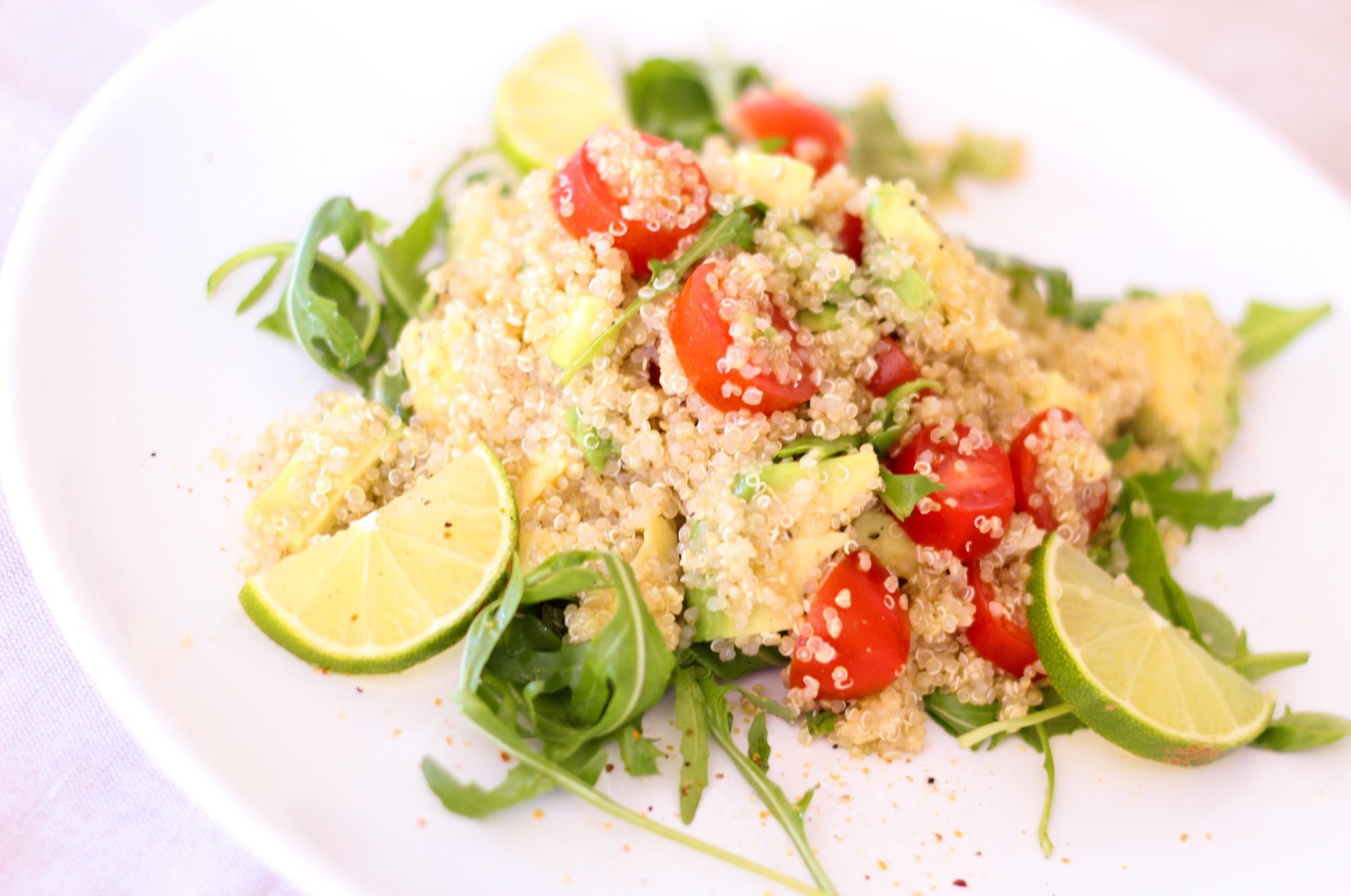
Mix cooled quinoa with cucumber, cherry tomatoes, herbs, olive oil and lemon juice. Add olives or feta for extra flavour.
Stuffed Peppers with Quinoa & Beans
Combine quinoa with black beans, tomatoes and spices, then bake inside halved peppers for a filling, colourful meal.
Stir fresh herbs, lemon juice and olive oil into warm quinoa. Perfect alongside roasted vegetables or grilled fish.
Fold chopped kale into hot quinoa so it gently wilts. A quick, nourishing weekday dish.
Simmer quinoa with sweet potatoes, beans, tomatoes and spices for a comforting one-pot dinner.
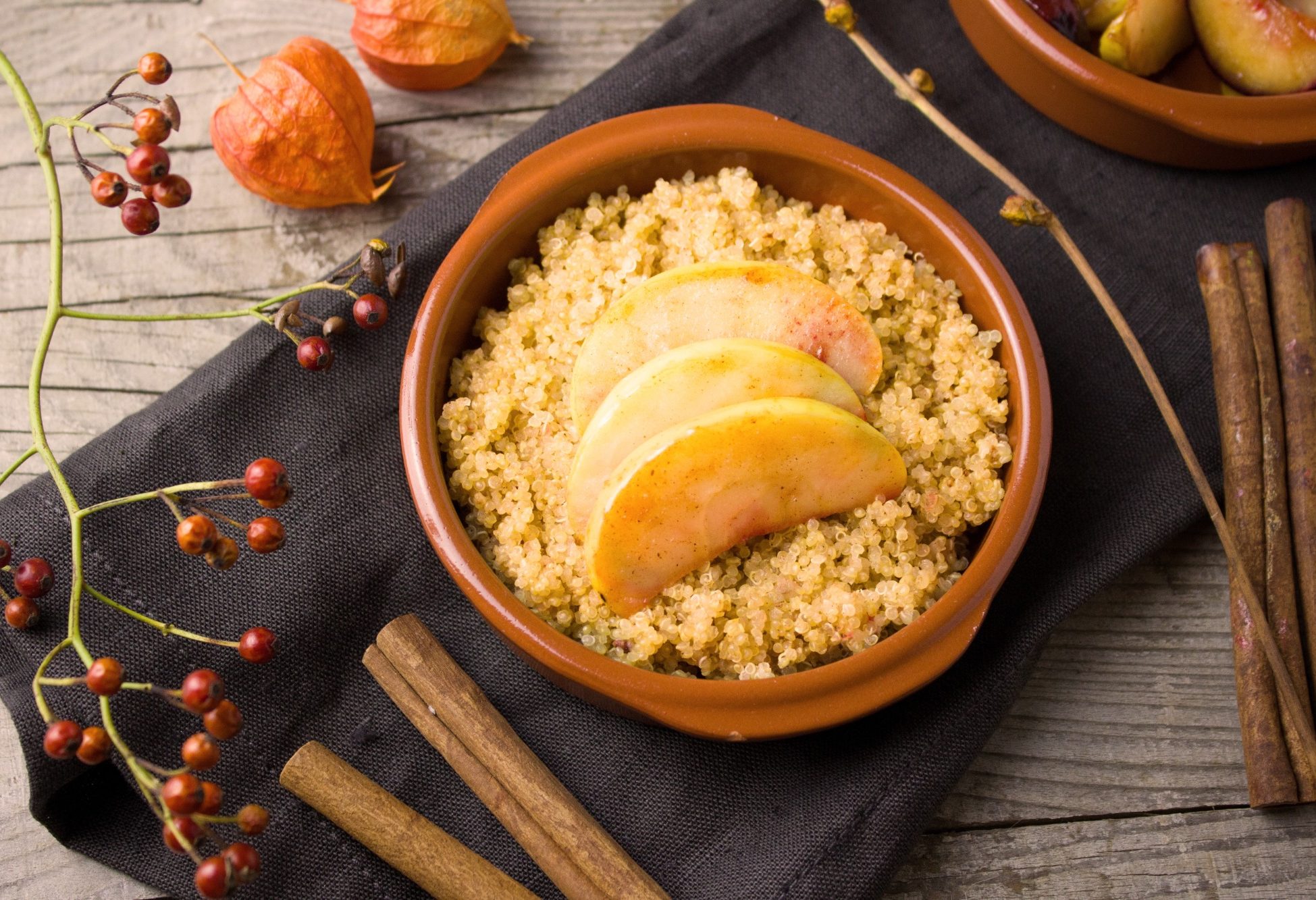
Cook quinoa in milk or a plant alternative and top with berries, nuts and a drizzle of honey for a warming breakfast.
How Quinoa Supports Health
Research suggests quinoa’s nutrients and plant compounds may contribute to several areas of health:
Heart health: fibre may help lower LDL cholesterol levels
Blood sugar balance: slow digestion helps maintain steady glucose levels
Gut health: fibre acts as fuel for beneficial gut bacteria
Inflammation support: antioxidants help protect cells from oxidative stress
Iron intake: useful for people at risk of iron deficiency, especially plant-based eaters
While quinoa is not a cure-all, regularly including it as part of a balanced diet can support overall wellbeing.
Is Quinoa Suitable for Everyone?
For most people, yes.
Naturally gluten-free and suitable for coeliac diets
Easy to digest when rinsed and cooked properly
Best introduced gradually if you’re not used to high-fibre foods
Allergies are rare, but as with any food, stop eating it if symptoms occur.
NHS Guidance on Healthy Eating
According to the NHS, balanced meals that include whole grains, fibre-rich foods and plant proteins can support heart health, digestion and steady energy levels. Foods like quinoa fit well into these recommendations because they provide slow-release carbohydrates alongside important nutrients.
The NHS also encourages variety — rotating foods such as quinoa with other whole grains helps ensure a wide range of nutrients.
What PubMed Research Says
Scientific reviews indexed on PubMed highlight quinoa’s rich profile of bioactive compounds, including polyphenols, peptides and fibre. Research suggests these compounds may support:
antioxidant and anti-inflammatory activity
cardiovascular and metabolic health
healthy gut microbiota balance
Researchers emphasise that quinoa shows strong potential as a functional food, though more long-term human studies are still needed.
Takeaway
Quinoa proves that small ingredients can make a big difference. It’s quick to cook, naturally nutritious and incredibly adaptable — whether you’re preparing a hearty dinner, a fresh salad or a comforting breakfast bowl. Adding quinoa to your weekly meals is an easy way to boost fibre, plant protein and variety without complicating your cooking.
❓ FAQ: Quinoa: The Small Seed That Does It All
Is quinoa better than rice?
They both have benefits, but quinoa generally contains more protein and fibre, making it more filling.
Can I eat quinoa every day?
Yes — for most people it’s safe to eat regularly as part of a balanced diet.
Is quinoa good for weight management?
Its protein and fibre help you feel fuller for longer, which may support healthy eating habits.
Is quinoa suitable for people with diabetes?
Its slower carbohydrate absorption may help with blood sugar control, but portion size still matters.
Why do I need to rinse quinoa?
Rinsing removes natural compounds that can taste bitter and may cause digestive discomfort.
Can quinoa help digestion?
Yes — its fibre supports gut health and beneficial bacteria.
This content is for educational purposes and does not replace medical advice…
About the author
Lilla Fonyo is a healthy lifestyle and longevity writer with a background in endurance running, nutrition, and mindful living. She focuses on sustainable habits that support long-term physical and mental wellbeing.
Sources:
Sources:
www.eatingwell.com - What Happens to Your Body When You Eat Quinoa Every Day
www.bbcgoodfood.com - Top 5 health benefits of quinoa
www.womenshealthmag.com - 6 benefits of adding quinoa to your diet
www.pubmed.ncbi.nlm.nih.gov - Harnessing the Potential of Quinoa: Nutritional Profiling, Bioactive Components, and Implications for Health Promotion
www.pubmed.ncbi.nlm.nih.gov - Innovations in Health Value and Functional Food Development of Quinoa (Chenopodium quinoa Willd.)
www.nhs.uk - The Eatwell Guide