Gluten-Free Eating: Is It Really Healthier or Just a Trend?
By Lilla Fonyo — Healthy Lifestyle & Longevity Writer
February 2026
Quick Summary
Gluten-free eating has grown hugely in popularity, but it isn’t necessary for everyone. While it’s essential for people with conditions such as coeliac disease, research shows mixed benefits for the wider public. Some people feel better without gluten, especially those with digestive sensitivities, but large scientific reviews (including research published on PubMed) also point to possible drawbacks like nutrient shortages and higher food costs. Understanding who truly benefits can help you make healthier, more informed choices.
Related Articles:
Rice: A Simple Staple with Big Benefits - Discover whether rice is healthy, the benefits of brown vs white rice, and how to enjoy rice safely as part of a balanced diet.
Sourdough Bread - A health expert explains why sourdough is the healthiest bread choice, how to spot real bread and avoid misleading supermarket loaves.
Quinoa: The Small Seed That Does It All - Discover easy quinoa recipes, health benefits and cooking tips in this friendly guide to quick, nutritious meals any time of day.
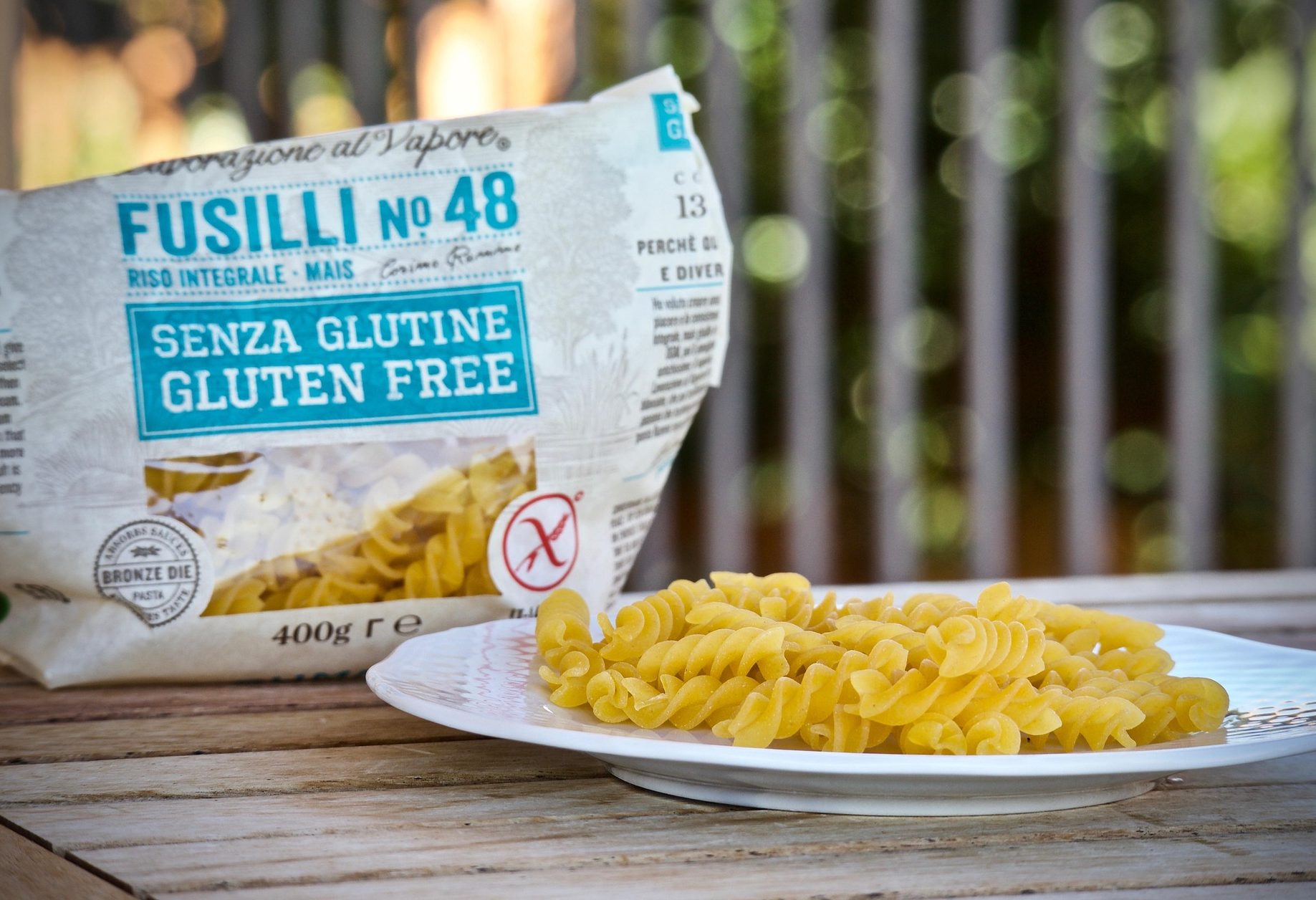
What Is Gluten?
Gluten is a protein found in grains like wheat, barley, and rye. It helps bread stay soft and gives dough its stretchy texture. You’ll find gluten in everyday foods such as bread, pasta, cereals, pastries, and many processed products.
Gluten itself doesn’t provide essential nutrients, but foods containing gluten often do — such as fibre, iron, and B vitamins found in whole grains.
Who Really Needs a Gluten-Free Diet?
According to medical experts (including Mayo Clinic and Harvard Health), avoiding gluten is crucial for some people:
✔ People with coeliac disease
This autoimmune condition causes the body to attack the small intestine when gluten is eaten, leading to inflammation, poor nutrient absorption, fatigue, and digestive problems. For them, a strict gluten-free diet is essential for life.
✔ People with wheat allergy
This is an immune reaction to wheat proteins. Avoiding wheat — often through gluten-free foods — helps prevent symptoms like hives, stomach pain, or breathing issues.
✔ People with non-coeliac gluten sensitivity (NCGS)
Some people feel bloated, tired, or uncomfortable after eating gluten despite not having coeliac disease. Cutting back can help relieve symptoms for some individuals.
What Does PubMed Research Say?
Large reviews published on PubMed Central provide a balanced and evidence-based view.
Possible benefits for some people:
Certain individuals with irritable bowel syndrome (IBS) experience fewer digestive symptoms on a gluten-free diet
A small group of people genuinely react to gluten or wheat components and feel better avoiding them
But for most people:
High-quality evidence does NOT strongly support gluten-free diets for overall health if you don’t have a medical condition
Only about 16–30% of people who think they’re gluten-sensitive actually react to gluten in controlled studies
Researchers also found that many symptoms blamed on gluten may actually come from other components in wheat (like FODMAP carbohydrates), not gluten itself.
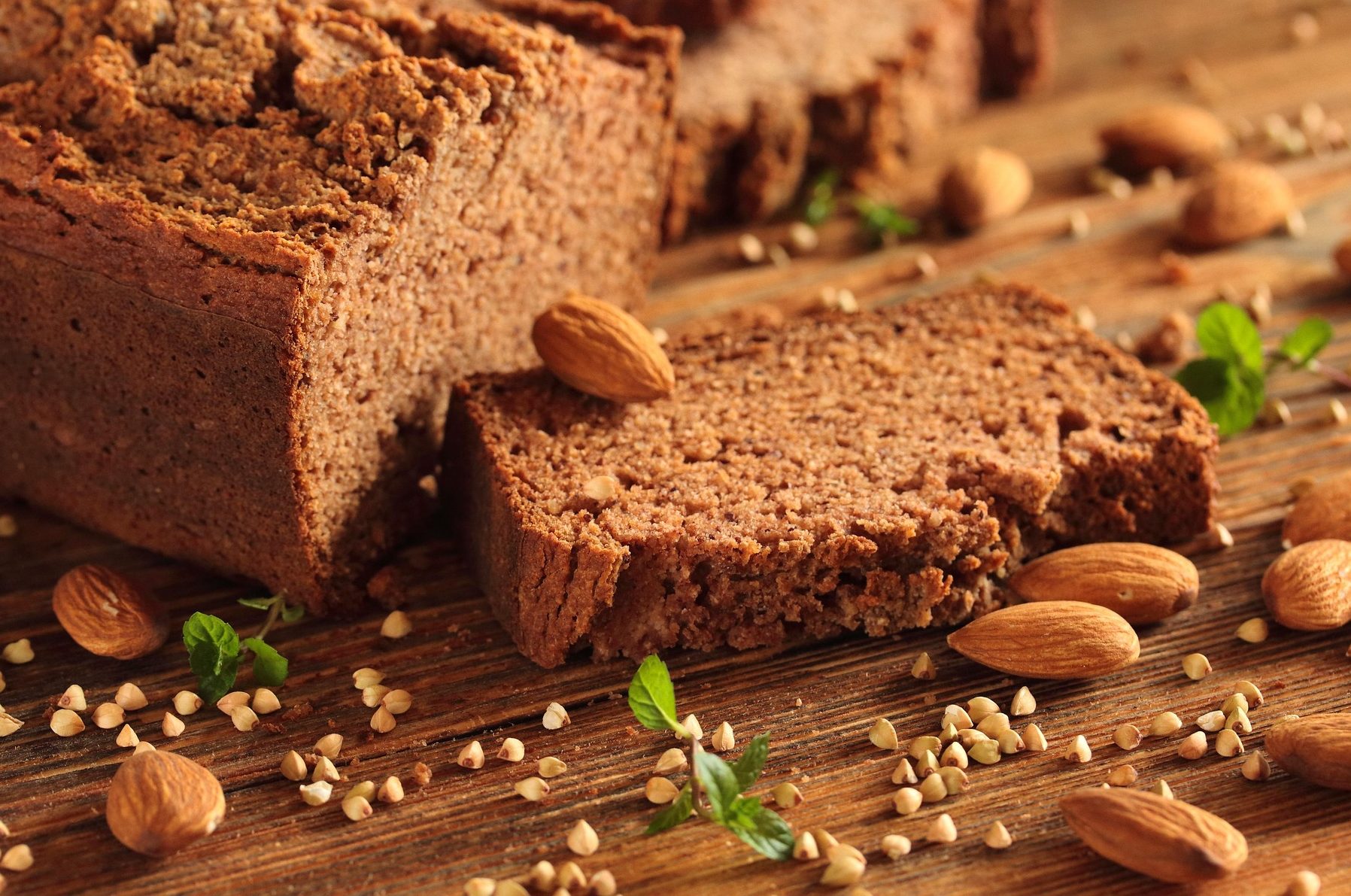
Are There Downsides to Going Gluten-Free?
Both Harvard Health and PubMed highlight some concerns:
Nutritional gaps
Many gluten-free products are lower in:
Fibre
Iron
Folate
B vitamins
Some are also higher in sugar, fat, and salt.
Higher cost
Studies show gluten-free products can cost over twice as much as regular versions.
Social impact
Following a strict gluten-free lifestyle can feel restrictive and sometimes isolating, especially when eating out or socialising.
Why Has Gluten-Free Eating Become So Popular?
Experts believe it’s driven by:
Celebrity endorsements
Social media and marketing
Personal success stories
The belief that “free from” automatically means healthier
While some people do feel better cutting out gluten, research suggests many others may not see real health benefits.
So… Should You Avoid Gluten?
👉 If you feel healthy and don’t have symptoms — there’s no strong scientific reason to cut it out.
👉 If you have digestive issues or unexplained symptoms, it’s best to speak with a healthcare professional before changing your diet. Testing can rule out coeliac disease and help identify the real cause.
Often, issues blamed on gluten turn out to be lactose intolerance, IBS, or other gut conditions.
Takeaway
Gluten-free eating is essential for people with coeliac disease and helpful for some with digestive sensitivities. However, expert research from PubMed and major health organisations shows little evidence that it improves health for the general population. Many people avoiding gluten may not actually be reacting to it at all. Gluten-free products can be lower in important nutrients and more expensive than regular foods. While some individuals feel better without gluten, it’s not a guaranteed path to better health. Making dietary changes with medical guidance is the smartest approach.
❓ FAQ: Gluten-Free Eating
1. Is gluten bad for everyone?
No. For most people, gluten is harmless and part of a balanced diet.
2. Will going gluten-free help me lose weight?
Not necessarily. Some gluten-free foods are higher in sugar and fat, and research doesn’t consistently support weight loss benefits.
3. Can a gluten-free diet improve digestion?
It can help some people with IBS or sensitivities, but many digestive issues are caused by other foods, not gluten.
4. Are gluten-free foods healthier?
Not always. Many are less nutritious and lack fibre and essential vitamins.
5. Should I try gluten-free without symptoms?
Experts generally don’t recommend it unless you have a medical reason or noticeable reactions.
This content is for educational purposes and does not replace medical advice…
About the author
Lilla Fonyo is a healthy lifestyle and longevity writer with a background in endurance running, nutrition, and mindful living. She focuses on sustainable habits that support long-term physical and mental wellbeing.
Sources:
www. health.harvard.edu - Ditch the gluten, improve your health?
www. pmc.ncbi.nlm.nih.gov - Health Benefits and Adverse Effects of a Gluten-Free Diet in Non–Celiac Disease Patients
www.mayoclinic.org - Gluten-free diet