Best Spring Vegetables to Eat Now:
The Ultimate Seasonal Guide for Fresh Flavour & Health
By Lilla Fonyo — Healthy Lifestyle & Longevity Writer
March 2026
Quick Summary
Spring is one of the best times of year to refresh your meals with vibrant, nutrient-rich vegetables. Seasonal produce such as asparagus, peas, spinach and radishes not only tastes better but is often fresher, more nutritious and more environmentally friendly. Eating with the seasons supports local growers, adds variety to your diet and helps you enjoy food at its natural peak.
Asparagus - A Delicious Vegetable with Impressive Health Benefits - Learn how asparagus supports digestion, immunity, heart health and more, plus easy ways to enjoy this versatile spring vegetable.
The Health Benefits of Parsley - Discover parsley’s hidden power! Packed with vitamins, antioxidants & flavour, this herb supports heart, bones & eyes.
Benefits Of Black Radish for Skin, Hair, And Health - Learn the benefits of black radish for skin glow, strong hair, better digestion, and natural detox.
What is a plant-based diet - Learn what a plant-based diet is, its health benefits, NHS guidance and simple tips to start eating more plant foods today.
15 Amazing Health Benefits of Eating Cabbage Daily - Discover the top 15 health benefits of cabbage — from heart and gut health to weight control — plus easy ways to enjoy it every day.
The 30-Plants-a-Week Habit - Discover the easy way to try the “30 plants a week” approach and support your gut health with simple, enjoyable changes.
Why Spring Vegetables Are So Good for You
After the heavier foods of winter, spring brings lighter, fresher ingredients packed with vitamins, fibre and antioxidants. Seasonal vegetables are typically harvested closer to when you buy them, meaning they retain more nutrients and flavour.
Eating seasonally can also:
Support local farmers and reduce food miles
Improve taste and texture
Add natural variety to your meals
Often save money when produce is abundant
Spring cooking is all about simplicity — letting fresh ingredients shine.
The Best Spring Vegetables (and How to Enjoy Them)
Asparagus — The Star of Spring
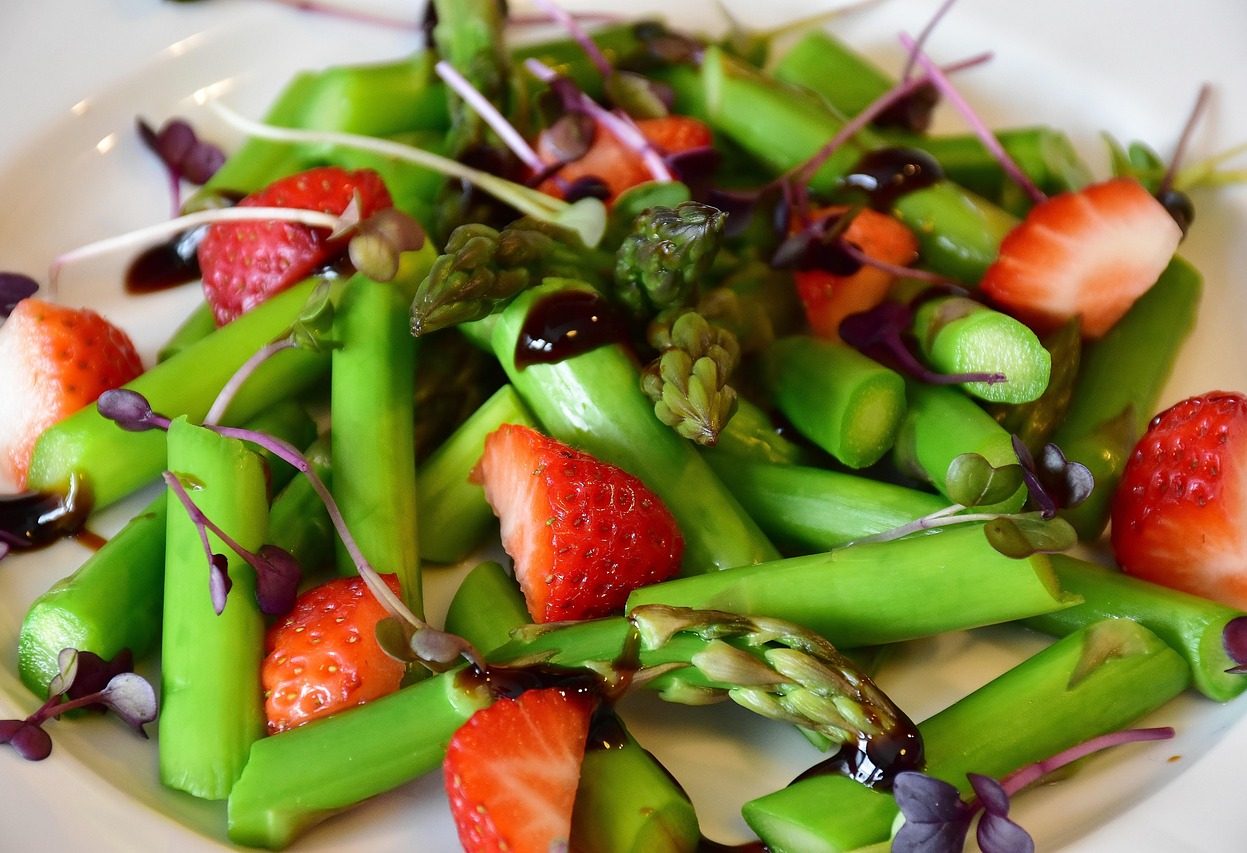
One of the first vegetables to appear each year, asparagus has a delicate grassy flavour and is rich in vitamins A, C, E, K and folate.
How to use it:
Lightly steam, grill or roast with olive oil and lemon. It works beautifully in salads, pasta dishes or alongside fish.
New Potatoes — Naturally Buttery
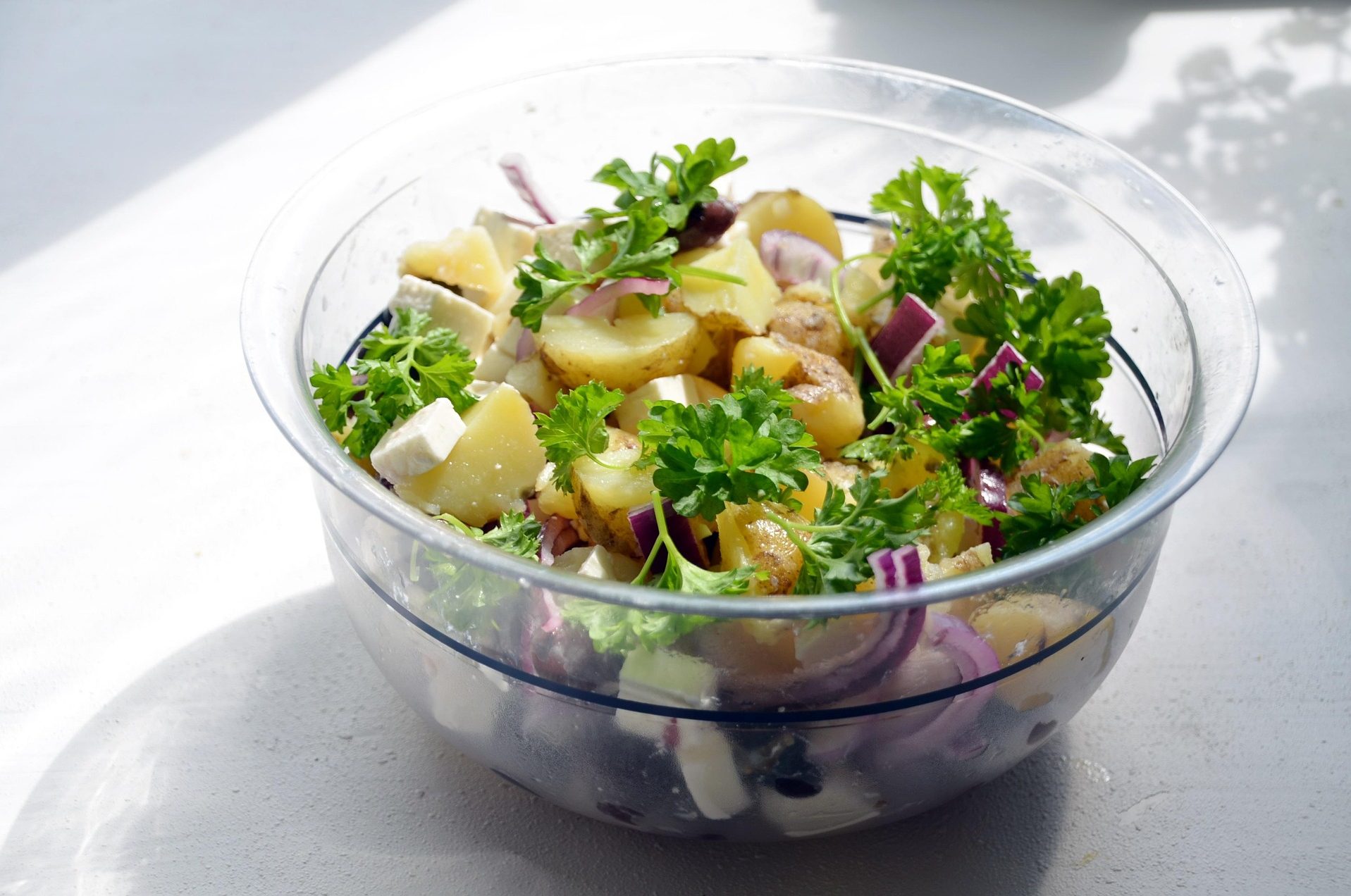
Harvested young, new potatoes have thin skins and a soft, creamy texture. They provide vitamin C and fibre while feeling comforting yet light.
How to use them:
Boil and toss with fresh herbs like dill or rosemary for a simple seasonal side dish.
Spinach — A Nutritional Powerhouse
Spring spinach is tender and packed with iron, magnesium and vitamins A and K.
How to use it:
Wilt gently with garlic, add to omelettes, soups or fresh salads.
Artichokes — A Seasonal Treat
Artichokes may look intimidating, but their nutty flavour makes them worth the effort. They are rich in antioxidants and fibre and may support heart and liver health.
How to use them:
Steam whole and serve with lemon butter, or add marinated hearts to pasta and salads.
Peas — Sweet and Fresh
Fresh peas symbolise spring. They offer plant protein, fibre and a naturally sweet flavour.
How to use them:
Add to risotto, blend into soups with mint, or simply sauté in butter.
Radishes — Crisp and Peppery
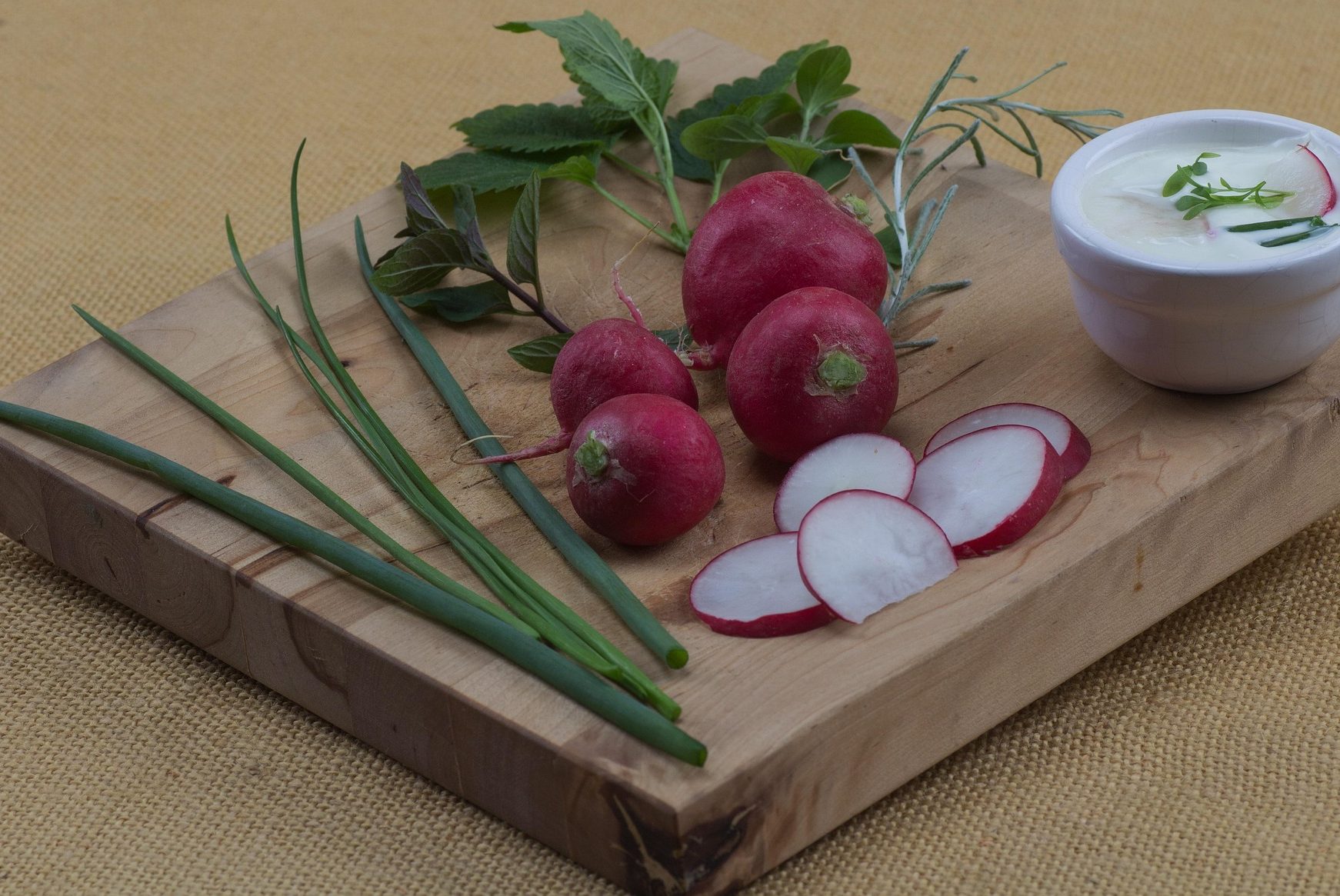
Radishes bring colour and crunch while supplying vitamin C and antioxidants.
How to use them:
Slice thinly into salads or roast them for a surprisingly mellow flavour.
Spring Onions — Mild and Versatile
With a gentler taste than mature onions, spring onions brighten many dishes while supporting digestion.
How to use them:
Sprinkle raw over salads or stir into Asian-inspired dishes and stir-fries.
Spring Fruits and Herbs Worth Adding
Although vegetables dominate the season, a few fruits and herbs shine too.
Rhubarb adds tartness to desserts and savoury dishes alike.
Strawberries begin appearing later in spring, offering vitamin C and antioxidants.
Fresh herbs elevate everything:
Parsley — bright and nutrient-rich
Mint — refreshing and digestion-friendly
Chives — mild onion flavour perfect for eggs and potatoes
Adventurous cooks may also try nettles, which become mild and spinach-like once cooked.
How to Choose the Freshest Spring Produce
Look for:
Bright colours and firm textures
Crisp leaves without yellowing
Tight tips on asparagus
Plump pea pods
Heavy, tightly closed artichokes
Fresh herbs should smell fragrant and vibrant.
Simple Storage Tips
Store asparagus and herbs upright in water like flowers.
Keep leafy greens in the fridge crisper drawer with a paper towel.
Store new potatoes in a cool, dark cupboard.
Remove radish tops before refrigerating to keep them crisp.
Good storage helps preserve flavour and reduces food waste.
🌿 Why Eating Seasonally Matters
Seasonal eating connects us to nature’s rhythm. Spring vegetables grow naturally in cooler temperatures, meaning fewer artificial growing conditions and often fewer pesticides.
Choosing seasonal foods can:
Reduce environmental impact
Improve nutrition and taste
Encourage mindful cooking habits
It’s a simple way to care for both your health and the planet.
Takeaway
Spring vegetables offer the perfect opportunity to refresh your meals with lighter, nutrient-rich foods. From sweet peas to tender asparagus, seasonal produce delivers better flavour, stronger nutrition and a deeper connection to nature. By choosing fresh, in-season ingredients and keeping cooking simple, you can enjoy healthier meals while celebrating the arrival of spring.
❓ FAQ — Spring Vegetables
What vegetables are in season during spring in the UK?
Common spring vegetables include asparagus, peas, spinach, radishes, spring onions, artichokes, new potatoes and leafy greens.
Are spring vegetables healthier?
They can be more nutritious because they are often fresher and spend less time in storage or transport.
What is the healthiest spring vegetable?
Asparagus, spinach and peas are particularly nutrient-dense, offering fibre, vitamins and antioxidants.
How should I cook spring vegetables?
Keep cooking simple — steaming, roasting or lightly sautéing helps preserve flavour and nutrients.
Why does seasonal food taste better?
Produce harvested at peak ripeness develops fuller flavour and natural sweetness.
Can I freeze spring vegetables?
Yes. Blanching vegetables like peas, spinach or asparagus before freezing helps maintain quality.
Useful link: Eat The Seasons
This content is for educational purposes and does not replace medical advice…
About the author
Lilla Fonyo is a healthy lifestyle and longevity writer with a background in endurance running, nutrition, and mindful living. She focuses on sustainable habits that support long-term physical and mental wellbeing.
Sources:
www.thecheshirecookeryschool.com - The Best of Spring Vegetables, Fruits, and Herbs
www.forksoverknives.com - In-Season Produce: Your Guide to Spring Vegetables and Fruits
www.foodrevolution.org - Top 10 Spring Vegetables and Fruits for a Healthy Season
www.thesourcebulkfoods.co.uk - How to Eat Seasonally and Locally in the UK
BDA - The Association of UK Dietitians www.bda.uk.com - Which fruit and veg are in season in the UK?