15 Surprising Benefits of Eating Cabbage
By Lilla Fonyo — Healthy Lifestyle & Longevity Writer
Last Updated February 2026
Quick Summary
Cabbage is an affordable, everyday vegetable with impressive health benefits. It is low in calories but rich in fibre, vitamins, antioxidants, and plant compounds that support gut health, heart health, blood sugar control, and immunity. Research, including studies published on PubMed, suggests cabbage may also play a role in reducing inflammation and supporting the prevention and management of type 2 diabetes.
Related Articles:
Top 10 High-Fibre Foods You Should Eat Daily - Discover the top 10 high-fibre foods to boost your health and meet the daily 30g recommendation in the UK!
16 Superfoods You Need to Add to Your Diet for Better Health & Energy - Discover 16 powerful superfoods packed with nutrients and antioxidants. They can boost your energy, support immunity, and improve wellness.
The 30-Plants-a-Week Habit - Discover the easy way to try the “30 plants a week” approach and support your gut health with simple, enjoyable changes.
Fibre Quiz - Think you know fibre? Try our quick quiz on high-fibre foods and see how much you know about healthy eating, digestion and gut health.
What is a plant-based diet? - Plant-based eating means filling your plate mainly with foods from plants. This includes fruits, vegetables, nuts, seeds, oils, whole grains, legumes, and beans. It doesn't mean you have to stop eating meat or dairy altogether; it’s more about choosing to eat more plant foods each day.
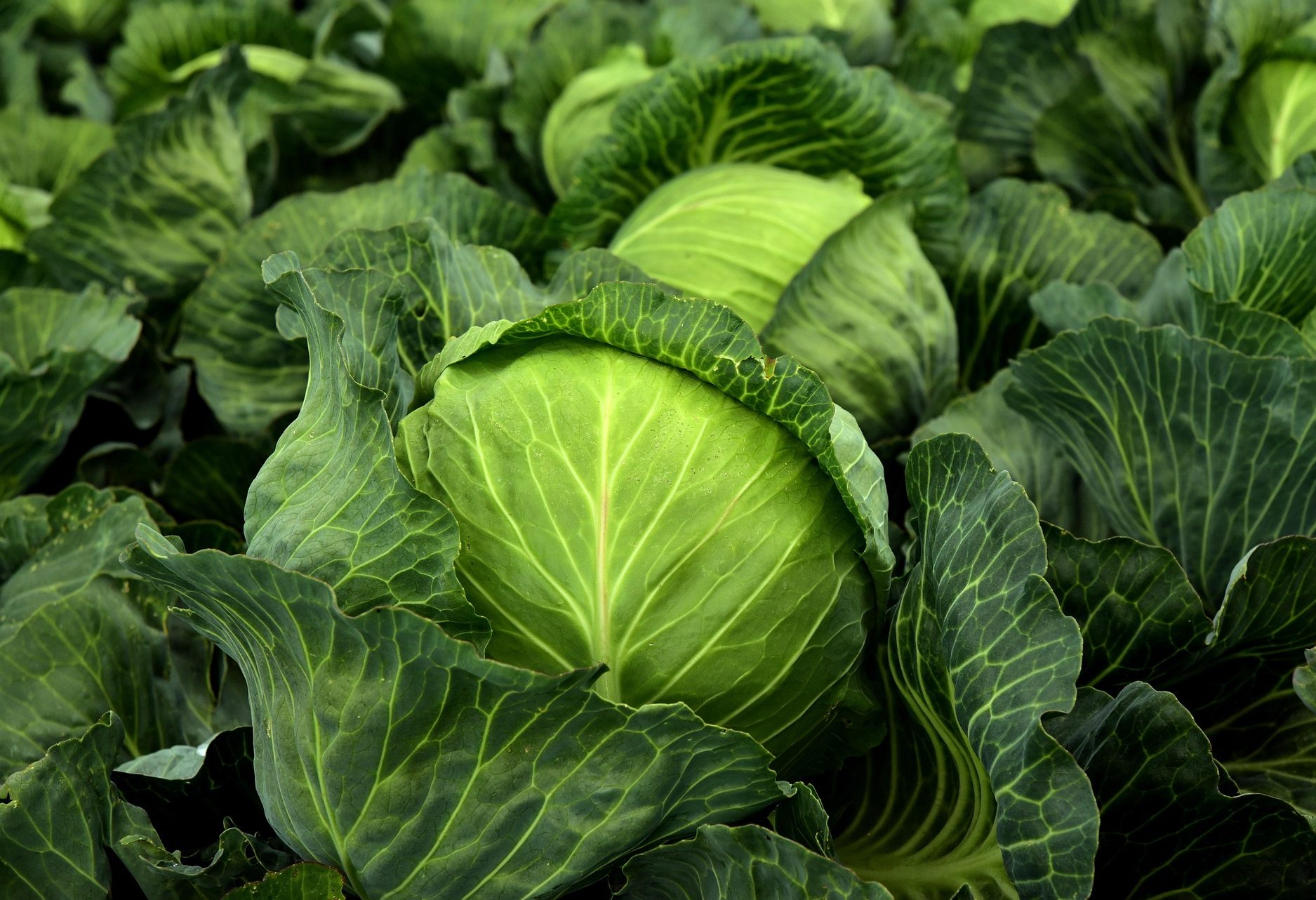
Cabbage may not look exciting, but it is one of the most nutritious vegetables you can put on your plate. Whether eaten raw, cooked, or fermented, cabbage provides a wide range of nutrients that support overall health. From digestion and heart health to weight management and blood sugar balance, this humble vegetable quietly does a lot of heavy lifting.
Here are 15 reasons to eat cabbage more often.
1. Packed with Essential Nutrients
Cabbage belongs to the cruciferous vegetable family, alongside broccoli, cauliflower, and Brussels sprouts. Despite being very low in calories, it contains vitamin C, vitamin K, fibre, potassium, folate, and several antioxidants.
A 100-gram serving of raw cabbage contains roughly 25 calories, yet contributes meaningfully to daily nutrient needs.
2. Excellent Source of Vitamin C
Vitamin C supports the immune system, helps the body heal wounds, strengthens skin and connective tissues, and improves iron absorption from plant foods.
Red cabbage contains even more vitamin C than green cabbage, making it a particularly strong choice for immune support.
3. Supports Bone and Blood Health
Cabbage is rich in vitamin K, which is essential for normal blood clotting and bone strength. Adequate vitamin K intake is also linked to better artery health and may support brain function.
People taking blood-thinning medication should keep their vitamin K intake consistent and speak to a healthcare professional.
4. Rich in Antioxidants
Cabbage contains antioxidants such as polyphenols and flavonoids. These compounds help protect cells from damage caused by free radicals, which are linked to ageing and chronic disease.
Antioxidants in cabbage may help lower the risk of heart disease, arthritis, and some cancers.
5. High in Polyphenols
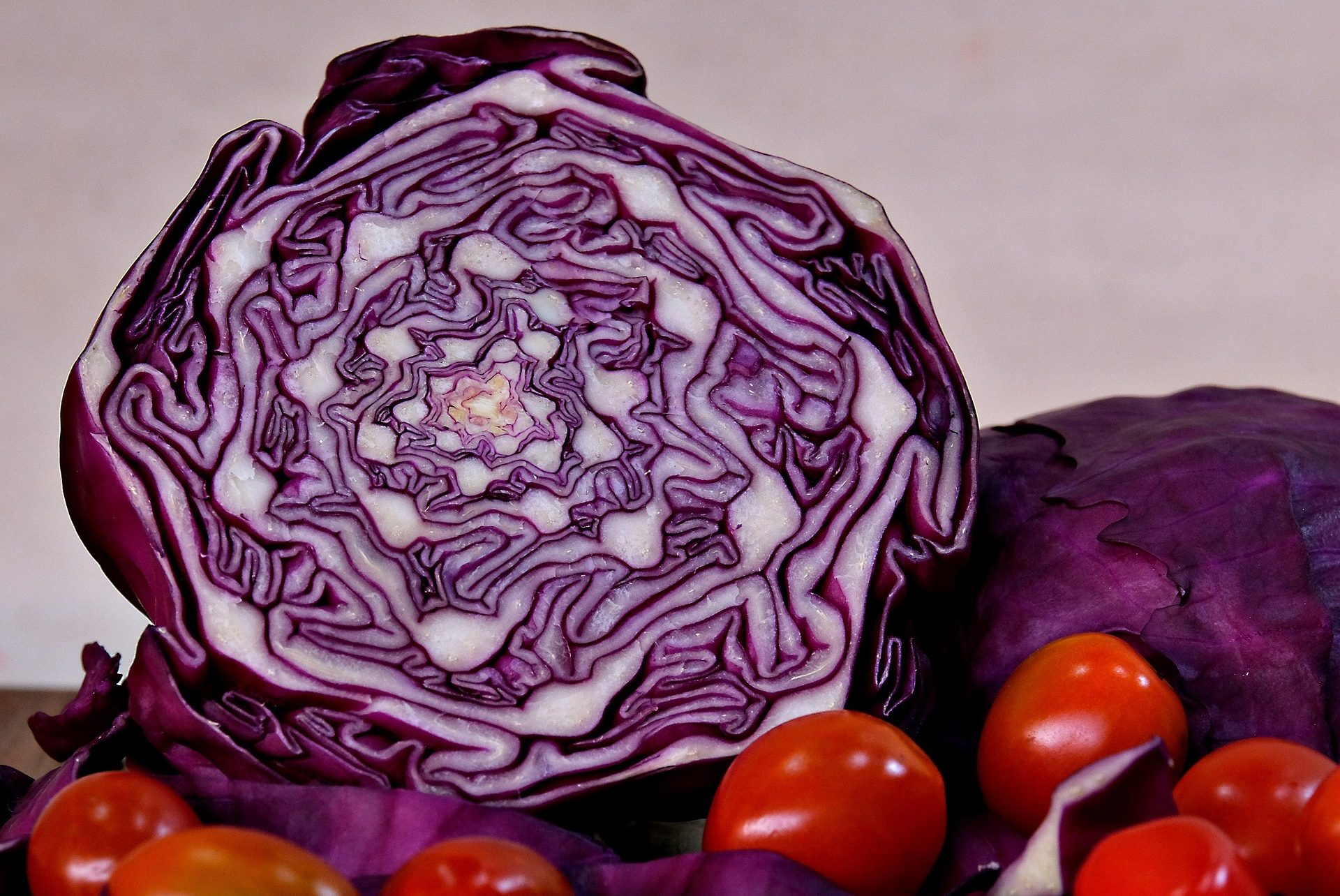
Polyphenols are plant compounds that help reduce inflammation and support heart health. Red cabbage is especially high in these compounds, which also give it its deep purple colour.
6. Supports Weight Management
Cabbage is filling, high in fibre, and very low in calories. This makes it ideal for weight management, as it helps you feel full without adding excess energy to your diet.
7. May Help Lower Cholesterol
Cabbage contains soluble fibre and plant sterols, which can reduce how much cholesterol is absorbed in the gut. This may help lower LDL (“bad”) cholesterol levels and support heart health.
8. Improves Gut Health
Cabbage provides both soluble and insoluble fibre. Insoluble fibre helps keep bowel movements regular, while soluble fibre feeds beneficial gut bacteria.
Fermented cabbage, such as sauerkraut or kimchi, also provides probiotics that support a healthy gut microbiome.
9. Supports Heart Health
Red cabbage contains anthocyanins, powerful plant pigments linked to a lower risk of heart disease. These compounds help reduce inflammation and may support healthy blood vessels.
10. May Help Lower Blood Pressure
Cabbage is a good source of potassium, a mineral that helps balance sodium levels and regulate blood pressure. Diets rich in potassium are linked to a lower risk of stroke and heart disease.
11. Helps Reduce Inflammation
Compounds such as sulforaphane and kaempferol found in cabbage have anti-inflammatory properties. Reducing chronic inflammation may lower the risk of conditions like arthritis and heart disease.
12. May Support Blood Sugar Control
Cabbage’s fibre slows digestion and helps prevent sharp rises in blood sugar. Plant compounds in cabbage may also improve insulin sensitivity, supporting healthier glucose regulation.
13. May Reduce Cancer Risk
Cabbage contains glucosinolates, which break down into active compounds when chopped or cooked. These compounds have shown cancer-protective effects in laboratory and animal studies. Human research is ongoing, but including cabbage in your diet is a positive step for long-term health.
14. Affordable and Widely Available
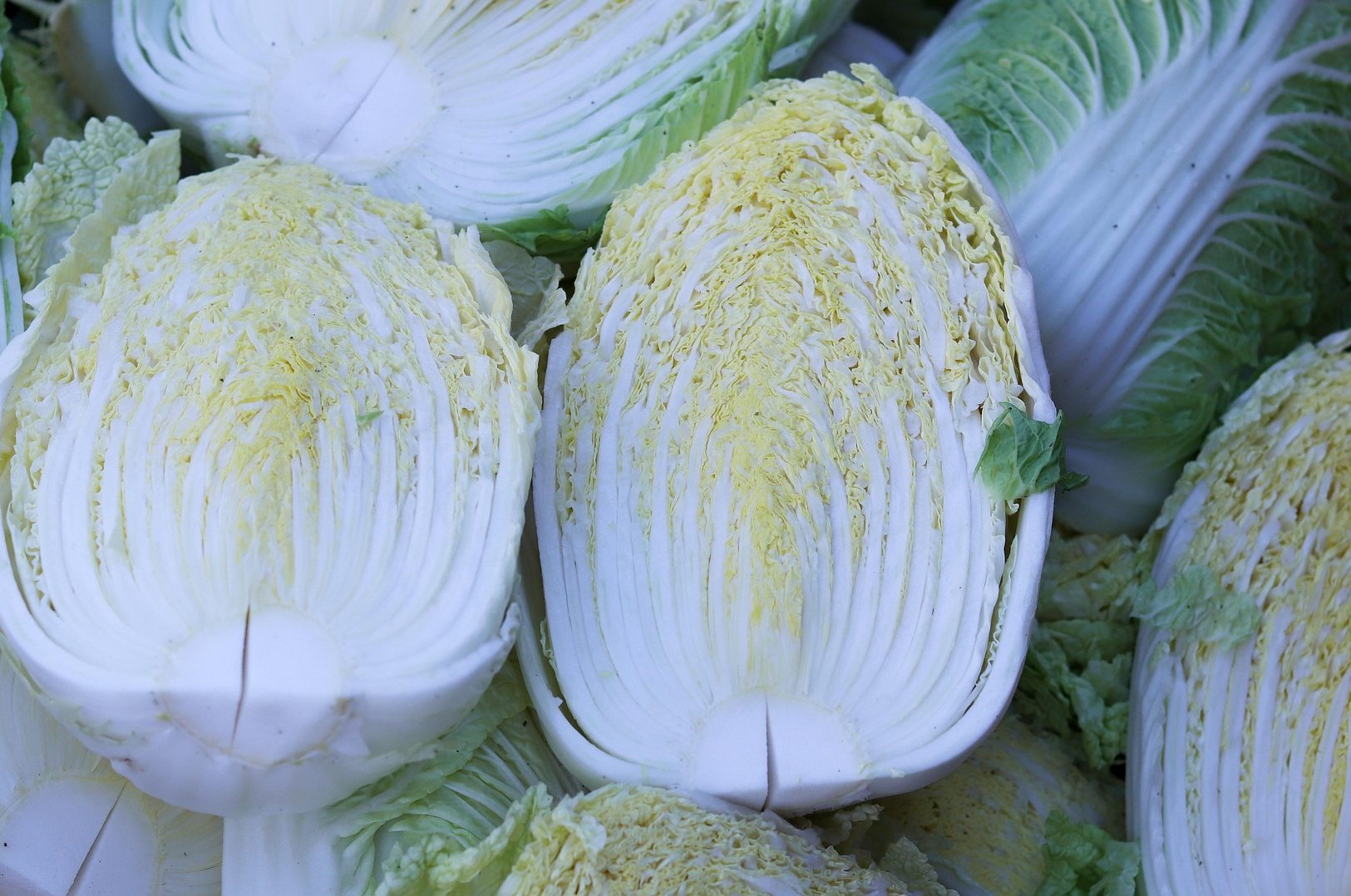
Cabbage is inexpensive, easy to store, and available year-round. Varieties include green, red, savoy, and napa, all offering slightly different textures and nutrient profiles.
15. Easy and Versatile to Eat
Cabbage can be enjoyed in many ways:
Raw: shredded into salads or slaws
Cooked: steamed, stir-fried, or added to soups and stews
Fermented: sauerkraut or kimchi for probiotics
Juiced: a gentler option for sensitive digestion
Cooking cabbage briefly and adding lemon juice or vinegar can help reduce strong smells.
What PubMed Research Says About Cabbage
Scientific research published on PubMed highlights cabbage as a functional food with potential benefits for preventing and managing type 2 diabetes.
A 2021 review focusing on cabbage varieties (green, white, and red) found that their bioactive compounds support glucose regulation, reduce oxidative stress, and may help protect organs such as the liver and kidneys from diabetes-related damage. The researchers concluded that cabbage could play a valuable role in dietary strategies for blood sugar control and long-term metabolic health.
This research supports broader findings that cruciferous vegetables contribute to improved insulin sensitivity, reduced inflammation, and healthier weight management.
Takeaway
Cabbage is a simple, low-cost vegetable with powerful health benefits. Rich in fibre, vitamins, and protective plant compounds, it supports digestion, heart health, immunity, and blood sugar balance. Whether raw, cooked, or fermented, adding cabbage to your meals is an easy and effective way to support long-term health.
❓ FAQ: Benefits of Eating Cabbage
Is it safe to eat cabbage every day?
Yes - for most people. Eating cabbage regularly is safe and healthy. If you have thyroid issues or take blood-thinning medication, speak to a healthcare professional.
Is red cabbage healthier than green cabbage?
Both are healthy. Red cabbage contains more antioxidants and vitamin C, while green cabbage provides slightly more vitamin K.
Does cooking cabbage destroy nutrients?
Some vitamin C is lost during cooking, but steaming preserves most nutrients. Cooking also makes cabbage easier to digest for some people.
Is fermented cabbage better than raw cabbage?
Fermented cabbage adds probiotics that support gut health, but raw cabbage provides more vitamin C. Both have benefits.
Can cabbage help with weight loss?
Yes - Cabbage is low in calories, high in fibre, and very filling, which can help with appetite control and weight management.
“This content is for educational purposes and does not replace medical advice…”
About the author
Lilla Fonyo is a healthy lifestyle and longevity writer with a background in endurance running, nutrition, and mindful living. She focuses on sustainable habits that support long-term physical and mental wellbeing.
Sources:
www.verywellhealth.com - What Happens to Your Body When You Eat Cabbage Regularly
www.healthline.com - 9 Impressive Health Benefits of Cabbage
www.pubmed.ncbi.nlm.nih.gov - Cabbage (Brassica oleracea var. capitata): A food with functional properties aimed to type 2 diabetes prevention and management
www.medicinenet.com - 21 Impressive Health Benefits of Cabbage