Hunza Valley – The Secret of Long Life
By Lilla Fonyo — Healthy Lifestyle & Longevity Writer
Last update : March 2026
Quick Summary
The Hunza Valley in northern Pakistan has fascinated researchers, travellers and writers for decades because of claims that its residents live unusually long and healthy lives. While some of the most dramatic stories about Hunza longevity are difficult to verify, there is strong evidence that their lifestyle supports good health. A mostly plant-based diet, regular physical activity, strong social connections and minimal reliance on processed foods are all believed to contribute to their wellbeing. Rather than a single “secret”, the Hunza way of life offers a collection of simple habits that may help support healthier ageing.
Related Articles:
Blue Zones Part 1: Sardinia’s Timeless Secret to Long Life - Sardinia, Italy, is a Blue Zone where diet, laughter, and tradition fuel longevity. Learn the secrets of living a healthy 100+ years.
Blue Zones Part 2: Okinawa’s Path to Healthy Aging - Discover how Okinawans live longer, healthier lives through diet, purpose, community, and balance—secrets from the Blue Zones.
Blue Zones Part 3: Secrets of Longevity from Costa Rica’s Nicoya - Discover how Costa Rica’s Nicoya Peninsula fosters long, healthy lives through diet, activity, and the joyful Pura Vida lifestyle.
Blue Zones Part 4: Ikaria — The Greek Island Where Time Slows Down - Explore Ikaria, Greece’s Blue Zone, where simplicity, friendship, and a wholesome Mediterranean lifestyle inspire long, happy lives.
Blue Zones Part 5: Loma Linda – Faith, Food and Longer Living - Explore Loma Linda, California’s Blue Zone, where faith, community, and a plant-based lifestyle inspire longer, happier lives.
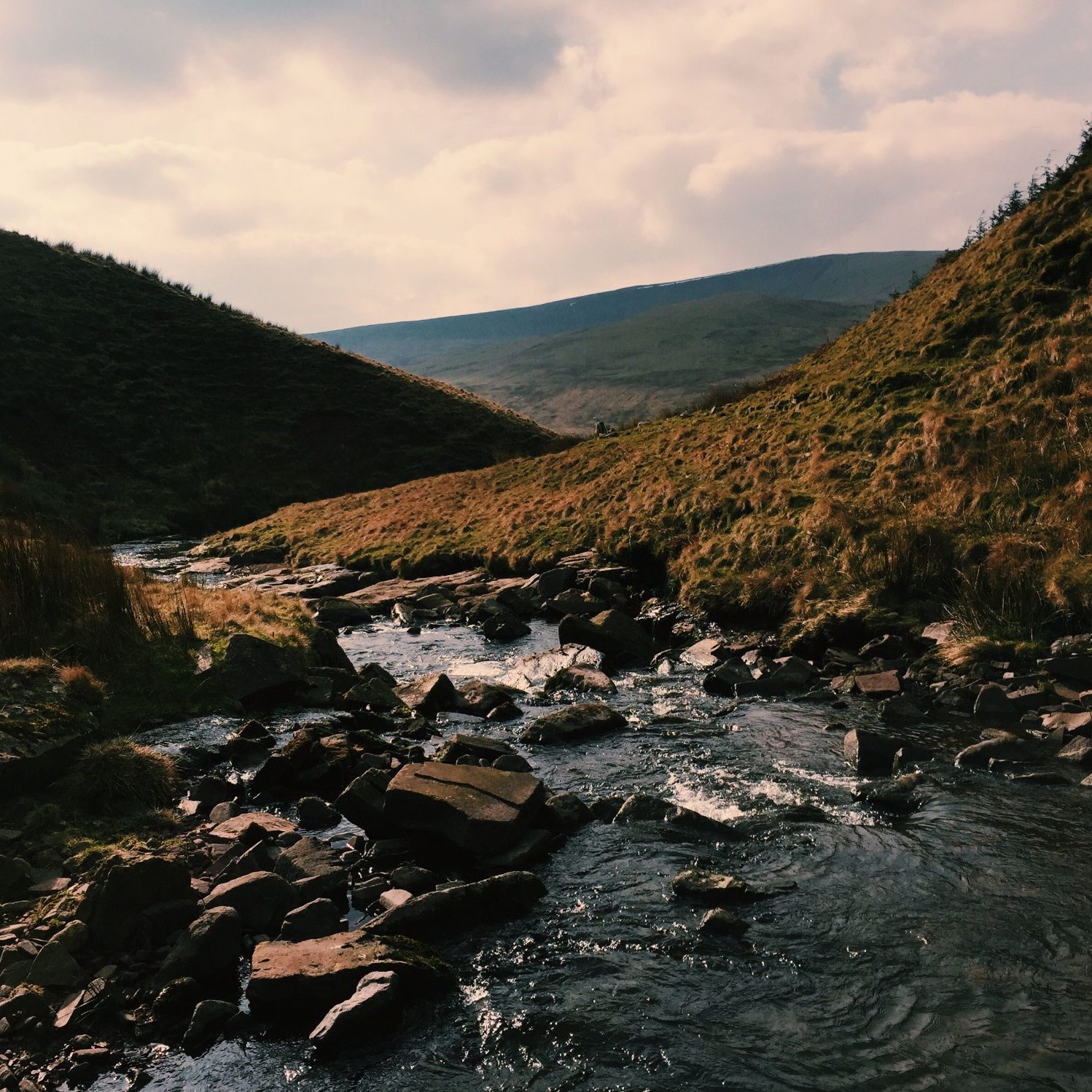
A Remote Valley That Captured the World’s Attention
Nestled high in the mountains of northern Pakistan, the Hunza Valley lies at the crossroads of the Karakoram, Himalaya and Hindu Kush ranges. The valley is home mainly to the Burusho and Wakhi communities, who have lived in this region for centuries.
Interest in the Hunza people grew dramatically during the 20th century, especially after articles published by National Geographic in the 1970s. These stories described a remote society where people appeared to live far longer than average and often remained active into old age.
The idea of a hidden “fountain of youth” captured global imagination. Visitors travelled to the region hoping to uncover the secrets behind the Hunza people’s longevity.
Today, researchers take a more balanced view. While some claims about extreme lifespans cannot be fully verified, the Hunza lifestyle still provides valuable insight into how daily habits can influence long-term health.
How Long Do the Hunza People Live?
Over the years, reports have suggested that Hunza residents often live well into their 90s or even beyond 100. However, reliable birth records have historically been limited in this remote region, which makes exact age verification difficult.
Modern studies suggest that while the Hunza people may not routinely reach 120 years as sometimes claimed, many still experience good health and strong mobility in older age.
What appears particularly striking is not just lifespan, but healthspan — the ability to remain active, independent and socially engaged later in life.
Daily Life in the Hunza Valley
Life in the Hunza Valley has traditionally been physically demanding. Villages are often built along steep mountain slopes, and reaching farmland or neighbouring communities may involve long walks on rugged paths.
As a result, movement is naturally built into everyday life. Farming, tending livestock, collecting wood and maintaining irrigation channels require constant physical activity.
Even older members of the community often remain involved in daily tasks. It is common to see people in their seventies or eighties walking, working outdoors and participating in village life.
A Mostly Plant-Based Diet
One of the most frequently cited aspects of the Hunza lifestyle is their traditional diet.
Meals are typically based on locally grown, seasonal foods, including:
Apricots (fresh and dried)
Cherries and grapes
Peaches
Spinach and other vegetables
Wheat, barley and millet
Chapati (a traditional flatbread)
Apricots are especially important in the region. The fruit is eaten fresh during summer and dried for use during winter. Apricot kernels are also used to produce apricot oil, which has traditionally been used for cooking.
Meat is eaten less frequently and often preserved for colder months. Because of the valley’s isolation, processed foods have historically been rare.
This way of eating naturally results in a diet rich in fibre, vitamins and antioxidants, which are linked to reduced risk of chronic diseases.
Natural Physical Activity
Exercise in the Hunza Valley is not something people schedule — it is simply part of everyday living.
Daily life includes activities such as:
Walking long distances across steep terrain
Farming and tending animals
Carrying water and wood
Maintaining irrigation canals
Participating in community work
This continuous movement helps support muscle strength, bone health, heart health and metabolic balance.
Research consistently shows that regular physical activity can reduce the risk of cardiovascular disease, type 2 diabetes and cognitive decline.
The Role of Glacier Water
Another aspect that has intrigued researchers is the water source in the region. Much of the valley’s water comes from glacial melt, which flows through layers of rock and minerals before reaching villages.
Some scientists have suggested that the mineral content of this water could play a role in supporting health. However, while mineral-rich water may offer benefits, most researchers believe that diet and lifestyle are far more important factors.
Strong Community and Low Stress
One of the most important — and often overlooked — aspects of Hunza life is its strong sense of community.
Villages tend to be tightly connected, with families supporting one another across generations. Older people are respected and cared for within their families rather than living in retirement homes.
Community traditions, shared work and social gatherings create a strong sense of belonging.
Research in psychology consistently shows that social connection is closely linked to better mental health, reduced stress and longer life expectancy.
Are the Hunza People Completely Free from Disease?
Despite popular myths, the Hunza people are not immune to illness.
Recent studies suggest that conditions such as high blood pressure and diabetes do occur in the region. One study found that around one in three adults in some villages had hypertension.
Certain cultural habits may also contribute to health issues. For example, salty tea commonly consumed during winter may increase sodium intake, which can affect blood pressure.
In addition, modernisation is gradually changing the Hunza lifestyle. Processed foods, motorised transport and digital technology are becoming more common, which may influence future health patterns.
What We Can Learn from the Hunza Lifestyle
Although the Hunza Valley is unique, many of the habits associated with its residents’ health are surprisingly simple and widely recommended by health experts.
Eat More Whole Foods
The Hunza diet focuses heavily on fresh, seasonal and minimally processed foods. Fruits, vegetables, grains and legumes form the foundation of their meals.
Reducing processed foods and increasing whole foods can help support heart health, metabolic health and digestion.
Stay Physically Active Every Day
Regular movement plays a crucial role in maintaining physical health.
Benefits of daily activity include:
Stronger muscles and bones
Improved heart and lung function
Better blood sugar control
Reduced risk of chronic disease
Improved mood and mental wellbeing
Even simple activities such as walking, gardening or cycling can provide significant health benefits.
Maintain Strong Social Connections
Community and relationships play a vital role in wellbeing.
Spending time with family and friends, participating in shared activities and maintaining supportive social networks can help reduce stress and improve emotional health.
What the NHS Says About Healthy Living
The NHS emphasises that long-term health depends on several key lifestyle factors.
These include:
Eating a balanced diet rich in fruits, vegetables and whole grains
Staying physically active
Maintaining a healthy weight
Avoiding smoking
Managing stress and mental wellbeing
Many of these recommendations closely mirror the traditional lifestyle habits observed in communities such as the Hunza.
Insights from the British Heart Foundation
The British Heart Foundation highlights that heart disease remains one of the leading causes of death in many countries.
However, healthy lifestyle choices can significantly reduce risk. The organisation recommends:
Eating more plant-based foods
Limiting highly processed foods
Staying physically active
Maintaining strong social and emotional wellbeing
The Hunza lifestyle — with its emphasis on whole foods, daily movement and community support — reflects many of these principles.
Takeaway
The Hunza Valley has long been associated with remarkable longevity, but the true lesson from this mountain community is not a hidden secret or miracle food. Instead, it is a way of life built around simple, consistent habits: eating natural foods, staying active, maintaining strong social ties and living with a sense of balance and connection. While modern life may look very different, many of these principles remain timeless and can help support healthier ageing wherever we live.
❓ FAQ: Hunza Valley – The Secret of Long Life
Where is the Hunza Valley located?
The Hunza Valley is located in northern Pakistan within the Karakoram mountain range, close to the borders of China and Afghanistan.
Do the Hunza people really live to 120 years?
Some historical reports claim extremely long lifespans, but exact ages are difficult to verify due to limited birth records. Many residents, however, remain active and healthy into their 80s and 90s.
What do the Hunza people eat?
Their traditional diet includes fruits such as apricots and cherries, vegetables, whole grains like wheat and barley, and chapati bread. Meat is eaten occasionally, and processed foods have historically been rare.
Why are the Hunza people so physically active?
The mountainous environment means daily tasks require walking, farming and other physical work, which naturally keeps people active throughout life.
Does glacier water contribute to their health?
Hunza residents drink water from glacial sources that may contain natural minerals. However, researchers believe that diet, physical activity and social connection are likely the most important factors.
What lessons can we learn from the Hunza lifestyle?
Simple habits such as eating whole foods, staying active, maintaining strong relationships and reducing stress may all contribute to better long-term health.
This content is for educational purposes and does not replace medical advice…
About the author
Lilla Fonyo is a healthy lifestyle and longevity writer with a background in endurance running, nutrition, and mindful living. She focuses on sustainable habits that support long-term physical and mental wellbeing.
Sources:
www.verywellhealth.com - How the Hunza People Live Happy and Healthy Long Lives
www.cnbc.com - People in this remote valley live to 100—they follow 5 distinct diet and lifestyle habits for longevity
www.medium.com - My Grandma Revealed the Secret of Longevity That People in Hunza Valley Follow Every Day
www.vocal.media - HUNZA PEOPLE WITH SIMPLE LIVING AND LONG LIFE
www.pubmed.ncbi.nlm.nih.gov - Hunza - a healthy and a long living people
www.worldhealth.net - People Living In This Valley Are Longevity Warriors