Best Foods for Healthy Skin and Anti-Ageing:
What Science Says
By Lilla Fonyo — Healthy Lifestyle & Longevity Writer
March 2026
Quick Summary
Healthy, glowing skin doesn’t just come from creams and serums — it also comes from what you eat. A balanced diet rich in antioxidants, healthy fats, vitamins and plant compounds can help support skin hydration, collagen production and protection against environmental damage. Scientific research suggests that nutrients such as vitamin C, vitamin E, carotenoids and polyphenols may help reduce oxidative stress, one of the key drivers of skin ageing. By including a variety of colourful fruits, vegetables, healthy fats and nutrient-dense foods in your meals, you can nourish your skin from the inside out.
Related Articles:
The 30-Plants-a-Week Habit - Discover the easy way to try the “30 plants a week” approach and support your gut health with simple, enjoyable changes.
The Wonderful Health Benefits of Avocado - Discover the amazing health benefits of avocados — from heart and gut health to glowing skin, all in one creamy, nutritious fruit.
Healthy High-Fat Foods - Not all fats are bad. Discover 9 high-fat foods like avocado, nuts, and fish that support heart health, weight, and overall wellness.
What is a plant-based diet - Learn what a plant-based diet is, its health benefits, NHS guidance and simple tips to start eating more plant foods today.
Why Diet Matters for Your Skin
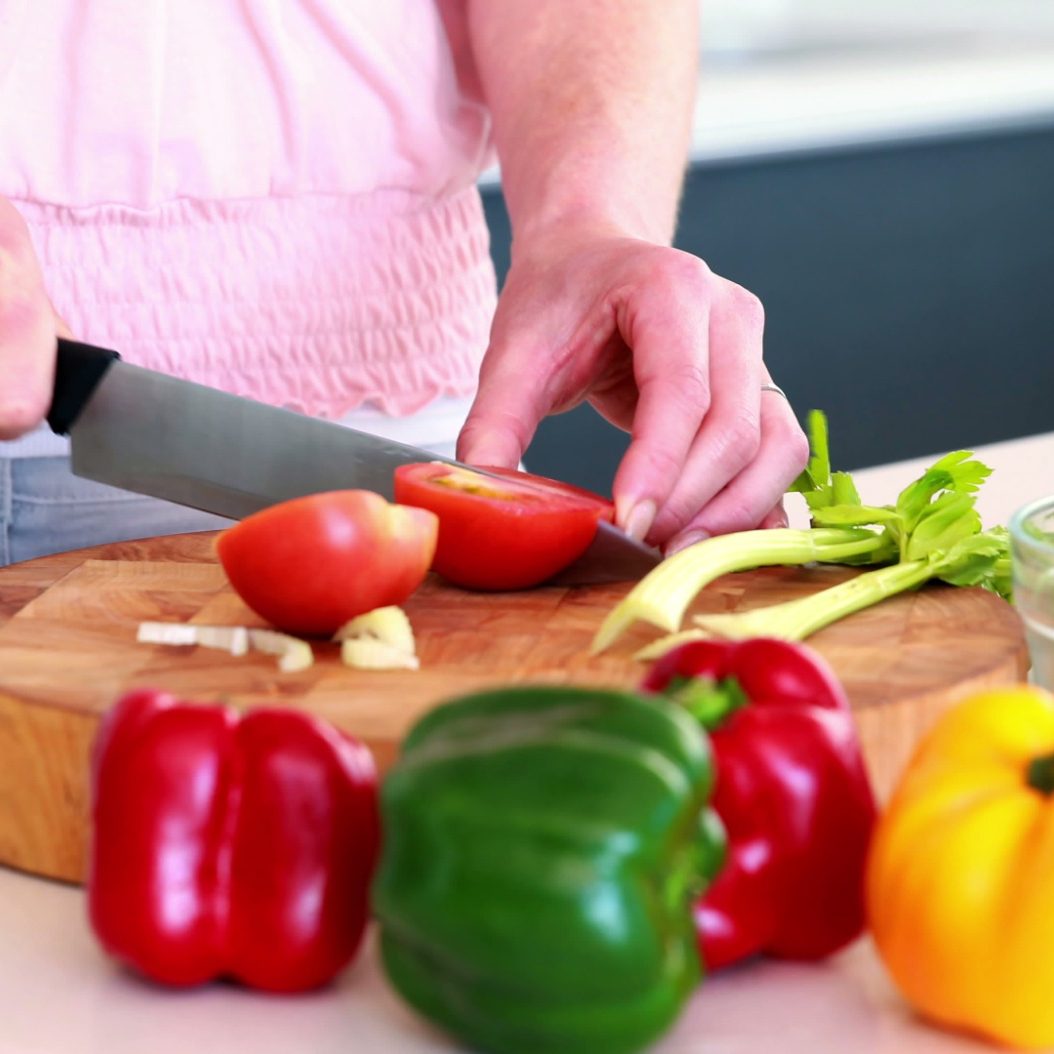
Your skin is the largest organ in the body, and it reflects what’s happening internally. As we age, natural changes occur in the skin, including:
Reduced collagen production
Decreased elasticity
Thinner skin structure
Increased dryness and fine lines
While no food can stop ageing entirely, nutrition plays a powerful role in supporting the body’s natural repair processes.
Foods rich in antioxidants and essential nutrients help protect skin cells from damage caused by free radicals, unstable molecules that contribute to inflammation, wrinkles and loss of elasticity.
What PubMed Research Says About Diet and Skin Ageing
Scientific studies indexed in PubMed highlight the strong link between nutrition and the ageing process.
Researchers explain that oxidative stress, caused by an excess of reactive oxygen species (ROS), is a major factor in skin ageing. These molecules can damage DNA, proteins and collagen fibres in skin cells.
However, studies suggest that antioxidant-rich foods may help slow this process by reducing oxidative stress.
Key findings from research include:
Dietary antioxidants such as vitamins A, C and E help neutralise free radicals.
Plant polyphenols and carotenoids can protect skin cells from UV-related damage.
Antioxidant-rich diets may support collagen stability and skin elasticity.
Nutrient-dense foods known as functional foods may support healthy ageing and overall wellbeing.
Researchers emphasise that a balanced diet rich in plant-based nutrients is one of the most effective lifestyle strategies for supporting healthy ageing.
10 Foods That Help Support Healthy, Youthful Skin
1. Fatty Fish
Fish such as salmon, mackerel and sardines are rich in omega-3 fatty acids, which help keep skin hydrated and supple.
Omega-3 fats can help:
Reduce inflammation linked to acne and redness
Support the skin barrier
Improve skin hydration
Fatty fish also contain vitamin E, an antioxidant that helps protect skin from environmental damage.
2. Avocados
Avocados are packed with healthy monounsaturated fats, which help maintain skin flexibility and moisture.
A 2022 study found that women who ate one avocado daily for eight weeks experienced improvements in skin elasticity and firmness.
Avocados also provide:
Vitamin C for collagen production
Vitamin E for antioxidant protection
Potassium and B vitamins
3. Blueberries
Blueberries are rich in anthocyanins, powerful antioxidants that help protect skin cells from oxidative stress.
Research suggests these compounds may:
Reduce inflammation
Support collagen stability
Help protect against sun-related skin damage
Their deep blue colour is a sign of their high antioxidant content.
4. Red and Yellow Peppers
Bell peppers are one of the best sources of vitamin C, a nutrient essential for collagen production.
They also contain beta-carotene, which the body converts into vitamin A.
Carotenoids help:
Protect skin cells from sun damage
Improve skin tone and texture
Reduce signs of premature ageing
5. Sweet Potatoes
Sweet potatoes are another excellent source of beta-carotene, a plant pigment that supports skin health.
Beta-carotene works as a natural internal sun protection by helping defend skin cells against UV damage.
They also contain vitamins C and E, which help maintain skin structure.
6. Spinach and Leafy Greens
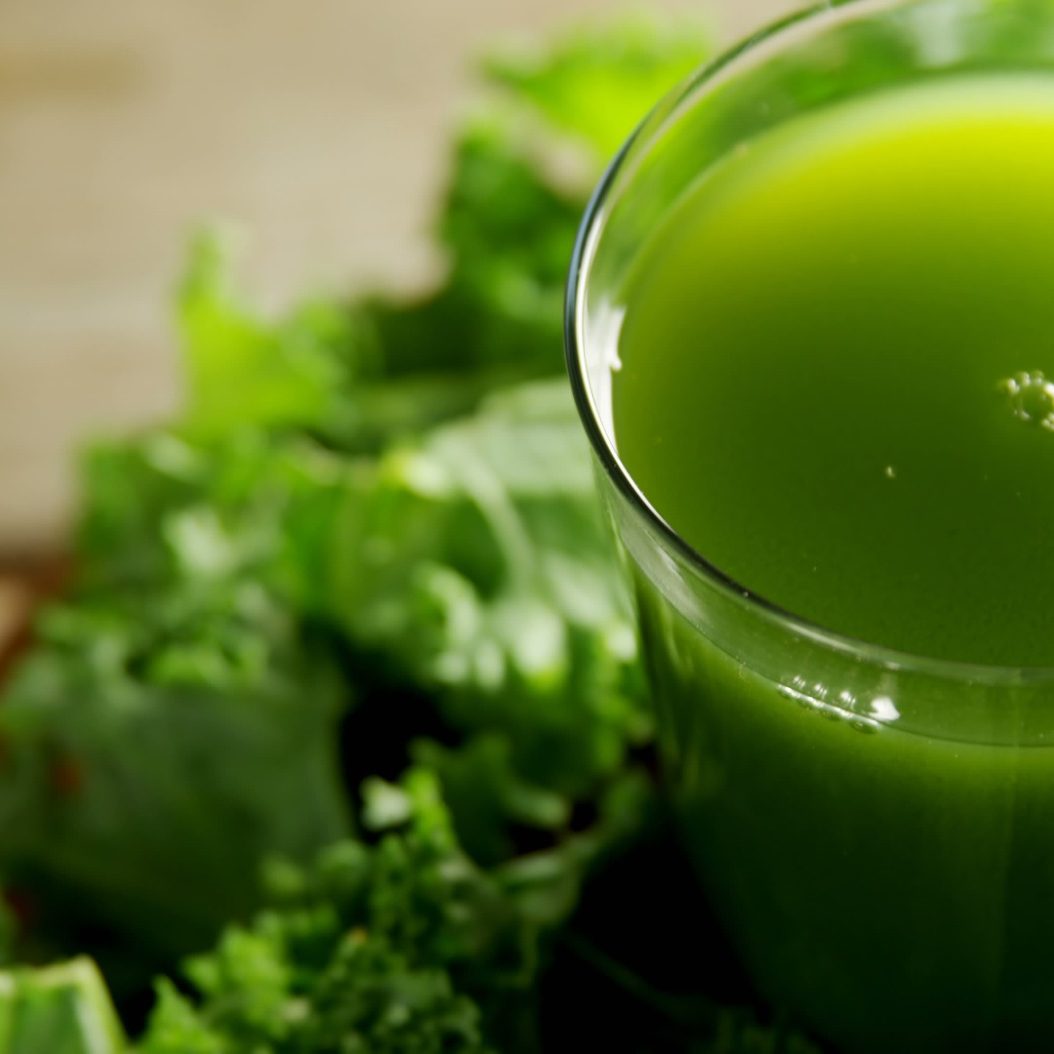
Dark leafy greens such as spinach, kale and watercress are packed with nutrients that support skin health.
These include:
Vitamin C
Vitamin A
Vitamin K
Lutein
Iron and magnesium
These nutrients help maintain healthy skin cells and support collagen production.
7. Nuts and Seeds
Nuts and seeds provide essential nutrients that support skin health, including:
Vitamin E – protects skin cells from oxidative damage
Healthy fats – support hydration and elasticity
Selenium and zinc – important for skin repair
Examples include:
Almonds
Walnuts
Sunflower seeds
Chia seeds
8. Tomatoes
Tomatoes are rich in lycopene, a carotenoid with strong antioxidant properties.
Research suggests lycopene may:
Help protect skin from sun damage
Reduce oxidative stress in skin tissues
Support smoother skin texture
Eating tomatoes with healthy fats such as olive oil helps improve lycopene absorption.
9. Dark Chocolate
Good news for chocolate lovers: dark chocolate with at least 70% cocoa contains flavonoids that benefit skin health.
Studies show that high-antioxidant cocoa may:
Improve skin hydration
Increase blood flow to the skin
Reduce roughness and sensitivity to sunlight
Moderation is key due to its calorie content.
10. Green Tea
Green tea is rich in catechins, plant compounds with strong antioxidant and anti-inflammatory properties.
Research suggests these compounds may:
Protect skin from UV damage
Reduce inflammation
Support overall skin health
Green tea is also linked with improved circulation, which helps deliver nutrients to skin cells.
Additional Skin-Supporting Nutrients
Beyond individual foods, several nutrients play a particularly important role in maintaining healthy skin:
Vitamin C – supports collagen formation and protects against oxidative stress
Vitamin E – protects skin cell membranes and reduces UV damage
Carotenoids – help protect against sun damage and improve skin tone
Polyphenols – plant compounds with anti-inflammatory and antioxidant properties
Omega-3 fatty acids – support hydration and skin barrier function
Eating a variety of colourful fruits and vegetables is one of the easiest ways to obtain these nutrients.
Lifestyle Habits That Support Skin Health
Food is important, but several lifestyle factors also influence how your skin ages.
Healthy habits include:
Drinking enough water
Eating a balanced diet
Limiting refined sugar
Protecting skin from excessive sun exposure
Getting enough sleep
Managing stress
Together, these habits support both skin health and overall wellbeing.
Takeaway
Your diet plays a powerful role in how your skin looks and ages. Research suggests that foods rich in antioxidants, healthy fats, vitamins and plant compounds may help protect skin cells from oxidative stress and support collagen production. While no food can stop ageing entirely, regularly eating nutrient-dense foods such as fatty fish, berries, leafy greens, nuts and colourful vegetables can help keep your skin healthy, resilient and glowing over time.
❓ FAQ: Best Foods for Healthy Skin and Anti-Ageing
What foods are best for healthy skin?
Foods rich in antioxidants and healthy fats are best for skin health. Examples include fatty fish, avocados, berries, leafy greens, nuts, seeds and colourful vegetables.
Can diet really affect skin ageing?
Yes. Research shows that nutrients such as vitamins C and E, carotenoids and polyphenols help protect skin cells from oxidative stress, one of the key drivers of skin ageing.
What nutrient is most important for skin?
Several nutrients are important, but vitamin C is essential because it helps the body produce collagen, the protein that keeps skin firm and elastic.
Are antioxidants good for the skin?
Yes. Antioxidants help neutralise free radicals, unstable molecules that damage skin cells and contribute to wrinkles and loss of elasticity.
Is drinking green tea good for your skin?
Green tea contains catechins, antioxidants that may help protect the skin from UV damage and reduce inflammation.
Can food reduce wrinkles?
Food cannot remove wrinkles completely, but diets rich in antioxidants and healthy fats may help slow skin ageing and support skin elasticity.
This content is for educational purposes and does not replace medical advice…
About the author
Lilla Fonyo is a healthy lifestyle and longevity writer with a background in endurance running, nutrition, and mindful living. She focuses on sustainable habits that support long-term physical and mental wellbeing.
Sources:
www.healthline.com - 10 Foods to Help Your Skin and Health as You Get Older
www.pmc.ncbi.nlm.nih.gov - Plant Fortification of the Diet for Anti-Ageing Effects: A Review
www.longevita.co.uk - 9 Skin-Boosting Flowers and Plants You Need to Know About
www.healthline.com - The 11 Best Foods for Healthy Skin
www.louisethomasskincare.co.uk - What I Eat in a Day for Glowing Skin: A Skin Expert’s Guide to Eating for Skin Health
www.olivemagazine.com - Expert explains: what to eat for better skin